7 Most Rattlesnake Infested Areas in North Dakota
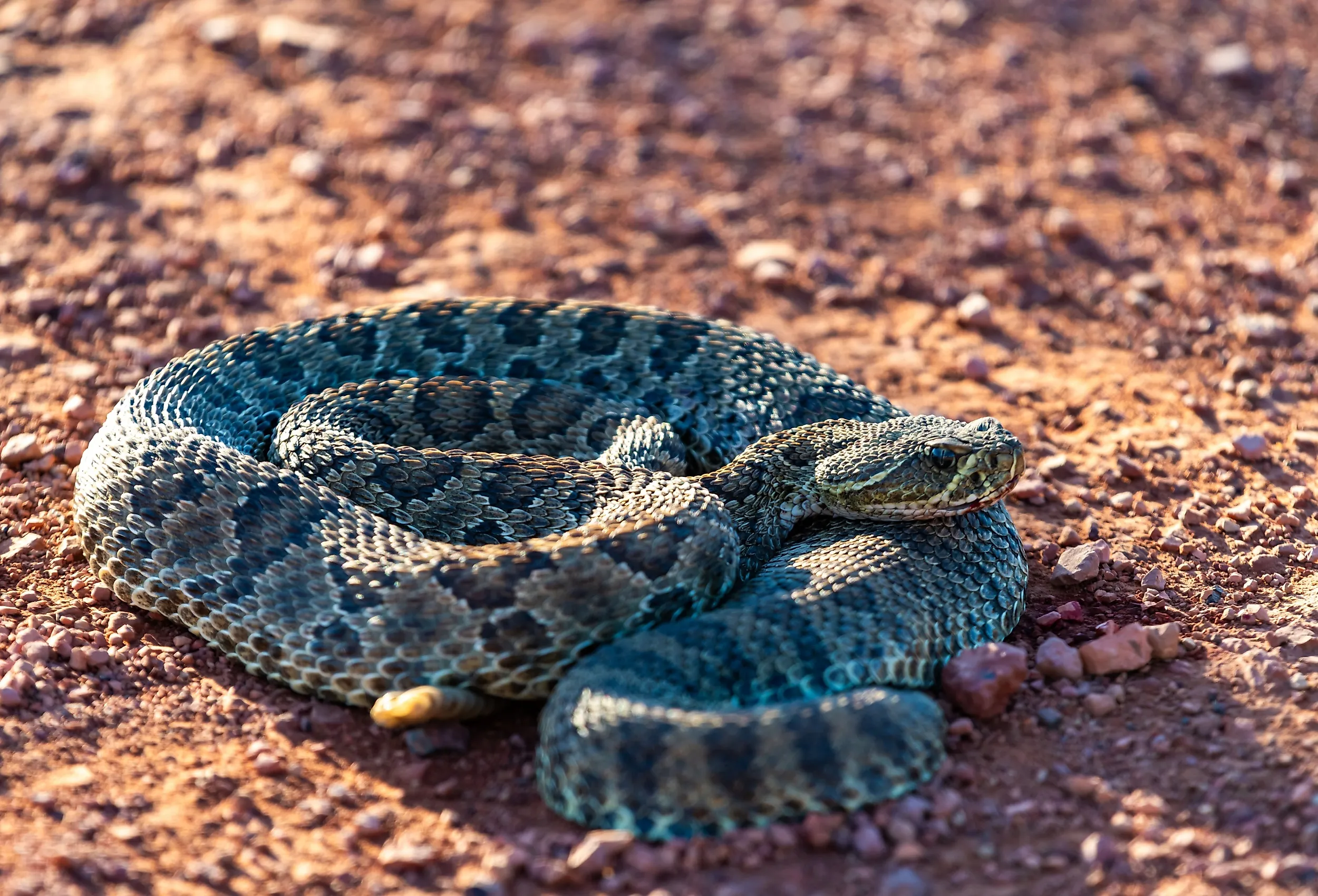
North Dakota, with its vast prairies, is a state that epitomizes wide-open spaces. Amid this seemingly endless expanse, there’s a surprising quirk of nature: only one species of rattlesnake calls this state home. In an expansive place where the sky meets the land, the western prairie rattlesnake is the sole venomous guardian of the Peace Garden State. For those exploring this unique state, North Dakota offers a wealth of attractions that showcase its natural beauty and rich history, like Theodore Roosevelt National Park, Maah Daah Hey Trail, and Lake Oahe. Among all this adventure and beauty, the western prairie rattlesnake remains a reminder of the wild spirit of North Dakota’s landscape, and outdoor explorers are gently reminded to give them plenty of space in the most rattlesnake-infested areas in North Dakota.
Theodore Roosevelt National Park

Theodore Roosevelt National Park is a major tourist destination known for its stunning landscapes called Badlands, scenic beauty, and wildlife. It is truly a place that invites visitors to hike through awe-inspiring rugged terrain, take in stunning star-filled skies, and watch the buffalo roam. Named after the 26th president of the United States, the park is located in Western North Dakota and, thanks to the historical and geographical realities of the region, divided into three units: the South Unit, the North Unit, and the Elkhorn Ranch Unit. The park is a top destination on any hiker’s bucket list, especially for travelers who appreciate solitude, diverse terrain, and wildlife encounters with bison, wild horses, elk, coyotes, and prairie rattlesnakes, commonly found in rocky and grassy areas and along hiking trails.
Its massive system of trails offers something for everyone, from casual walkers to adrenaline seekers. The south unit alone has about 100 miles of hiking trails and is the most popular unit in the park. The north unit is less crowded and provides spectacular views of the badlands and the Little Missouri River, a tributary of the Missouri River. Hikers wanting to explore the north unit should check out the 0.7 to 1.4-mile Little Mo Nature Trail, the 4.1-mile Caprock Coulee Trail, or the 11-mile Buckhorn Trail. As a reminder, hikers should stay on designated trails and be cautious when near rocks or underbrush.
Medora

Medora is the historic gateway town to the south unit of Theodore Roosevelt National Park. Before exploring the south unit, spend time in the small town discovering its unique landmarks, including the Chateau de Mores, the one-time 26-room, two-story summer residence turned house-museum of the Marquis de Mores, who arrived in 1883 and named the new town Medora in honor of his wife. Wanna-be cowboys won’t want to miss the North Dakota Cowboy Hall of Fall, where they can learn about the lifestyles of the area’s Native Americans, ranchers, and rodeo riders. The Hall of Honorees pays tribute to North Dakota’s culture, lifestyle, and legacy with new inductees annually. Finally, the Medora Musical is a lively, must-see country western music review held outdoors in the Burning Hill Amphitheatre. While prairie rattlesnakes are less likely to be found in town, the town’s proximity to the national park, nearby hiking trails, and scenic overlooks are potential habitats, so visitors should practice caution.
Missouri River

Rattlesnakes are found in grasslands, sagebrush areas, and high rocky ledges of buttes. While they are primarily found in southwestern North Dakota, they have been observed in counties bordering the Missouri River, like Emmons County, which dispels a long-held rumor that there aren’t prairie rattlesnakes east of the river. The county even has a butte named Rattlesnake Butte. The rattlesnakes tend to appear more during years when the water level in the river is high and the snakes are pushed out of the lower country. As part of a study on wildlife management areas, researchers at North Dakota State University have been keeping track of a large rattlesnake den since 2015, recognizing that rattlesnakes are an essential part of the ecosystem, controlling rodent and small mammal populations.
Lake Oahe

Lake Oahe is among the largest reservoirs in the U.S., stretching 231 miles along the Missouri River from Pierre, South Dakota, to Bismarck, North Dakota. It has more shoreline than California and numerous access points, making it a popular year-round destination for water lovers. Swimmers, boaters, and anglers come here to catch species like walleye, northern pike, catfish, and smallmouth bass. Annually, the lake's recreation areas attract between 1.4 and 1.5 million visitors. Recently, anglers have reported increased sightings of rattlesnakes along the lake. The prairie rattlesnake, North Dakota’s only venomous snake, varies in color from greenish-gray and brown to red or all brown, with dark oval blotches bordered by white.
Maah Daah Hey Trail

This renowned 144-mile trail is popular among hikers, mountain bikers, and horseback riders. It runs through the north and south units of Theodore Roosevelt National Park and the Little Missouri National Grasslands. The name, derived from the Mandan Tribes, means “land that will be around for a long time.” While the park draws outdoor lovers year-round, the trail is also a wildlife haven, offering plenty of opportunities to see birds, mammals, and reptiles in the badlands. Hikers might encounter animals like American bison, pronghorn, and coyotes. During warmer weather, prairie rattlesnakes may also be seen basking near the trail. Notable points of interest along the trail include the China Wall, Devil's Pass, and the Ice Caves. The trail’s symbol, the turtle, represents patience, determination, and steadfastness.
Little Missouri National Grassland
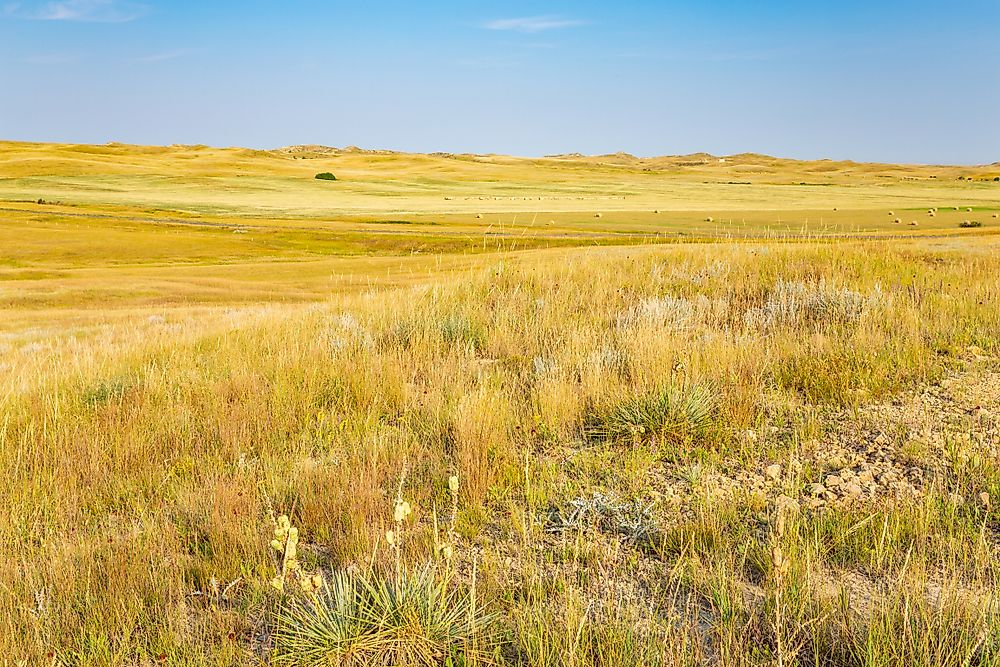
The Little Missouri National Grassland, the largest in the U.S. at over 1 million acres in western North Dakota, surrounds much of Theodore Roosevelt National Park, highlighting the president’s dedication to conservation. Roosevelt is considered one of the most important conservationist presidents in American history. The grasslands are an ideal destination for eco-tourists looking for a wilderness experience in the Great Plains. Visitors can explore the area via hiking, biking, or horseback riding, just as Roosevelt did. Additional activities include mountain biking, camping, hiking, and fishing for bass, crappie, and trout at the Sather Lake Recreation Area's floating pier.
The Little Missouri National Grasslands are part of the Dakota Prairie Grasslands, which also includes the Sheyenne National Grasslands, the Cedar River National Grasslands, and the Grand River National Grasslands. North Dakota’s highest point, White Butte, is located in the southeastern corner of the grassland. Prairie rattlesnakes are widespread throughout the Great Plains, and visitors may encounter the venomous snakes who enjoy open grasslands and prairies.
Hazelton

Hazelton is a small rural community about forty miles south of Bismarck, gaining fame as a rattlesnake hotspot. Although its location east of the Missouri River usually makes rattlesnake sightings unlikely, there have been more reports in the past two years. Prairie rattlesnakes are often found in rugged terrain or near badlands. Recently, a local radio host asked listeners to report any rattlesnake sightings east of the river, leading to reports of snakes in garages in South Bismarck, encounters on a farm in Hazelton, and sightings of snakes swimming in the Missouri River by local fishermen.
North Dakota officially became part of the United States on November 2nd, 1889. Covering more than 180,000 square kilometers, it ranks as one of North America's least densely populated states, providing ample space for reptiles to thrive. The state is home to eight snake species, with only the prairie rattlesnake being venomous. Historical records from local newspapers indicate that over a century has passed since the last fatal rattlesnake bite in North Dakota, which occurred on September 23, 1915, when a 4-year-old girl was bitten. Today, snake encounters are infrequent and shouldn’t deter travelers from exploring the scenic Great Plains and visiting some of the most striking rattlesnake habitats in the Peace Garden State.