6 Tick Infested Areas In Massachusetts
Massachusetts contains several areas where ticks are consistently spotted summer after summer. They show up on coastal islands and in forested reservations near major cities. Cape Cod, Nantucket, and Martha's Vineyard draw particularly high activity that has gained nationwide notice. Inland spots like Blue Hills Reservation and Middlesex Fells Reservation carry similar risk into heavily visited urban zones. Even the remote western uplands of Mount Greylock State Reservation in the Berkshires boast stable tick populations.
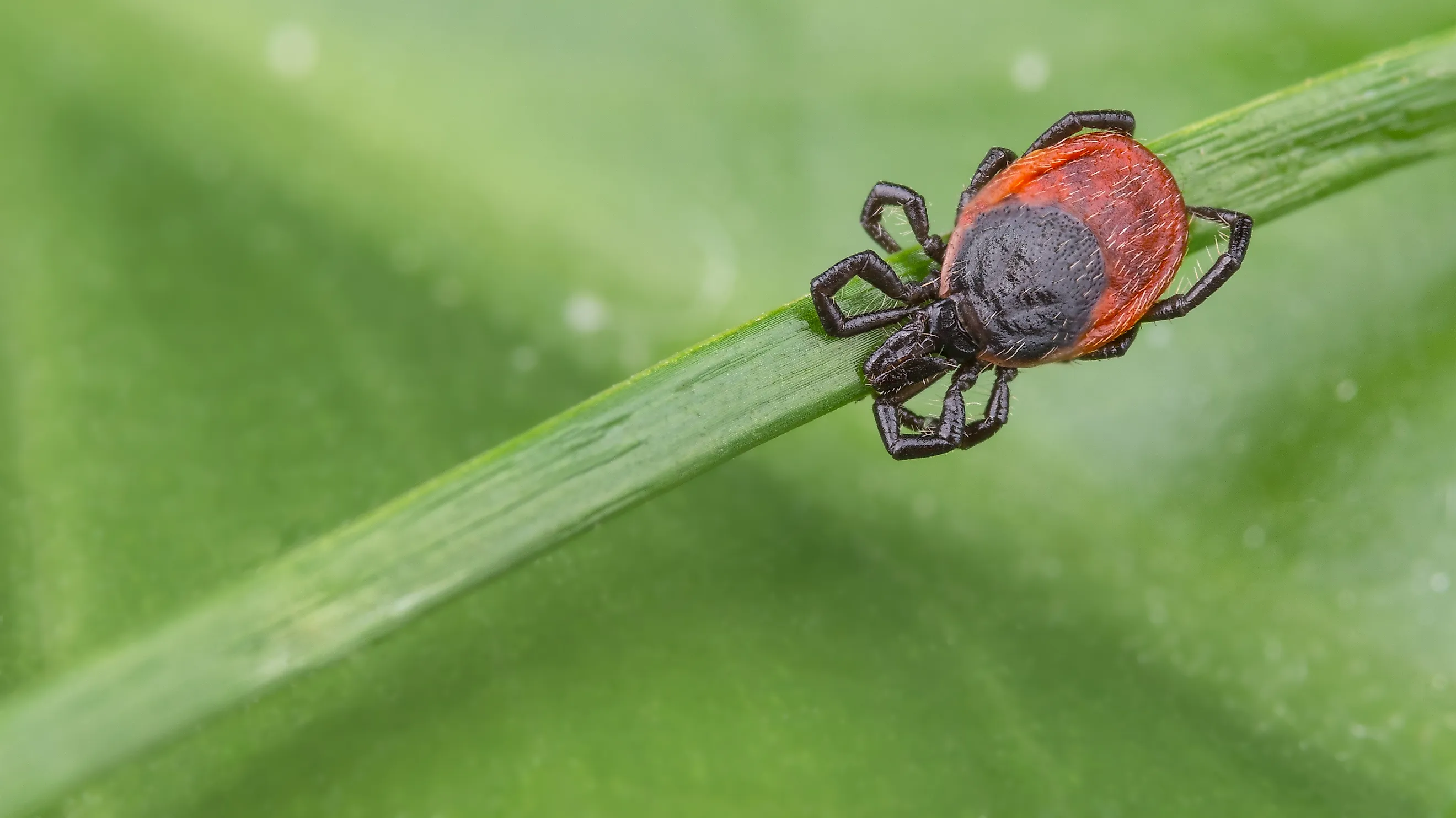
Blacklegged ticks are the primary carriers of Lyme disease across these habitats. Also known as deer ticks, they thrive in leaf piles and tall grasses and other mammal-rich spots. Lone star ticks and American dog ticks are less prevalent here. Both have increased over the years and bring their own set of potentially harmful issues.
Cape Cod

Cape Cod is widely regarded as one of the most tick-active regions in Massachusetts. This hook-shaped peninsula's set of woodlands, coastal shrublands, marsh edges, and residential and vacation developments bordering natural habitat create ideal conditions for blacklegged ticks, the primary carriers of Lyme disease. In fact, Lyme disease rates on Cape Cod have remained among the highest in the state for years, with around 38% of adult ticks carrying it and hundreds of annual cases reported in humans. Nymph-stage blacklegged ticks are especially active from late spring through summer and are responsible for a good number of infections as well, being hard to detect because of their tiny size.
Deer, mice, and other wildlife are also abundant on the cape, moving easily between protected lands and neighborhoods. This helps sustain large tick populations, as they act as both hosts and transportation for the pests.

For humans, popular outdoor destinations, including hiking trails, conservation areas, and beaches with adjacent vegetation (of which there are many here), regularly expose visitors to tick-friendly zones. Even short walks through brushy or wooded areas can result in encounters, making Cape Cod a consistently high-risk location for exposure on the Atlantic Coast.
Nantucket

Sitting just off Cape Cod, the island of Nantucket actually ranks among the most tick-infested places in all of the United States, let alone Massachusetts. Much of the island consists of coastal heathlands, shrub thickets, farms, and residential areas interwoven with natural habitat, allowing ticks to thrive close to where people live, work, and recreate.
Because Nantucket's open spaces are a major draw for walkers, birdwatchers, and cyclists, health officials have also closely monitored elevated Lyme disease risk on the island for decades, again making it one of the country's most notable tick hotspots.
The trails within Sanford Farm Ram Pasture & Head of the Woods and the sections of Middle Moors are solid examples of places that could put you directly in prime blacklegged tick habitat, as well as spots where American dog ticks and lone star ticks are known to be prevalent as well.
Also like Cape Cod, numerous local white-tailed deer and small mammals help sustain the tick population across the island. Its slightly more temperate maritime climate supports survival of these arachnids throughout longer periods of the year when compared to inland locations, too.
Martha's Vineyard

Also neighboring Nantucket, Martha's Vineyard is another island in Massachusetts where ticks are now an established part of the landscape. Its mosaic of oak forests, coastal shrublands, meadows, and stone-wall-lined properties yet again provides favorable living space for blacklegged ticks.
Areas such as the Manuel F. Correllus State Forest, which stretches across the island's interior, are particularly favorable because of their abundant leaf litter, shade, and wildlife activity. Although ticks here are not confined to remote natural areas and are likewise frequently spotted in backyards, community trails, and undeveloped lots bordering residential neighborhoods, the latter of which are mainly positioned along the shoreline.
In recent years, Martha's Vineyard has recorded worrying levels of Lyme disease, with an astounding infection rate 11 times higher than the Massachusetts average, and similarly high cases of other tick-borne illnesses, including babesiosis. Alpha-gal syndrome is also on the rise, thanks to the increasing numbers of lone star ticks.
Blue Hills Reservation

Back on the mainland, the Blue Hills Reservation sits just south of Boston and is a very well-known tick hotspot despite its proximity to such a major urban area. This otherwise serene slice of green space encompasses 7,000 acres of forest, wetlands, rocky hills, and formerly agricultural habitats that host tons of wildlife, including deer and other mammals that serve as hosts for blacklegged ticks.
Because the park attracts seemingly countless hikers, runners, mountain bikers, and nature enthusiasts on a daily basis from across the Greater Boston area (one of the most densely populated metros in the country), researchers and public health officials have identified Blue Hills as a location where Lyme disease exposure is an extra alarming concern.
Visitors from surrounding towns and cities frequently run into tick-heavy zones along routes such as the Skyline Trail, around Houghton's Pond, and on the wooded slopes leading to Great Blue Hill. Dense foliage and shaded understories in and around each of these locales create favorable conditions for the critters during spring, summer, and fall, before they become dormant in the winter.
Middlesex Fells Reservation

On the other side of Boston, the Middlesex Fells Reservation spans parts of Stoneham, Medford, Melrose, and several other neighboring communities. Widely recognized as another tick-prone destination in eastern Massachusetts, the park is surprisingly wild-feeling considering it is completely surrounded by heavily populated suburbs.
A 2,575-acre reservation, Middlesex Fells contains extensive hardwood forests, glacial ponds, high ridges, and a web of paths that draw hundreds of thousands of visitors throughout the year. On the other hand, thick foliage, abundant deer activity, and healthy populations of birds and smaller mammals that share the space provide the kinds of conditions resident ticks need to complete their life cycle.

Popular attractions such as the Reservoir Trail, Rock Circuit Trail, and the wooded shoreline around Spot Pond pass through environments where blacklegged ticks are commonly found. With that, local health officials routinely encourage precautions in the Fells, where Lyme disease remains a persistent concern during peak tick season at the height of summer.
Mount Greylock State Reservation

Deep in western Massachusetts near the New York and Vermont borders, Mount Greylock State Reservation is a truly wild place that contains some of the state's most persistent tick habitat with its mixed northern hardwood forest, patches of open meadows, and high deer activity.
The slopes and lower elevations around the base of Mount Greylock are especially conducive to American dog ticks and blacklegged ticks, where leaf litter accumulates heavily, and moisture remains consistent through much of the growing season. Areas such as the Hopper Trail approach, the Appalachian Trail segments crossing the reservation, and backcountry access routes near Adams and Lanesborough frequently produce the most tick encounters during the warmer months of the year. Seasonal surges in nymph activity typically coincide with peak hiking and camping use, too, increasing exposure risk for visitors spending extended time in brushy or shaded sections of the park.

While the summit area, reaching a total of 3,491 feet (1065 m) above sea level, is more exposed, the better-protected forested terrain surrounding it, with its thick canopy that blocks sunlight and holds in humidity, creates continuous habitat for tick populations across a broad elevation range. Knowing that, dress appropriately wherever you go on Mount Greylock, for both the weather and protection against bug bites.
Be Tick-Aware in These Massachusetts Destinations
The possibility of exposure to ticks in Massachusetts is not confined to remote wildernesses. It persists across vacation hotspots on coastal islands, busy suburban reservations, and highly visited woodlands where wildlife and dense vegetation overlap with frequent human activity. Whether on Cape Cod or atop Mount Greylock State Reservation, risk follows habitat conditions more than geography alone, so awareness of these places and consistent prevention measures, including wearing long clothing and monitoring your body for bites, remain the most effective ways to reduce unwanted encounters statewide.