6 Most Rattlesnake Infested Areas in The Poconos
The Pocono Mountains hold one of the last strongholds for timber rattlesnakes in the northeastern United States, supported by a scenic landscape of rolling ridges and near-uninterrupted woodlands. These venomous predators rely on the conditions this region provides, including ample hibernation sites, sun-exposed rocky areas, and consistent prey populations. As a result, some very specific areas see far more frequent activity than others. This article focuses on those locations, highlighting where habitat, terrain, and behavioral patterns combine to create many of the state's most notable rattlesnake hotspots.
Delaware Water Gap National Recreation Area

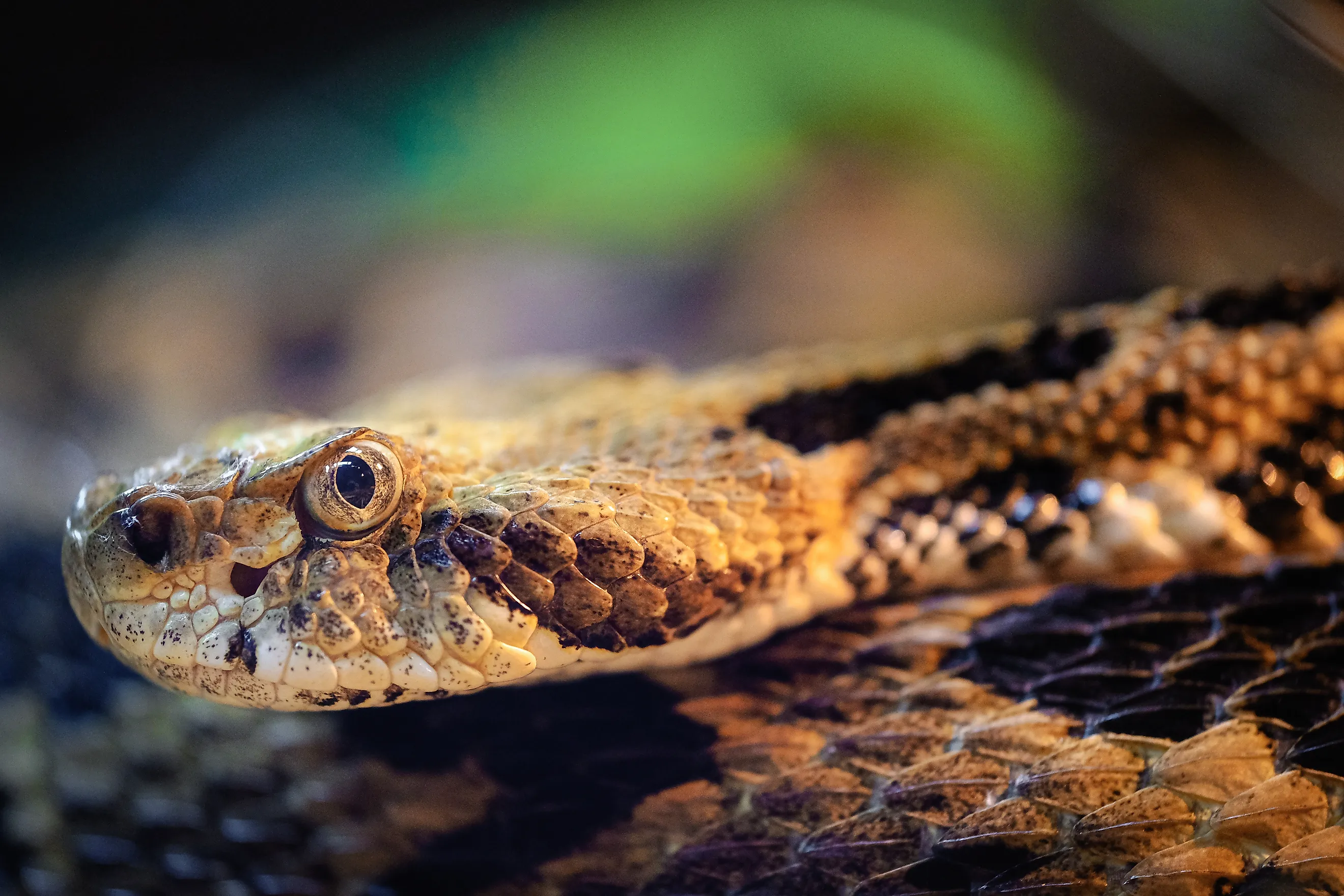
Straddling the border of Pennsylvania and New Jersey, the Delaware Water Gap National Recreation Area spans over 70,000 acres. It is one of the most reliable, and most visited, places in the Poconos to encounter timber rattlesnakes. These are large, heavy-bodied snakes that typically grow between 3 and 5 feet, with tan, gray, or yellowish backgrounds overlaid with dark, jagged crossbands. Their tails end in a well-developed rattle, and their keeled scales give a distinctly rough appearance.
This species, which makes up the majority of rattlesnakes in the northeastern corner of the country, favors the park's steep slopes, forested ridgelines, and sunlit talus fields, where they can thermoregulate and hunt openly. Dens are often located in the park's abundant fractured rock outcrops. Sightings increase from late spring through early fall, especially along less-trafficked trails and exposed ledges. Hikers during these months should be extra cautious around rocky overlooks and avoid stepping over logs without first checking the far side.
Hickory Run State Park

Hickory Run State Park covers nearly 16,000 acres and contains another extensive habitat well suited to timber rattlesnakes. The park's mix of dry, rocky ridges and dense hardwood forest provides ideal denning and hunting conditions. One of the most notable features here is the Boulder Field, a large expanse of broken rock that creates countless crevices used for shelter and temperature regulation.
Surrounding slopes and less-traveled sections of local trails also see periodic snake activity, particularly in the warmer months when individuals move between den sites and foraging areas. Resident timber rattlesnakes rely on small mammals commonly found in the park's interior forests. Visitors are most likely to encounter them near sunlit rocks or fallen logs, where snakes, including other native species like eastern garter snakes, often pause to absorb heat before retreating into cover.
State Game Lands 13

Spanning more than 49,000 acres, State Game Lands 13 supports one of the most substantial wildlife populations in the region. The area is defined by its rolling hills, remote forest tracts, and extensive rock outcrops that attract hunters, big game, and rattlesnakes alike.
Timber rattlesnakes here are most active after the snow melts in spring and remain so through fall, often spotted basking along logging roads, meadow clearings, and ridge-top openings. High prey availability helps sustain the population, with small mammals such as red squirrels, chipmunks, and rodents making up the bulk of their diet. The area also includes trails like the Heberly Run Waterfalls Trail, which spans nearly three miles and passes multiple falls, along with plenty of rocky cover where rattlesnakes may be resting out of sight.
Promised Land State Park

This lakeside park spans roughly 3,000 acres and hosts a variety of wetlands, upland forests, and other environments that support rattlesnakes. While much of Promised Land is known for its lakes and bogs, the drier, elevated sections, especially along glacial deposits and stone-strewn slopes, provide suitable habitat for timber rattlesnakes.
These snakes use fractured rock and root systems for shelter, emerging in warmer months to hunt rodents along forest edges and trail corridors. Timber rattlesnakes can live upward of 25 to 30 years in the wild, making them one of the longest-lived snake species in North America. Activity tends to peak in late spring and summer, especially in quieter backcountry areas away from the main recreation zones. Encounters are most likely near tall grasses, brushy clearings, and transitional zones between wet and dry terrain.
Big Pocono State Park

Overlooking the region from the summit of Camelback Mountain, Big Pocono State Park provides a textbook setting for timber rattlesnakes. The park's steep slopes, thin soils, and high rock ledges create stable conditions for hunting, denning, and movement, particularly along south-facing exposures that receive the most sunlight. These features allow timber rattlesnakes to regulate body temperature efficiently while remaining close to cover.
The elevation, which reaches over 2,100 feet at the summit, and the rugged terrain limit heavy disturbance, helping sustain a persistent population in a relatively confined area. Sightings are more likely in quieter sections of the park, particularly near exposed rock shelves, talus slopes, and along less-traveled trails that branch away from the main summit road.
Tobyhanna State Park

Tobyhanna State Park covers over 5,400 acres and combines glacial terrain, mixed forests, and scattered rock formations that suit timber rattlesnakes well. While much of the park centers on wetlands and the namesake lake, the surrounding ridges and dry, rocky patches offer ample habitat.
Old railroad grades, utility corridors, and lightly used service roads create open, sunlit strips that attract snakes during active months. Unlike more rugged parts of the Poconos, sightings here often occur in flatter territory where forest meets disturbed ground, sometimes near campgrounds, boat launches, and the popular Tobyhanna Lake Beach. The 170-acre lake also provides favorable conditions along its banks, with hiding spots and cooler areas nearby. While bites are rare, timber rattlesnake venom is primarily hemotoxic and can cause significant tissue damage, making awareness especially important in these more accessible areas.
Watch Your Step This Summer in the Poconos
Rattlesnakes remain a consistent presence in select parts of the Poconos, where rugged terrain and suitable habitat align. Uneven ground, limited human development, and strong prey bases all contribute to repeat sightings year over year in these areas. Knowing where optimal conditions occur helps explain why certain parts of these mountains stand out, and it may also help visitors better understand how these dwindling cold-blooded predators remain vital to the greater ecosystem.