12 Best Towns In New York To Retire Comfortably
New York's reputation for being expensive doesn't hold up once you leave the metro orbit. Housing outside the metros runs $170,000 to $385,000 with local hospitals and downtowns that still function as downtowns. The twelve in this list cover most corners of New York. Saranac Lake sits deep in the Adirondacks. Plattsburgh runs along Lake Champlain. Canandaigua, Geneva, and Oneonta anchor the Finger Lakes and northern Catskills. Each offers something different for retirement years. All twelve share affordable entry, accessible care and rooted communities.
Canandaigua

At the north end of Canandaigua Lake, Canandaigua takes its name from the Seneca language, and the lake is still very much the center of things. A typical home runs near $385,000, and F.F. Thompson Hospital, part of UR Medicine Thompson Health, handles local medical needs. Down at Canandaigua City Pier, old boathouses line the water and open onto broad lake views, the kind of spot where it's easy to lose an afternoon. Sonnenberg Gardens & Mansion State Historic Park adds another layer to the city's appeal, with an 1887 Queen Anne mansion, formal gardens, and seasonal tours worth exploring. Evenings out tend to split between Fort Hill Performing Arts Center downtown and CMAC, the Constellation Brands-Marvin Sands Performing Arts Center, which draws larger touring acts to an open-air venue close to the shore.
Glens Falls

Glens Falls sits on the Hudson River near the southeastern Adirondacks, with a compact downtown that punches above its weight in arts and culture. Haviland Cove Park offers residents a quick waterfront escape, with a sandy beach, picnic areas, and easy Hudson River views without much effort. Houses settle around a midpoint of roughly $250,000, and Glens Falls Hospital handles emergency and specialty care. The Hyde Collection is the cultural anchor, showing European and American art inside the historic Hyde House, while the Charles R. Wood Theater keeps the calendar full with plays, live music, and touring productions. The Shirt Factory, a renovated industrial complex turned creative hub, rounds things out with artist studios, small shops, and maker spaces scattered through the building.
Plattsburgh

Plattsburgh lines the western shore of Lake Champlain, and its history runs deep. The city played a central role in the War of 1812, culminating in the 1814 Battle of Plattsburgh. For a shoreline community, housing stays comparatively modest, with a midpoint sale figure around $240,000, and Champlain Valley Physicians Hospital, part of the University of Vermont Health Network, is right in town. The War of 1812 Museum tells that military story well, and Point au Roche State Park offers a completely different kind of day out, with beaches, wooded trails, serious birding habitat, and wide Adirondack panoramas across the water. Back in town, the restored 1924 Strand Center Theatre keeps things lively with live music, films, and civic events, and Champlain Centre handles the practical shopping side of things.
Oswego

Oswego sits where the Oswego River spills into Lake Ontario, giving the city both a working waterfront feel and genuinely wide-open views. Homes here are among the more affordable in the region, with a median value near $170,000, and Oswego Hospital covers local medical needs. Fort Ontario State Historic Site is the obvious landmark, with ramparts, exhibits, and a military history that stretches back centuries. Just down the way, Breitbeck Park offers a quieter pace, with benches, walking routes, and especially good sunset outlooks over the harbor. The H. Lee White Maritime Museum digs into Oswego's canal, shipping, and lighthouse heritage, and The River's End Bookstore has held its own downtown as a spot for browsing, readings, and the kind of neighborhood gathering that independent bookstores tend to anchor.
Geneva

At the north end of Seneca Lake, Geneva has a particular mix that's hard to pin down, part college town and part Finger Lakes wine country, with a historic downtown that ties it together. The Smith Opera House, restored from an 1894 original, is the cultural centerpiece, hosting live music, films, and stage events throughout the year. Recent figures put the median residential price around $215,000, and Geneva General Hospital handles local care. When the weather cooperates, Seneca Lake State Park is the natural gathering point, with shoreline paths, picnic spots, and broad water views in every direction. Belhurst Castle draws visitors out to a stone mansion for lodging, dining, and wine tastings, while Three Brothers Wineries and Estates manages to cover wine, beer, cider, and nonalcoholic options all on one property, a useful stop for groups with mixed tastes.
Corning

Corning follows the Chemung River through a narrow valley, and almost everything about the city connects back to glass in some way. Homes sit around a market midpoint of $180,000, and Guthrie Corning Hospital handles emergency and specialty services. The Corning Museum of Glass is the obvious starting point, with live glassblowing demonstrations, an extensive collection spanning art, design, and centuries of history, and exhibits that manage to make the science of glass genuinely interesting. A few blocks away, the Gaffer District's Market Street pulls people in with Centerway Square, restaurants, shops, and Vitrix Hot Glass Studio. The Rockwell Museum, housed in a nearby former municipal hall, shifts the focus to American art, with a strong collection of Western and Native American works. For something quieter, Spencer Crest Nature Center sits above the city with wooded trails, ponds, and birding routes worth the short drive up.
Oneonta

In Otsego County near the northern Catskills, Oneonta has a rhythm shaped by its colleges, its modest downtown, and, come summer, a steady stream of youth baseball families passing through. The median house price is near $250,000, and A.O. Fox Hospital, part of Bassett Healthcare Network, covers local health services. Wilber Park, near downtown, features wooded walking paths, Applebaugh Gardens, picnic areas, and a quiet, old-fashioned park feel. The Swart-Wilcox House Museum, the oldest surviving structure in the city, gives some grounding in the region's frontier-era past. Summer is when Cooperstown All Star Village really dominates the area's energy, drawing families from across the country, while Foothills Performing Arts & Civic Center keeps the calendar moving with music, theater, and public events year-round.
Auburn

Auburn sits near the north end of Owasco Lake, and for a city of its size, it carries an unusual amount of national history. Harriet Tubman National Historical Park preserves the home where the abolitionist spent her later years, and Seward House Museum tells the story of William H. Seward just a short distance away. Together, the two landmarks make Auburn worth a dedicated visit. The midpoint residential value is about $190,000, and Auburn Community Hospital serves the city, with larger Syracuse facilities a reasonable drive away. Emerson Park stretches along the lake with lawns, a pier, and water access, and in summer, The REV Theatre Company brings musical theater to the Merry-Go-Round Playhouse there. Downtown, Prison City Pub & Brewery has become a reliable neighborhood anchor for craft beer and casual meals.
Watertown

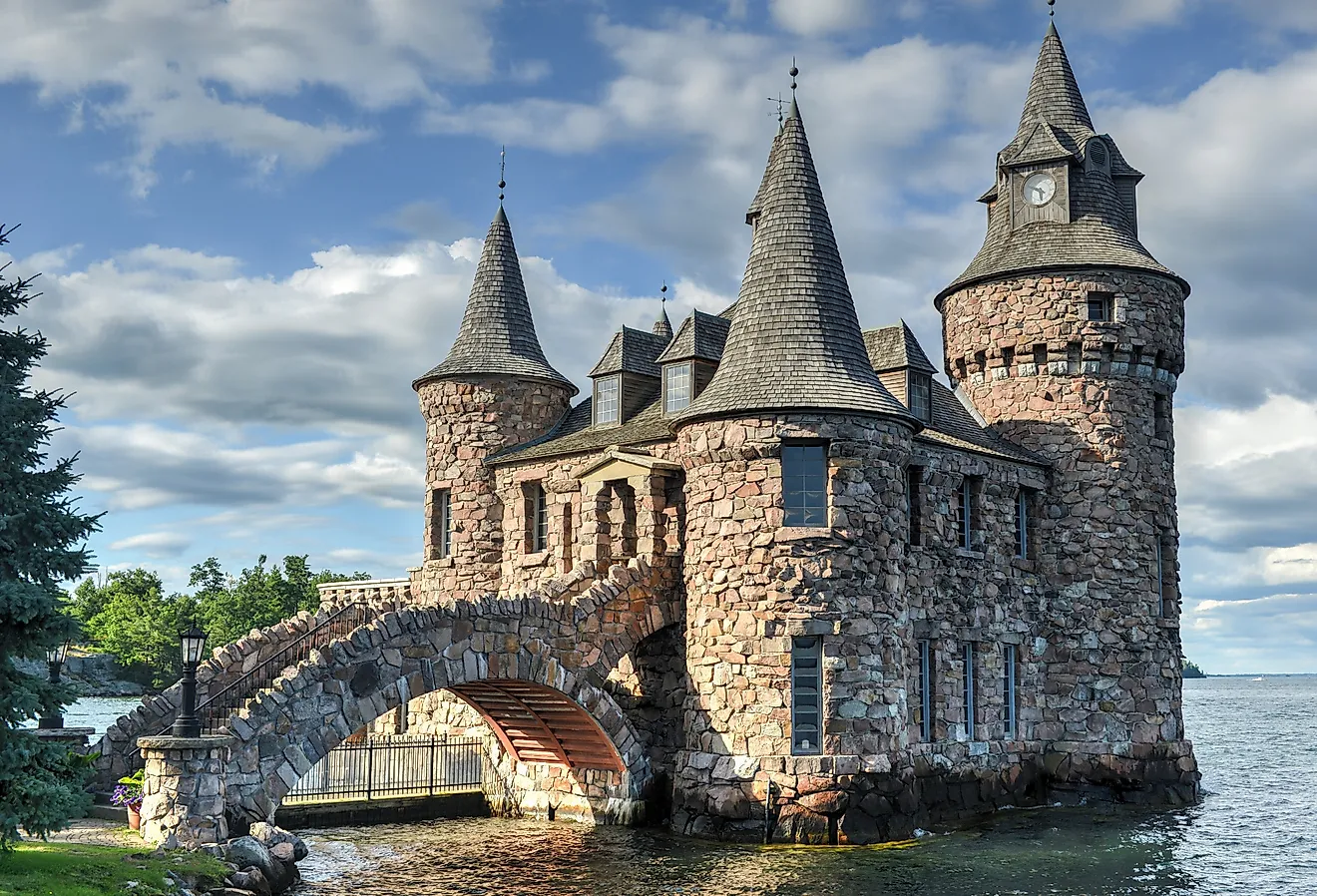
On the Black River, Watertown sits less than an hour from the Thousand Islands and close enough to Fort Drum that the base shapes a good deal of the local economy. Public Square anchors downtown, with the Soldiers and Sailors Monument at its center and restored commercial buildings lining the perimeter. Median home prices are roughly $190,000, and Samaritan Medical Center provides nearby healthcare. Thompson Park, shaped by Olmsted-era design, offers shaded paths, skyline views, and a connection to Zoo New York, making it a popular family stop. The Jefferson County Historical Society remains based in the historic Paddock Mansion downtown, though public museum operations have been paused, making it a place to check on rather than count on for a drop-in visit. The Black River also gives Watertown a niche that not many small cities can claim: when whitewater season hits, it draws paddlers and spectators to the riverbanks running through the city.
Lockport

Lockport exists because of the Erie Canal, specifically because engineers needed a way to move boats up and down the Niagara Escarpment, and the answer was the "Flight of Five" locks. That heritage is still very much alive here, giving the city a more distinctive identity than many similarly sized western New York towns. Housing is below many nearby markets, with median prices near $210,000, and Catholic Health's Lockport Memorial Hospital serves nearby medical needs. Lockport Locks & Erie Canal Cruises takes passengers directly through the waterway, and the Erie Canal Discovery Center explains the engineering and history of the canal. The Historic Palace Theatre brings films, live shows, and public performances downtown, and Niagara Produce of Lockport fills a practical but well-liked role as a local stop for groceries, deli items, plants, and garden supplies.
Batavia

Batavia sits squarely between Buffalo and Rochester, close enough to both that either is an easy day trip, but settled enough in its own identity that it doesn't feel like a suburb of either. Recent figures put the median home price at around $180,000, and Rochester Regional Health's United Memorial Medical Center provides local health services. The Holland Land Office Museum traces the city's 19th-century role as the western New York headquarters of the Holland Land Company, a piece of history that continues to shape this part of the state. DeWitt Recreation Area offers fishing, paddling, and walking paths around a former quarry pond that has become a genuinely pleasant public space. On the livelier end, Batavia Downs Gaming & Hotel offers harness racing, live entertainment, and gaming, while Terry Hills Golf Course and Banquet Facility covers the 18-hole and event space sides of things.
Saranac Lake

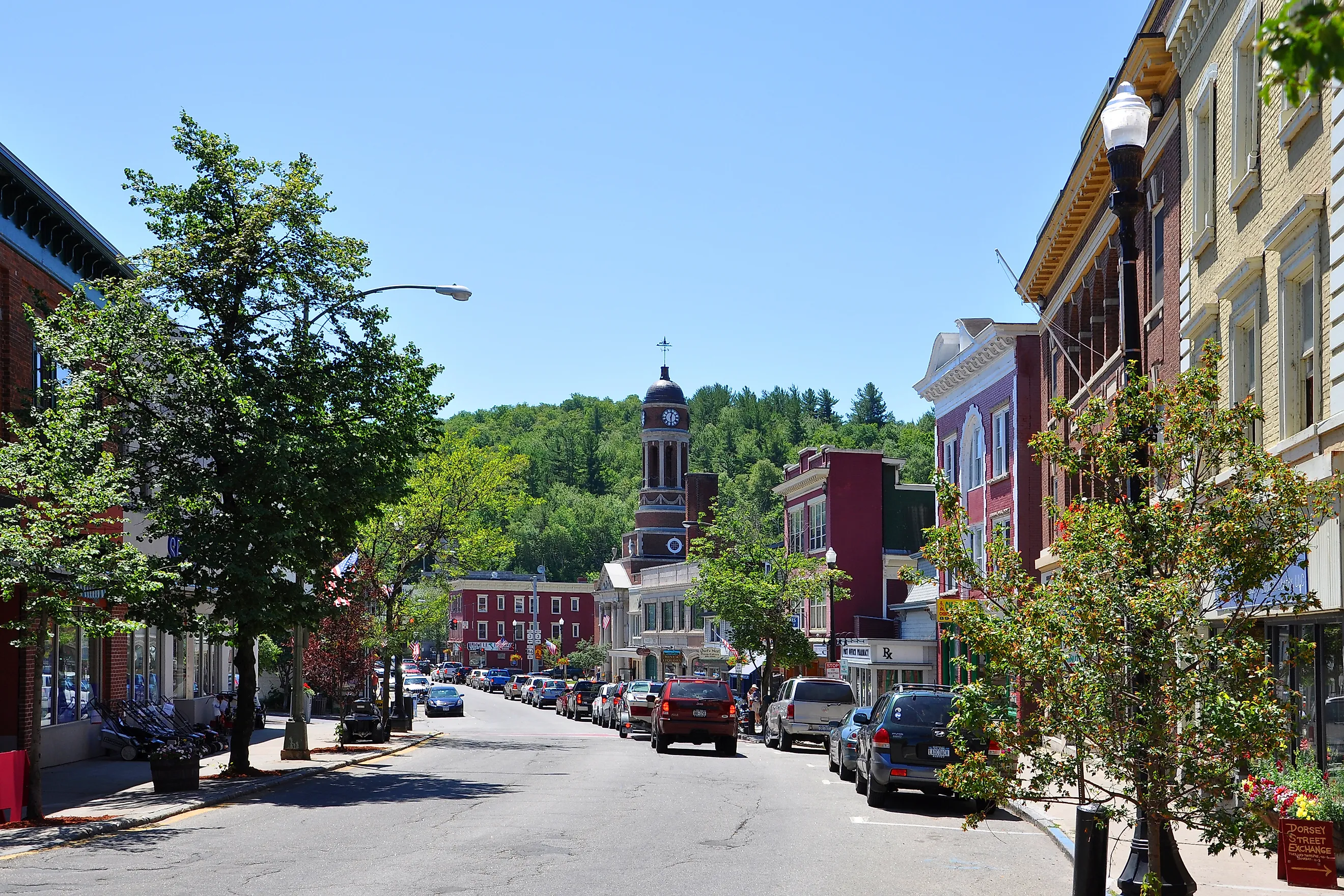
Saranac Lake sits deep in the Adirondacks, roughly between Lake Placid and Tupper Lake, with the village surrounded on all sides by lakes, mountains, and forest. That setting comes at a price, with the median home price near $375,000, pushed up by limited housing supply and the area's enduring appeal. Adirondack Health's Adirondack Medical Center provides emergency care, specialists, and routine services without requiring a long drive out of the mountains. The village has an unusual past worth knowing: for decades, it was a national center for tuberculosis treatment, and the Saranac Laboratory Museum preserves that history in ways that are more compelling than the subject might suggest. A hike up Baker Mountain rewards with summit views over nearby waters and the High Peaks, short enough to be accessible and rewarding enough to justify the effort. Back in the village, the restored 1927 Hotel Saranac anchors the downtown, and the Adirondack Carousel, with its hand-carved animals inspired by regional wildlife, is the kind of local institution that tends to stick with visitors long after the trip.
Whether it's a lakeside perch in Canandaigua, a walkable arts scene in Glens Falls, or deep Adirondack quiet in Saranac Lake, New York's smaller cities offer something genuinely rare: affordable entry points, accessible healthcare, and communities built around actual daily life, not just scenery. The right town isn't the prettiest one. It's the one that keeps you comfortable, connected, and curious well into the years ahead.