5 Most Rattlesnake Infested Areas in The Rockies
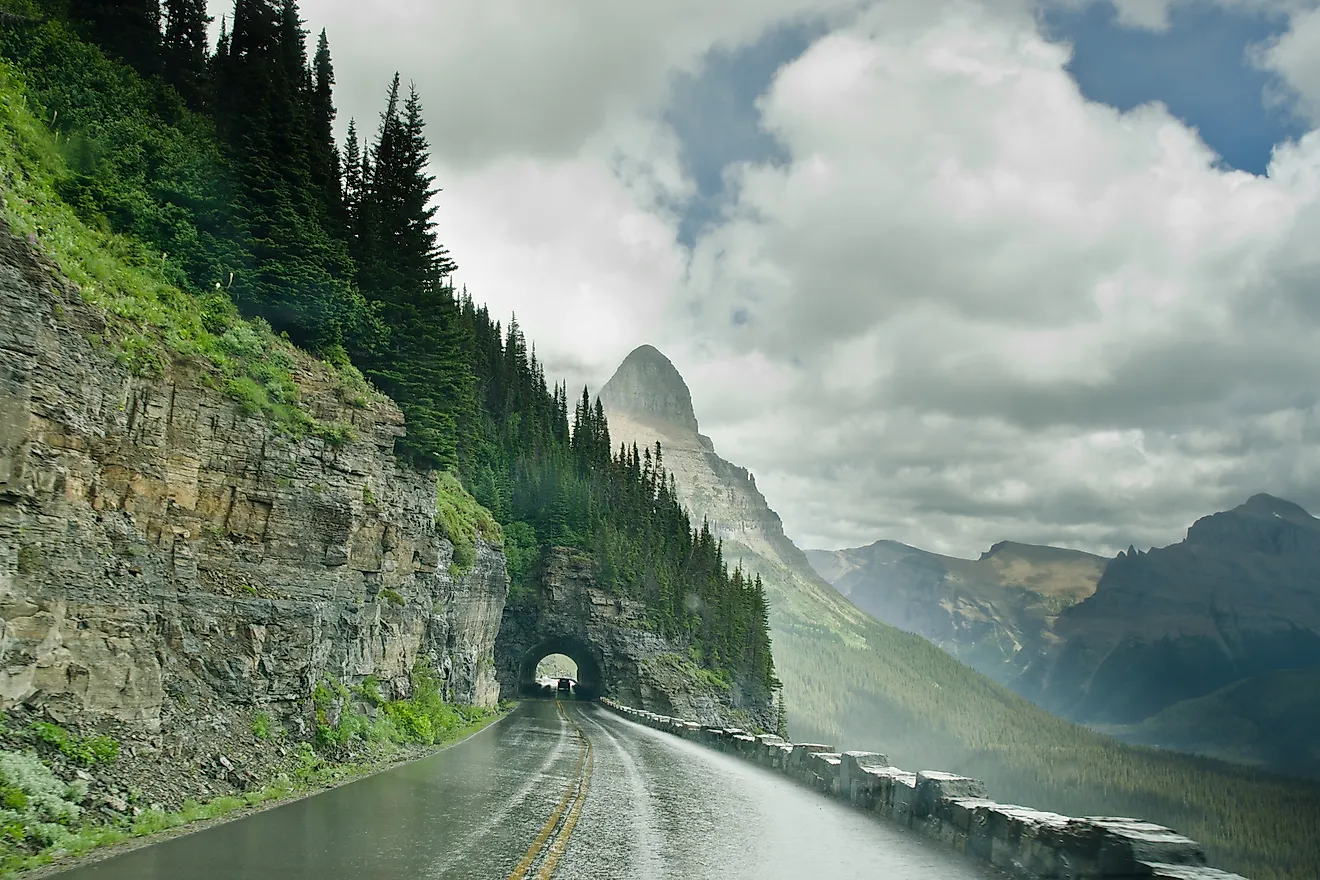
Running all the way from Canada to the northern section of New Mexico, the Rocky Mountains support a vast array of ecosystems from deserts to prairies to cold alpine slopes. The most common species you'll find here are the prairie rattlesnake and western rattlesnake. Towards the New Mexico region, you might also find the large Western diamondback rattlesnake, or the small mottled rock rattlesnake, or the massausaga rattlesnake in southeastern Colorado.
These rattlesnakes play a key role in their ecosystems by keeping certain pest populations like mice under control and preventing prairie dogs from overpopulating the land. In the vast majority of cases, these snakes will ignore humans or use their rattles to warn humans to stay away. However, if a person ignores these warnings or accidentally steps on them, it can lead to a bad bite. If left untreated, many of these rattlesnakes are capable of killing a human with their venom. The best way to prevent this from happening is simply being aware of where you might encounter rattlesnakes. Here are 5 of the most rattlesnake-infested areas in the Rockies to be on the lookout for them.
Lake Pueblo State Park

Sitting at more than 4,800 feet above sea level in Pueblo, Colorado, is the reservoir Lake Pueblo. It was created by the Pueblo Dam, constructed in the 1970s on the Arkansas River. The reservoir has 60 miles of shoreline with a maximum depth of 135 feet.
This Rockies destination has two marinas for boating, alongside fishing spots and a swim beach. Through the park, one can see the Greenhorn and Wet mountain ranges of the larger Rockies. The most popular recreational activities here are hiking the 15.4 miles of trail or fishing for carp, bass, white suckers, and various types of catfish.

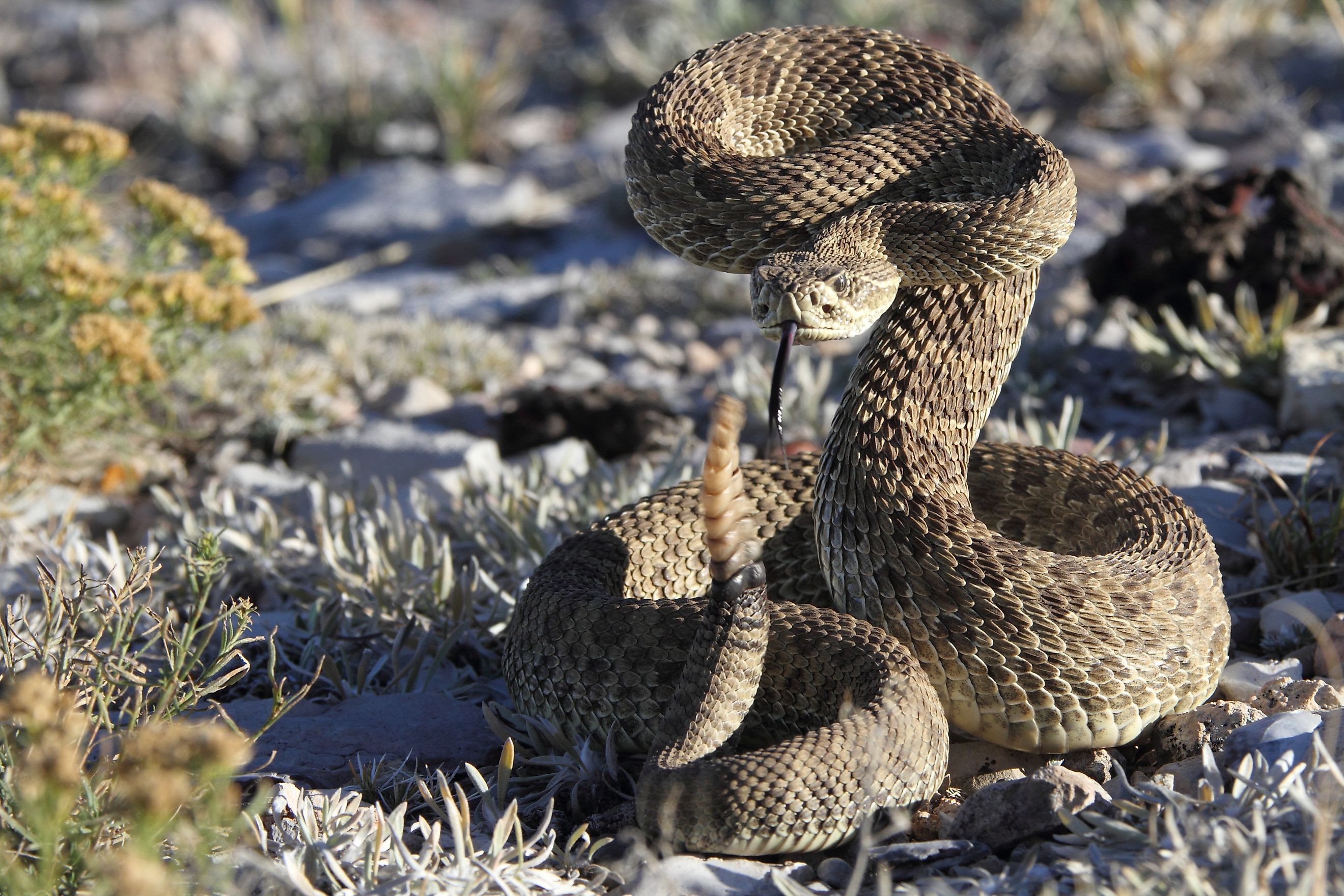
However, these trails are known to contain prairie rattlesnakes. Also known as the Great Plains Rattlesnake, it can be found throughout the western United States, Canada, and Mexico. They can grow up to 3.3 feet in length and typically have a light brown body with darker dorsal blotches. They prefer the ground but can climb and swim. Their venom contains toxins that target both the bloodstream and nervous system.
Yellowstone River

This massive tributary of the Missouri River stretches for 671 miles in Montana, Wyoming, and North Dakota. It also formed multiple canyons in the heavily visited Yellowstone National Park. The river flows through many mountains in the Rocky Mountains, such as the Absaroka Range in Wyoming. The river served as a transportation hub for Native Americans and their hunting grounds. Currently, the river is one of the most popular fishing destinations in the U.S., with its vast number of trout.

There's more than just trout that swim through the Yellowstone River. Prairie rattlesnakes are also commonly seen in these waters and in the Yellowstone National Park. They commonly come out during hot days to cool off in the water, as rattlesnakes are cold-blooded. This means their internal temperature is directly impacted by the external temperature.
Bighorn Canyon National Recreation Area

Sitting along the border between Montana and Wyoming, Bighorn Canyon National Recreation Area consists of nearly 120,300 acres. One of its most visited places is Bighorn Lake, a reservoir created by Yellowtail Dam. Much like the Yellowstone River, it has a wide variety of trout for fishing. The hiking trails pass through many different environments, such as up a mountain on the Sykes Mountain Trail, down into the canyon by the Mouth of the Canyon Trail, or over to a small Bighorn River island at the Barry's Island Trail.

The wildlife here is equally diverse. There are packs of wild horses descended from Spanish horses that escaped into this landscape or were released by Native Americans. Prairie rattlesnakes can also be found throughout the park. They typically eat small mammals, nesting birds, lizards, prairie dogs, or smaller snakes. The snake has hollow fangs to inject venom into its victims. It will inject as much as 20 to 50% of its stored venom at a time. This amount can kill a human.
Garden of the Gods

Located within Colorado Springs, Colorado, the Garden of the Gods is a visually striking destination with dramatic red rock formations, formed during a geological upheaval known as the Laramide Orogeny in prehistoric times. When European surveyors first saw this place in 1859, one said this land would make a great beer garden, and his colleague responded that it was more fitting as a garden for the Gods, and the name stuck.
Today, the Garden of the Gods is one of the top-rated parks in the U.S., with visitors travelling for thousands of miles just to hike through the trails via the Perkins Central Garden Trail or the Ridge Trail to the foot of The Sleeping Giant rock.

This garden is also ideal for prairie rattlesnakes. Hikers and park authorities have reported that these snakes are particularly prevalent on trails during warm weather as they come out to bask in the sunlight. The snake is skilled at detecting heat with its heat-sensitive pits, which is why it knows when to come out into the sunlight and retreat. It has the longest range of any rattlesnake in the U.S.
Florissant Fossil Beds National Monument

Many well-preserved fossils are found in the Rocky Mountains, and fine examples are found in the Florissant Fossil Beds National Monument, located between Aspen and Colorado Springs. It consists of many insect and plant fossils from the Eocene era, 34 million years ago. These fossils were preserved due to volcanic ash from the Thirtynine Mile volcanic field, which fell into a lake, preserving dead plants and animals. The name itself comes from the French word for flowering, speaking to its fossilized flowers.
Some of its fossils are quite large, such as petrified redwood stumps, some of which are 12 feet wide. The petrified wood is one of the most visited sites here, on the Petrified Forest Loop Trail. The monument has 14 miles of hiking trails.

At the lower elevations, snakes abound in the monument, including the nonvenomous Western terrestrial garter snake and the Western rattlesnake. Also known as the northern Pacific rattlesnake, it ranges in size from 39 inches to 64 inches. There's a lot of variety in this species as far as coloration goes, from dark brown to pale yellow, decorated with dark blotches with white edges. Its venom is its primary weapon as it can eventually paralyze prey that escape its initial bite.
These rattlesnakes slither through the mountains
As you travel through the Rockies, whether that's on a mountain trail, by a lake, or fishing by the Yellowstone River, it's important to be aware that there are also rattlesnakes slithering through the Rocky Mountains. It's not too difficult to avoid being bitten, as American rattlesnakes tend not to be aggressive towards humans. However, it's important to be aware of these snakes and take precautions such as never hiking alone and wearing good-quality footwear that can protect your feet in case you step on one of these creatures. Lastly, be aware that it is illegal throughout the U.S. to harass or harm any snake.