8 Coolest Towns in Minnesota for a Summer Vacation
Summer in Minnesota means water. People head to rivers, lakes, and northern wilderness when the snow finally clears. The eight towns ahead each pair a different waterway with a downtown of their own. Some sit along the state's major rivers while others meet the northern shoreline. The lineup runs across central Minnesota and northward.
Northfield

Northfield sits along the Cannon River with around 35 city parks for summer outdoor time. Carleton College's Cowling Arboretum spans roughly 800 acres with trees, a scenic bridge, parts of the Cannon River floodplain, and about 10 miles of hiking trails. The Japanese Garden Jo-Ryo-En sits on the campus as a quieter walk. The Cannon River itself draws kayakers, canoers, and anglers all summer. Ames Park and Babcock Park add picnic areas, walking trails, and sports facilities, and Grant Park and Hauberg Park round out the local park scene.
Ely

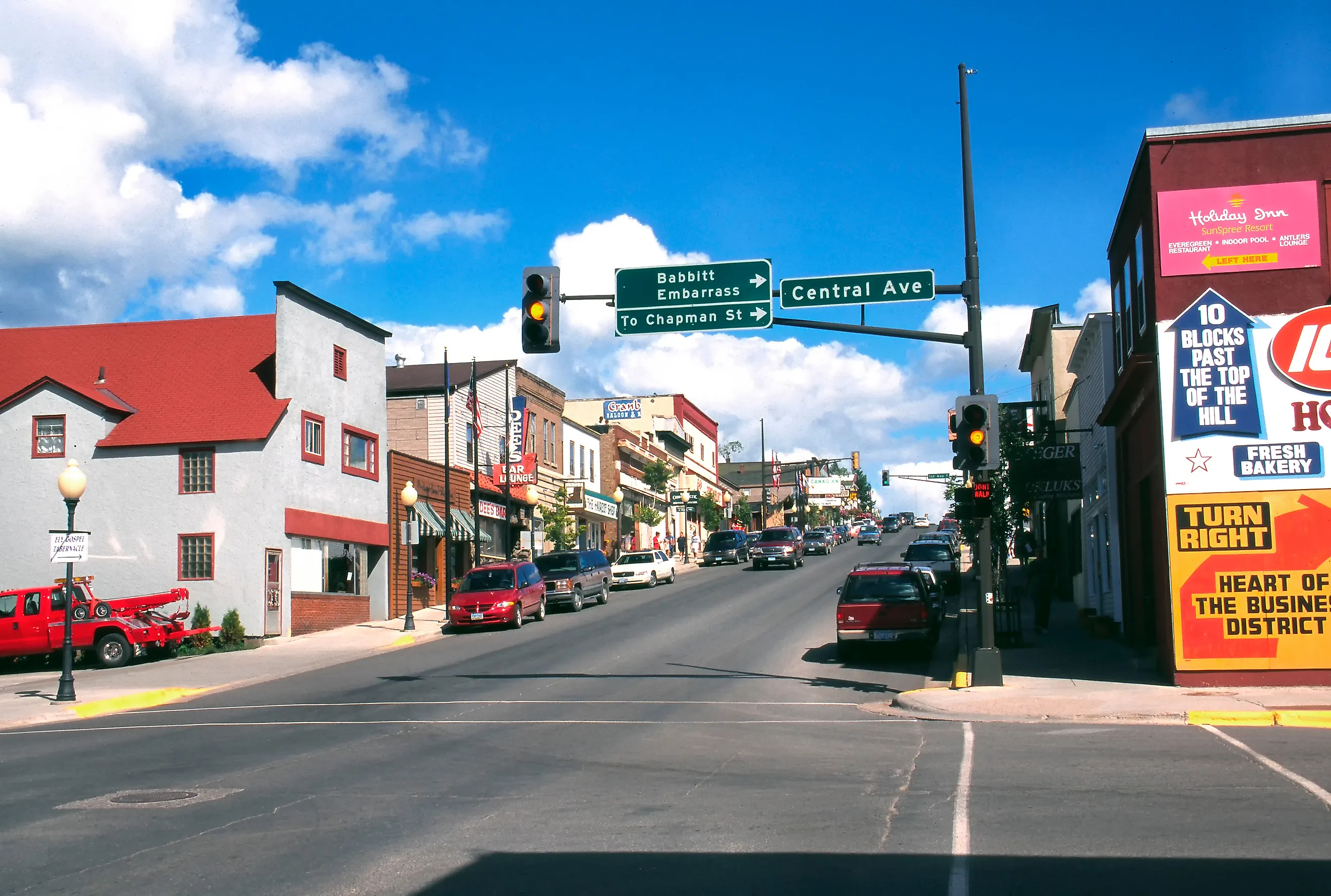
Ely serves as the main gateway town to the Boundary Waters Canoe Area Wilderness, with the surrounding lake country fueling the entire summer economy. The Dorothy Molter Museum honors the Boundary Waters resident known as the Root Beer Lady who lived there until 1986. The Ely-Winton Historical Society preserves regional history, while the Art & Soul Gallery & Gift carries work from local artists. The Ely Folk School runs classes in traditional crafts and skills throughout the summer.
The International Wolf Center and the North American Bear Center give visitors close looks at the region's black bears and wolf populations. Bear Head Lake State Park sits just outside town with picnic shelters, a swimming beach, and several lakes for canoeing and fishing.
Stillwater

Stillwater sits along the St. Croix River and is often called the birthplace of Minnesota for hosting the 1848 territorial convention. River cruises operate throughout the summer, and the St. Croix River Loop Trail passes the Stillwater Lift Bridge with views of the river and surrounding valley. Square Lake Park nearby offers hiking, kayaking, swimming, and boating.
History buffs can stop by the Warden's House Museum or climb the Stillwater Stairs, a set of about 100 steps with hilltop views over the river. Teddy Bear Park works well for families, and the Stillwater Art Guild Gallery showcases regional artwork along Main Street.
Lake City

Lake City fronts Lake Pepin, a 22-mile natural widening of the Mississippi River and the spot where waterskiing was invented in 1922. The lake itself runs the whole summer agenda: fishing, boating, swimming, kayaking, sunset watching, and sunbathing. Ohuta Beach and Park hosts the annual Lake City Summer Festival each August. The park includes a playground, riverwalk, and public sculpture. A separate local riverwalk runs the length of Lake Pepin in town for leisurely lakefront walks. Fort Beauharnois Roschen Park works for boating and picnicking, and Peter's Park covers the local sports scene.
Winona

Winona sits along the Mississippi River with Sugar Loaf, a 500-foot limestone bluff, watching over the town and Lake Winona. The lake at the bluff's base works for picnics, photographs, and watersports throughout the warm months. Garvin Heights Park higher up gives panoramic views over the river, town, and bluff. The Minnesota Marine Art Museum holds marine-themed artwork from local and international artists. Nearby Wabasha adds the Castle Rock Museum, which houses an extensive collection of medieval European arms and armor, and the National Eagle Center, where visitors can learn about the bald eagle up close.
Red Wing

Red Wing sits along the Mississippi River with Barn Bluff rising 400 feet over downtown for hiking, sightseeing, and climbing. The bluff is sacred to the Dakota people and overlooks the river and Lake Pepin nearby. Lake Pepin itself is the widest natural lake on the Mississippi, with fishing, kayaking, canoeing, picnicking, and boating across its 22 miles.
Back in town, Pottery Place Antiques pulls steady foot traffic, and museums fill out the historic side: the Red Wing Marine Museum, the Red Wing Shoes Museum, and the Pottery Museum of Red Wing all cover different chapters of the town's industrial past. Popular spots for food include Red Wing Cafe, Smokin Oak Rotisserie & Grill, and Bev's Cafe.
Two Harbors

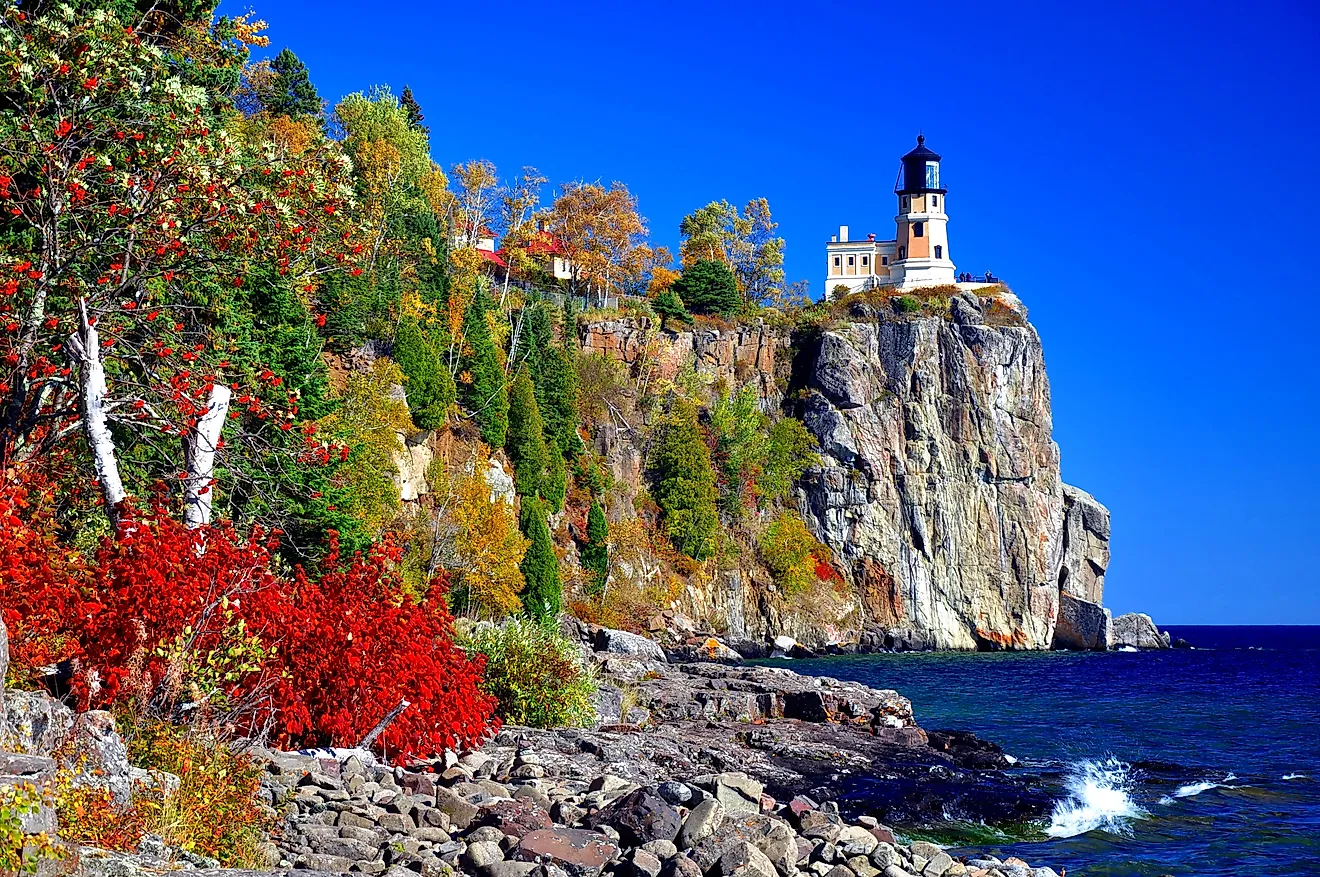
Two Harbors sits on the shores of Lake Superior with easy access to the lake's headline state parks. Split Rock Lighthouse State Park sits along the North Shore and features one of the most photographed lighthouses in the country. Gooseberry Falls State Park nearby has waterfalls, scenic overlooks, more than 20 miles of hiking and biking trails, swimming areas, and campsites. The Two Harbors Lighthouse Museum operates inside the oldest operating lighthouse in Minnesota, built in 1892 on Agate Bay. Northwoods Pioneer Gallery & Gifts in town offers a stop for arts and crafts shopping.
Grand Marais

Grand Marais sits on the northwestern shores of Lake Superior as another Boundary Waters Canoe Area Wilderness entry point. The wilderness covers more than a million acres of glacier lakes, virgin forests, streams, and hiking trails for summer hiking, fishing, canoeing, and night sky viewing. Judge C.R. Magney State Park nearby holds the Brule River, nine miles of hiking trails, and the famous Devil's Kettle waterfall. Artist's Point in town is a rock peninsula running into Lake Superior for sunrise and sunset views. The Grand Marais Art Colony, founded in 1947 and one of the oldest in the state, draws painters and printmakers for workshops and exhibits all summer long.
Minnesota's Summer Town Lineup
Minnesota's small communities deliver summer access to the state's lakes, rivers, and northern wilderness without the crowds of bigger destinations. The eight stops above each offer their own combination of waterways, history, parks, and arts scenes. Some lean fully into outdoor adventure while others run on historic downtowns and museums. Picking one as a long-weekend base usually means uncovering the next on the way home.