9 Towns In Georgia That Are Ideal For Seniors
Georgia exempts Social Security benefits and up to $65,000 of retirement income per person over age 65 from state income tax. The state has no estate or inheritance tax. The cost of living runs about 7% below the national average. The major metros grab the headlines, but smaller Georgia towns deliver the same tax advantages alongside walkable downtowns and Blue Ridge Mountain access. Most of the towns ahead sit within an hour or two of a major medical center. Nine Georgia towns stand out for retirees who want the financial advantages with a smaller-town pace.
Clayton

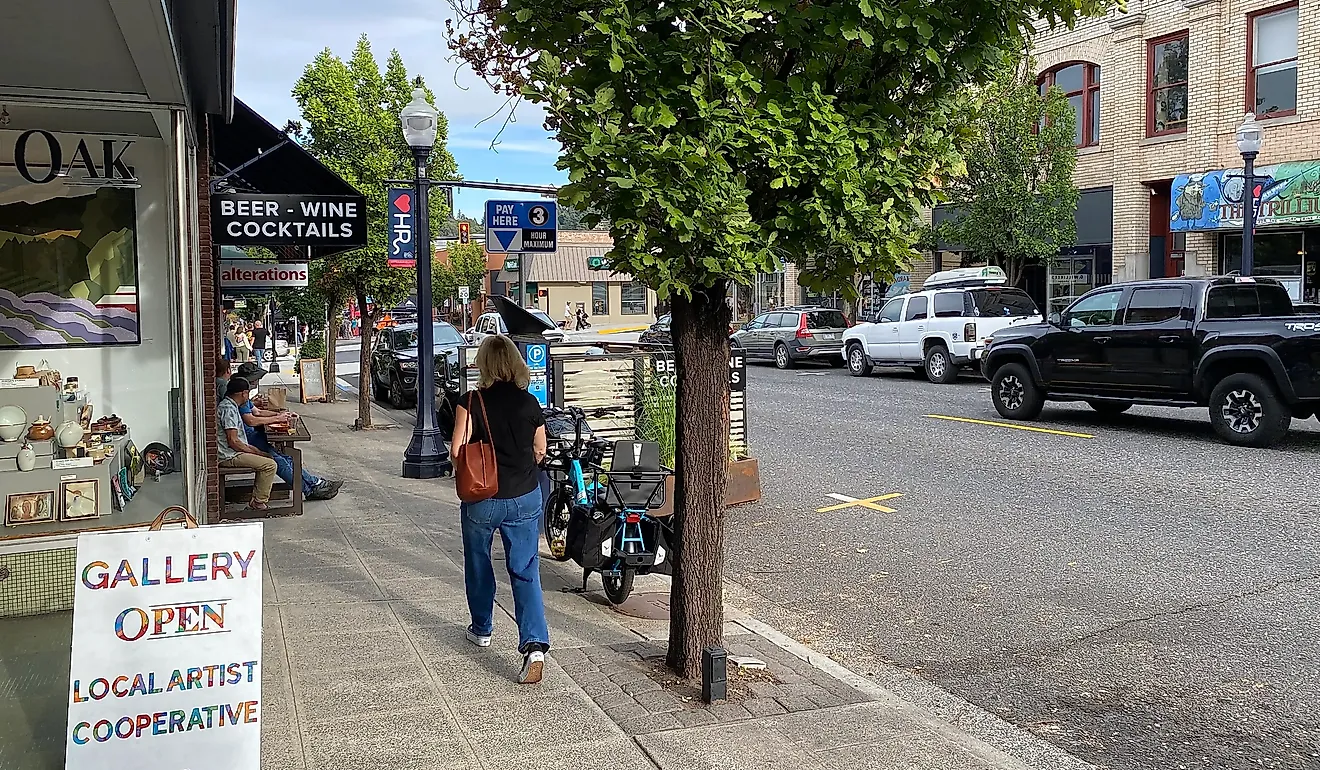
Black Rock Mountain State Park, the highest state park in Georgia at 3,640 feet, sits a short drive from downtown Clayton with overlooks across the Blue Ridge and a 10-mile network of hiking trails. The town markets itself as the Farm to Table Capital of Georgia and runs a calendar of food-focused festivals across the year, including the late-summer Hot Dog Days and the early-fall Mountain Music & Medicine Show. Approximately 39% of Clayton's residents are 55 or older, which makes the social calendar reliably full of peer-group activities and meet-ups.
Screamer Mountain, a 3,000-foot peak that the locals named for the sound the wind makes through the gaps, encircles the south end of town. Atlanta sits about two hours south on I-985 and Highway 365 for big-city medical and cultural access when needed. Crime rates in Clayton run well below state and national averages, a quality-of-life factor that consistently shows up in retiree surveys of the area.
Madison

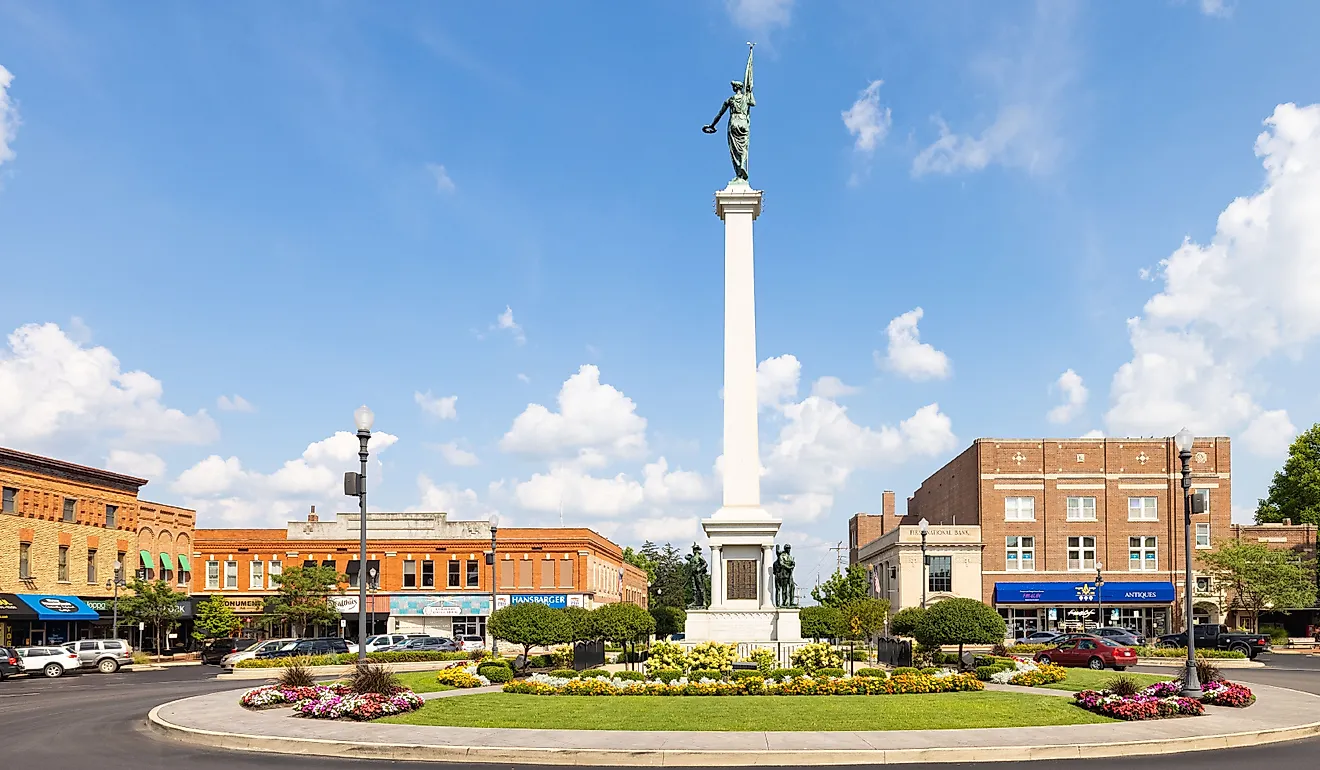
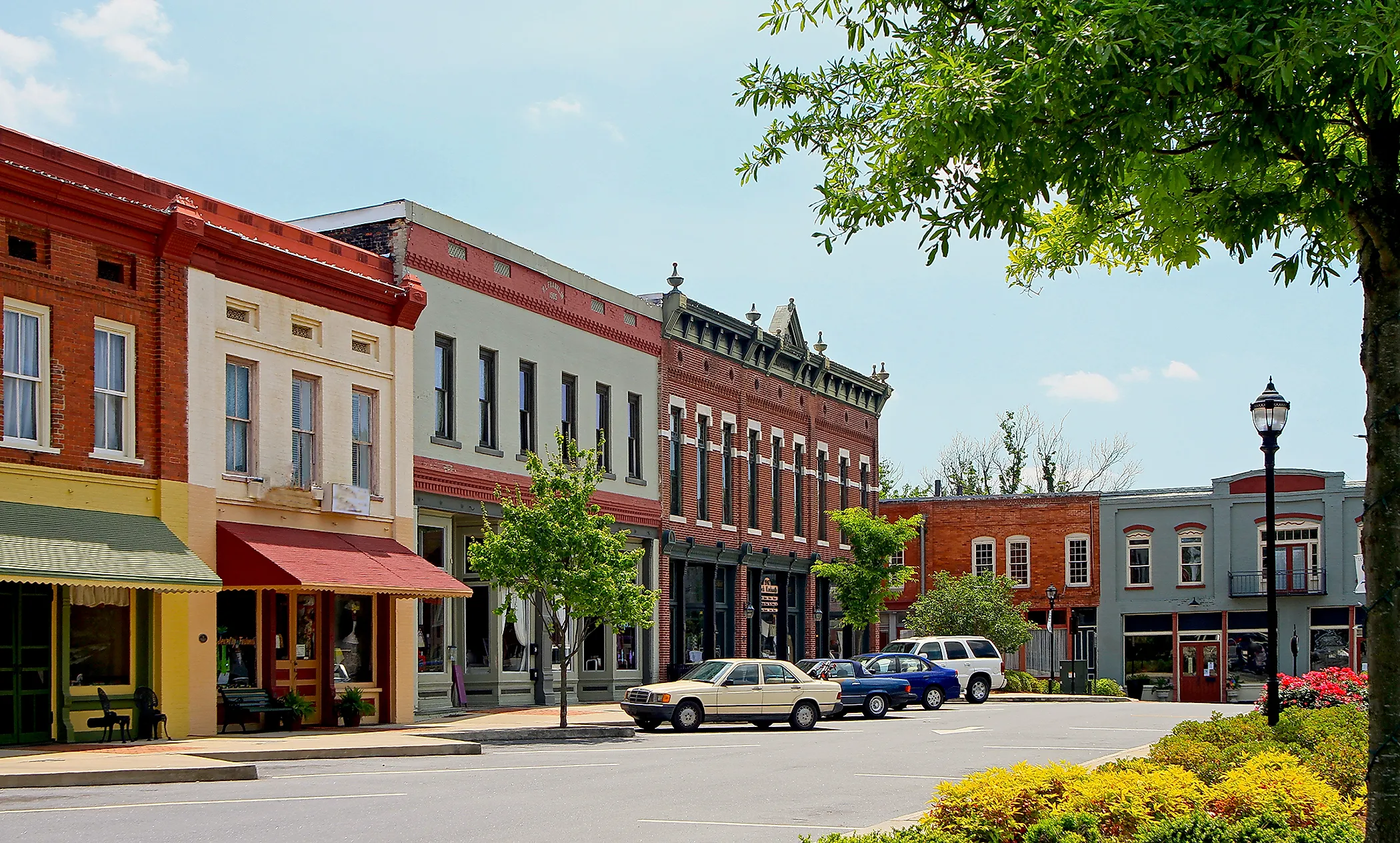
Madison, the seat of Morgan County, sits about 60 miles east of Atlanta on Interstate 20 and has built its identity around one of the largest historic districts in Georgia. Antebellum and Victorian homes line the streets around the courthouse square, and most of the town falls inside the National Register district, which keeps the storefronts, gardens, and tree canopy intact. The Madison-Morgan Cultural Center, housed in an 1895 Romanesque-Revival schoolhouse, anchors the local arts calendar with exhibitions, concerts, and theater. Travel Holiday magazine named Madison the number-one small town in America in 2001, and the downtown square still runs locally owned restaurants, antique shops, and the kind of flat, walkable blocks that suit residents who would rather not drive everywhere.
Incorporated in 1809 and named for President James Madison, the town is popularly called the one Sherman refused to burn, though historians credit its survival less to its looks than to Joshua Hill, a pro-Union former U.S. senator who lived in Madison and was an acquaintance of the general's brother. Lake Oconee, about 20 minutes south, opens up boating, golf, and waterfront living for residents who want it. For medical care, Athens lies roughly 30 minutes northeast, where Piedmont Athens Regional handles specialized treatment, and Atlanta is about an hour west for anything beyond that.
Peachtree City

Peachtree City was built as a master-planned community in Fayette County, and its defining feature is a network of more than 100 miles of paved paths that let residents run errands, reach the lakes, and visit neighbors by golf cart instead of by car. More than 10,000 households own one, and the paths tie the town's villages, shopping, parks, and three lakes together without touching the main roads. The arrangement traces back to 1974, when the state, at the city's request, exempted the carts from standard motor-vehicle rules. For retirees, the practical result is a town where daily life does not depend on getting behind the wheel.
About 38,200 people live in Peachtree City, and roughly 21% of them are 65 or older, well above the statewide share. The Frederick Brown Jr. Amphitheater runs a summer concert season, and the town keeps three golf courses, a tennis center, and public pools alongside the lakes. Piedmont Fayette Hospital sits just north in neighboring Fayetteville for everyday and specialized care, and Hartsfield-Jackson International Airport is about 22 miles up the road, a useful detail for residents who travel often. Fayette County's older county seat, Fayetteville, keeps a historic courthouse square; Peachtree City offers the opposite model, a town designed from scratch around open space, water, and the cart paths that tie it together.
Fayetteville

Fayetteville sits about 22 miles south of Atlanta with a population of roughly 19,900 and a reputation as one of the calmer southern suburbs of the metro. The downtown still runs around the 1825 Fayette County Courthouse, the oldest functioning courthouse in Georgia. Trilith Studios, the film and television production campus that has hosted productions including the Marvel and Disney+ catalogs, sits on the south side of town and has driven a wave of mixed-use development in the surrounding neighborhoods.
Residents 55 and older make up approximately 33% of Fayetteville's population, and most live in low-density neighborhoods with quiet streets and mature trees. The town's parks system runs more than 200 acres of public green space, with Lake Horton Park and Lake Kedron Park as the two largest for fishing, walking, and birdwatching. Atlanta's Hartsfield-Jackson International Airport sits about 15 minutes north on Highway 314, the practical detail that comes up for retirees who plan to travel often.
Gainesville

Northeast Georgia Medical Center, headquartered in Gainesville, has been recognized multiple times by Healthgrades as one of America's 50 Best Hospitals for Cardiac Surgery and runs the largest hospital system in the broader region with more than 850 beds. Gainesville itself runs about 42,200 residents and serves as the industrial and regional hub of north Georgia. The Atlanta Botanical Garden's Gainesville campus, a 168-acre satellite of the Atlanta location, opened in 2015 with cultivated gardens and woodland trails.
Lake Lanier, the 38,000-acre reservoir built in 1956, runs along the eastern edge of Gainesville with marinas, swim beaches, and a 692-mile shoreline that holds 10 state parks and dozens of public boat ramps. Brenau University, founded in 1878 in downtown Gainesville, runs continuing education programs and a steady cultural calendar of theater and music open to the broader community. The Blue Ridge Mountains begin within a 30-minute drive north for hiking and weekend mountain getaways.
Blairsville

Lake Nottely, a 4,180-acre Tennessee Valley Authority reservoir, holds 106 miles of shoreline and one of the best smallmouth bass and walleye fisheries in the southeastern United States, with a public swim beach and several marinas just outside Blairsville. The town itself runs about 700 residents and sits in the middle of the Blue Ridge Mountains in Union County. Brasstown Bald, the highest peak in Georgia at 4,784 feet, rises 10 miles south with an observation tower and visitor center.
Residents 55 and older make up approximately 24% of Blairsville's population, with a tight-knit community of farmers' market regulars and trail-club members. Gainesville is about an hour south for medical access at Northeast Georgia Medical Center and bigger-town amenities. The Vogel State Park, just south of Blairsville, was developed by the Civilian Conservation Corps in the 1930s and runs 22 miles of hiking trail through old-growth hardwood forest.
Thomasville

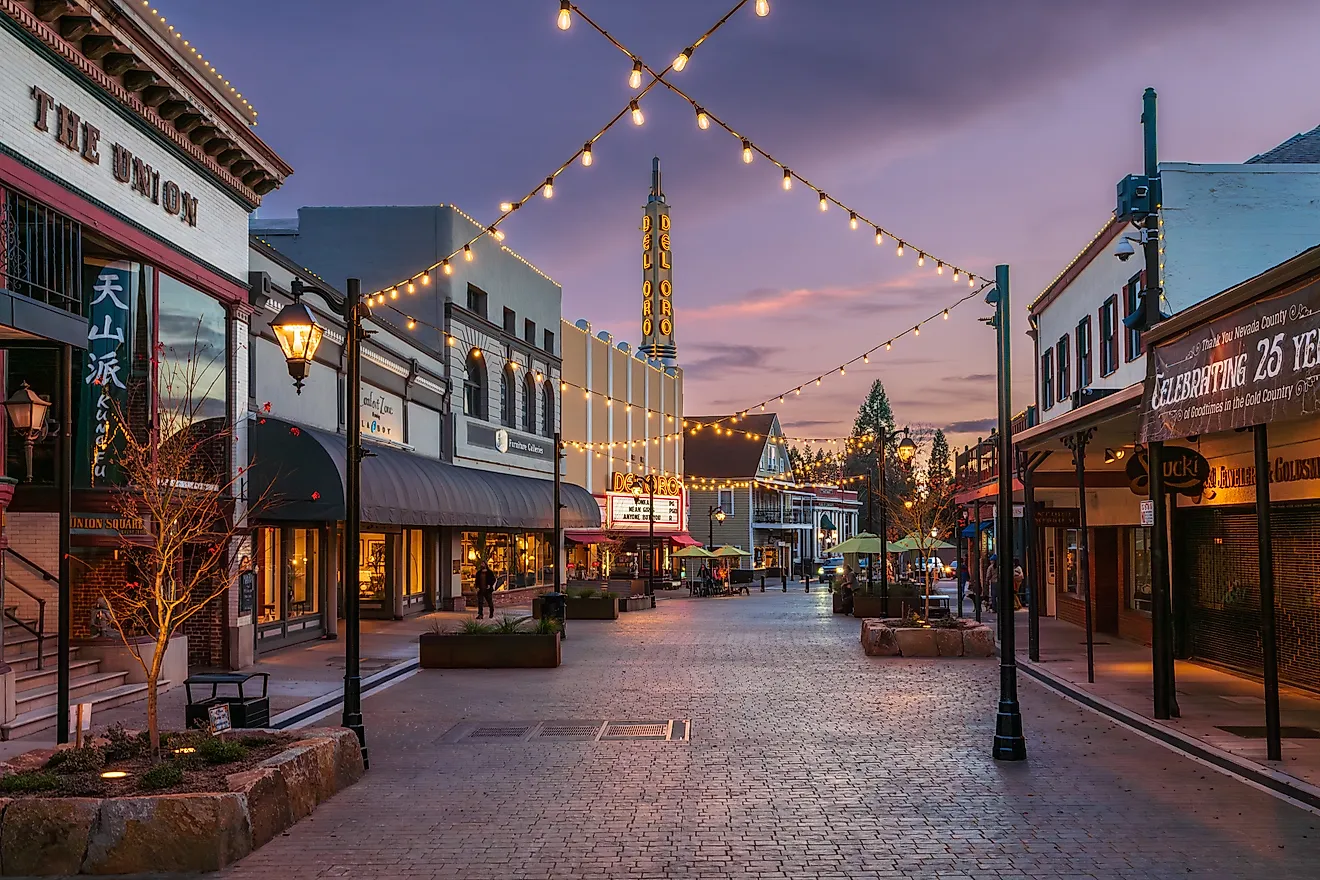
Thomasville anchors the southwest corner of Georgia near the Florida line, and its brick-paved downtown is the reason it lands on so many best-of lists: a dense, walkable core of locally owned shops and restaurants with a year-round events calendar that peaks with the Rose Festival each spring, the legacy of the town's City of Roses nickname. The Big Oak, a live oak at the corner of Monroe and Crawford streets estimated to date to around 1680, has its own civic following. In the late 1800s, wealthy Northerners wintered here, and the Victorian homes and nearby estates they left behind, including Pebble Hill, still shape the look of the place.
About 18,900 people live in Thomasville, with a wider metro area of roughly 45,000. The standout for retirees is Archbold Memorial, one of the most comprehensive hospitals in southern Georgia, with cardiac, cancer, neurosurgery, and orthopedic programs that most towns this size cannot offer locally. The cost of living runs low even by Georgia standards, and Tallahassee, Florida, about 35 minutes south, adds a commercial airport and a second set of big-city amenities. Founded in 1825 and named for War of 1812 general Jett Thomas, Thomasville is the rare small Georgia town that pairs a genuinely historic downtown with hospital care to match.
St. Simons

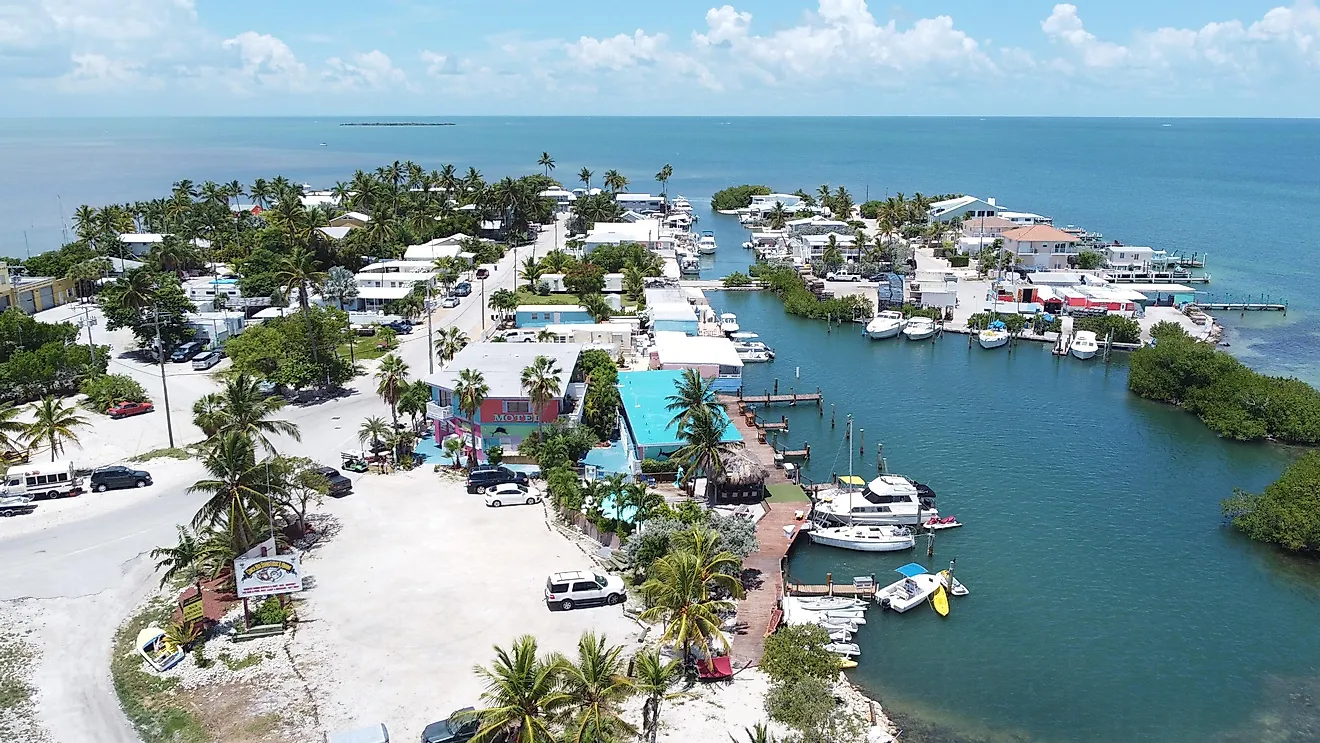
The St. Simons Lighthouse, built in 1872 to replace an earlier structure destroyed during the Civil War, stands 104 feet tall at the south end of the island and remains an active U.S. Coast Guard navigational aid. The island, one of the Golden Isles of Georgia along the Atlantic coast, runs approximately 15,800 year-round residents and stretches about 12 miles end to end. Pier Village, the historic downtown, holds the pier, the lighthouse, Neptune Park, and the dense restaurant cluster.
According to Niche, residents 55 and older make up an impressive 51% of the island's year-round population, the highest concentration of any Georgia destination on this list. Cycling is the dominant local transportation, with dedicated bike lanes and the 14-mile St. Simons Bike Path running through the maritime forest. Savannah sits about an hour and 20 minutes north for additional medical and cultural amenities, and Brunswick, the mainland county seat just across the F.J. Torras Causeway, holds a larger commercial base for everyday needs.
Adairsville

Adairsville sits on Interstate 75 about an hour northwest of Atlanta and an hour southeast of Chattanooga, giving retirees easy access to two major metro areas from a town of about 4,800 residents. Barnsley Resort, the historic 1840s estate of cotton merchant Godfrey Barnsley, runs a Jim Fazio-designed 18-hole golf course, formal European gardens, and an on-property restaurant. Residents 55 and older make up approximately 31% of the town's population.
The Bartow County downtown along Public Square is small, with brick storefronts and the 1903 Adairsville Depot, but it runs a weekly farmers' market through the warmer months. Pine Log Wildlife Management Area, just southeast, opens 14,054 acres of forested ridges to walking, birdwatching, and seasonal hunting. The town hosts the annual Great Locomotive Chase Festival each October to mark the Civil War event that began nearby when Union spies hijacked the General locomotive in 1862.
Choosing Among Georgia's Retirement Towns
The tax picture is identical in all nine towns: the Social Security exemption, the retirement-income exclusion, and the absence of an estate tax travel with you anywhere in Georgia. What actually separates these places is the trade-off between access and quiet. Gainesville and Thomasville put a major hospital inside the city limits, and Peachtree City and Fayetteville sit close enough to Atlanta's airport and specialists to make frequent travel and complex care straightforward. Clayton, Blairsville, and Madison give up some of that proximity in exchange for mountain trails, lake frontage, and historic streets where the pace is slower and housing costs less. St. Simons offers the coast and the oldest population of the group. The decision usually comes down to how often a retiree expects to need a city, and how much quiet they want on the days they do not.