6 Most Rattlesnake Infested Areas in Louisiana
Louisiana’s iconic swamps and forests are home to over 45 species of snakes, including the timber rattlesnake and the pygmy rattlesnake. The Eastern diamond-backed rattlesnake often appears on lists of snake species in the state, but it is extremely rare. While snake season in Louisiana typically runs from April through July, many snakes begin emerging from winter brumation (a reptilian form of hibernation) in early spring in search of food, mates, and warm, rocky ledges to bask on. Spring also draws outdoor enthusiasts out of human hibernation, eager to explore Louisiana’s natural beauty. Anyone heading into the great outdoors anytime soon should be snake-aware when venturing into these six rattlesnake-infested areas of Louisiana.
Kisatchie National Forest

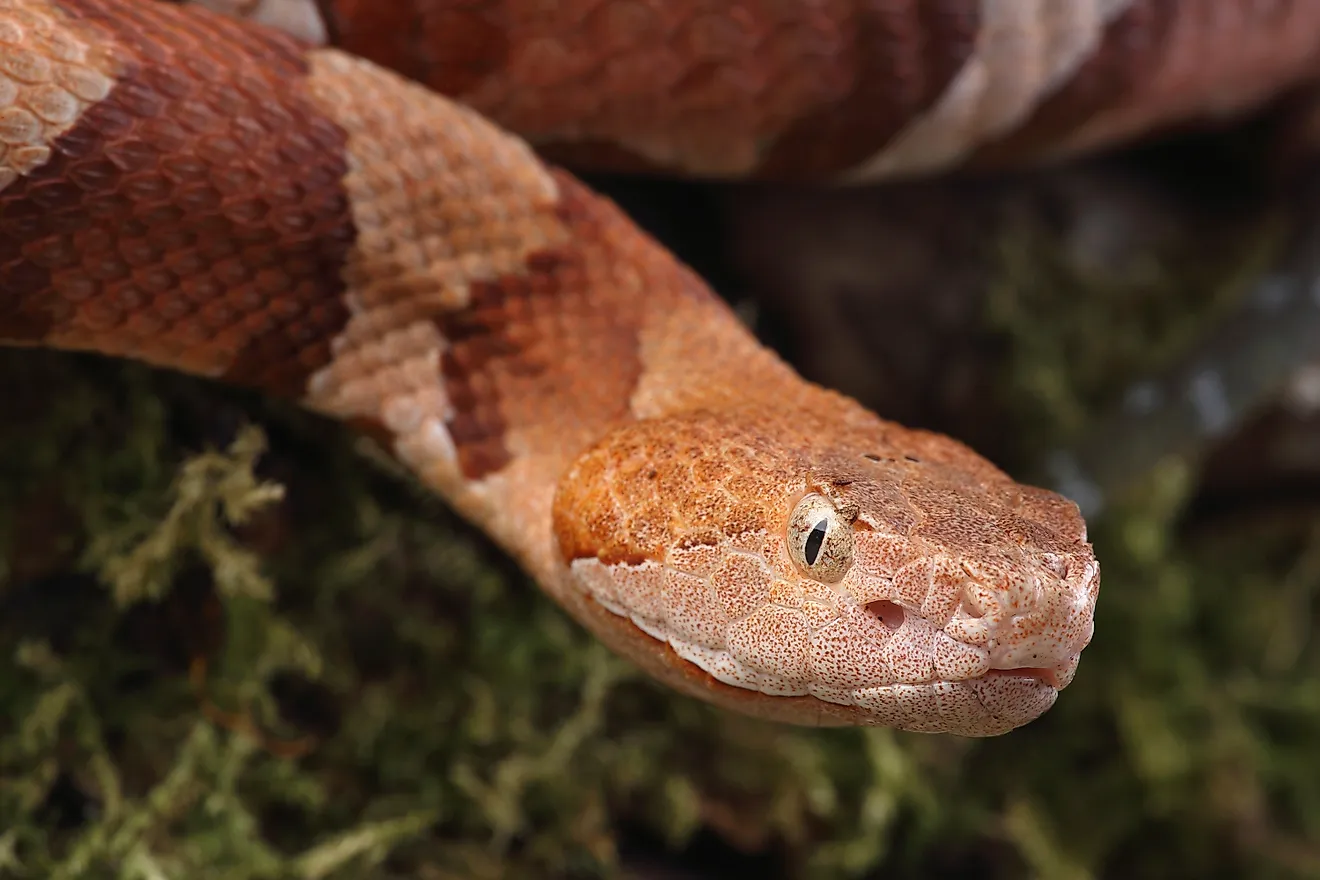
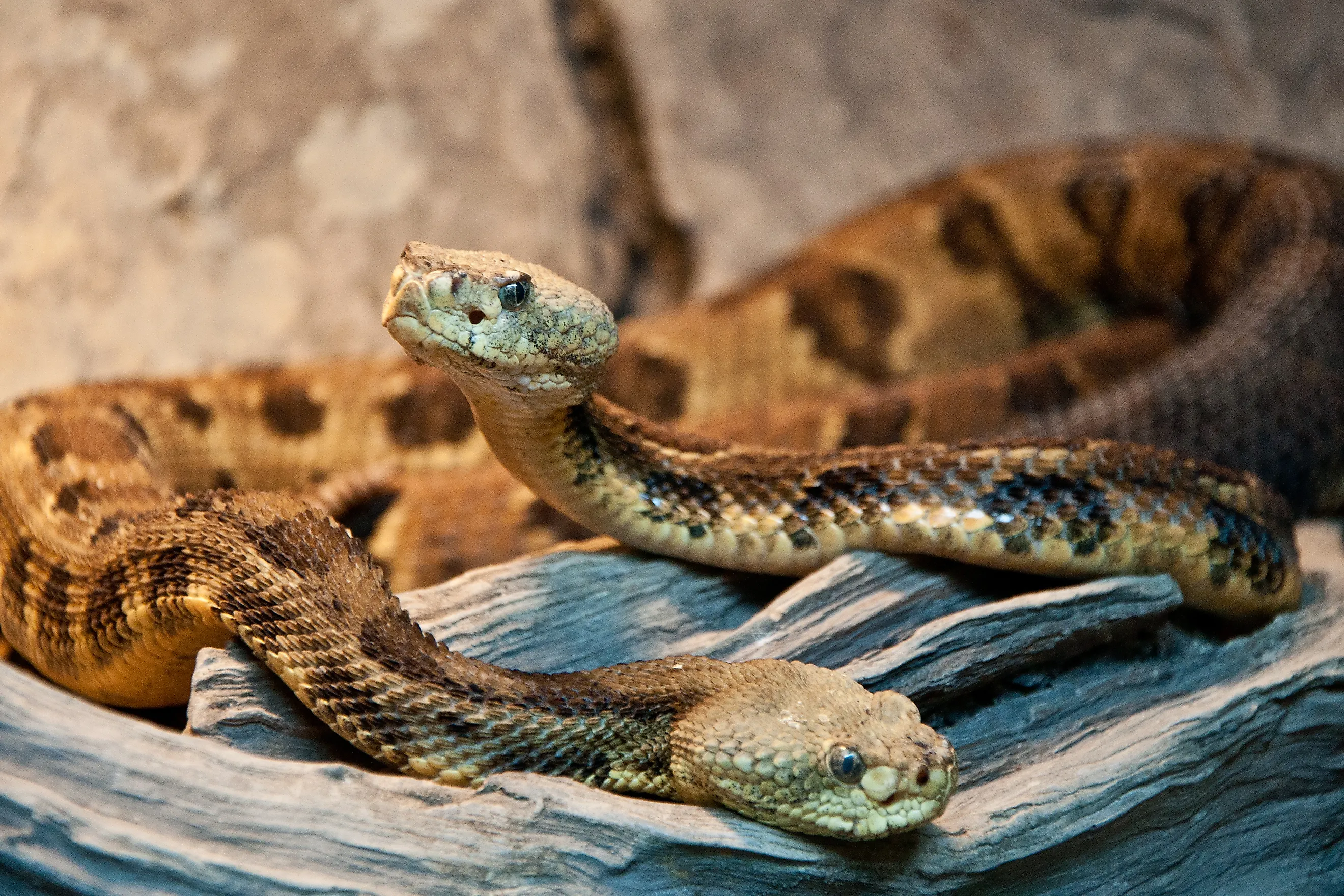
The Kisatchie National Forest spans over 604,000 acres and is divided into five distinct Ranger Districts. Louisiana’s only national forest, known for its pine hills, hardwood bottoms, and bayous, is home to a large variety of the state’s 45+ species, including rattlesnakes. Although no one ranger district records more rattlesnakes than another, the rocky hills and pine forests of the Calcasieu Ranger District make ideal habitat for timber rattlesnakes, where they can bask on warm rocks or hide on ledges, waiting for prey. The timber rattlesnake is the most common viper, easily distinguished by a chevron pattern along its body, but it is not known to be especially aggressive. Hikers should listen for the telltale warning rattle when exploring the national forest.
The district is divided into two units, the Evangeline Unit in the east and the Vernon Unit in the west, both offering fantastic recreational opportunities, including swimming, boating, and hiking near Kinkaid and Valentine Lakes in the Kincaid Lake Recreational Area. Avid hikers will want to add the 24-mile Wild Azalea National Trail to their bucket list, enjoying several segments as day hikes or splitting the trip into a two-day hike and pitching a tent under the stars. It is the longest contiguous trail in the state and is a designated National Recreational Trail (NRT), recognized for its scenery and long-distance hiking opportunities.
Atchafalaya Basin

The Atchafalaya Basin is the largest river swamp in the United States, comprising almost one million acres of bottomland hardwoods, swamps, lakes, and bayous, and stretching 140 miles from Simmesport, Louisiana, to the Gulf of Mexico. About 65 species of reptiles and amphibians inhabit the basin, including two rattlesnake species, the timber and pygmy, that thrive in the basin’s mix of cypress swamps and natural levees, where they can bask and hunt for small mammals and frogs. Timber rattlesnakes typically grow between 4 and 5 feet long, and come in colors like light gray, tan, or brown. Pygmy rattlesnakes are smaller than the timber pit viper and often have a rust-colored stripe running down the middle of their dark-spotted body.
There are so many ways to explore this strikingly beautiful and atmospheric part of the state, from birding for almost 400 species to paddling the 135-mile Bayou Teche Paddle Trail. This historic water trail was once considered the only route from the Gulf of Mexico to the heart of Louisiana before roads were developed. Today, the Teche is a top destination for fishing, kayaking, boating, and swimming, winding its way through four parishes, over a dozen towns, and multiple access points with boat launches, before emptying into the Atchafalaya Basin. With primitive campsites dotting the shoreline, paddlers can plan multi-day trips, keeping in mind that the swamp and wooded areas are home to rattlesnakes.
Lake Claiborne State Park

Lake Claiborne State Park sits along the southern shore of Lake Claiborne, a picturesque 6,400-acre waterway situated halfway between Shreveport and Monroe. A popular freshwater fishing hotspot, stocked with largemouth bass, bluegill, black crappie, and more, the park also plays host to two top-ranked 18-basket disc golf courses in the state, the 2.6-mile Whitetail and the Dogwood courses.
Golfers are reminded to keep an eye out for the smaller pygmy rattlesnakes while navigating the fairways or before picking up a golf ball in rough areas like tall grass. Golf courses mimic the kind of habitat favored by pygmy rattlesnakes because they have lots of transition zones, like woods to open grass to the edges of ponds, which are ideal for ambush hunting. Although the average pygmy rattlesnake is only about 20 inches long, its venom is highly toxic and can cause severe tissue damage, requiring immediate medical attention. Bites from the small rattlers are rare, as most encounters on the links happen when a golfer accidentally steps near one looking for balls in the rough.
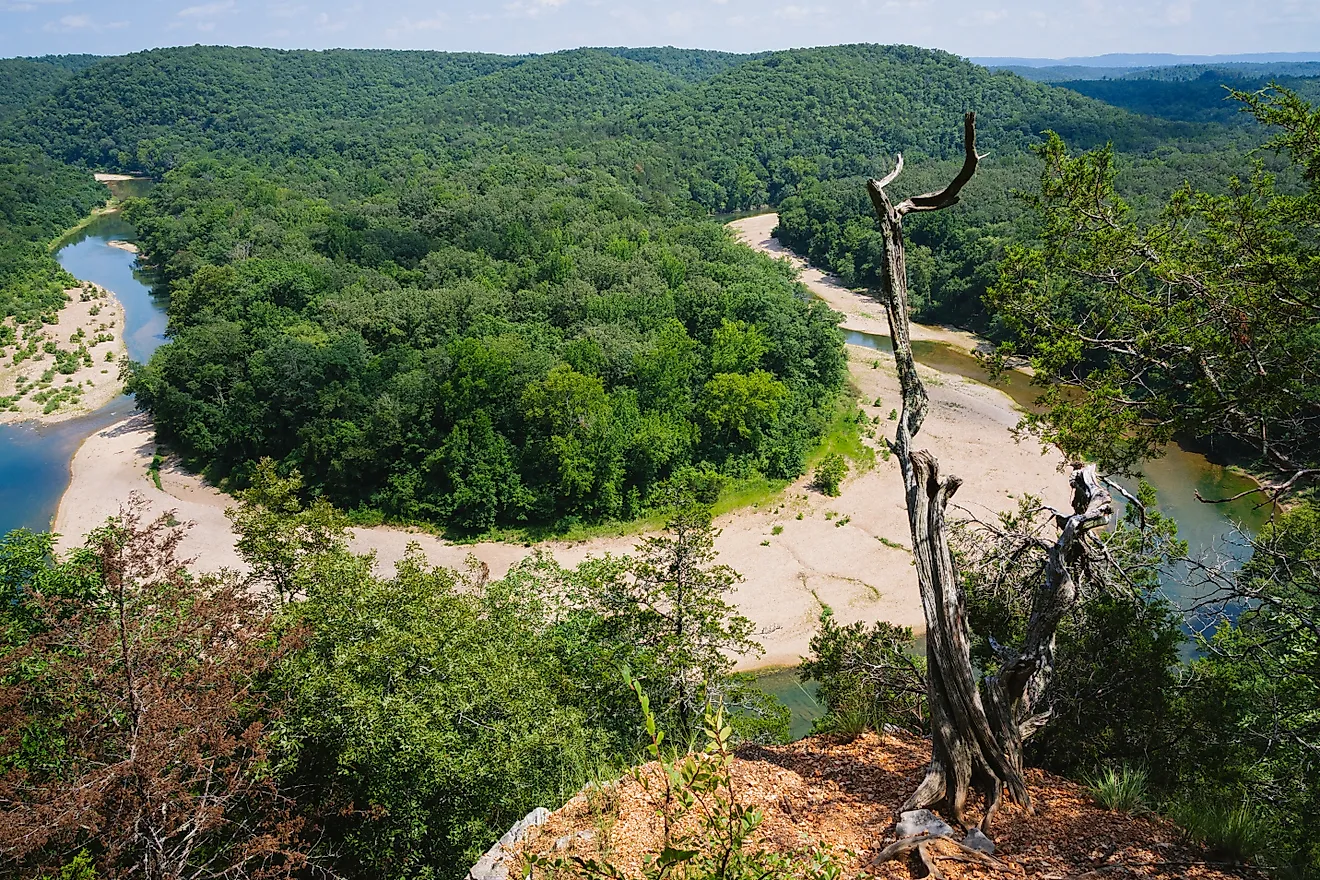
Tunica Hills Wildlife Management Area

Tunica Hills Wildlife Management Area stands out among Louisiana’s mostly flat lowland landscapes, with its steep ravines, lush hardwood forests, and sandstone cliffs. More rustic than many of the state’s outdoorsy tourist areas (there are very limited amenities there), the 5,000-acre WMA near St. Francisville and the Mississippi River is a paradise for nature lovers, hikers, and birders. Tunica Hills is ideal for spotting migratory warblers, several species of woodpeckers, and woodland songbirds, in part due to the state’s location on the Mississippi Flyway.
Wildlife photographers are often drawn to the WMA to capture images of its wild inhabitants, which include, in addition to birds and plants, white-tailed deer, foxes, wild turkeys, and, for the lucky few, timber rattlesnakes sunning on logs or rocky outcrops. In the Tunica Hills, rattlers use rock outcrops and crevices for shelter and to regulate body temperature. In contrast, fallen logs and leaf litter in dense hardwood forests provide camouflage from predators such as eagles and hawks. Timber rattlesnakes in the WMA use the rocky bluffs to wait for prey, adopting a sit-and-wait strategy before striking. While bites are rare, the venom from timber rattlesnakes can cause severe shock and seizures, so anyone bitten should seek emergency care right away.
Chicot State Park

Chicot State Park covers over 6,400 acres of land and waterscapes in Louisiana, and it is the perfect getaway for anyone wanting to escape the hustle and bustle of New Orleans, which is about two and a half hours away. The park’s 20-mile Loop Trail attracts hikers and nature lovers, but is rated as a moderate hike, good for families and dogs. For plant lovers, the 600-acre Louisiana State Arboretum State Preservation Area is located inside the park.
Timber rattlesnakes live in the state park's mature hardwood forests, where they use wood debris and logs for protection from predators. They are especially active in the spring when they emerge from brumation in search of food. The vipers are diurnal (active during the day) in spring and fall, but once summer rolls around, they become nocturnal (active at night) due to the heat. Considered shy by nature, timber rattlesnakes are known to go out of their way to avoid confrontation, preferring instead to camouflage themselves in their surroundings. Hikers are advised to keep an eye out for the rattlers on trails and keep their dogs on a short leash.
Lake Pontchartrain

Spanning about 630 square miles, Lake Pontchartrain is one of the largest inland brackish lakes in the U.S., over which the iconic 23.83-mile-long Lake Pontchartrain Causeway crosses. The marshes, swamps, and woodsy shorelines around Lake Pontchartrain support a wide variety of wildlife, including timber rattlesnakes and pygmy rattlesnakes in the nearby Big Branch National Wildlife Refuge, where boardwalk trails wind through wetlands and pine flatwoods, offering an easy way to explore the area. The refuge covers over 18,000 acres and supports a wide range of wildlife, including birds, alligators, and other native species that thrive in these coastal habitats.
Visitors should be snake-aware, watching for hidden pygmy rattlesnakes when they step over logs. These snakes often stay camouflaged in leaf litter, tall grass, and along the edges of wetlands, where they wait for prey. Timber rattlesnakes are also known to use fallen logs, rocky patches, and shaded forest floors for shelter. Both species will usually move away rather than risk an encounter with people and only strike when they feel threatened or cornered. Hikers who encounter either species should give the rattlers plenty of room to slither away.
Staying Snake-Aware in Louisiana’s Wild Places
Thanks to Louisiana’s mild climate, it can feel like it’s always snake season in the Pelican State. In reality, rattlesnakes are more active during April through July, especially during cooler parts of the day in summer. Outdoor enthusiasts anxious to leave the winter months behind and visit any of these six rattlesnake-infested areas in Louisiana should definitely be aware of the snakes' presence. Still, common sense will ensure everyone remains safe and sound. Visitors who are lucky enough to see a rattlesnake in the wild should keep their distance, remain calm, and move slowly.