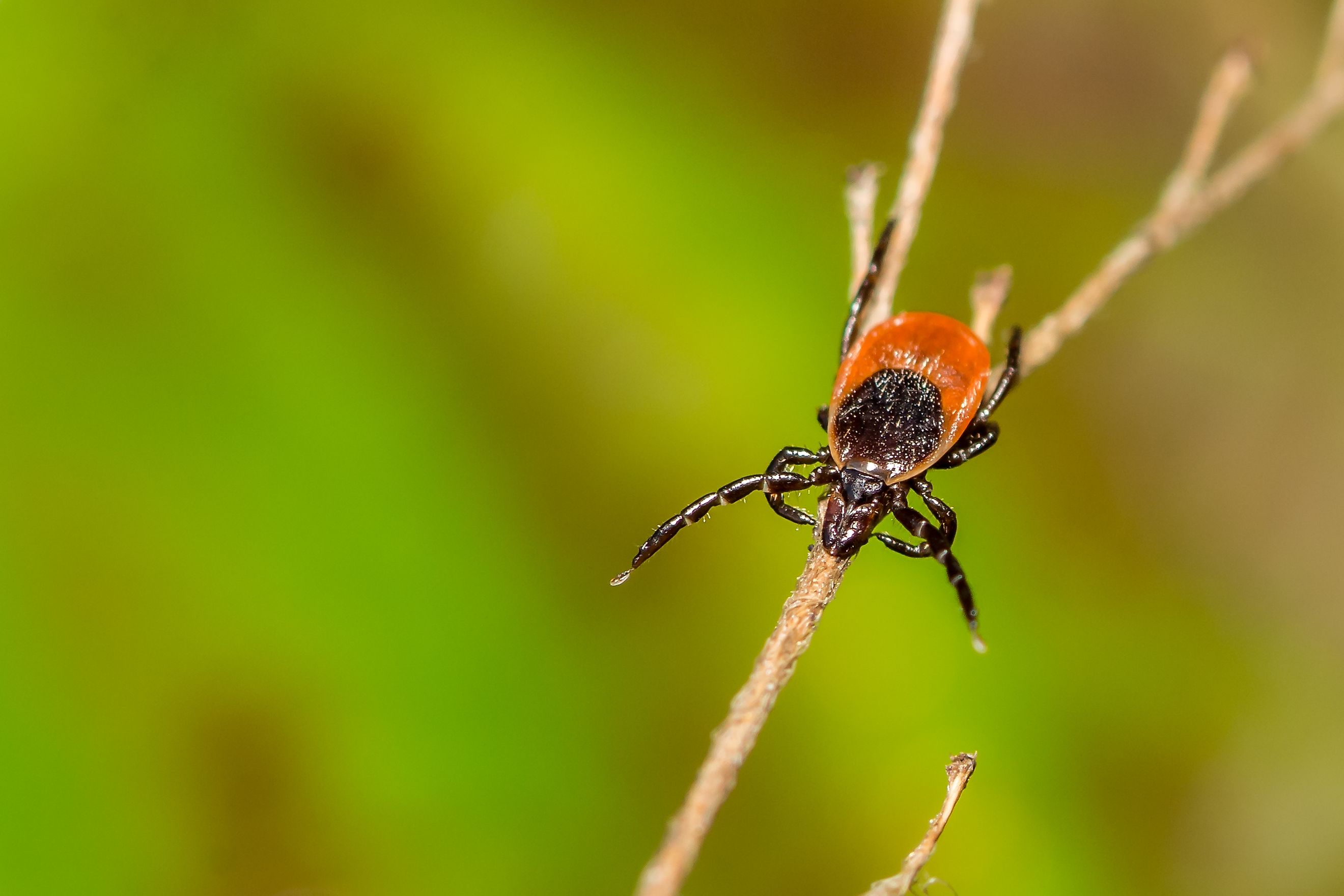
5 Tick Infested Areas In Tennessee
Ticks thrive in Tennessee's grassy fields, yards, and wooded brush, which is to say, most of the state. Six species live here, and several carry serious diseases. The Lone Star tick can trigger Alpha-gal syndrome, an allergy to red meat. The American dog tick spreads Rocky Mountain Spotted Fever. Deer ticks transmit Lyme disease. Spring and summer are peak season, but some places are riskier than others. Before visiting these five Tennessee hotspots, pack repellent and check yourself often.
Davidson County

Davidson County is located in Middle Tennessee, where unique cedar glades create an ideal environment for Lone Star ticks and deer ticks. The habitat is unique in that there are thin patches and shallow bedrock that cause water to pool in winter, then become arid in summer. While this may not seem like a typical tick habitat at a glance, despite the lack of moisture on the ground, the humidity is high, and the lichen growing on the rocks makes for a great place for ticks to reside.
Davidson County is also home to Long Hunter State Park, which features a habitat distinct from the Cedar Glades: an oak-hickory forest with a notably high deer population, for which hunts are conducted to control overpopulation. Ticks thrive on white-tailed deer. From 2019 to 2022, Davidson County recorded 15 cases of Lyme Disease, 39 cases of Rocky Mountain Spotted Fever, and 50 cases of an illness derived from the Lone Star tick. TriStar Bellevue ER is located in southwestern Davidson County, and in an interview with local news, nurses from that ER confirmed they have seen both a surge in tick patients and patients with more severe reactions to tick bites.
Great Smoky Mountains National Park

Located partially in eastern Tennessee, Great Smoky Mountains National Park spans 522,427 acres and, with its dense forests and high humidity, is a highly desirable habitat for ticks. The Lone Star tick is one of the many ticks that live in the Great Smoky Mountains. This tick is also known to be associated with Alpha-Gal Syndrome, which can cause a serious allergic reaction to red meat, among other things, for those affected. Since AGS is not nationally notifiable to the CDC, getting an exact number of those with the syndrome is difficult; however, the CDC believes that as many as 450,000 people may be affected.
While hiking in Great Smoky Mountains National Park, the National Park Service cautions guests to check for ticks at least every 24 hours or after spending time in the backcountry. It's also recommended that you use tweezers to grasp the entire tick, including the head, when removing ticks.
Hamilton County

With its warm, humid, and wooded environment, ticks can thrive in Tennessee's Hamilton County. Common ticks in the area include deer ticks, brown dog ticks, and Lone Star ticks. Within Hamilton County is the popular city of Chattanooga, and at least one resident has been confirmed to have AGS due to a tick bite.
Between 2000 and 2020, there were also 26 confirmed cases of Lyme disease reported in the area. Lyme disease is often transmitted by deer ticks, which, unlike other ticks, can survive in cooler weather. As a result, residents and travelers are encouraged to be on the lookout for ticks even in the cooler spring months.
Rutherford County

Located in middle Tennessee, Rutherford County offers a variety of habitats for ticks, from the wooded areas to the open meadows. Two of the main ticks in the area are deer ticks and Lone Star ticks. Between the years of 2000 and 2020, there have been three confirmed reports of Lyme disease in Rutherford County, but it is believed that this number could be higher.
Within Rutherford County is the Stones River National Battlefield. This Civil War battlefield spans over 600 acres and features forests, cedar glades, and grasslands, all environments where ticks thrive during warm Tennessee summers. This park is also home to many white-tailed deer, another mammal that ticks feed on, along with humans.
Overton County

Located in north central Tennessee, Overton County has warm, muggy summers, making it the perfect place for ticks, including deer ticks and Lone Star ticks. Within Overton County is the Jackson Swamp Wildlife Management Area, a 203 -acre area that is predominantly a wetland, creating a warm, wet environment for ticks to thrive. The Swamp is also home to deer, which ticks often latch onto.
In late May of 2026, the Overton County Health Department made a statement reminding residents to be mindful of ticks and the illnesses they carry, specifically Rocky Mountain Spotted Fever, ehrlichiosis, Lyme disease, and Alpha-gal syndrome. The total number of Lyme disease cases confirmed in Overton County from 2000 to 2020 is 3, but since the CDC only counts confirmed cases, the actual number is likely higher.
Preventing Tick Bites

In 2023, the CDC reported 50 confirmed cases of Lyme disease in Tennessee. To prevent the possibility of contracting Lyme disease or any of the many other diseases that ticks carry, the Tennessee Department of Health encourages residents and visitors to know where to expect ticks, such as grassy or wooded areas, and to be conscious that these ticks can be carried by animals. They also suggest treating clothing with permethrin and using EPA-registered insect repellent. Once back indoors, it is recommended to tumble-dry clothing on high heat for 10 minutes, shower within 2 hours, and thoroughly check your body. If a tick is found, pull it straight out with tweezers, and consult the CDC website for more information on what to do if bitten.