5 Tick Infested Areas In New Hampshire
Over half of the black-legged ticks in New Hampshire carry the Lyme disease pathogen. Most reported cases concentrate in the southeastern and south-central parts of the state. Warmer winters and growing white-tailed deer populations have pushed tick numbers higher than they have ever been. The Connecticut River corridor along the western border, the foothills of the White Mountains, and the suburban-meets-woodland counties of the south all run heavy. The five areas ahead are where outdoor recreation overlaps most heavily with tick habitat.
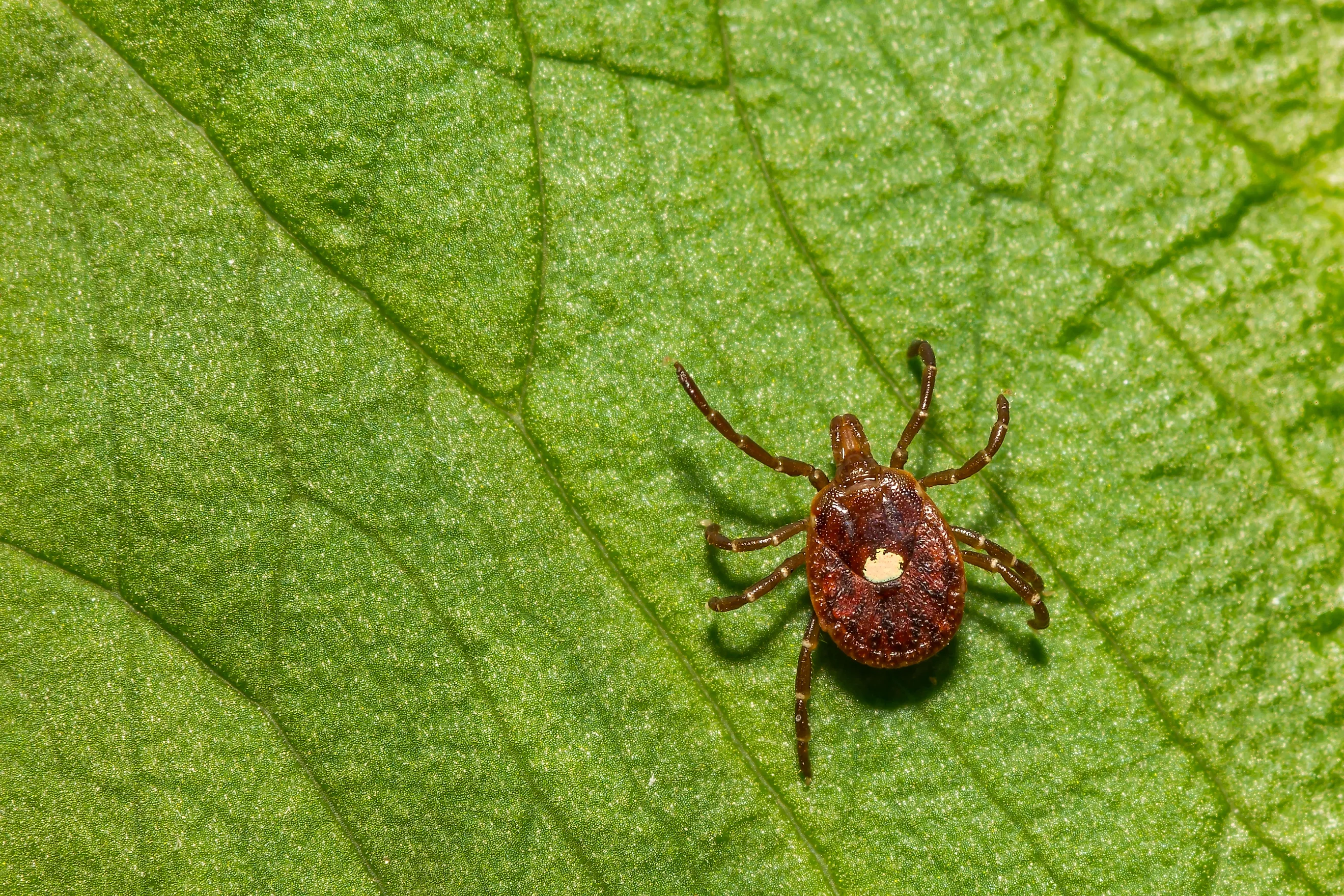
The black-legged tick Ixodes scapularis dominates the state and is the primary carrier of Lyme disease. The American dog tick Dermacentor variabilis is widespread, and the Lone Star tick Amblyomma americanum is turning up in rising numbers. Lyme disease leads all reported tick illness in the state, with Anaplasmosis next. Babesiosis and Ehrlichia chaffeensis Ehrlichiosis also turn up.
The river that traces the state's western edge
The Connecticut River forms most of New Hampshire's border with Vermont. See more about it at the Connecticut River.
Hampton Beach State Park

New Hampshire has fewer than 20 miles of Atlantic Ocean coastline. The state's heaviest concentration of tick-borne disease sits within 35 miles of that coast. Hampton Beach State Park, about 15 miles south of Portsmouth, draws the heaviest summer recreation in Rockingham County. Great Bay National Wildlife Refuge nearby holds deer and rodents in numbers that keep tick populations fed year-round, and the dense vegetation and high humidity around the refuge keep the ticks hidden. Tall coastal grasses and damp conditions along the ocean edge do the same work along the beach. Rockingham County has the state's second-highest concentration of Lyme disease and the second-highest incidence of Anaplasmosis.
White Mountain National Forest

The White Mountains draw heavy hiking and camping traffic, with Mount Washington reaching 6,288 feet at the summit. White-tailed deer and mouse populations have exploded across the forest in recent years thanks to milder winters. Most reported tick-borne disease cases here sit in the foothills, where ticks thrive in leaf litter and the shady transitions where forest meets meadow. Forest regrowth has added more undergrowth where ticks like to hide. Few are found above 2,500 feet, but trailheads at lower elevations, where hikers stop to prep, are a particular hot spot.
Hillsborough County

Hillsborough County sits at the southernmost central edge of the state and has seen heavy suburban development where residential streets meet woods and meadows. The moist, well-drained soils along those shaded transition edges are exactly what ticks prefer. Fox State Forest holds more than 25 miles of multi-use trails that run through pine woods and a swamp lined with ancient black gum trees. Ticks dry out easily and constantly search for damp ground near swamps, lakes, and riverbeds. New suburban development raises the rate of encounters by raising the human population. Hillsborough County has the highest reported rates of Lyme disease, Anaplasmosis, Babesiosis, and Ehrlichia chaffeensis Ehrlichiosis of any county in the state.
The Connecticut River

The Connecticut River runs along the entire western border of New Hampshire, forming the line with Vermont. Dozens of recreational areas line it, including Chesterfield Gorge Natural Area. Rivers attract wildlife and this one is no exception, with large populations of white-tailed deer and white-footed mice nearby. High humidity, leaf mold, and dense vegetation along the riverbanks create ideal tick habitat. The microclimates here range across hardwood forests and wetlands, giving host animals many travel paths and giving ticks easy rides between them. With thick vegetation and low-lying brush close to the trails, visiting hikers have a hard time avoiding contact.
Bear Brook State Park

Bear Brook State Park, Canterbury Shaker Village, and the Robert Frost Farm are among the largest attractions in Merrimack County. The county has the third-highest reported rates of Lyme disease, Anaplasmosis, and Babesiosis in the state. Bear Brook covers more than 10,000 acres of damp, shady forest floor across its interior trail system. Canterbury Shaker Village sits in a transition zone where hardwood forest meets fields, and the Robert Frost Farm walking paths pass through tall grasses and open meadows.
The best New Hampshire town for retirees
For a community-focused look at the state away from the densest tick country, see New Hampshire's best small town for retirement.
Protecting Yourself in New Hampshire
Landscaping helps: keep grass short and clear leaf litter promptly. Dog owners with yard access should use vet-recommended tick preventatives and check fur thoroughly, because dogs catch tick-borne illnesses too. Before heading outdoors, stick to marked and groomed trails and use an EPA-registered tick repellent on skin plus Permethrin on clothing and gear. After time in woods or fields, check skin for ticks and shower as soon as you get home. The University of New Hampshire Extension publishes online tick identification guides, and the New Hampshire Department of Health & Human Services maintains current information on tick-borne diseases and where to report them.