Where People Are Moving To In The Northern United States In 2026
For decades the migration story was simple: people left the North for the Sun Belt, and the Midwest and Northeast just waved goodbye. In 2026, the script is quietly flipping in pockets. The Midwest has emerged as a real destination, with Minneapolis and Indianapolis both reversing from net outflow to net inflow in the latest Census data, and Minnesota cracking the moving companies' top-ten inbound lists for the very first time. The engine behind it is not weather or beaches. It is money. With most American households now priced out of a median new home, affordable Northern metros are suddenly the smart move, and the cities below are the ones catching the wave.
Lancaster, Pennsylvania

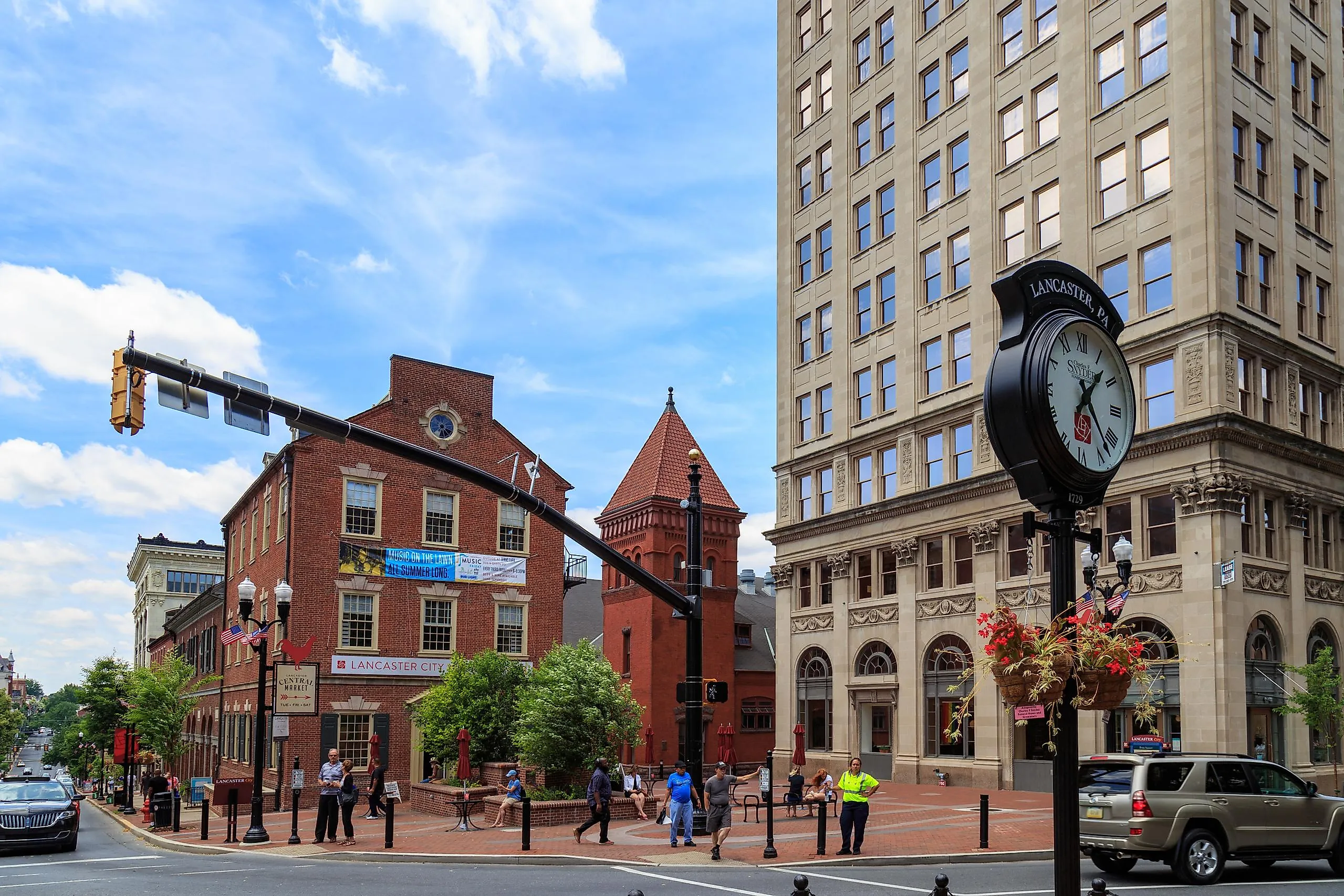
Start with the Red Rose City. Lancaster is best known for the Amish farmland wrapped around it, but the reason people are moving in is the sturdy economy underneath the scenery. Big anchors like Lancaster General Health and Armstrong World Industries keep unemployment famously low, and the downtown has reinvented itself around theaters, galleries, and a monthly First Friday art walk that turns the whole center into a gallery. Add a location within driving distance of Philadelphia, Baltimore, and Harrisburg, and you get a mid-sized city that feels affordable and connected at the same time. It is one of the clearest bright spots in the Northeast.
Columbus, Ohio

If any Midwestern city has captured the growth story, it is Columbus. Ohio's capital is young, educated, and expanding fast, anchored by a huge state university and a state government that keeps the job base steady. The headline draw is a massive Intel semiconductor complex under construction nearby, a multi-billion-dollar bet that has pulled suppliers and workers into the region. Unlike the pricey coastal tech hubs, Columbus offers all of that with genuinely affordable housing, which is exactly the combination movers are hunting for in 2026.
Indianapolis, Indiana

Indianapolis is a poster child for the shift. In the most recent data, the metro flipped from net domestic outflow to net inflow, meaning more Americans are now choosing to move in than out. The appeal is refreshingly practical: a low cost of living, a diverse job base spanning logistics, life sciences, and a famous sports and events economy, and a downtown that keeps adding amenities. Indianapolis does not try to dazzle anyone. It just quietly offers a good job and an affordable house, and in this market that is more than enough.
Minneapolis, Minnesota

The Twin Cities pulled off one of the biggest surprises in the migration data. Minneapolis flipped to net inflow in the latest year, and Minnesota landed on a national top-ten inbound list for the first time ever. Cold winters and all, people are betting on the metro's unusual strengths: a stack of Fortune 500 headquarters, strong wages, excellent parks and lakes, and a quality of life that consistently ranks near the top nationally. For remote workers no longer tied to a coast, the trade of a warmer climate for a stronger paycheck and a shorter commute is looking better than it used to.
Madison, Wisconsin

Perched on a narrow isthmus between two lakes, Madison keeps landing near the top of "best places to live" rankings, and the newcomers are noticing. The city runs on a rock-solid trio of the state capitol, the flagship University of Wisconsin, and a fast-growing biotech and software sector. That mix produces a highly educated population, a stable job market, and a lively downtown, all in a city small enough to stay livable. Madison is the kind of place people move to and simply do not leave.
Grand Rapids, Michigan

West Michigan's biggest city has quietly become one of the region's better bets. Grand Rapids built its name on furniture and manufacturing, then layered on a booming healthcare corridor known as the Medical Mile and a nationally known craft-beer scene. The result is a revitalized downtown with real jobs attached, at Midwestern prices. It draws heavily from pricier parts of the country and from Michiganders who want city amenities without Detroit's baggage, and its steady growth reflects that broad appeal.
Des Moines, Iowa

Des Moines is the quiet overachiever of the list. Iowa's capital is a major insurance and financial-services center, which gives it a base of stable, well-paying office jobs that has nothing to do with any boom or bust. Pair that with a cost of living well under the national average and a genuinely walkable, growing downtown, and you get a metro that lands on "most livable" and "most affordable" lists year after year. It rarely makes national headlines, and that understatement is part of the appeal.
Pittsburgh, Pennsylvania

Few cities have reinvented themselves as thoroughly as Pittsburgh. The old steel town is now an eds-and-meds and robotics center, with Carnegie Mellon anchoring a real cluster of artificial-intelligence and autonomous-vehicle work, and a huge university-hospital system employing much of the city. What makes it a mover's target is that all of this sits on top of some of the most affordable housing of any major metro in the country. A tech-adjacent job and a cheap house in a green, hilly, river city is a compelling pitch.
Buffalo, New York

After decades of decline, Buffalo has found a new pitch, and part of it is the weather. As other regions bake through hotter summers and droughts, Buffalo's cooler climate and Great Lakes water supply have earned it a reputation as a "climate haven." Layer that onto some of the cheapest housing in the Northeast, a revitalized waterfront, and a growing medical campus downtown, and the city that once emptied out is finally holding onto people and attracting a few. It is an affordability-and-stability story with a forward-looking twist.
Fort Wayne, Indiana

Indiana's second city is an under-the-radar favorite for one overwhelming reason: it is cheap. Fort Wayne consistently ranks among the most affordable places to live in the entire country, with home prices that make coastal buyers do a double take. In recent years the city has poured investment into its downtown and riverfront, adding the kind of restaurants, trails, and gathering spaces that make affordability feel like an upgrade rather than a compromise. For families stretching a budget, few places in the North stretch it further.
Omaha, Nebraska

Omaha has a reputation for being almost boringly stable, and in an uncertain economy that is a selling point. The city is headquarters to several major companies, including Berkshire Hathaway, and its economy leans on insurance, finance, and agriculture, sectors that tend to hold up when others wobble. Unemployment stays low, housing stays cheap, and the downtown and riverfront have seen steady investment. For movers who prioritize a reliable job and an affordable house over flash, Omaha delivers exactly that, which is why it keeps quietly adding people.
Rochester, New York

Rounding out the list is another upstate comeback. Rochester spent decades defined by the decline of Kodak, but it has rebuilt around education and healthcare, with the University of Rochester and its medical center now among the region's largest employers. Like Buffalo, it offers low housing costs and a cooler, water-rich climate that increasingly reads as an advantage. It is not a flashy destination, but for buyers priced out of bigger markets, an affordable house near stable eds-and-meds jobs is a trade more and more people are willing to make.