5 Tick Infested Areas In Mississippi
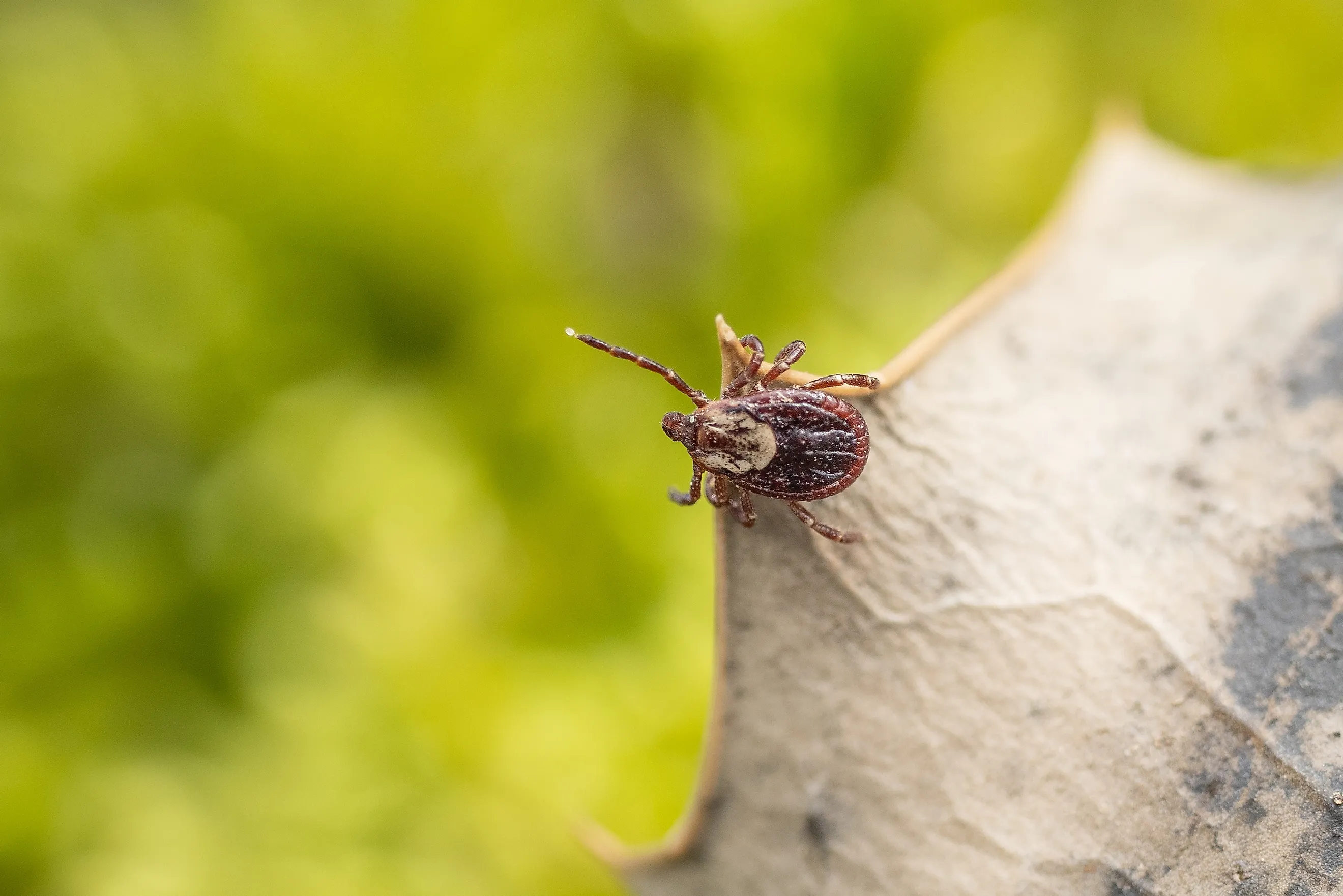
Mississippi's long, humid summers create an environment that ticks love. Across much of the state, thick understory vegetation, flooded bottomlands, pine forests, and heavy deer movement support several medically important tick species that remain active and present for most of the year. The lone star tick and American dog tick are especially common, though blacklegged ticks and Gulf Coast ticks are also established in parts of the state.
The Mississippi State Department of Health records cases of ehrlichiosis and Rocky Mountain spotted fever, and health officials are also tracking Lyme disease and alpha-gal syndrome, which can be caused by lone star tick bites. The highest-risk areas are usually places where animals move through, especially shaded trails, overgrown field edges, and wet, leaf-covered ground. Ticks are established throughout the Southeast, according to the CDC, and most are found in wooded, brushy, and grassy-edge habitats rather than in open, dry fields. Take extra care when traveling through these five tick-infested areas of Mississippi.
De Soto National Forest

De Soto National Forest has one of the densest combinations of pine savannas, hardwood bottoms, and brush-covered trail systems in the state. That mix creates ideal conditions for ticks, as humidity is trapped close to the ground beneath palmettos and leaf litter. White-tailed deer populations are also extremely high throughout the forest, giving adult ticks steady hosts year-round. This means visitors need to be especially careful, since ticks are common and easy to encounter in many parts of the forest.

The most commonly documented species here are the lone star tick (Amblyomma americanum), the American dog tick (Dermacentor variabilis), and the Gulf Coast tick (Amblyomma maculatum), all of which are confirmed by the CDC. These species are associated with ehrlichiosis and Rocky Mountain spotted fever, both of which are regularly reported in Mississippi by the Mississippi State Department of Health.
High-use areas like the Black Creek Trail system and nearby canoe access points are frequent exposure zones because vegetation often grows directly against walking paths, forcing contact with low brush where ticks quest for hosts.
Tombigbee National Forest

Tombigbee National Forest, in the Northeast Mississippi Woodlands, is in the region where mixed hardwood forests and creek systems create consistent humidity and shaded ground cover. MSU Extension describes these types of environments as high-risk because leaf litter and dense low plants help ticks stay moist and survive while they wait for animals or people to pass by (very sneaky ticks). Deer and feral hog activity is especially important here, helping sustain tick populations across seasons. This makes outdoor areas in the forest especially risky, since ticks can easily latch onto hikers, hunters, and anyone moving through the brush.

Lone star ticks are the most frequently encountered species, while blacklegged ticks, also known as Ixodes scapularis, are established in northern Mississippi counties, according to CDC surveillance data. American dog ticks are also present statewide. The blacklegged tick is the species associated with Lyme disease transmission, though Mississippi reports remain far lower than in northern states.
Recreation areas like Choctaw Lake and the surrounding trail loops experience increased human exposure during spring and early summer, when understory vegetation grows along trail margins.
Delta National Forest and Surrounding Bottomlands

The Western Mississippi Delta region is defined by floodplain forests, agricultural edges, and regenerating hardwood stands that stay humid through much of the year. These conditions create a stable habitat for ticks in both wooded patches and transitional field edges. MSU Extension notes that encounters with ticks are especially common in areas where wildlife moves between forest fragments and open land. This makes the area particularly unpleasant for anyone outdoors, since ticks can be hard to avoid.

American dog ticks and lone star ticks are the primary species in this region, both confirmed by CDC distribution data for Mississippi. Gluf Coast ticks are also present in the southern and western parts of the state. The Mississippi State Department of Health continues to report Rocky Mountain spotted fever cases statewide, which are commonly linked to both American dog ticks and lone star ticks in the Southeast.
Sunflower River Wildlife Management Area and nearby hunting lands are higher exposure zones, particularly in tall grass and brushy bedding areas used by deer.
Bienville National Forest

Bienville National Forest has pine forests, creek areas, and thick brush, which creates many small habitats where ticks can live. MSU Extension notes that ticks are the most active in cool, shaded, and humid places with lots of leaves on the ground and animal activity, all of which are common in this forest. Deer and wild hogs are also common there, giving ticks plenty of animals to feed on. Because of this, the area may have a higher risk of encounters with ticks for hikers and visitors.

Lone star ticks are dominant here, with American dog ticks also present, and blacklegged ticks documented in parts of central Mississippi, according to CDC surveillance ranges. These species are associated with ehrlichiosis and Rocky Mountain spotted fever, both of which have been confirmed in Mississippi by MSDH.
Campgrounds near Shockaloe Trail and adjacent forest roads are frequent tick encounter points, especially where grasses and low shrubs grow directly against cleared paths.
Holly Springs National Forest

Holly Springs National Forest is one of the more consistently tick-active regions in northern Mississippi counties, according to its dense hardwood forests, rolling terrain, and strong deer populations. MSU Extension notes that the shaded understory and thick leaf litter provide ideal conditions for tick survival and reproduction. This makes it easy for ticks to stay active in the area throughout much of the year. As a result, hikers and other outdoor visitors are at higher risk of tick bites.

Lone star ticks are widespread, while blacklegged ticks are established in northern Mississippi counties, according to CDC surveillance data. American dog ticks are also present throughout the state. These species are associated with ehrlichiosis and Rocky Mountain spotted fever, both of which are regularly reported by MSDH.
The Chewalla Lake Recreation Area is a notable exposure zone, especially in late spring and summer when vegetation becomes dense along trails, campsites, and shoreline access areas.
Check For Ticks In Mississippi
Tick exposure in Mississippi is driven by the overlap of humidity, dense vegetation, and wildlife movement rather than any single landscape type. CDC surveillance confirms that multiple medically important tick species are established across the state, while MSU Extension emphasizes that brushy edges and wooded transition zones present the highest risk. Mississippi State Department of Health data continues to show Rocky Mountain spotted fever and ehrlichiosis as the most consistently reported tick-borne diseases statewide. Knowing where ticks live, not just where you are, is the best way to avoid them when you're outdoors trying to enjoy nature.