5 Tick Infested Areas In California's Sierra Nevada
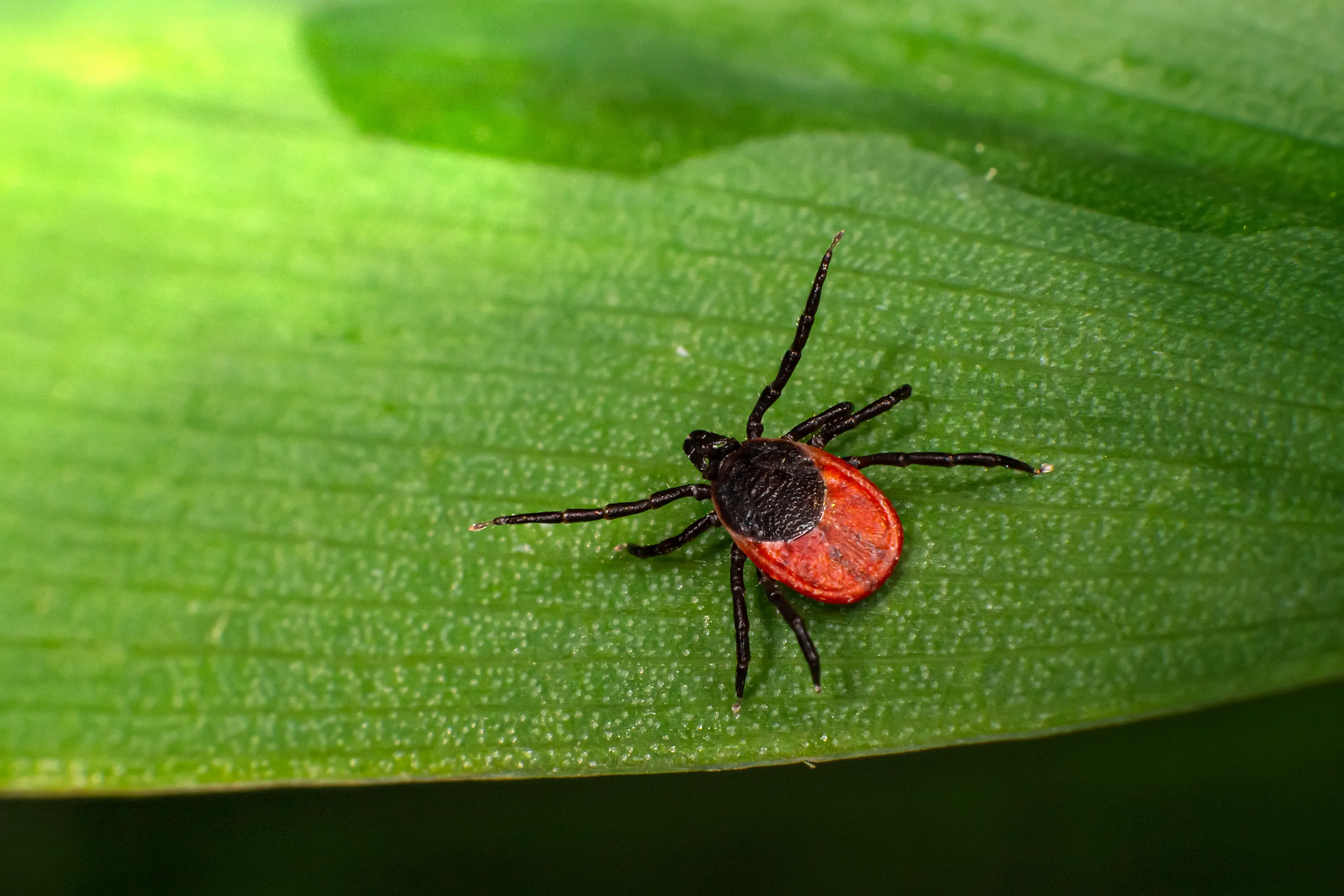
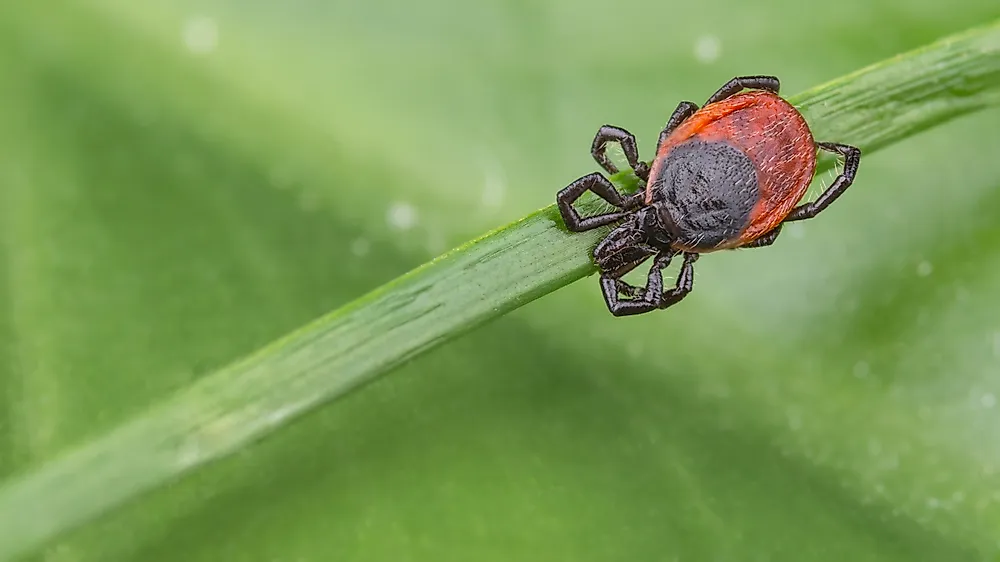
California’s Sierra Nevada foothills provide ideal habitat for western blacklegged ticks (Ixodes pacificus), the region’s primary carrier of Lyme disease and anaplasmosis. Nymphs are most active in spring and early summer, while adults are more active from fall through early spring. Researchers have detected Borrelia burgdorferi, the bacterium that causes Lyme disease, in ticks collected across the foothills. Wooded trails, brushy slopes, and areas with abundant wildlife can present an elevated risk of tick encounters.
Folsom Lake State Recreation Area

Folsom Lake State Recreation Area sits along the Sierra Nevada foothills, with trails and recreation areas extending through wooded terrain around the lake and the American River. The western blacklegged tick is the main species of concern here, and the California Department of Public Health has conducted repeated surveillance within the area. A 2012 survey collected 237 nymphal ticks, including 37 that tested positive for the Lyme disease bacteria.

The park's ground-level conditions help sustain these ticks. Research conducted by CDPH found that nymph numbers were significantly higher around rocks and fallen logs, with greater densities also associated with high canopy cover. This combination occurs through much of the recreation area, particularly where the trails pass through shaded woodland. The nymphs are especially relevant in spring when the ticks are small and difficult to spot.
South Yuba River State Park
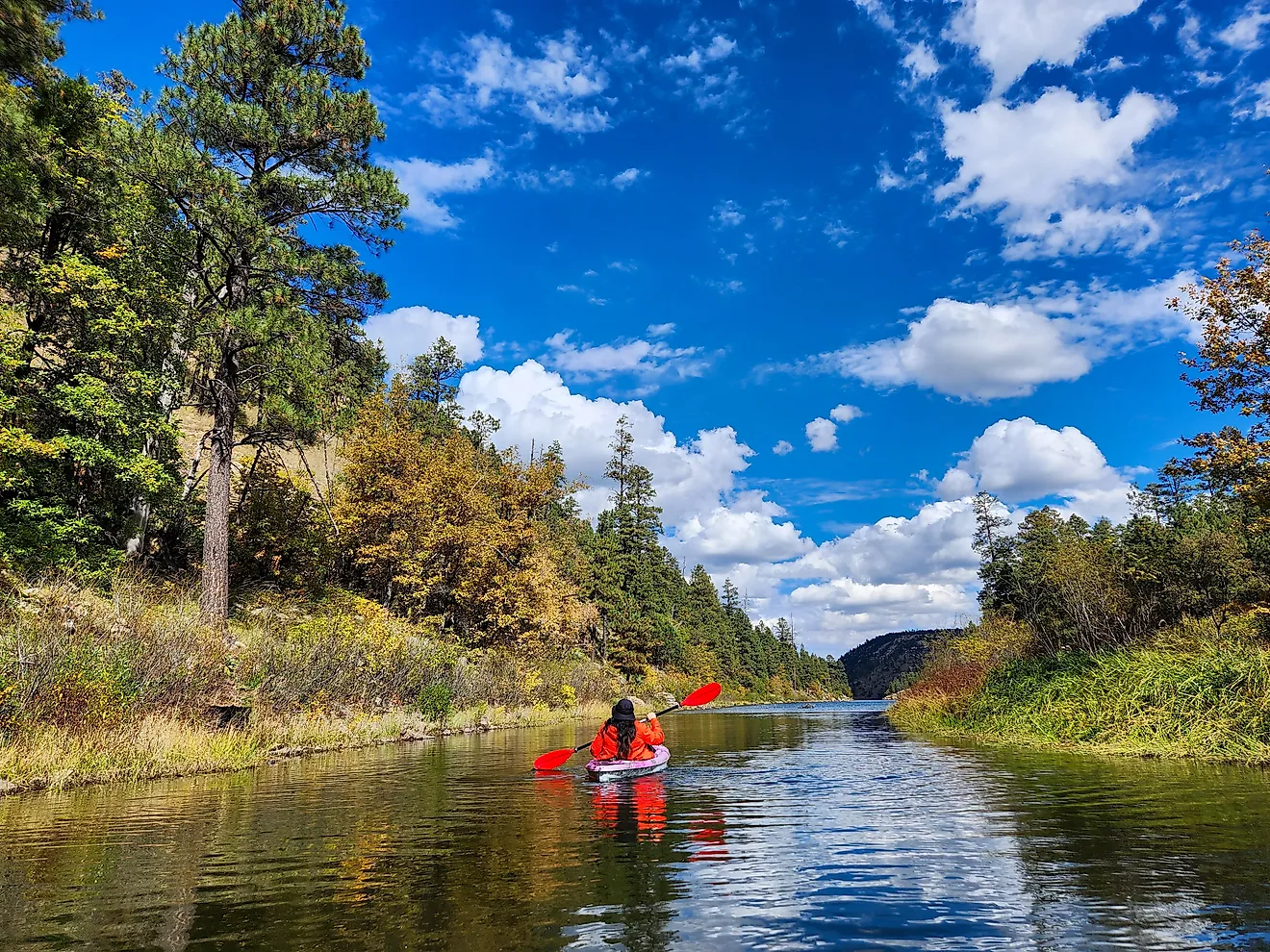
South Yuba River State Park follows a 20-mile section of the South Yuba River canyon in Nevada County, with trails running through oak woodland, forested sections, shaded stream areas, and rocky slopes. The western blacklegged tick has been documented through California's surveillance program, making it a significant concern since 2010. CDPH identifies the northern Sierra foothills, including Nevada County, as an area where Lyme disease risk is elevated.

A 2020-21 research survey at South Yuba State Park collected dozens of blacklegged ticks at sampling sites within the park, tracking their population size and bacteria levels. During their investigation, researchers found 32 ticks at one site, with at least one of them testing positive for Rickettsia tillamookensis, a bacterium passed between ticks and potentially to humans.
Wawona and the Western Yosemite Foothills

Wawona sits in a lower-elevation basin in southern Yosemite, surrounded by forest and crossed by trails through the western foothills of the Sierra Nevada. Its elevation is an important part of the tick culture. Long-term surveillance has monitored Wawona for its tick populations since 1992, with several studies showing the occurrence of Lyme disease among other bacteria.

Yosemite's National Park Service also warns that ticks cling to vegetation and recommends avoiding all tall grass when possible. The park warns about Lyme disease and tick-borne illnesses before entering the grounds and works to prepare visitors for the dangers. The western blacklegged tick is the primary species within the park, but the soft tick (Ornithodoros hermsi) is a prominent carrier of relapsing fever.
Auburn and the Western Placer County Foothills

Auburn and the surrounding western Placer County foothills provide an extremely suitable habitat for western blacklegged ticks. The Placer Mosquito and Vector Control District states that the species is abundant in the county's foothills nearly year-round and identifies it as the primary vector for Lyme disease in Placer County. Auburn State Recreation Area sits within these foothills, with steep canyons, wooded slopes, streams, and extensive trails creating ideal environments for ticks.

In a 2013 survey, researchers collected 229 adult ticks at Auburn State Recreation Area, with two sample pools testing positive for Lyme disease bacteria. The surveillance for ticks has continued into 2026. In February alone, the district collected 620 ticks from 10 foothill trails. Along with blacklegged ticks, the researchers found Pacific Coast ticks and American dog ticks. These populations have increased the rate of Rocky Mountain Spotted Fever, among other tick-borne illnesses.
Sequoia National Forest

Sequoia National Forest covers more than 1.1 million acres across the southern Sierra Nevada, with oak and pine forests, mountain streams, meadows, and thousands of miles of trails. These conditions are ideal for several tick species and increase the risks of Lyme disease and Rocky Mountain Fever. In 2018, biologists conducting adult tick surveillance collected 541 ticks from within the park. These samples contained ticks from the blacklegged and Dermacentor groups.

The Kern River corridor provides optimal vegetation, rocks, and logs, making it the area's hotspot for tick infestation. The forest's mix of shaded woodland and ground-level cover creates plenty of places for ticks to wait for passing hosts. The CDPH notes that the presence of multiple tick species increases the risk of developing tick-borne diseases and advises visitors to be extremely cautious when traversing the park.
For Californians spending time in the Sierra Nevada, tick precautions matter most from late fall through early summer, when western blacklegged tick activity is highest. CDPH notes that California's overall tick risk is year-round, with ticks generally more abundant in winter and spring. Outdoor work such as hiking, gardening, and other activities near wooded areas warrants extra attention.
Residents can use the California Department of Public Health's interactive tick surveillance and Lyme disease map to see where western blacklegged ticks have been documented, along with their seasonal risk information. EPA-registered repellent, protective clothing, and proper tick removal are highly recommended before trekking through the mountains.