What Would Happen If The Oceans Stopped Moving
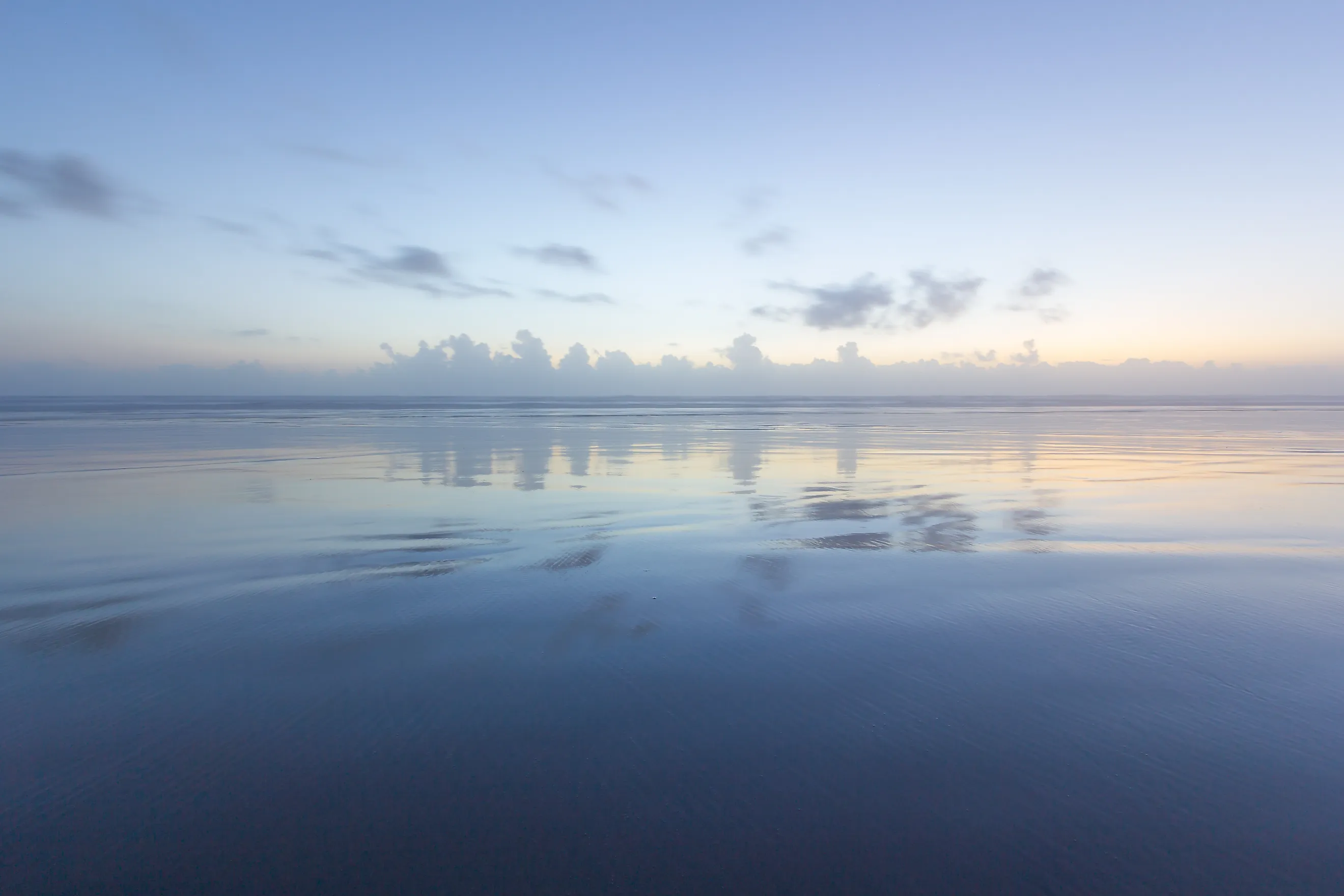
Stand on the sand at Daytona Beach and watch the surf flatten into glass. The waves vanish. The swell dies. What is left is a still and silent sheet of water that looks almost peaceful, and that stillness would be a death sentence. The world's five oceans run on constant motion, and that motion is the engine that keeps the United States livable. Stop the engine and the American coasts turn hostile before anywhere else on Earth.
The Northeast Freezes While the Gulf Boils

The Gulf Stream does the Northeast a favor every single day. It hauls tropical heat up the Atlantic coast and flings it toward Europe, and the whole eastern seaboard leans on that delivery. Cut the current and the delivery stops. Studies of a slowing Gulf Stream already point to sharp cooling across the North Atlantic, and a total halt would drive the American Northeast into a deep, punishing winter. Boston and New York would trade their mild seasons for a cold that never quite lets go.
Head south and the opposite disaster unfolds. With no current to carry equatorial heat away, the Gulf of Mexico would bake. The waters off Florida, Texas, and Louisiana would soak up thermal energy and throw it back onto the land, pushing temperatures to brutal highs and leaving much of the American South parched and barely livable.
Forget the Sharks, Fear the Stillness

Ask a beachgoer what to fear in the water and they will say sharks. Florida logs more unprovoked shark bites than any other state, so the fear has an address. The real killer is quieter. Rip currents, those fast lanes of water that drag straight out from the beach, drown far more Americans every year than sharks ever touch.
A motionless ocean would erase both threats and replace them with something worse. Moving water mixes, dragging oxygen down into the depths and pulling nutrient-rich water up to the light. Kill the motion and that exchange ends. The seas along the coasts would suffocate, losing their oxygen fast. Then the bacteria take over. Anaerobic microbes would bloom and belch out hydrogen sulfide, and the sea breeze would sour into a rotten, poisonous haze along the Pacific and Atlantic shores alike. At the base of it all, the phytoplankton that feed the entire marine food web would starve, and the fisheries that feed millions of Americans would go down with them.
Even Challenger Deep Goes Dark

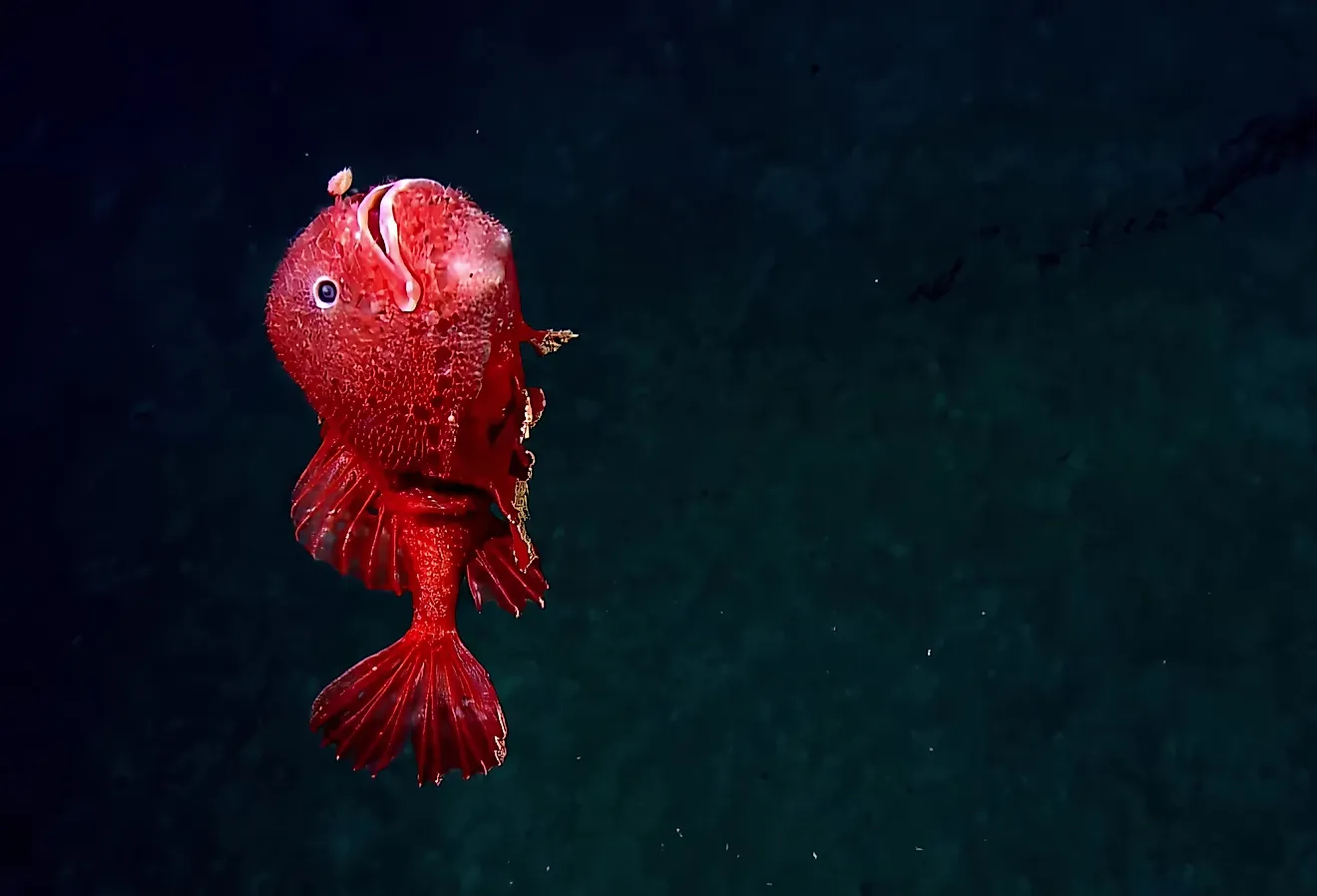
The ruin would not stop at the surface. It would sink all the way to the bottom of the world. The United States governs the Mariana Trench Marine National Monument, and inside it sits Challenger Deep, the lowest point in any of the five oceans. The 2019 Five Deeps expedition put that floor at roughly 10,935 meters, or 35,876 feet, down.
Even that far down, life runs on moving water. Freeze the circulation and the deep seafloor slowly warms as global temperature gradients even out. That warmth would gnaw at the methane hydrates locked in the seabed, icy cages of gas held in place by cold and crushing pressure. As they melt, they would vent methane, a greenhouse gas far stronger than carbon dioxide, up through the dead water and into the sky. The payoff is a fast, vicious jump in global temperature that wrecks American farms and water supplies.
The Ports Die and the Coasts Empty

Every stalled current lands on the American economy next. The country's busiest ports, Los Angeles, Houston, and New York, move a staggering share of global trade, and they only work because the world on the other end works too. Ships could still float on dead water, but with trading partners in ruins and coastal infrastructure hammered by wild swings in air pressure, the cargo would stop moving anyway.
Then the people move. Millions across the scorched South, the frozen Northeast, and the poisoned coasts would abandon the shoreline and push inland toward the Midwest. The same scrambled weather would break the steady rains the Corn Belt runs on, and crop failures would follow, turning a coastal crisis into a national one.
The Engine We Never Notice
The oceans move without asking for credit. That motion sets the temperature, feeds the food web, carries the trade, and quietly draws the line between a livable country and an alien one. It runs whether anyone watches or not. The day it stops is the day the map of America starts to come apart.