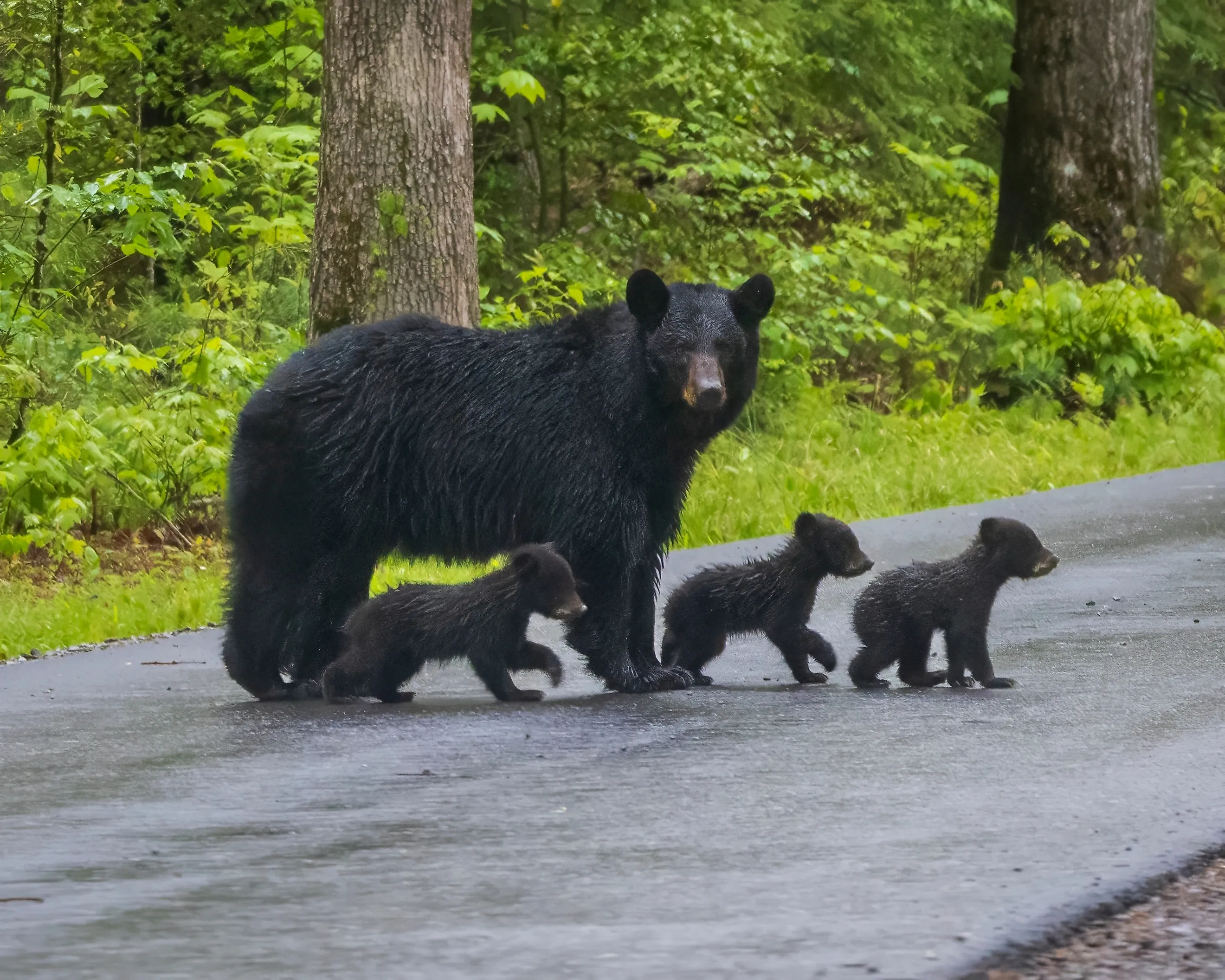
The State Parks With The Most Bear Encounters
The US state parks with the most bear encounters are not always those with the largest bear populations. Encounters rise where busy trails and campgrounds overlap with salmon streams and natural travel corridors. In Alaska, that can mean seasonal trail closures during salmon runs. Around Lake Tahoe, bears often break into vehicles after learning that campgrounds are an easy source of food. No national database records every sighting the same way, so this ranking uses the strongest comparable evidence: documented injuries, repeated break-ins, and official warnings. Those measures point to the parks where bears most consistently change how people hike, camp, and store food.
Chugach State Park, Alaska

Chugach State Park covers roughly 495,000 acres beside Anchorage, which puts extensive black bear and brown bear habitat next to Alaska's largest concentration of residents and outdoor visitors. Encounters become especially likely near salmon streams, where bears gather to feed during summer and early fall. Alaska State Parks has closed the Albert Loop Trail seasonally every year since 1997 because bears fish the nearby bridges, beaver dams, and waterways.
Dense vegetation and running water can keep hikers and bears from noticing each other until they are close. The park has also seen fatal attacks, including a brown bear incident in 1995 and a black bear mauling near Bird Ridge in 2017. Its size, urban access, heavy recreational use, and productive habitat combine to make encounters more frequent here than almost anywhere else.
Henrys Lake State Park, Idaho

Henrys Lake State Park lies near the western edge of the Greater Yellowstone ecosystem, where black bears and grizzlies move through forests, wetlands, and mountain corridors. The park has recorded two serious attacks within six years. In May 2020, a bear injured a hiker on the Outlet Overlook Trail. In July 2026, another bear attacked a jogger on the Aspen Loop Trail, prompting a ground and air search that kept trails closed for a week.
Two injury-producing encounters in one small park is highly unusual. Bears may be drawn to natural foods and carcasses in habitat that extends beyond the park boundary. Visitors are advised to travel in groups, carry bear spray, make noise, and stay especially cautious where thick vegetation limits visibility.
Denali State Park, Alaska

Denali State Park holds extensive habitat for black bears and grizzlies along the eastern side of the Alaska Range. Salmon streams, berry-producing brush, and remote valleys support recurring bear activity, particularly in the southern reaches of the park. Management documents flag Troublesome Creek as an important concentration zone, since bears use the waterway to feed and travel. Thick brush along the creek can hide bears, and the sound of moving water can keep hikers from hearing one nearby.
Some routes close when bear numbers there climb unusually high. Where developed parks tend to see conflicts that start with unsecured food, many Denali encounters happen in the backcountry, when visitors walk into natural feeding areas. The park does not publish an annual encounter total, but its recognized concentration zones and recurring management warnings support the high placement.
Emerald Bay State Park, California

Emerald Bay State Park sits in the Lake Tahoe region, where black bears routinely enter campgrounds and developed areas looking for human food. California State Parks calls the bears very active and requires visitors to lock food, toiletries, coolers, and other scented items in metal storage boxes. Vehicles do not count as reliable food storage, because Tahoe bears have learned to break windows, bend doors, and get into trailers.
In June 2025, a female bear forced its way into an occupied trailer at Eagle Point Campground and injured a camper. Officials reported that the same bear had entered another occupied vehicle and had a longer history of break-ins. Crowded campgrounds, repeated property intrusions, strict storage rules, and a documented injury together make Emerald Bay one of the clearest bear-conflict spots in the country.
Baxter State Park, Maine

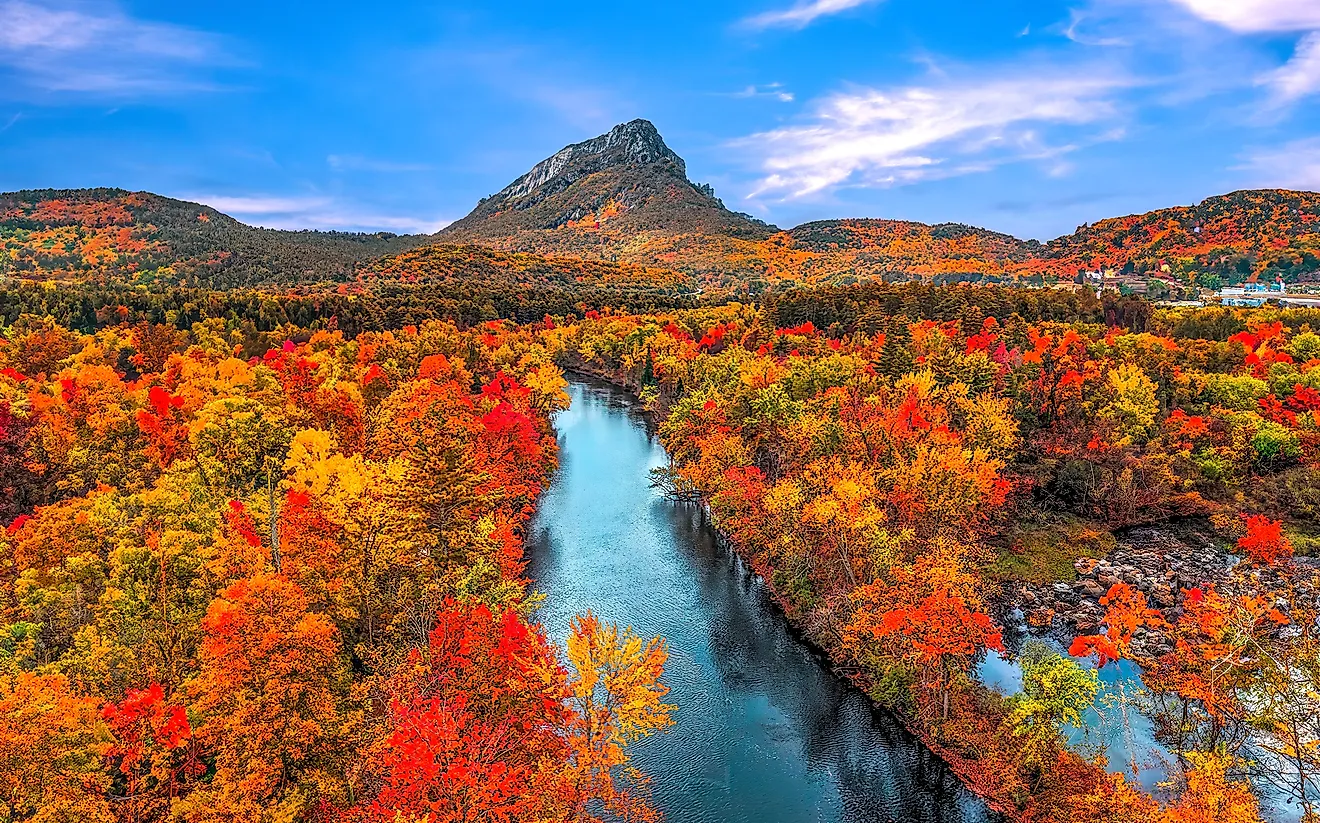
Mount Katahdin in Baxter State Park, Maine.
Baxter State Park spreads across more than 200,000 acres of forest around Mount Katahdin and supports a substantial black bear population. Park records from 2024 describe regular bear activity in late August and September, when natural foods were changing and bears began showing up around developed areas. A female and two yearlings damaged vehicles and kept returning to the area around Roaring Brook Campground. Rangers stepped up patrols and used noisemakers, beanbag rounds, and paintballs to push the bears off without killing them.
More reports came from Abol Campground, the Hunt Trail, OJI Trail, and stretches of the Tote Road. Baxter officials warned that an ordinary cooler or a covered truck bed will not stop a determined bear. That detailed record of vehicle damage, repeated sightings, and ranger response sets Baxter apart from parks that issue only general bear-country advice.
Mount Mitchell State Park, North Carolina

Mount Mitchell State Park protects the highest summit east of the Mississippi and sits in one of the southern Appalachians' most important black bear landscapes. Officials have reported active bears on and around the property, especially in warmer months when the campground and trails fill up. Every campsite comes with a bear-resistant food box, a sign that bears are likely to investigate cooking areas, coolers, and scented supplies.
Bears also move between the park and the surrounding Pisgah National Forest, which makes the connected habitat far larger than the park boundary suggests. Nearby camping areas have closed in the past because bears turned persistent or aggressive, though those incidents happened outside Mount Mitchell itself. Within the park, warning signs, storage boxes, tracks, and recurring reports show encounters common enough to shape campground design and visitor rules.
Gorges State Park, North Carolina

Small bridge along Grassy Ridge Road crossing over a water runoff, in Gorges State Park. Editorial credit: Washuotaku, CC BY-SA 4.0 via Wikimedia Commons
Gorges State Park occupies a wet, heavily forested stretch of the Blue Ridge Escarpment near the South Carolina border. Steep valleys, streams, and dense woodland make strong black bear habitat, and backcountry campsites put visitors well inside it. In November 2023, North Carolina State Parks closed the campground for at least two weeks because of bear activity. Existing reservations were cancelled, though trails and other parts of the park stayed open.
No attack was reported, but a campground closure signals that bear behavior had gone past an isolated sighting. Agencies generally take that step when bears repeatedly approach occupied sites, get food, or lose their fear of people. Gorges ranks below parks with documented injuries, but the closure is unusually clear evidence that encounters there can turn persistent enough to affect access.
D. L. Bliss State Park, California

D. L. Bliss State Park runs along a forested stretch of Lake Tahoe's western shore, where black bears regularly move through campgrounds and parking areas. California State Parks calls activity in the campground very high and requires that food, drinks, toiletries, and scented products stay in metal boxes whenever they are not in use. A cooler strapped or locked shut is still unsafe, since bears can drag it off, crush it, or throw it against something hard. Visitors who leave attractants in a vehicle risk broken windows and damaged doors.
The park has not published an annual tally of sightings or break-ins, but the strict rules reveal how persistent local bear activity is. Heavy summer crowds create repeated chances for bears to find poorly stored food and grow more comfortable around people.
Humboldt Redwoods State Park, California

Humboldt Redwoods State Park protects more than 50,000 acres of redwood forest, river habitat, and wooded campgrounds in northern California. Black bears range throughout the park and are officially described as very active around developed camping areas. Every campsite has a metal box, and visitors must secure food, cooking gear, coolers, and scented products day and night. The rule applies across several campgrounds rather than at one trouble spot.
Bears moving through the forest quickly learn which sites hold accessible food, and that leads to repeated encounters when visitors ignore storage rules. Humboldt Redwoods has not seen the concentration of injuries recorded at Henrys Lake or Emerald Bay. It earns a place here on the breadth of official warnings and the park-wide precautions meant to keep bears out of tents, vehicles, and occupied sites.
Silverwood Lake State Recreation Area, California

Silverwood Lake State Recreation Area lies in the San Bernardino Mountains north of Los Angeles. California State Parks reported a rise in bear activity in its campgrounds during 2026, with multiple sightings and interactions around the New Mesa and Old Mesa areas. Officials noted that bears had begun showing up more often in a western part of the park where they had historically been scarce. Rangers increased monitoring and coordinated with the California Department of Fish and Wildlife over animals that might turn persistent or dangerous.
The pattern suggests bears were expanding into developed parts of the area, possibly in response to food, drought, or shifting natural resources. Silverwood Lake ranks highly because the warning concerned an active rise in encounters, not just a general reminder that bears live in the surrounding mountains.
Fort Mountain State Park, Georgia

Fort Mountain State Park sits in the forested mountains of northwestern Georgia, an area that supports one of the state's strongest black bear populations. Georgia State Parks says Fort Mountain holds more bears than any other park in the system. Visitors occasionally spot one foraging beside a wooded trail or moving through a quieter part of the property. The park covers more than 3,700 acres and connects to a broader landscape of national forest, which lets bears travel well beyond the developed areas.
Fort Mountain has no published record of attacks, campground closures, or vehicle damage like the higher-ranked parks. Its place here reflects the official recognition of unusually high bear numbers within Georgia's system. Encounters are most likely around dawn and dusk, in berry patches, and where visitors leave food unsecured.
Ed Z'berg-Sugar Pine Point State Park, California

Ed Z'berg-Sugar Pine Point State Park stretches along Lake Tahoe's western shore across several miles of forested black bear habitat. California State Parks calls the bears very active and requires campers to lock food, drinks, toiletries, coolers, and cooking supplies in the provided metal boxes. An attractant left in a vehicle can lead to heavy damage, since Tahoe bears have repeatedly opened doors and broken windows.
The park has not published a verified annual sighting count, and no recent park-specific injury turned up. Its place on the list rests on persistent regional bear activity and the level of prevention required at every site. The greatest risk comes when bears get food from visitors and start returning to developed areas instead of foraging on their own.
Understanding the Ranking
How often encounters happen depends on visitor numbers, trail design, bear density, natural food, and how each agency records incidents. A busy campground can generate many harmless sightings, while a remote backcountry park produces fewer encounters that carry greater consequences. California parks appear often because the state publishes detailed food-storage rules and current activity warnings, not necessarily because it has more bears than Alaska or other western states.
A standardized national reporting system that separated sightings, food-related conflicts, property damage, and attacks would sharpen any future comparison. Until that data exists, documented closures, injuries, management actions, and repeated official warnings offer the most defensible basis for ranking bear encounters among US state parks.