The National Parks Where Summer Is The Worst Time To Go
Summer is the busiest and most popular season at many US National Parks, but it is not always the best time to visit. In some parks, extreme heat makes hiking unsafe by late morning. Others experience predictable afternoon lightning, flash floods, or seasonal changes that reduce wildlife viewing. If your travel dates are flexible, choosing spring, fall, or winter can mean safer trails, better scenery, and a much more enjoyable visit. These National Parks prove that peak season is not always prime time.
Death Valley National Park, California and Nevada

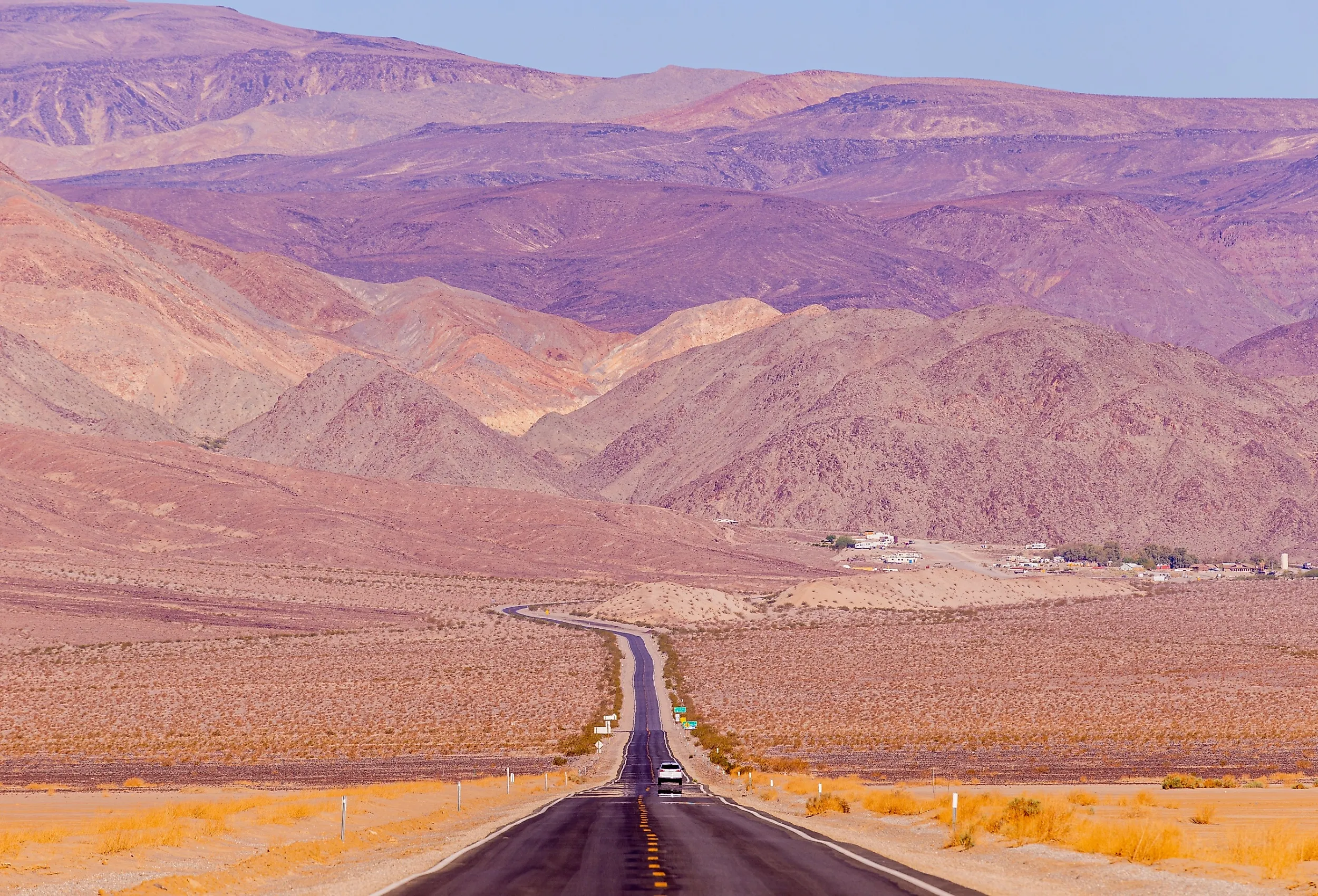
Death Valley earns its reputation every summer. Daytime temperatures regularly climb above 120 degrees Fahrenheit (nearly 50 degrees Celsius), and the valley floor retains heat long after sunset. The National Park Service (NPS) advises visitors to avoid hiking at low elevations after 10:00 am during periods of extreme heat because heat illness can develop quickly.
Those conditions affect nearly every famous stop in the park. Badwater Basin, Mesquite Flat Sand Dunes, Zabriskie Point, and Artists Drive all sit on the exposed valley floor, where shade is almost nonexistent. Even short walks become physically demanding once the pavement and surrounding rock begin radiating heat. From November through March, however, visitors can spend hours hiking the trails or photographing the dunes without fear of exposure.
Everglades National Park, Florida

Many people visit Everglades National Park hoping to see alligators, wading birds, turtles, and other wildlife. Summer makes that goal much harder to accomplish. The park's wet season generally begins in May. Rising water spreads wildlife across the landscape instead of concentrating animals near shrinking ponds and marshes. Visitors often see fewer animals from popular locations such as the Anhinga Trail and Shark Valley than they do during winter. Summer also brings high humidity, frequent afternoon thunderstorms, mosquitoes, biting flies, and the beginning of hurricane season. The dry season, which usually runs from December through April, combines cooler temperatures with some of the park's best wildlife viewing.
Saguaro National Park, Arizona
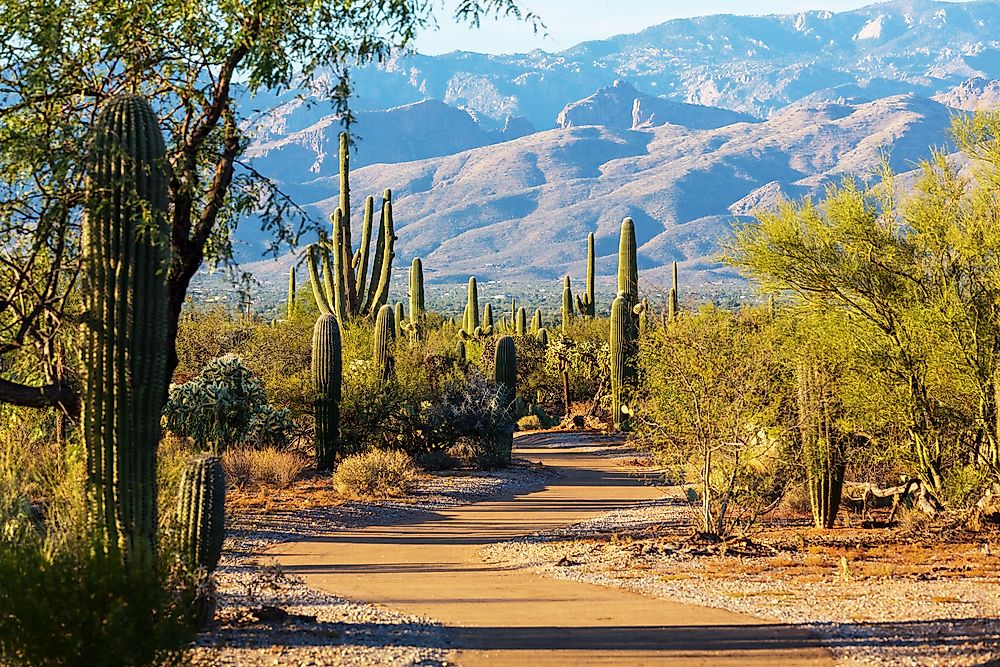
Summer transforms Saguaro National Park into an unforgiving desert landscape. Daytime temperatures commonly exceed 100 degrees Fahrenheit (38 degrees Celsius), and many trails cross open terrain without dependable shade. The NPS recommends carrying about one quart of water for every hour of hiking, as visitors who underestimate the heat can become dehydrated surprisingly quickly, even during relatively short walks. Summer afternoons also coincide with Arizona's monsoon season. Thunderstorms can develop rapidly, bringing lightning, heavy rain, strong winds, and flash flooding. February and March, on the other hand, usually provide much better hiking conditions, along with blooming wildflowers throughout parts of the Sonoran Desert.
Zion National Park, Utah

The Narrows ranks among Zion National Park's most famous hikes, but summer also brings the season's greatest danger. From July through September, monsoon storms increase the risk of flash floods. Rain does not need to fall inside the canyon to create dangerous conditions. Storms miles upstream can send powerful surges of water through the narrow passage with little warning. The NPS encourages visitors to check the daily flash flood forecast before entering any slot canyon. Heat creates another obstacle. Afternoon temperatures inside Zion Canyon often exceed 100 degrees Fahrenheit (38 degrees Celsius), making exposed trails such as Angels Landing much more strenuous than many visitors expect. Spring and fall generally combine cooler temperatures with lower flood risk, making them the better seasons to go.
Grand Canyon National Park, Arizona

The weather along the South Rim of the Grand Canyon National Park tells only part of the story. As hikers descend toward the Colorado River, temperatures rise dramatically. Phantom Ranch commonly experiences summer highs above 100 degrees Fahrenheit (38 degrees Celsius), while the climb back to the rim becomes increasingly difficult as the day warms. Every summer, park rangers respond to heat-related emergencies involving hikers who underestimate those conditions. July and August also bring the Southwest monsoon, increasing the likelihood of lightning and localized flash flooding. Visitors who plan to hike below the rim generally find much safer conditions during spring and fall.
Arches National Park, Utah

Arches National Park contains some of the country's most recognizable rock formations, but summer heat limits how comfortably visitors can experience them. Popular hikes to Delicate Arch, Landscape Arch, and Double O Arch cross exposed sandstone with almost no natural shade. Air temperatures frequently exceed 100 degrees Fahrenheit (38 degrees Celsius), while the sandstone absorbs additional heat throughout the afternoon. What appears to be a moderate hike on paper often feels much more demanding in midsummer. Spring and early fall allow visitors to spend more time exploring trails instead of limiting outdoor activities to the coolest hours of the day.
Joshua Tree National Park, California

Joshua Tree National Park rewards visitors with unusual rock formations, desert landscapes, and dark skies. However, summer makes most daytime activities considerably more difficult. Temperatures regularly climb into the triple digits, and the dry desert air accelerates dehydration. Most hiking trails have little shade, so even short outings require careful planning. As in Zion National Park, the NPS recommends carrying at least one gallon of water per person each day. Between October and April, cooler temperatures make hiking, rock climbing, and sightseeing far more enjoyable than they are during the hottest months.
Congaree National Park, South Carolina

Congaree National Park protects one of the largest remaining old-growth bottomland hardwood forests in the United States. Summer also marks peak mosquito season. Warm temperatures, standing water, and frequent rainfall create ideal breeding conditions for insects. The park even posts a mosquito meter near the Harry Hampton Visitor Center, and ratings sometimes reach the highest category, humorously labeled "War Zone." Humidity adds another challenge beneath the forest canopy, while heavy rain occasionally floods trails and low-lying sections of the park. Late fall and winter bring cooler temperatures, along with fewer insects and more comfortable hiking conditions.
Great Sand Dunes National Park and Preserve, Colorado

Summer afternoons create two problems at Great Sand Dunes National Park and Preserve: scorching sand and rapidly developing thunderstorms. The dune surface can become hot enough to burn bare feet during sunny afternoons. Climbing High Dune, or the taller Star Dune deeper in the dunefield, can be exhausting because visitors cross open sand with no shade or sun protection. Thunderstorms frequently develop later in the day, bringing lightning to one of the most exposed landscapes in the National Park System. Early-morning visits reduce those risks, but September generally offers cooler sand and more comfortable hiking conditions.
Timing Can Matter More Than Destination
Choosing the right season often determines whether a national park feels rewarding or exhausting. Death Valley, Joshua Tree, Saguaro, and Arches become safer and far more enjoyable once extreme summer heat fades. Everglades National Park delivers better wildlife viewing during the dry season, while Zion and Grand Canyon National Parks become less hazardous when monsoon storms subside. Before visiting any national park, check the latest conditions on the National Park Service website. Weather alerts, trail closures, flash flood forecasts, wildfire activity, and seasonal advisories can change quickly, even within the same month.