The National Parks Where Grizzlies Still Roam
Few moments in the American wilderness match the sight of a grizzly bear moving across open country. Once ranging across much of North America, grizzlies now live in only a fraction of their historic territory, which makes the national parks where they remain worth knowing for anyone drawn to wildlife and wild places. These protected lands stretch across mountain valleys, remote forests, and alpine meadows, and a visitor has a real chance to watch grizzlies in habitat that also sustains the wider ecosystem. For anyone hoping to see one of these powerful animals, the parks below rank among the best places to look.
Glacier National Park

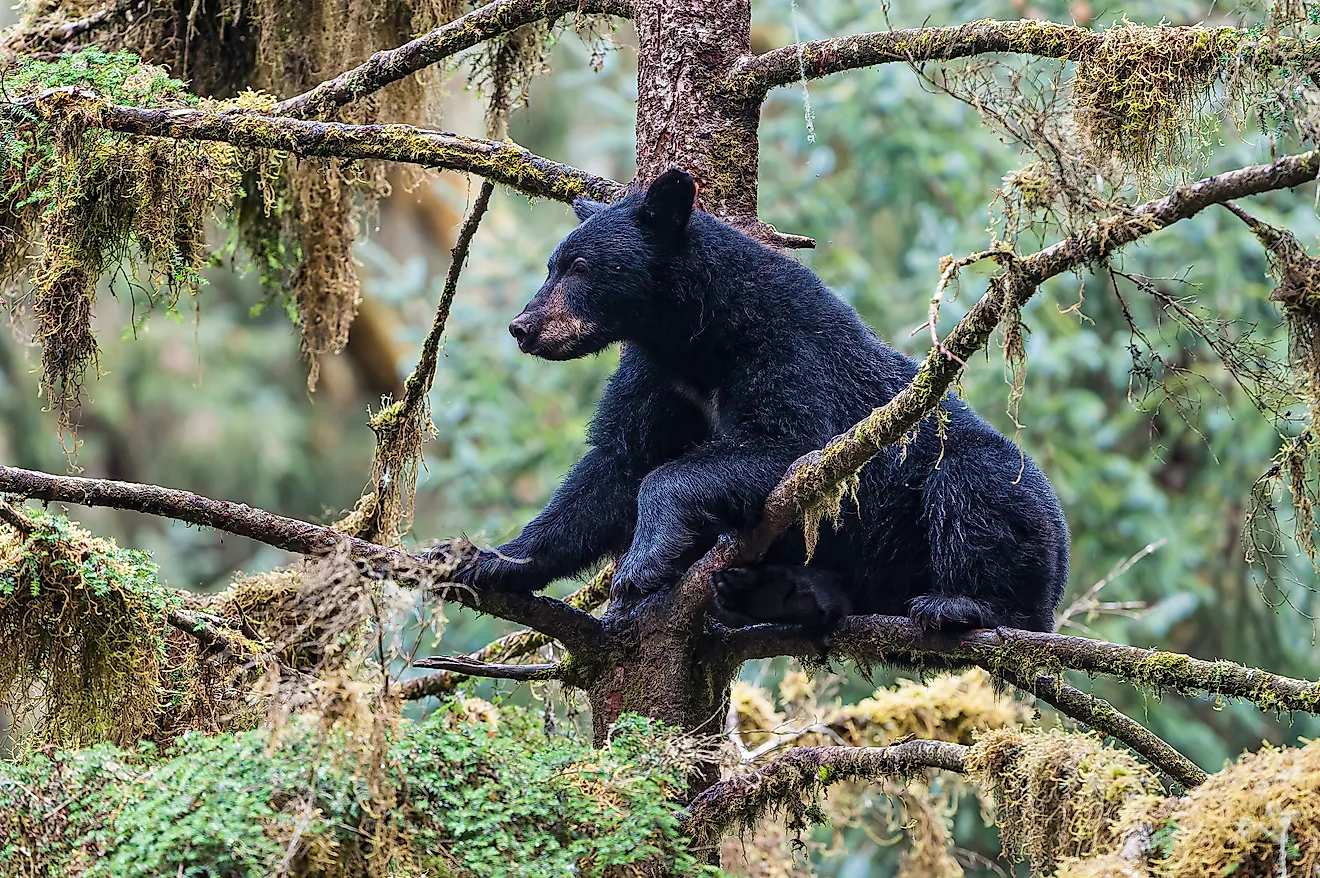
Glacier National Park spans 1,583 square miles of Montana's Rocky Mountains, with hiking, biking, and auto routes threading through alpine terrain. One of the densest grizzly populations in the lower 48 lives within its boundaries. The grizzly is a North American subspecies of the brown bear, and a large male can weigh more than 800 pounds, stand about 3.5 feet at the shoulder on all fours, and sprint up to 35 miles per hour over short distances. Researchers estimate that nearly 1,000 bears, black and grizzly combined, live within the park, with roughly 300 of them grizzlies. Follow the safety protocols posted by the National Park Service to keep both yourself and the bears safe on a visit.
Yellowstone National Park

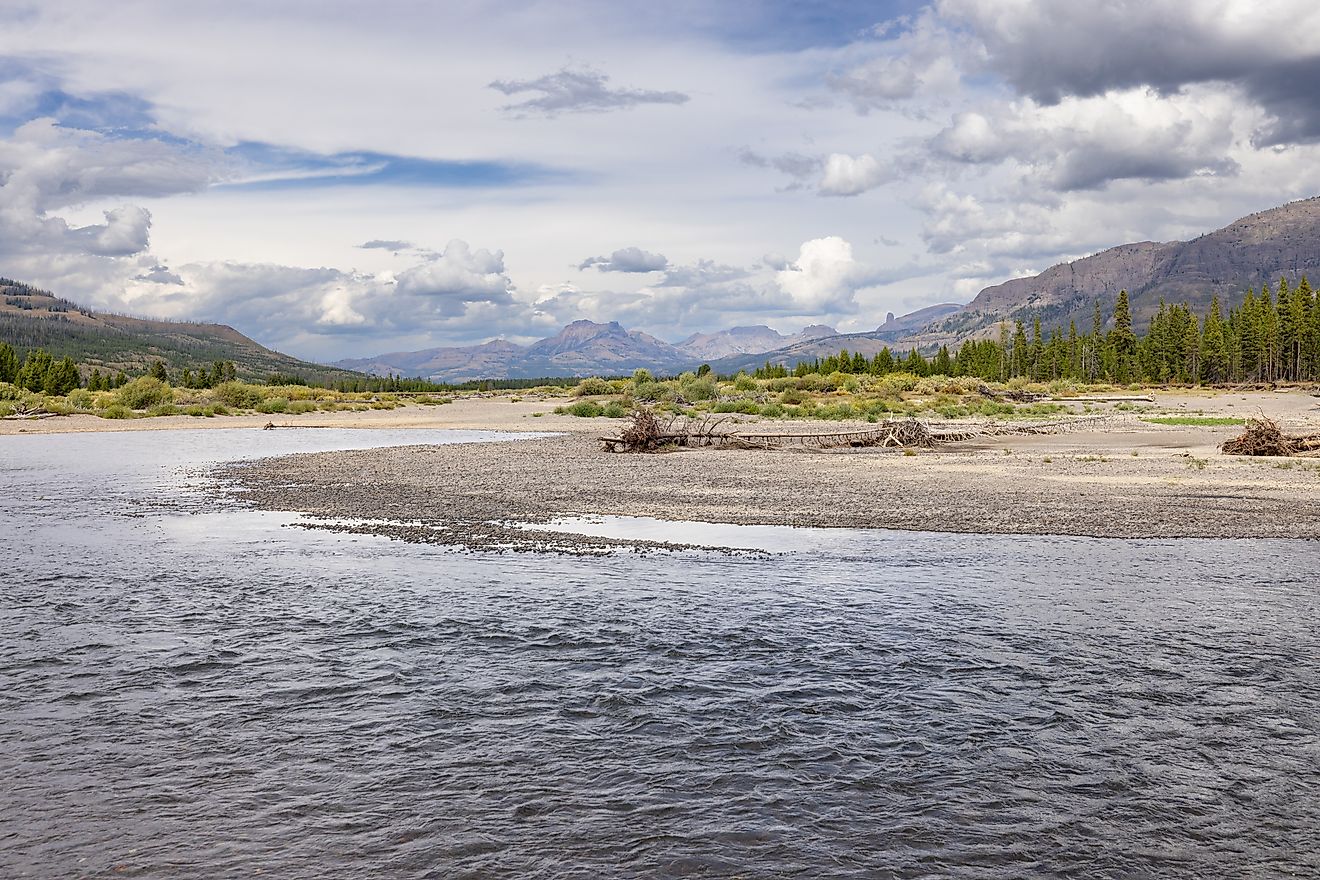
Yellowstone covers roughly 3,470 square miles across Wyoming, Montana, and Idaho, and it was the first national park established anywhere in the world, in 1872. It draws visitors for its hot springs, wildlife, and rugged high country. The National Park Service describes the whole park as grizzly and black bear country, from backcountry trails to the boardwalks and parking lots around Old Faithful. Rangers stress that no visitor's safety can be guaranteed, but that people can take an active role in protecting themselves and the bears. They recommend carrying bear spray, and NPS.gov covers bear safety within the park in detail.
Grand Teton National Park

Just south of Yellowstone sits Grand Teton National Park, a 310,000-acre expanse in northwestern Wyoming. The two parks share the grizzlies of the Greater Yellowstone Ecosystem, a population that has recovered to roughly 1,000 bears across the region. Many of the busiest hiking trails run straight through prime bear habitat, so an encounter is far from unusual here. Carry bear spray and stay alert whether biking, hiking, or driving a scenic route through the park. The National Park Service asks visitors to keep at least 100 yards from all bears and wolves.
North Cascades National Park

North Cascades National Park covers more than 500,000 acres of alpine wilderness in northern Washington, a landscape sometimes called the American Alps for its jagged peaks, plunging water, and more than 300 glaciers. The park lists 75 mammal species across 21 families, including three protected under the Endangered Species Act. Grizzlies were hunted out of the region decades ago and are now considered absent from the North Cascades, but the park sits inside a federally designated grizzly recovery zone. In April 2024, the National Park Service and U.S. Fish and Wildlife Service approved a plan to reintroduce grizzlies here, though as of 2026 no bears have been released yet.
Denali National Park & Preserve

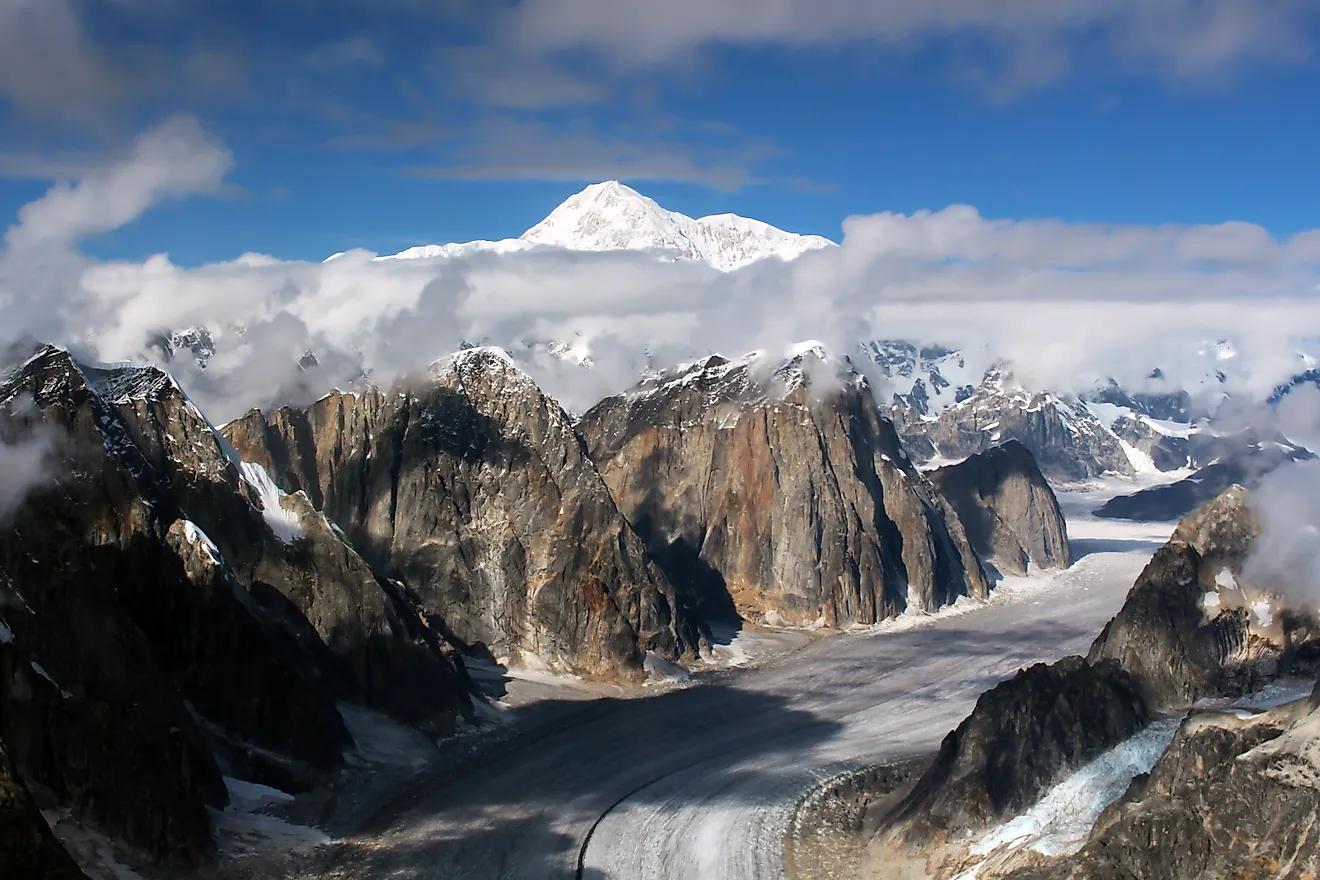
Denali National Park & Preserve in central Alaska was set aside in 1917, originally as Mount McKinley National Park, after conservationists pushed to protect its Dall sheep from overhunting. The Alaska National Interest Lands Conservation Act expanded it to more than 6 million acres in 1980 and restored the Athabascan name Denali, meaning "the high one," for North America's tallest peak. Researchers estimate about 300 to 350 grizzlies range across the north side of the Alaska Range, with likely higher densities in the salmon-fed south. Interior grizzlies here run smaller than coastal bears, typically up to 600 pounds, and feed on grasses, berries, roots, small mammals, and the occasional caribou or moose calf. Visitors find some of the best bear viewing in the state along the 92-mile Denali Park Road.
Lake Clark National Park & Preserve

Lake Clark National Park & Preserve in southwest Alaska takes in volcanoes, mountains, turquoise lakes, and stretches of prime bear country. Alaska holds about 95 percent of America's grizzlies, and Lake Clark supports a healthy share of them. Behavior and diet vary widely by habitat. Along the park's Cook Inlet coast, many of the park's brown bears gather in the estuaries where rivers meet the sea. Salmon and clams in the water and berries on the hillsides supply coastal bears enough protein to reach 1,000 pounds or more before hibernation. Bears farther inland run smaller, since food is scarcer and harder to reach. They lean more on berries, roots, insects, and ground squirrels, with an occasional caribou carcass or moose calf for protein.
Glacier Bay National Park & Preserve

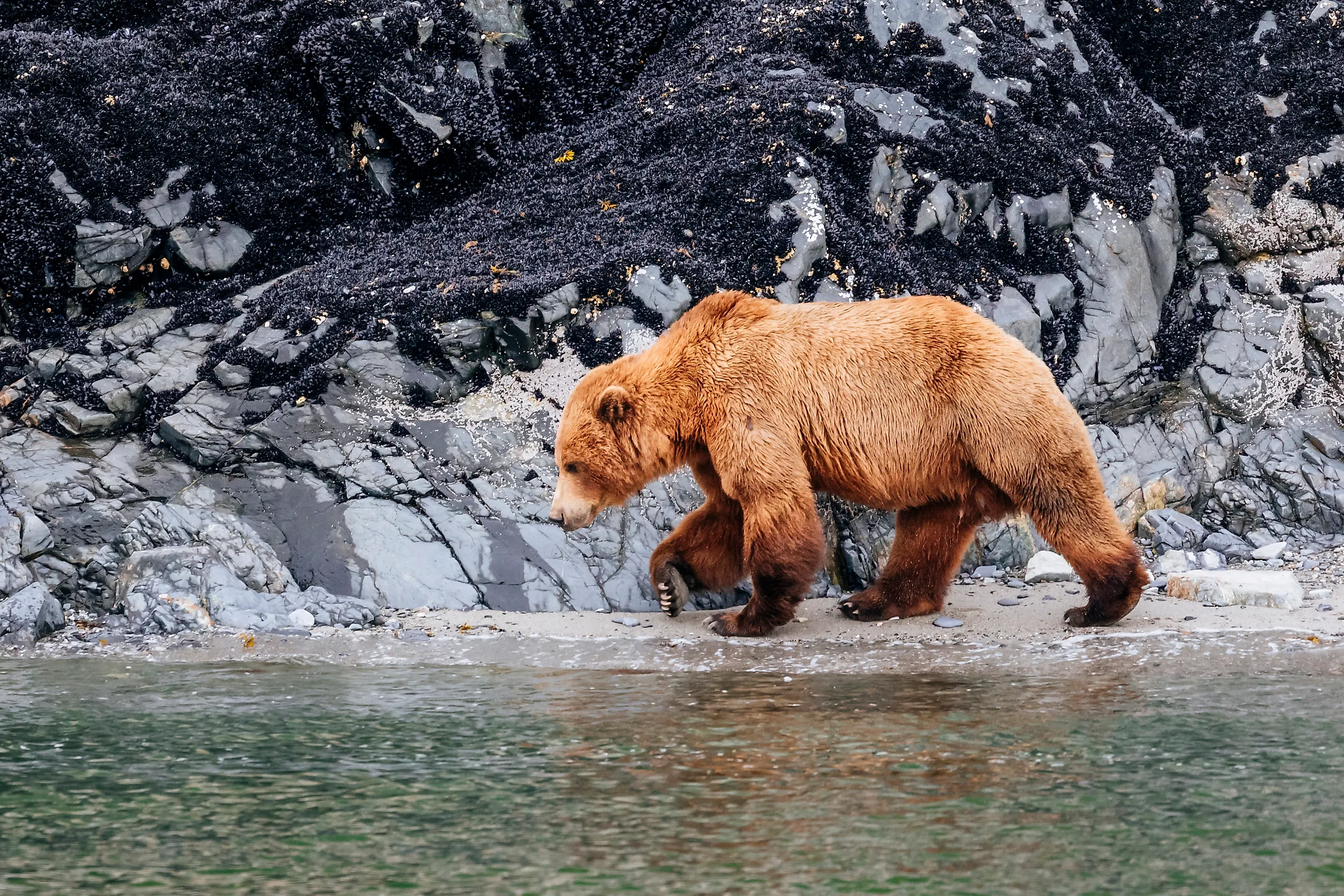
Glacier Bay National Park & Preserve covers 3.3 million acres of mountains, active glaciers, temperate rainforest, wild coast, and deep fjords. A visitor is not guaranteed a bear sighting, but along the bay's 1,100 miles of coastline, few beaches show no sign of bear activity. Bears visit most of the islands in the bay routinely and turn up almost anywhere, so it pays to stay alert and read up on bear safety before the trip.
Kobuk Valley National Park

Kobuk Valley National Park lies in the Arctic reaches of northwestern Alaska, where a mix of terrain sustains a wide range of wildlife. Caribou are the animal visitors see most often, crossing the sand dunes and the Kobuk River during their spring and fall migrations. Moose wade the park's swampy ground, and Dall sheep work the higher slopes. Grizzlies range throughout, so carry bear spray and stay alert.
Gates of the Arctic National Park & Preserve

Gates of the Arctic National Park & Preserve is the northernmost national park in America, set above the Arctic Circle in the central Brooks Range, the northern end of the Rocky Mountains. Its 8,472,505 acres take in rugged peaks, glaciated arctic valleys, wild rivers, and lakes, with no roads or maintained trails anywhere inside. The brown bears here differ from those on Alaska's southern coast in both body and behavior. Arctic grizzlies stay mostly solitary and cover long distances in search of green vegetation, berries, live prey, or carrion. With high-calorie food scarce, they never reach the size of the coastal bears along Katmai and Lake Clark.
Why These Wild Places Still Matter
The parks on this list span two very different grizzly worlds: the recovering populations of the northern Rockies, where a few hundred bears share crowded trails with hikers, and the vast Alaskan wilderness, where tens of thousands range across country most people will never walk. Seeing a grizzly in the wild can be the memory of a lifetime, but it should always happen at a distance and on the animal's terms. These places are more than viewpoints; they preserve the space grizzlies need to survive. A track in the mud or a dug-up hillside is reminder enough of why protecting America's remaining wilderness still counts.