The Best National Parks In The Upper Midwest
In the Upper Midwest states of Michigan, Minnesota, and the Dakotas, there are five national parks. All of these parks are beautiful in their own right but three in particular stand out for their isolated landscapes and cultural significance.
These national parks also showcase the complex interaction between humanity and nature, dating back to prehistoric times when Natives dug up copper on an island in Lake Superior, the French voyageurs who once carried furs through the northern lakes, and a young man's nature retreat following a devastating personal loss that would later guide his conservation policies as president. These are the three best national parks in the Upper Midwest.
Isle Royale National Park

Isle Royale National Park is an archipelago of islands covering 132,018 acres within Lake Superior, the largest of the Great Lakes by surface area and volume. As Michigan's only national park, Isle Royale has one large island called Isle Royale, which is 45 miles long and more than 450 smaller ones in its archipelago, and it consists of a total of 894 square miles. Its isolated landscape, fishing, scuba diving, and interior lakes have made it a popular trip for those in Michigan and the Great Lakes region.
The park's geology is shaped by the same forces that created Lake Superior, as two miles of ice pressed it down during the last Ice Age 11,000 years ago, before melting and leaving behind its islands.
There is evidence of human settlement in Isle Royale National Park dating back 4,500 years, with signs of copper mining. Settlers would later note the sheer number of copper deposits that were found in the soil. Mining was rekindled in the 1840s and lasted until 1893, when the land was refocused towards commercial fishing. Visitors today can see some of those mines, such as the Smithwick Mine from 1849, or stand atop the Rock Harbor Lighthouse built in 1855 to guide passing boats.

Despite the rugged character of Isle Royale National Park, it has several easy hiking trails, such as Stoll Memorial Trail, which traces through the wilderness by the shoreline of Lake Superior, or Suzy's Cave, a sea arch on the eastern end of Isle Royale. Boaters often carry their canoes on foot to the Paddle and Portage Lakes, which are located inside Isle Royale.
Isle Royale was established as a national park in 1940 and designated a wilderness area in 1976, and today it is only accessible by ferry or seaplane. From here, they can access 165 miles of trails, 36 campgrounds, and Mount Desor, which stands 1,394 feet and is accessible from the Greenstone Ridge Trail. Cell phone coverage is very limited here, save for a few high elevation spots.
The wildlife here is isolated from the mainland, and many are recent arrivals, such as the gray wolf. These first arrived in the park in the late 1940s and are believed to be descended from one family. They are the apex predator of the park, and have been known to work together to take down the largest mammal in the park, the moose. The moose here are closely related to those in northwestern Minnesota, far away from the park. This has led some scientists to believe that humans brought moose here in the 1900s.
There have been no reported fatalities from moose in the park. However, wildlife authorities recommend keeping a safe distance, especially in the fall when bulls show more aggression.
Voyageurs National Park

Voyageurs National Park is the only national park located in Minnesota. It sits right on the Minnesota-Ontario border on the Kabetogama Peninsula. It gets its name from the French traders who brought furs and other goods back and forth through the lakes and streams.
The park consists of a mixture of lakes and boreal forests, and was settled by homesteaders in the 1870s, who largely displaced the Bois Forte Ojibwe people. They primarily engaged in logging, especially of white and red pine. In 1975, 218,000 acres of this land were designated as a national park.

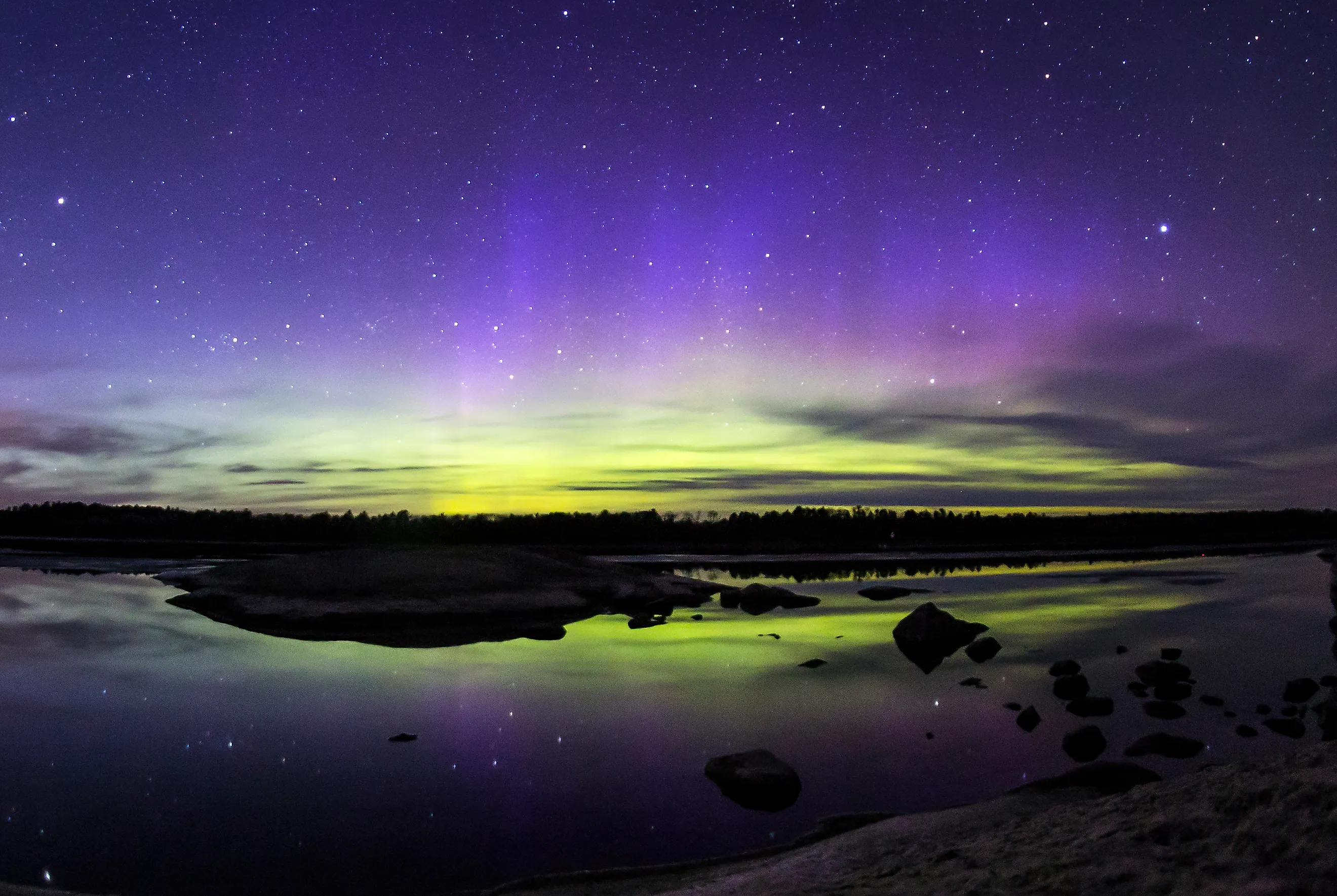
What stands out about this park is its Arctic sites, especially up in the night sky. The Aurora Borealis shines regularly on clear and dark nights, especially during the winter. They typically appear as stretches of light in green, yellow, red, blue, or purple. The winter is a popular time to visit this park due to the skiing and snowshoeing trails that open up when the lakes freeze over. Anglers also regularly come to this lake to find the 54 species of fish, including the highly sought-after trophy fish walleye.
As befitting its name Voyageurs, some of the park's most interesting landmarks were made by humans, such as the Ellsworth Rock Gardens. Jack Ellsworth used his skills in art and engineering to craft more than 200 rock sculptures shaped like tables and stone chairs, along with 62 flower beds. It can be seen at Lake Kabetogama.
Much like Isle Royale, moose are the largest mammals here, and they are closely tied to the wolf population, which is their primary predator. Voyageurs has more than 240 bird species that live here, which has earned it a designation as an Important Birding Area by Audubon. Its most iconic bird is the common loon, which is primarily found in the North Woods section, which gives off an unusual call that sounds like a mountain yodel.
Theodore Roosevelt National Park

The Dakotas have three national parks, but only one is named after a US President who would go on to establish conservation policies that still guide national parks to this day. Located in North Dakota, Theodore Roosevelt National Park was a formative space for young Teddy Roosevelt, who traveled here in 1883 to explore and hunt bison in what was then the Dakota Territory. The next year, he came back to this area following the death of his mother and wife on the same day, and he established a ranch. In 1947, President Harry Truman signed a bill officially establishing it as a park, making it the only memorial national park in the U.S.

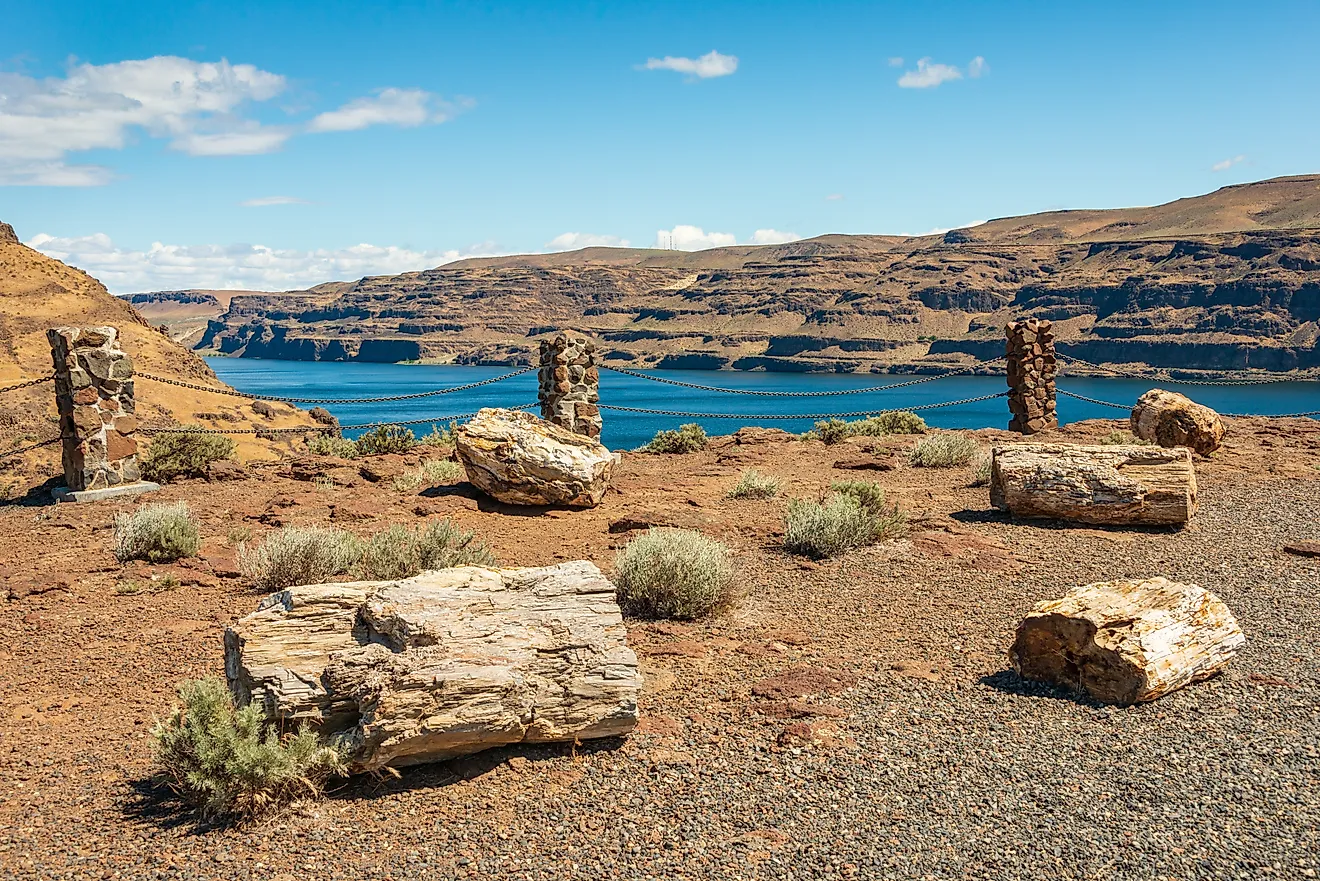
One of the park's most photographed sites is the Painted Canyon. These rock buttes consist of several layers of rocks, which were gradually formed by rivers depositing sediments over millions of years, forming layers of several different types of rocks of differing colors and erosion levels. Another way to see the hills is by taking a short hike up Buck Hill, one of the highest points in the park at 2,855 feet elevation, which is considered the best stargazing site in the park. The rivers that formed the painted canyons also preserved fossilized forests through the Petrified Forest Loop. This national park has the third largest concentration of petrified wood in the U.S.
As far as wildlife is concerned, bison are the largest mammals one can see here. They were brought here in 1956 from a wildlife refuge in Nebraska and today have grown to up to 700 within the North and South Units amid prairie roads and trails. Prairie dogs are another common sight, visible from a prairie dog town off the Buckhorn Trail.
Lastly, the national park has preserved historic sites related to Teddy Roosevelt, such as the Elkhorn Ranch Site, where he established himself in 1884 as a place of solitude and healing. The first cabin he stayed at in 1883 has been restored by park authorities as the Maltese Cross Cabin.
Walking in the Voyageurs' Footsteps
Across these national parks, visitors may unknowingly walk long-trodden paths. They can walk by where prehistoric humans mined for copper on Isle Royale, or where Teddy Roosevelt went hunting for bison in North Dakota, or where the French voyageurs traversed the lakes and streams in search of Native peoples to trade with. What all of these national parks share in common is their remote, rugged character, whether that's on an archipelago in the middle of the largest freshwater lake by surface area on earth, in the painted canyons formed by ancient waters, or in the cold waters of Minnesota where the Aurora Borealis shines over the night sky.