The Most Isolated Mountain In The Lower 48
"Most isolated" sounds like it should describe a lonely desert butte with nothing around it for a hundred miles. But in mountain geography, isolation has a very specific meaning, and by that definition the loneliest peak in the contiguous United States is a slightly surprising winner: Mount Whitney, the tallest mountain in the Lower 48. Even stranger, Whitney earns the title precisely because it is surrounded by other big mountains. Confused? Stick with it, because the reason is one of the more surprising quirks in American geography.
The Answer: Mount Whitney

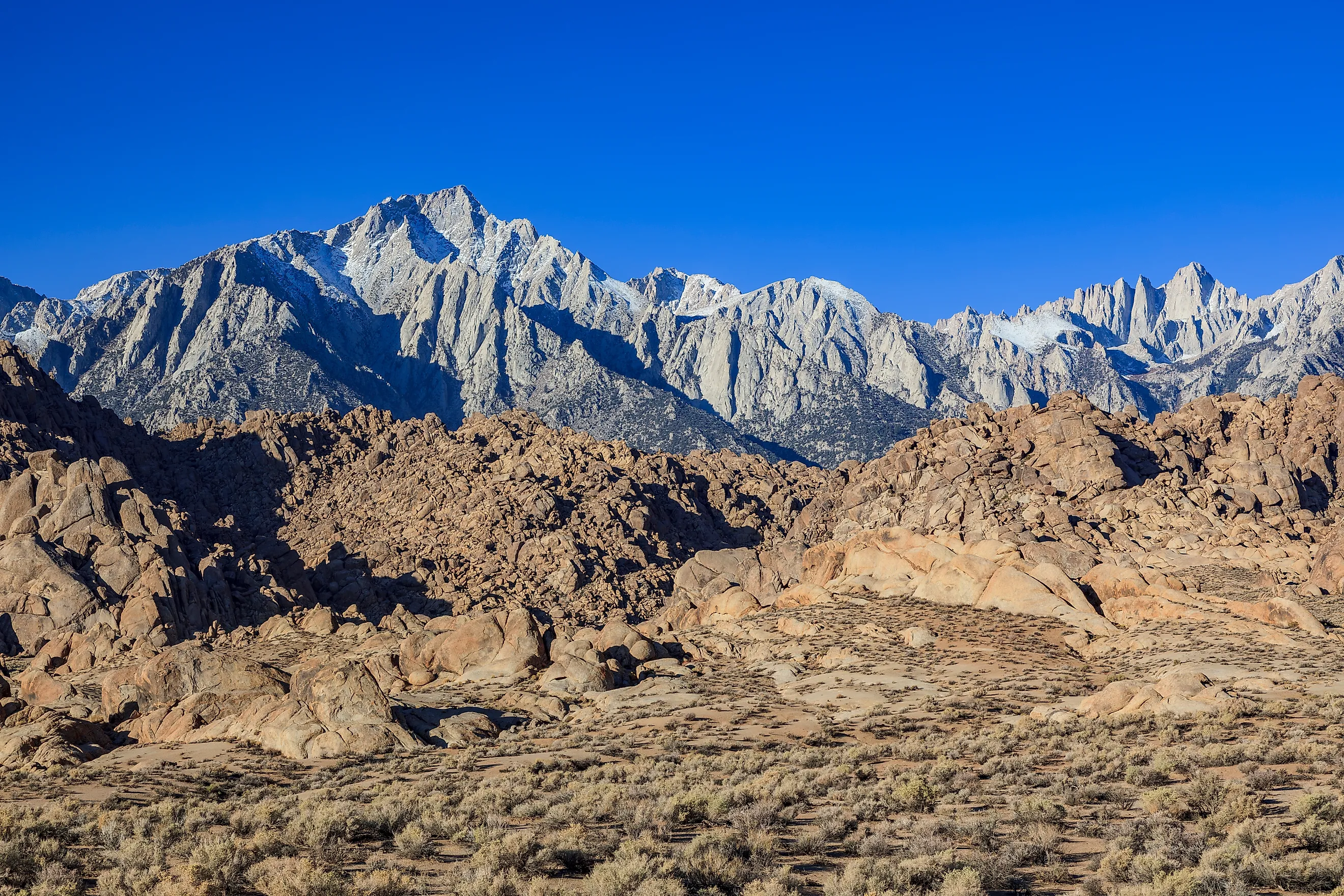
Rising to 14,505 feet on the crest of California's Sierra Nevada, Mount Whitney is the highest point in the Lower 48. It is also, by the measure geographers call topographic isolation, the most isolated, with a jaw-dropping isolation figure of about 1,646 miles. That number represents the distance you would have to travel from Whitney's summit to reach any ground that is higher, and no other peak in the contiguous states comes close. It is such an outlier that Whitney ranks among the two dozen most isolated mountains on the entire planet, keeping company with giants like Everest, Denali, and Kilimanjaro.
What "Isolation" Really Means

Here is the key to the whole puzzle. Topographic isolation is the straight-line distance from a summit to the nearest point of equal or greater elevation. It is a measure of a mountain's dominance, of how far its "territory" extends before something taller interrupts it. Crucially, it is not the same thing as prominence, which measures how far a peak rises above the low ground around it. A mountain can have modest isolation but soaring prominence, or the reverse. Isolation is purely about one question: how far is it to higher ground? And for the single highest peak in a vast region, that distance can be enormous.
Why the Tallest Peak Wins

This is the counterintuitive twist. Mount Whitney does not look lonely at all. It stands shoulder to shoulder with a whole crowd of other soaring Sierra Nevada summits, several of them barely shorter than Whitney itself. But "barely shorter" is the operative phrase, because not one of them is taller. Since Whitney is the highest point in the entire Lower 48, you cannot find higher ground anywhere in the contiguous states, no matter which direction you walk. You have to keep going, across all of California, across the deserts of the Southwest, across the border, and roughly 1,646 miles south to a volcano called Nevado de Toluca in central Mexico before you finally reach a spot that looks down on Whitney. Being the tallest is exactly what makes it the most isolated.
Isolation vs. Prominence: Meet Mount Rainier

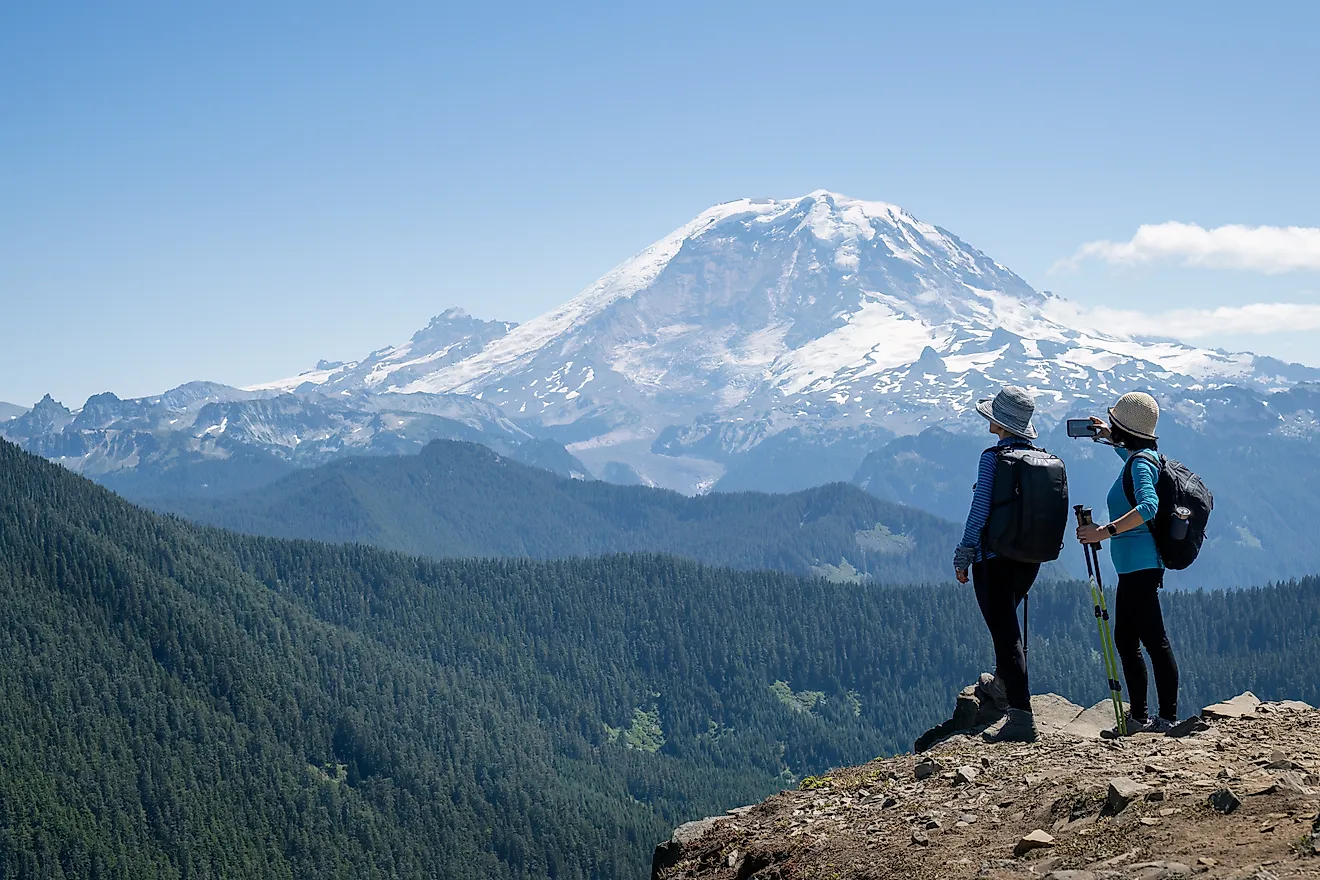
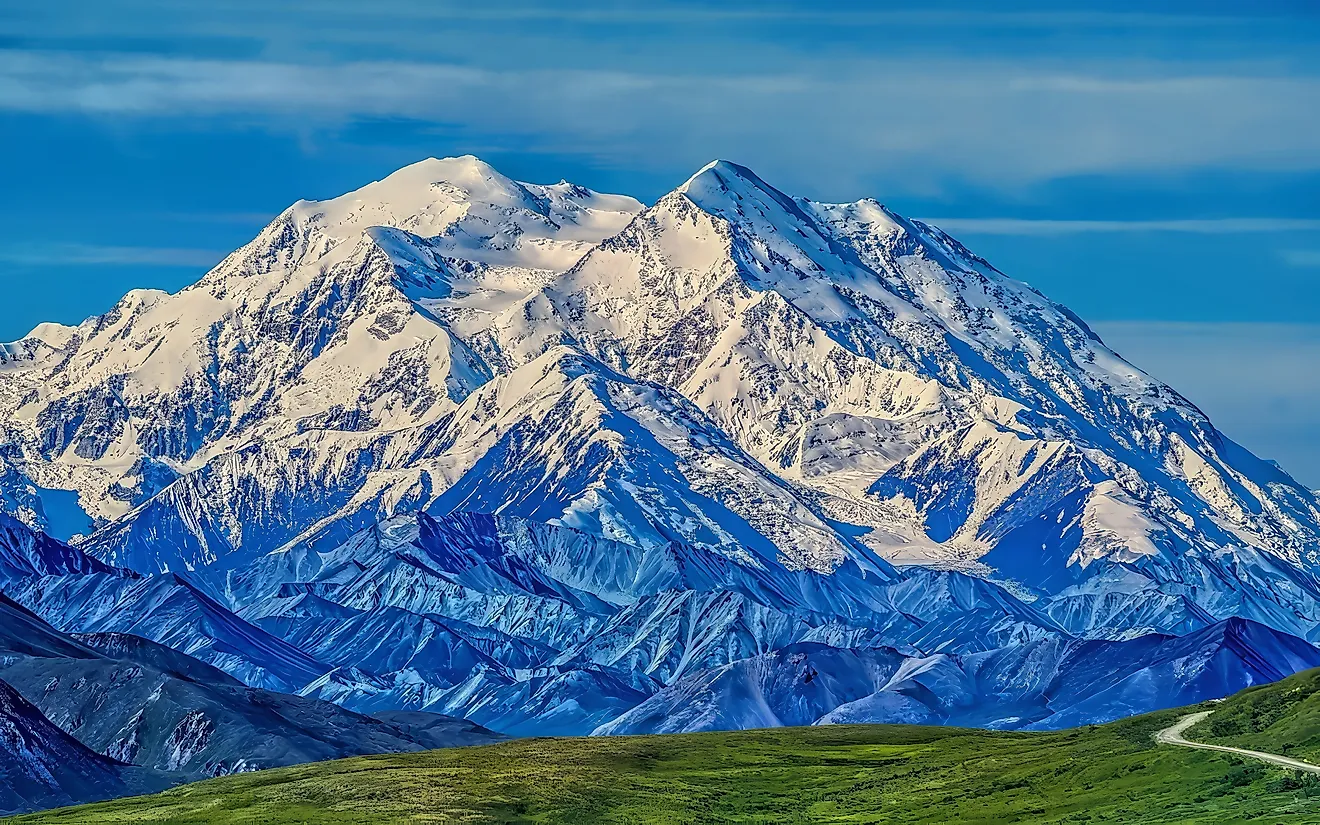
If you want the peak that actually looks the most alone, that honor goes to Mount Rainier in Washington. Rainier is the most topographically prominent mountain in the Lower 48, heaving itself more than 13,000 feet above the surrounding lowlands as a solitary, glacier-cloaked volcano that dominates the horizon for a hundred miles. It genuinely stands apart in a way Whitney never does. Rainier is also the second most isolated peak in the contiguous states, at around 731 miles, so it is no slouch there either. The two mountains neatly capture the difference between the metrics: Rainier is the champion of rising alone, while Whitney is the champion of sheer distance to anything taller. (For the record, the most isolated peak in the whole country is Alaska's Denali, whose nearest higher ground sits an astonishing 4,600-plus miles away in Asia.)
Standing on the Loneliest Summit

There is something quietly staggering about all this when you stand on top. From Whitney's granite summit, marked by a small stone hut, every single direction is literally downhill, and stays that way for over a thousand miles. You are, in the most technical sense possible, on top of the contiguous United States, and nothing on the entire landmass rises to meet you. Ironically, this "most isolated" peak is also one of the most popular climbs in the country, with a well-worn trail and a permit lottery to match, so on a summer morning the loneliest mountain in the Lower 48 can be downright crowded. But the geography does not care about the foot traffic. By the cold, hard math of isolation, Mount Whitney stands more alone than any of its rivals, simply by standing taller.