The Lakes America Built And Then Regretted
In the 20th century, America dammed its rivers with extraordinary confidence, throwing up reservoirs to power cities, water farms, and tame floods. Most of them did their jobs. But a number of those lakes drowned things that could never be replaced, scenic wonders, sacred homelands, and entire ecosystems, and the country has been quietly, and sometimes very loudly, regretting them ever since. Here are the lakes America built and then wished it had not.
Hetch Hetchy Reservoir, California

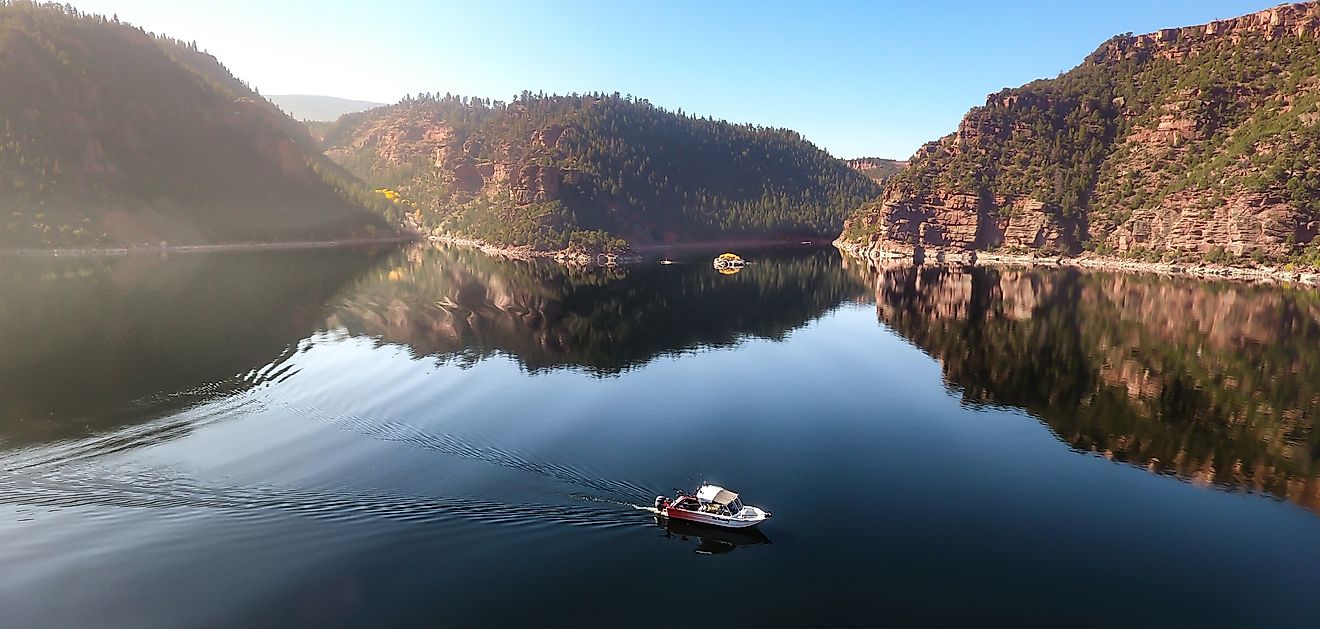
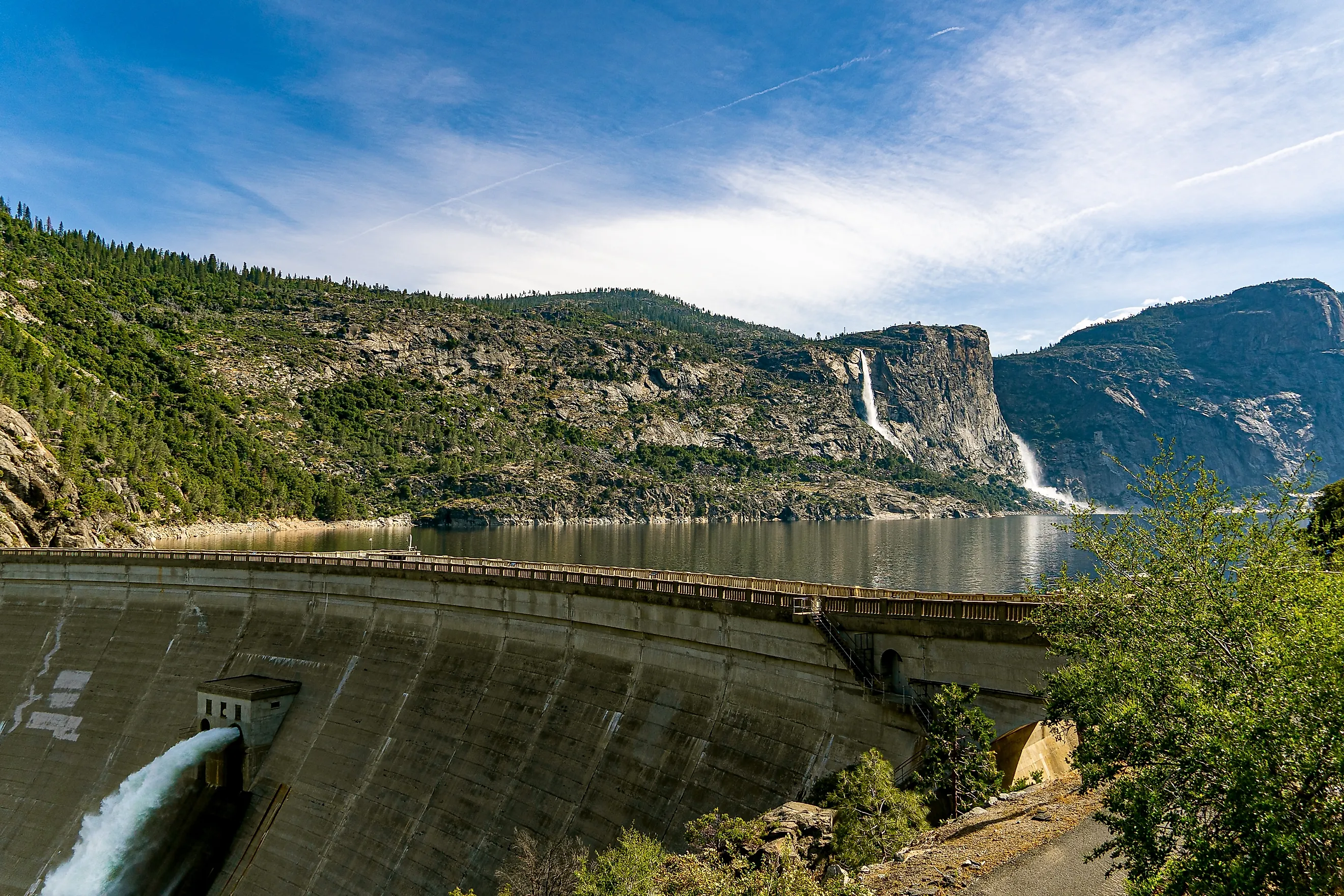
Here is the great cosmic joke of American conservation: the country was blessed with two Yosemite Valleys, and promptly decided one was plenty. The Hetch Hetchy Valley, sitting inside Yosemite National Park, was by many accounts nearly the equal of its famous neighbor, all glacier-carved meadows and soaring granite. In 1923, San Francisco dammed and flooded it for water and power anyway, over the furious protests of naturalist John Muir, who called the valley one of "nature's rarest and most precious mountain temples" and was heartbroken by its loss. That fight helped launch the modern environmental movement, and a stubborn campaign has been trying to drain the reservoir and get the valley back for roughly a century now, which is a very long time to spend asking for a refund.
Lake Powell, Arizona and Utah

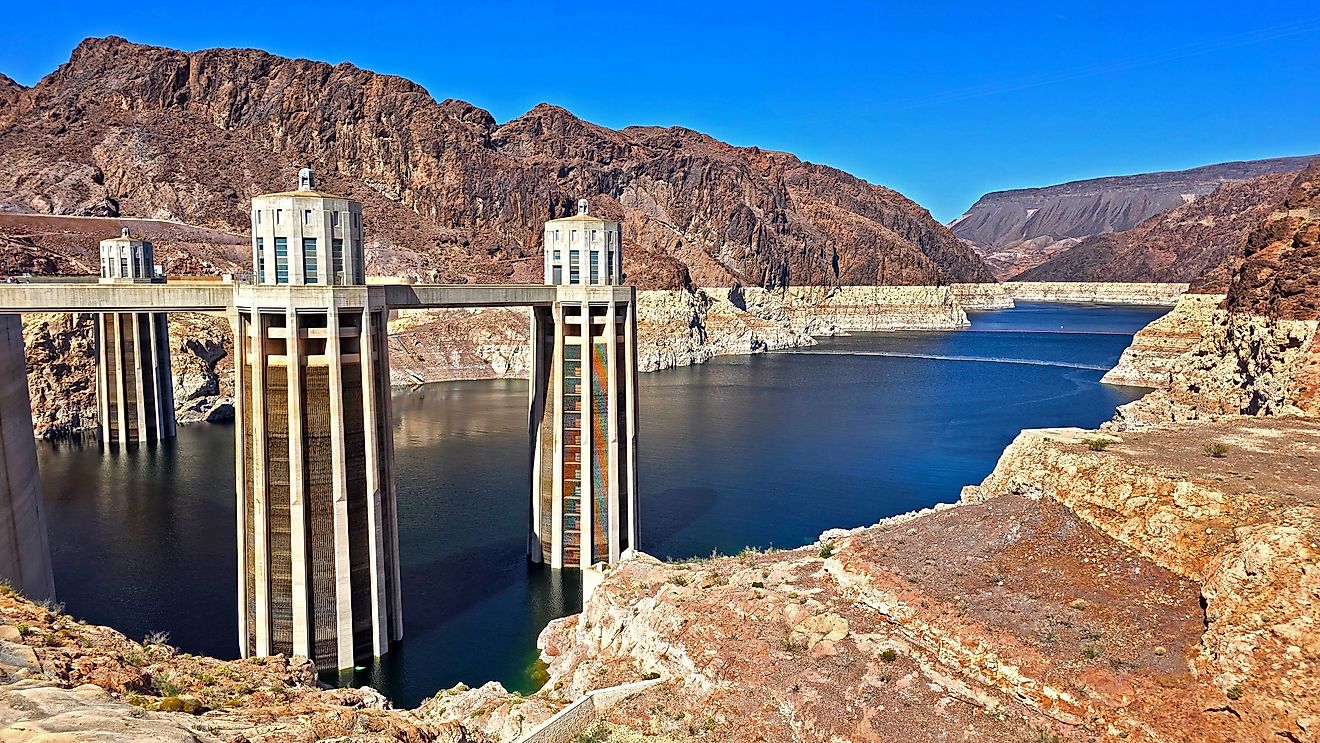
When Glen Canyon Dam was finished in the 1960s, it flooded Glen Canyon, a maze of red-rock side canyons that hardly anyone had ever seen, so almost nobody realized what they were losing until it was gone. The Sierra Club's David Brower had reluctantly signed off on the dam to stop a different one elsewhere, and he spent the rest of his life calling it his single biggest mistake. The regret has only aged worse: Lake Powell loses enormous quantities of water to evaporation and to seepage into its porous sandstone walls. A reservoir built to save water that instead quietly leaks it into the ground and puffs it into the sky is a bit like a savings account with a hole in the bottom, which is precisely why there is now a serious plan, nicknamed "Fill Mead First," to drain the thing into Lake Mead downstream.
Lake Sakakawea, North Dakota

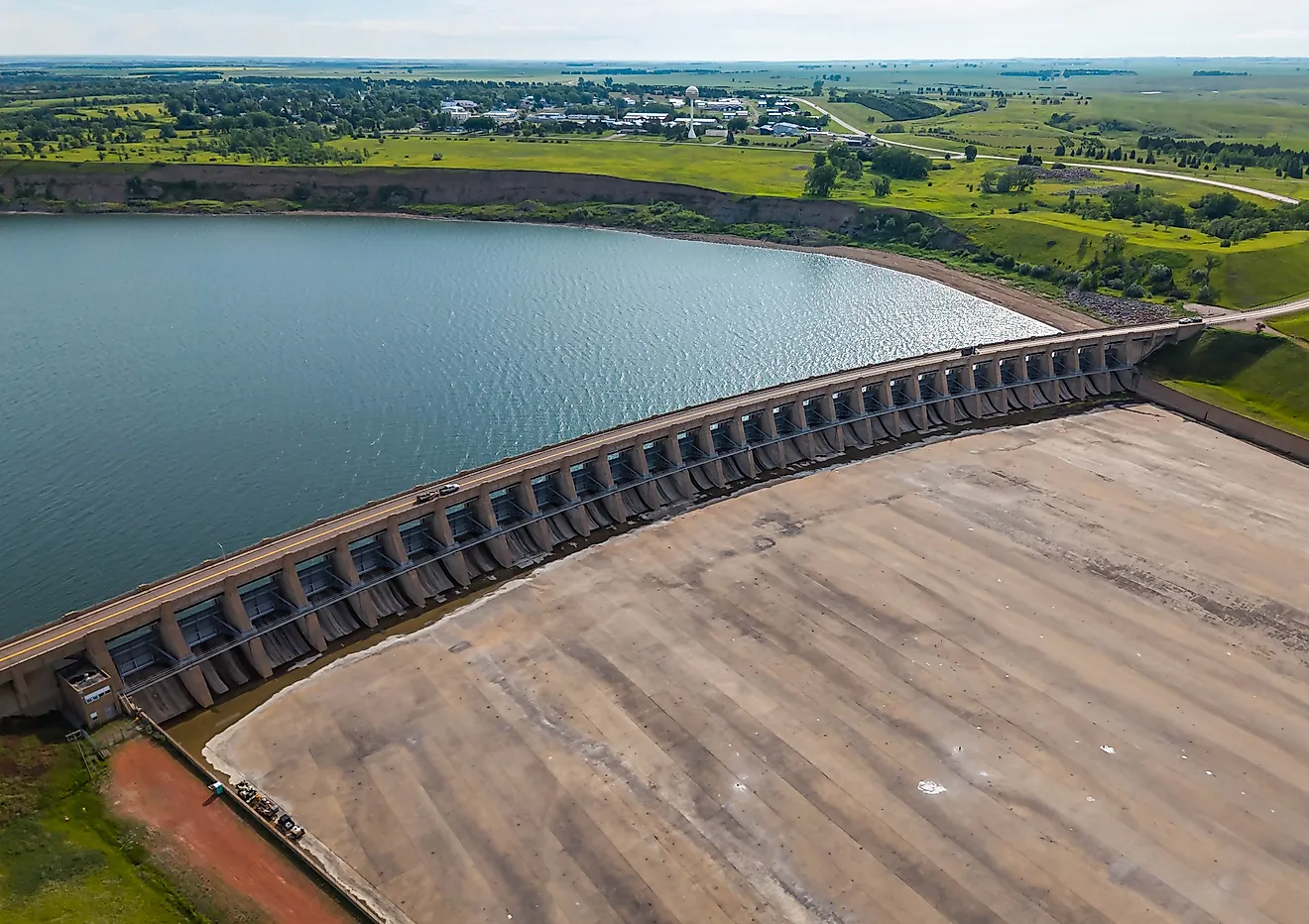
Not every regret is a punchline, and this one certainly is not. In the 1950s, the federal government built Garrison Dam and created Lake Sakakawea, flooding roughly 150,000 acres of the Fort Berthold Reservation, the fertile bottomlands that were home to the Mandan, Hidatsa, and Arikara Nations. The tribes lost their best farmland, their towns, and much of their way of life in a single stroke. The photograph of tribal chairman George Gillette weeping as the deal was finalized in 1948 remains one of the most searing images of the injustice that so many of these projects inflicted.
Allegheny Reservoir, Pennsylvania

A strikingly similar wrong played out in the East. The Kinzua Dam, completed in 1965, created the Allegheny Reservoir and flooded some 10,000 acres of the Seneca Nation's land, forcing hundreds of people from their homes and breaking the Treaty of Canandaigua, an agreement the United States had signed with the Seneca back in 1794. The betrayal was stark enough that Johnny Cash put it to music in his mournful ballad "As Long as the Grass Shall Grow." It is a reminder that "regret" is a gentle word for what some of these reservoirs really cost.
The Klamath Reservoirs, California and Oregon

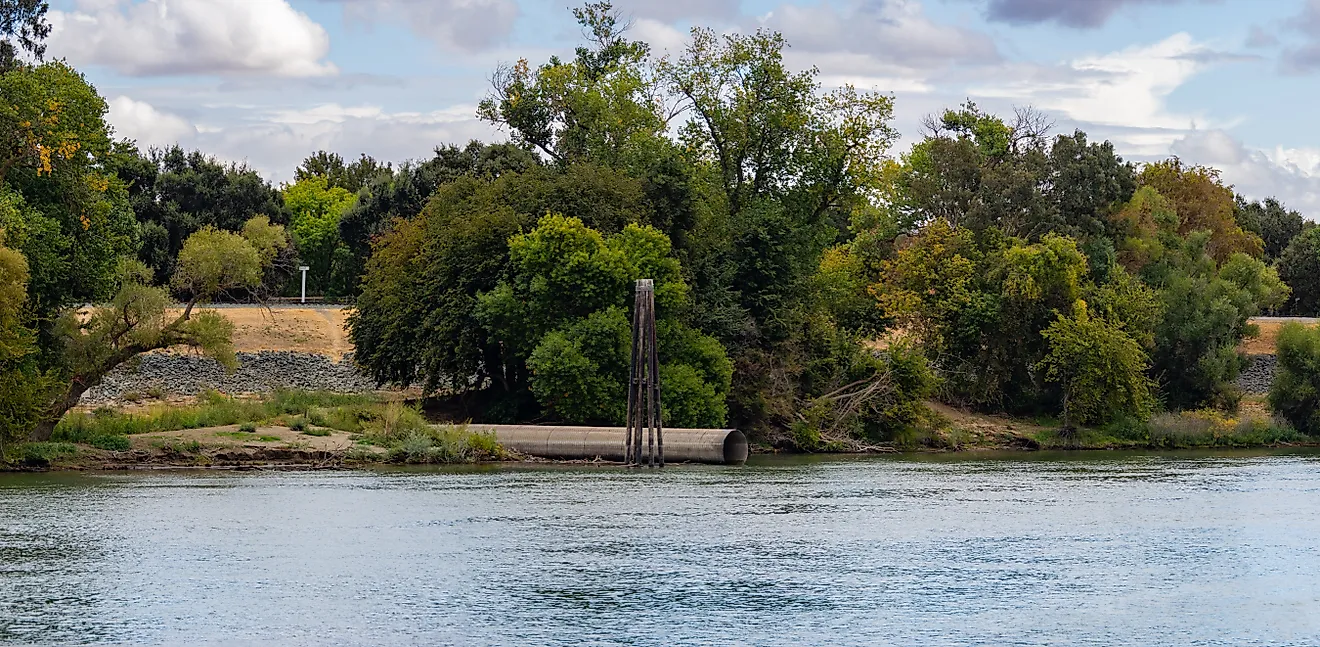
Some regrets you simply live with. This one, America took a wrecking ball to. For about a century, a chain of dams on the Klamath River created reservoirs that blocked one of the West Coast's great salmon runs and devastated the Native tribes who had depended on the fish for generations. In 2024, after decades of dogged advocacy, the whole lot finally came down in the largest dam-removal project in United States history, draining the reservoirs and letting the river, and its salmon, run free for the first time in living memory.
Lake Mills, Washington

The Klamath was really just following a trail blazed on the Elwha River in Olympic National Park. Two dams there had drowned river valleys behind reservoirs like Lake Mills and strangled a legendary salmon run for a solid century. Between 2011 and 2014, both dams were removed in what was then the largest dam-removal effort ever attempted, and the Elwha promptly roared back to life, salmon returning and its long-buried valleys greening up again as if to say no hard feelings. Which is the strangely hopeful moral of this whole list: build a lake you come to regret, and, given enough time and second thoughts, you can occasionally hand the river its old job back.