How Big Is The Largest Forest Compared To A National Park?
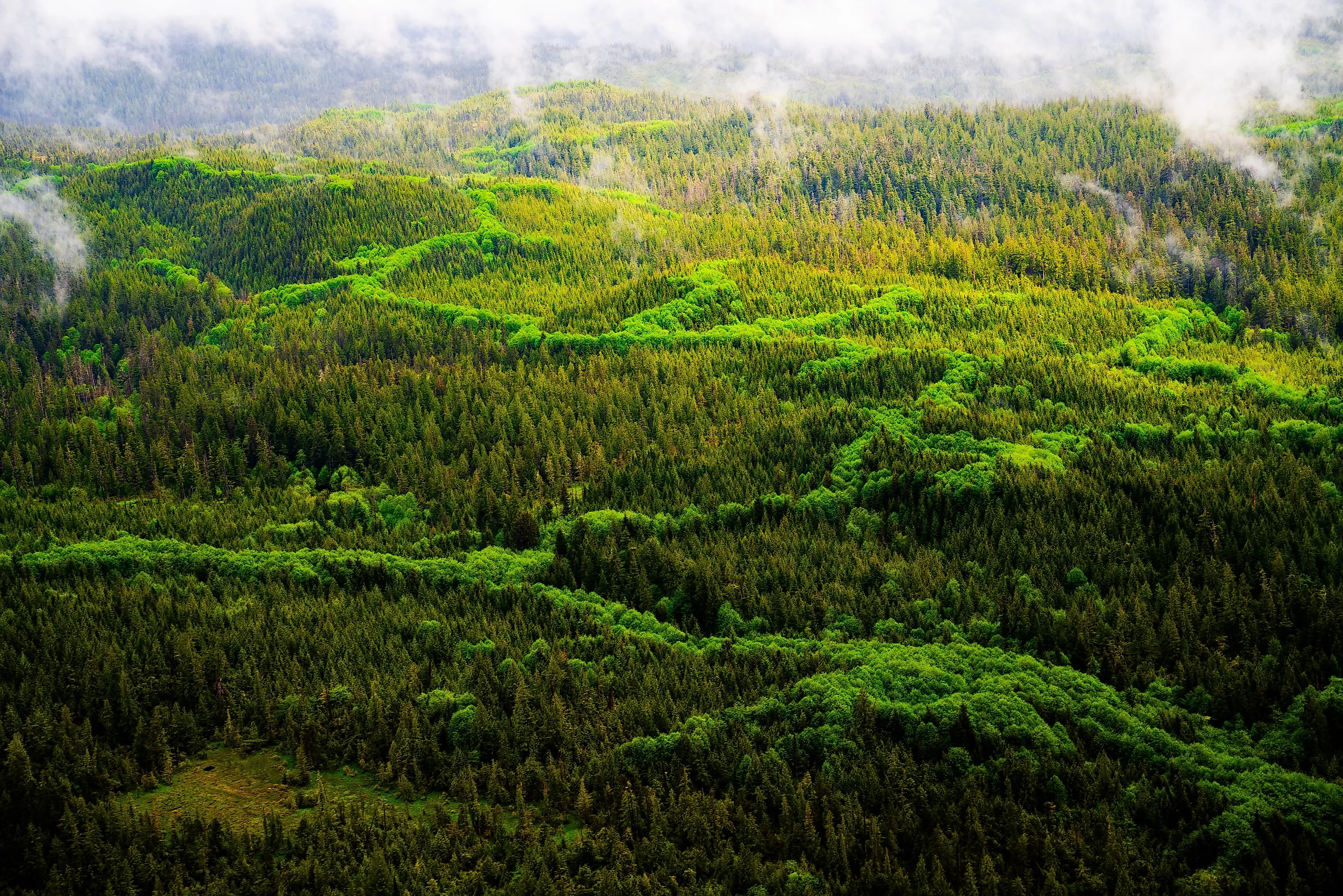
The Tongass National Forest is 16.8 million acres, making it the largest national forest in the U.S. It is also larger than any of the 63 national parks in the U.S. and its territories. Located in southeastern Alaska, it stretches 500 miles from north to south. It also has 11,000 miles of shoreline and more than 1000 islands, including Prince of Wales Island. In addition, the forest contains several cities in Alaska, including Juneau, Sitka, and Petersburg.
Difference between a national forest and park

National forests and national parks play two different roles within the U.S. National parks are created by Congressional action to set aside a region with many natural resources or of historic importance for protection. National parks have a strong emphasis on preservation, with commercial activities and hunting heavily restricted or banned.
For example, in the Badlands National Park, all hunting is banned except for tribal hunting in a small section of the park. The primary purpose of the national parks is for preservation and recreation.
National forests, on the other hand, can have more commercial activities, such as hunting, logging, cattle grazing, and motorcycle trails. The National Forest Foundation states, "National Forests are managed for many purposes: timber, recreation, grazing, wildlife, fish and more."
However, national forests can have different standards depending on the forest and region within. For example, there are areas of national forests that are designated as wilderness areas, which ban logging, motor vehicles, and permanent structures. This was established through the Wilderness Act in 1964 under President Lyndon B. Johnson. The act states that wilderness is federal land "where the earth and its community of life are untrammeled by man, where man himself is a visitor who does not remain."
For Tongass National Forest in particular, over 5.7 million acres of it are designated as wilderness.
Many national parks and national forests are connected, meaning visitors have to be aware of the local rules and regulations and be aware of whether they are in a forest or a park.
How big are the national parks?

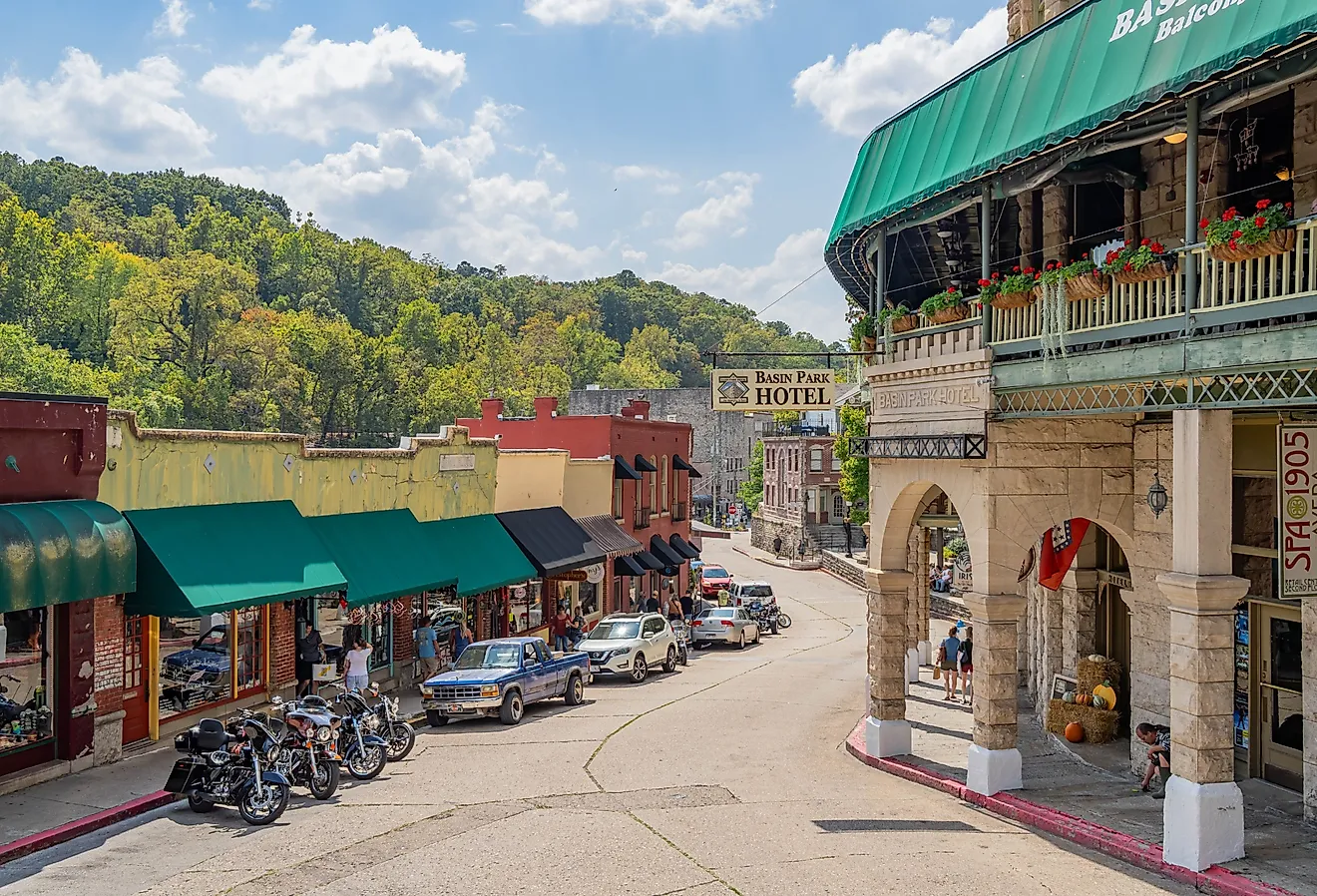
The national parks in the U.S. range significantly in size. The smallest two national parks are Gateway Arch National Park in Missouri, which is 90.9 acres, and Hot Springs National Park in Arkansas at 5,548 acres. Both of these parks preserve historic places, such as the Gateway Arch built in the 1960s to celebrate the Louisiana Purchase of 1803 and westward expansion, and the hot springs spas from the 19th century.
Of the top four largest national parks, all of them are located in Alaska. The largest is Wrangell-St. Elias National Park at 8.3 million acres. This is still less than half the size of the Tongass National Forest.
The other three largest national parks are in the Gates of the Arctic at 7.523 million acres, Denali National Park at 4.740 million acres, and Katmai National Park at 3.674 million acres.
The largest national park outside of Alaska is Death Valley National Park, found in California. This is the lowest national park by elevation, with the Badwater Basin sitting 282 feet below sea level in a former prehistoric lake, which evaporated, leaving behind salt flats.
Environment

Tongass National Forest is a part of the largest temperate rainforest in the world, due to its joining up with the Great Bear Rainforest in British Columbia, Canada. A temperate rainforest is a mixture of broad-leaves or coniferous trees that receive up to 60 to 200 inches of precipitation. Tongass National Forest can have anywhere between 26 inches of rain and 225 inches on Baranof Island. Temperatures in this forest can reach up to 60 degrees Fahrenheit during the summer months.
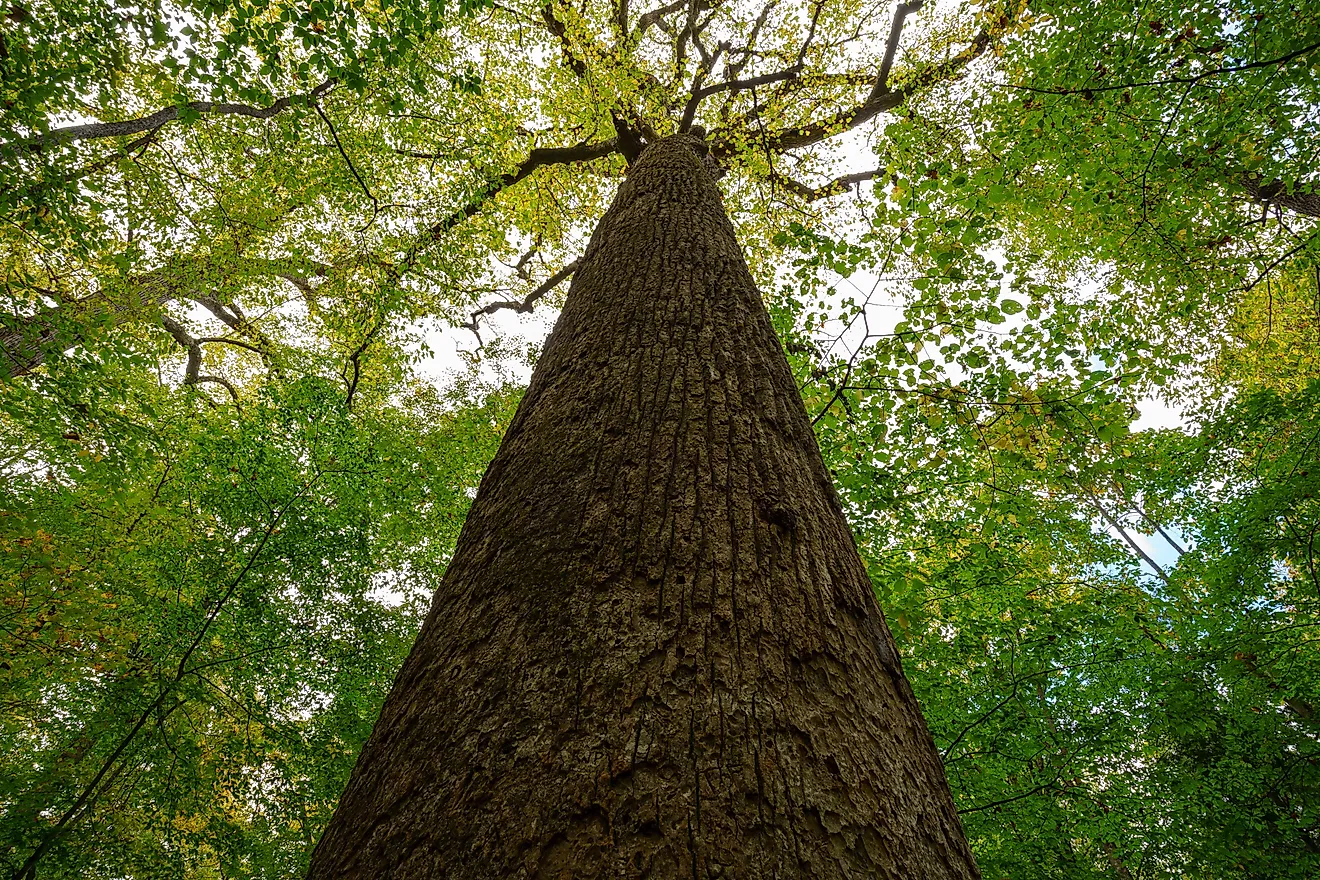
The trees here include Sitka spruce and hemlock trees, some of which are old-growth forests, meaning they have never been logged, so the trees here can be hundreds of years old. Around 40% of the landmass in Tongass consists of ice, rock, and water, such as fjords.
The wildlife here is very diverse, ranging from ocean creatures such as humpback whales to black and brown bears. On Admiralty Island, there are 1,700 brown bears, which equates to around one bear per square mile. These bears, along with wolves, hunt Sitka blacktail deer and the five species of Pacific salmon found in the waters.
More bald eagles live in the Tongass National Forest than anywhere else on earth. Most of the 30,000 bald eagles in Alaska stay in southern Alaska during the winter. The forest is also home to 72,000 people, including the 31,609 residents of Juneau, the capital of Alaska.
Things to do

Due to the Tongass National Forest containing a mixture of urban and wilderness, one can find a wide variety of activities to do in the forest. One popular activity is to go bear viewing, especially at Admiralty Island. The Tlingit people call the island Kootznoowoo, meaning Fortress of Bears. With the forest's long coastline, many visitors and locals spend time out on the water, either in a boat of their own or by renting a maritime tour. There are also swimming areas located on the Admiralty Island National Monument or at the beaches of Sitka.
The forest has more than 700 miles of hiking trails, ranging from boardwalks to backpacking adventures. From Juneau, one can ascend the Mendenhall Glacier via the West Glacier Trail, or take a detour to Mt. McGinnis. From Ketchikan, one can hike Deer Mountain, which has a 2,600-foot elevation gain.
There are also landmarks one can explore, including the White Sulfur Springs just outside the community of Pelican and the Tenakee Hot Springs. Another popular landmark is the El Capitan Cave, which has two miles of passages, making it the longest mapped cave in the state. It was formed through erosion on Prince of Wales Island.
In Juneau, one can also explore various museums that catalogue different eras and commercial activities in the state, such as the Last Chance Mining Museum within a former gold mining operation, or the Walter Soboleff Building, which has a collection of Tlingit, Haida, and Tsimshian native art. The Alaska State Museum takes a broader view, with exhibits on cultures, historical events, and natural landmarks in the state.
Putting Tongass National Forest into perspective
There are 154 national forests in the US, which account for about 188 million acres. At 16.8 million acres, Tongass National Forest accounts for close to 9% of all national forest land in the U.S. It is larger than every national and state park in the U.S., including the 6 million-acre mixed-use forest preserve of Adirondack Park in New York. With its vast size, visiting the forest requires careful planning to see the best parts of it. The Forest Service notes that the forest has more than 140 cabins or shelters for rental for those who want a more rugged experience, while Juneau itself has several chain and locally owned hotels to accommodate visitors to this nearly 17 million-acre forest.