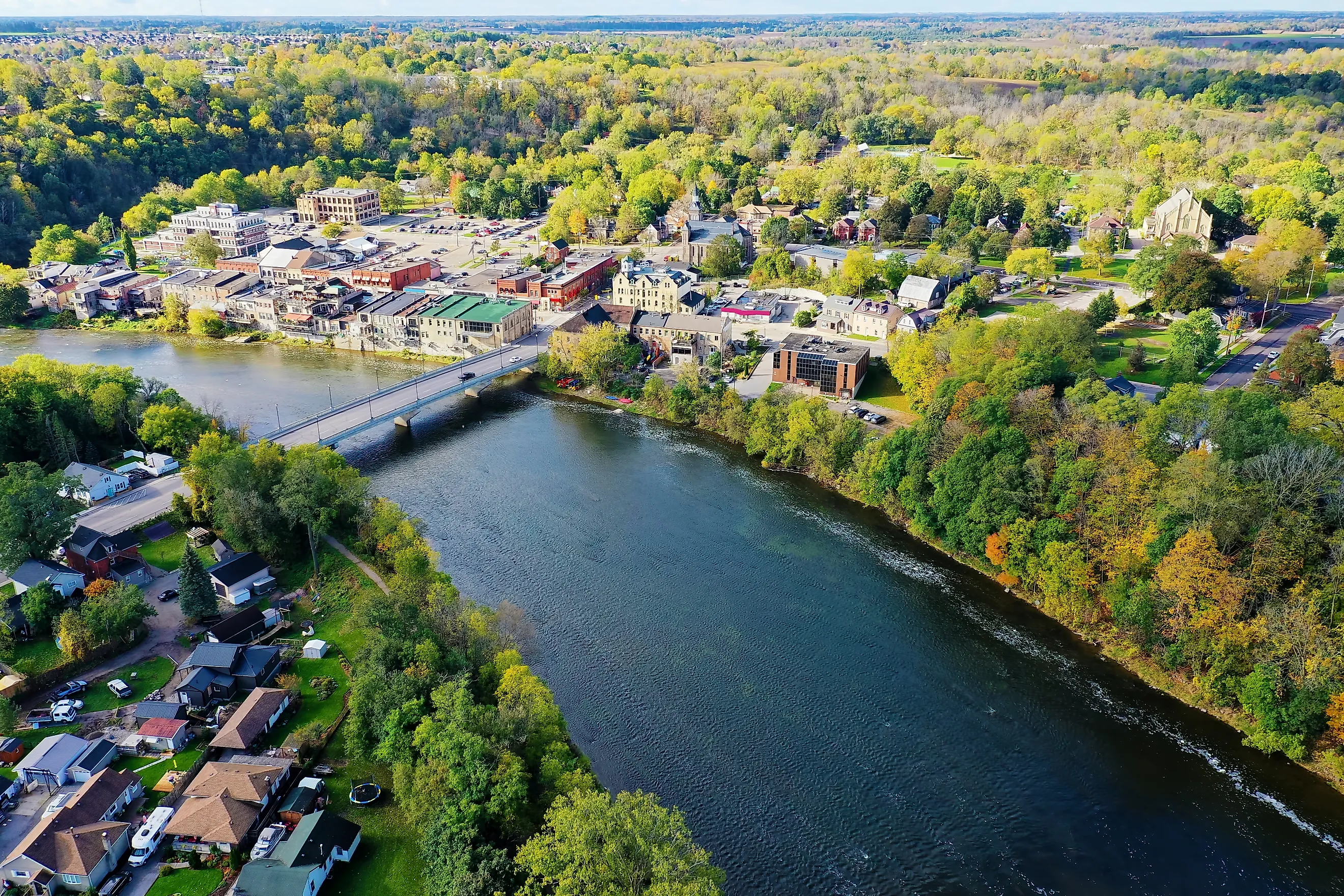
Who Owns All The Land In Canada?
Here is a fact that catches out plenty of Canadians: hardly anyone in Canada truly owns the ground beneath them. Buy a house in Toronto or a cabin on a northern lake and you gain a powerful set of rights, but the land itself still belongs, in law, to the Crown. About 89 percent of the entire country is Crown land, held by the state for everyone. Barely 11 percent sits in private hands, and even that is held under the Crown rather than free and clear of it. For the second-largest country on the planet, that is an extraordinary amount of ground under a single legal roof.
So, Who Actually Owns Canada?
The short answer is the Crown. The longer answer is where people go wrong. When Canadians say the Crown owns the land, they do not mean that King Charles III keeps the deeds in a drawer at Buckingham Palace. The Crown is a legal idea, not a person: it stands for the Canadian state itself. Charles III, who became Canada's head of state and King of Canada when Queen Elizabeth II died in 2022, is the personal embodiment of that Crown, but Crown land is not his private estate and he collects no rent from it.
In practice, the authority that comes with the land is vested in the Crown and then handed to elected governments to exercise on the public's behalf. The King's representatives, the governor general federally and a lieutenant governor in each province, act in his name, but the real decisions are made by the governments Canadians vote for. So when you read that the Queen or the King owns Canada, the accurate version is simpler and a good deal less regal: the land is public, held in trust for every Canadian.
Federal, Provincial, And The Empty North

That 89 percent of Crown land is not controlled by one government but divided between two levels. Provincial governments hold the larger share, roughly 48 percent of the country, while the federal government holds about 41 percent. Section 109 of the Constitution Act of 1867 handed the provinces the rights to the public land inside their borders, which is why British Columbia manages around 94 percent of its own territory as Crown land, Newfoundland and Labrador about 95 percent, and tiny Prince Edward Island less than 2 percent.
Even so, the federal government is the single largest landowner in the country, and most of its holdings sit in the far north. The three territories, the Northwest Territories, Nunavut, and Yukon, are overwhelmingly federal Crown land administered on Canada's behalf, while inside the provinces only about 4 percent of the land is federal, in the form of national parks, military bases, and First Nations reserves. Indigenous lands occupy a category of their own: legal title to a reserve is held by the Crown, but the land is set aside for the exclusive use of a First Nation and managed by its band council.
Can You Ever Truly Own Land In Canada?
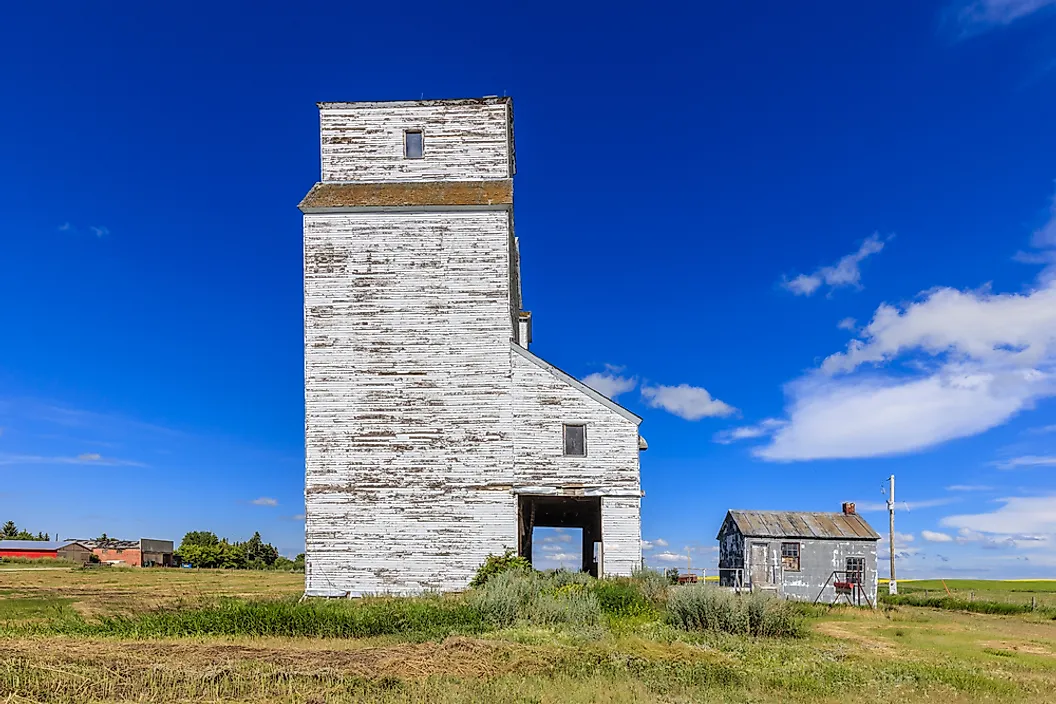
You can come close. The strongest form of private ownership in Canada is called fee simple, and for everyday purposes it behaves exactly like owning outright: you can live on the land, build on it, sell it, mortgage it, and leave it to your children, with no time limit. What fee simple is not is absolute. Legally, you hold your estate of the Crown, which retains the ultimate, or underlying, title. True allodial ownership, land owed to no one above you, does not exist for private individuals in Canada.
The Crown's lingering claim turns up in concrete ways. It usually keeps the mineral rights beneath your property, which is why a mining or energy company leases the right to drill from the government rather than from you. In Alberta, the Crown holds roughly 81 percent of those subsurface rights, and gold and silver have always belonged to the Crown by default. The state can also expropriate land for public works, with compensation, and under a rule called escheat, a property reverts to the Crown if its owner dies with no will and no heirs. You own the interest in the land. The Crown keeps the floor under it.
A Country Too Big To Fill
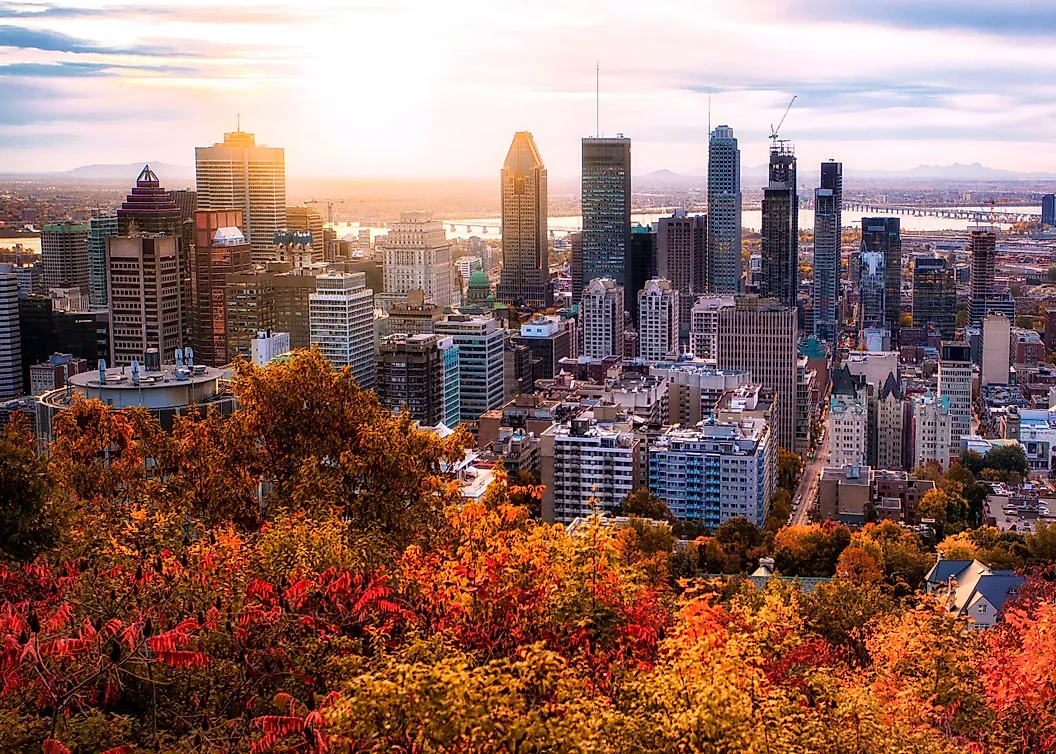
Why is so much of Canada still Crown land? Because there is so much of it, and so few people spread across it. The country covers about 3.85 million square miles, second only to Russia, and it carries the longest coastline of any nation on Earth at roughly 151,019 miles, plus close to 2 million lakes, 561 of them larger than 100 square kilometers. Settling all of that was never realistic.
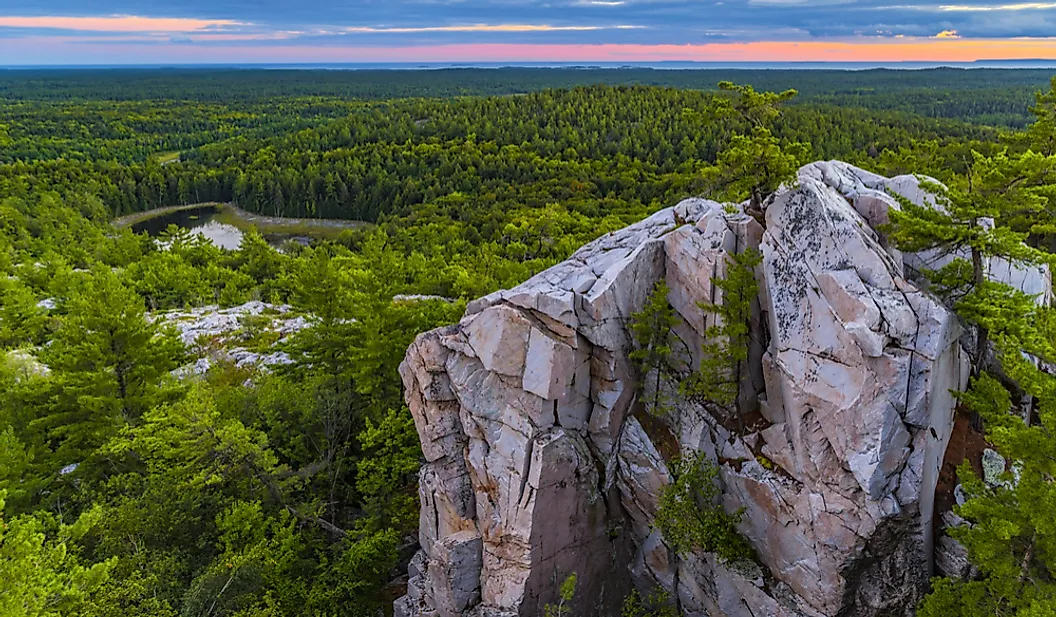
The population tells the rest of the story. Canada is home to more than 41 million people as of 2025, which sounds like plenty until you spread it across that area and land on a density of about four people per square kilometer, among the lowest on Earth. Roughly 82 percent of Canadians live in cities, and close to nine in ten live within about 100 miles of the United States border, packed into a thin southern band. Almost everything north of it, the boreal forest, the tundra, and the bare rock of the Canadian Shield, is largely empty, and nearly all of it is Crown land by default.
What Owning Land In Canada Really Means
So who owns all the land in Canada? Formally, the Crown does, which is another way of saying the public does, through the federal and provincial governments that manage it. Practically, the 11 percent held in fee simple works like ordinary private property, and Canadians, along with foreign buyers, trade it freely, subject to a few provincial limits on farmland and housing. The distinction barely registers when you are signing a mortgage. It matters enormously for everything else: who controls the forests and the mines, who can camp or build on the enormous public backcountry, and how the country settles land and resource rights with Indigenous nations whose claims predate the Crown entirely. In Canada, the ground is public first and private second, and that order quietly shapes the whole country.