Where People Are Moving To In Washington In 2026
Washington added about 79,400 residents in the year ending mid-2025. Most of that movement landed in the same handful of metro counties around the Puget Sound and the I-5 corridor. Smaller and more rural parts of the state took much less. New housing supply explains a lot of where people landed. The Seattle-area suburbs and the regional job centers carried most of the absorption because new units finally caught up to demand. The eight cities ahead are where the year's growth has been clearest on the ground.
The state's biggest urban centers
For the broader picture of where Washington's population sits, see our overview of the largest cities in Washington.
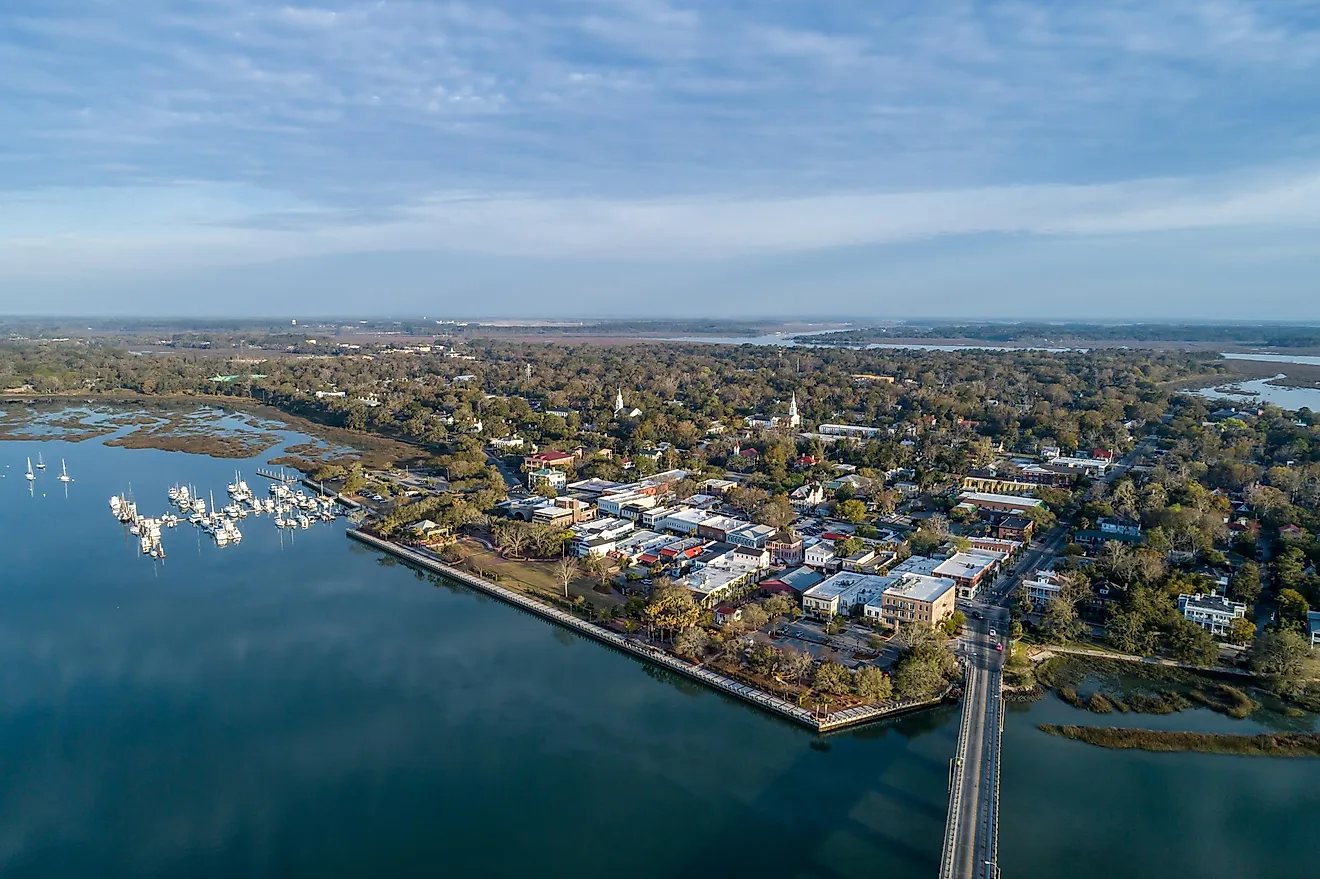
Seattle

Seattle is back over 780,000 residents and growing again after the disruption of the early 2020s. The city added more than 47,000 people between 2020 and 2025, a 6.5% increase, and 11,572 of that gain came in the most recent year alone, the fifth-largest numeric jump of any U.S. city in 2025. The growth is easiest to see in the neighborhoods with new apartment supply: South Lake Union, Capitol Hill, the University District, and the blocks around the new light-rail stations. The reason the city stays on this list is not momentum alone. Seattle still has the state's deepest job market, the largest apartment pipeline, the major medical systems and universities, and the kind of transit network that lets households live without a fully car-dependent routine. The cost of living is higher than the rest of this list, but Seattle remains the place where many of Washington's moves still begin or end.
Tacoma

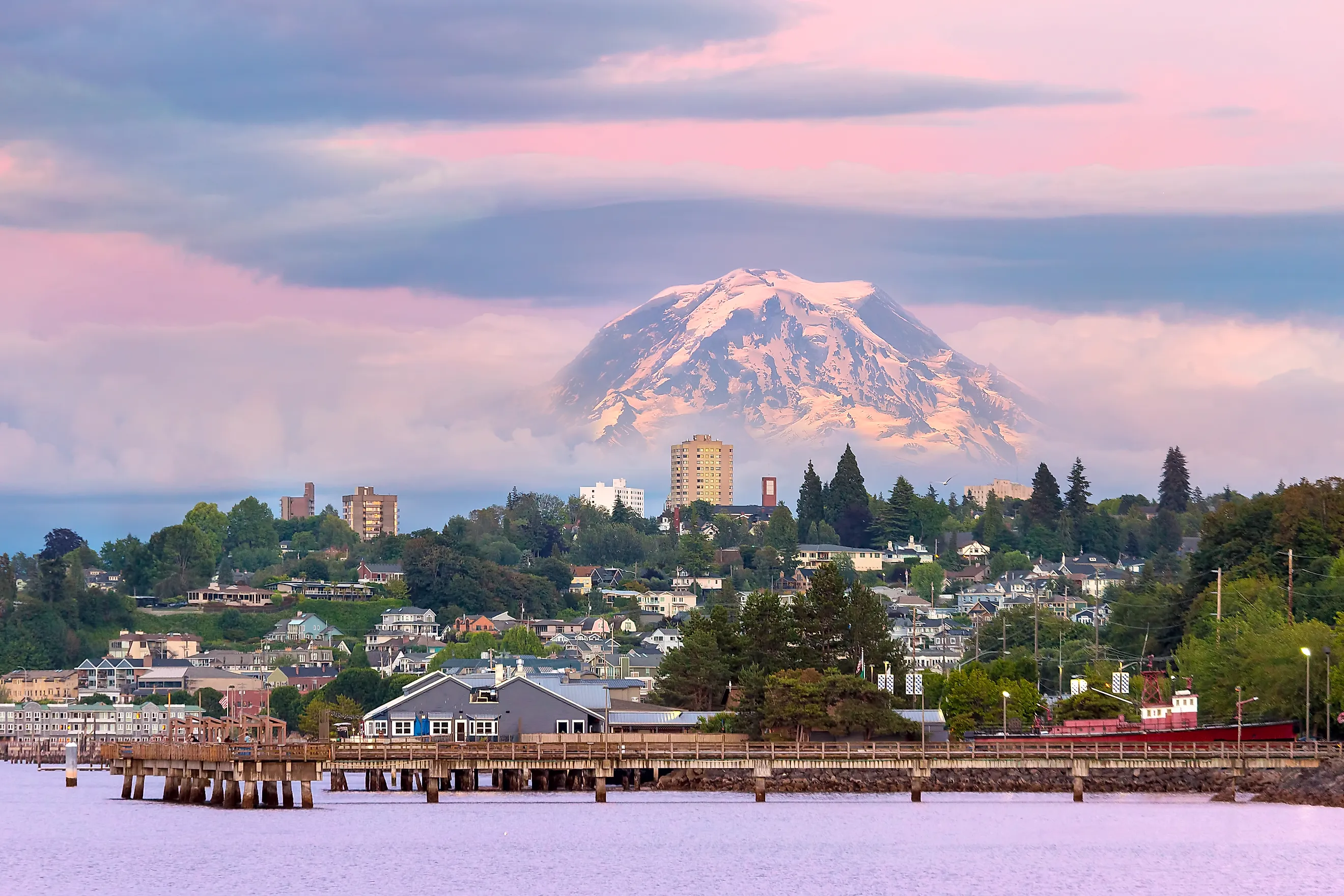
Tacoma is near 230,000 residents and growing at about a 4.6% clip since 2020. The growth is tied closely to the southward shift of the Puget Sound region: Tacoma sits in Pierce County, one of Washington's biggest growth counties, and it has stayed less expensive than Seattle or Bellevue while keeping the urban infrastructure already in place. Sounder commuter rail, the I-5 corridor, the Port of Tacoma, the hospital systems, the colleges, and the existing apartment stock all give incoming households reasons to settle there. The North End, downtown, Hilltop, and the blocks near the Tacoma Dome are each seeing different sides of that growth. The practical advantage Tacoma has over a smaller suburb is the city-scale services already in the ground, which makes the new arrivals easier to absorb.
Vancouver

Vancouver passed 199,000 residents in 2025 and has gained nearly 9,000 people since 2020, the clearest sign that southwest Washington is still pulling in arrivals. Clark County has remained one of the state's bigger growth counties thanks to its position along the Columbia River and its connection to the Portland metro area. The pull is partly regional economics: Vancouver gives residents access to the Portland job market while keeping them on the Washington side of the river. Local growth has also concentrated around the Waterfront Vancouver development, downtown apartments, the medical campus, and east-side subdivisions. That combination puts Vancouver in a different position than a pure Portland spillover. It is now its own employment and housing center.
The city that anchors most of the state's growth
For a deeper look at the city pulling the region's population, see our profile of Seattle, Washington.
Redmond

Redmond crossed 82,000 residents in 2025, a 12.6% jump since 2020 that ranks it among the faster-growing cities in King County. The reason people land here is specific. Microsoft is one of the largest employment centers in the region, and the Overlake and downtown Redmond areas have added housing on top of jobs, transit, and retail. Light rail service has put Redmond directly on the line to Bellevue and Seattle, which suits households that want Eastside access without a highway-only commute. Downtown Redmond, Marymoor Park, and the Overlake Village area are the visible growth points. The pull of Redmond is proximity to work rather than chasing suburban space.
Shoreline

Shoreline jumped from about 58,500 residents in 2020 to roughly 66,500 in 2025, a 13.8% gain that makes it one of King County's more interesting growth stories. Two new light rail stations at Shoreline South/148th and Shoreline North/185th changed the long-term housing logic for a city that used to feel more residential and settled. Apartment construction and redevelopment near those stations are giving more households a way to live north of Seattle while staying tied to the region's job centers. Shoreline Community College, Aurora Avenue businesses, and established neighborhoods like Richmond Beach and Echo Lake give the daily structure underneath the new arrivals. The city is growing because transit made its location more useful.
Marysville

Marysville crossed 77,000 residents in 2025 after starting the decade at about 70,700, a 9.9% gain that pushes Snohomish County's growth north along I-5. The city has more single-family subdivisions and newer residential blocks than the denser cities closer to Seattle, and the I-5 connection puts Everett, Arlington, the Tulalip area, and Snohomish County jobs within commuting reach. Downtown Marysville, Jennings Memorial Park, and the Smokey Point area ground the growth in actual places rather than subdivision counts alone. The pressure will keep showing up in school enrollment, traffic on I-5, and demand for local services.
The city Spokane Valley sits next to
For the larger eastern Washington metro that anchors Spokane Valley's growth, read about Spokane.
Spokane Valley

Spokane Valley is past 108,000 residents and growing at about a 5.2% rate since 2020, part of the broader spread beyond Spokane itself. Spokane County has kept adding residents, so the city is part of a regional inland pattern and not an isolated suburban gain. The pull is affordability, jobs, and location along I-90. Median home values run lower than in most major Puget Sound cities, and the retail, warehousing, healthcare, and service economy gives new arrivals more than a bedroom-only suburb. The Spokane Valley Mall area, Mirabeau Point, the industrial land along the freeway, and access to the Centennial Trail explain why the growth has continued. Movers get a regional job market without west-side housing costs.
Pasco

Pasco crossed 82,000 residents in 2025, a 7.1% gain that puts it among Washington's fastest-growing mid-sized cities and Franklin County among the state's faster-growing counties. The pull is the Tri-Cities economy: agriculture and food processing, logistics connections, and Hanford-related employment across the region. The city has room for new subdivisions and family housing that the older Puget Sound cities cannot match. Road 68, Broadmoor, and the area around the airport show how residential and commercial development have expanded together. Pasco has a younger population profile than much of the state, so growth shows up in schools, parks, roads, and family services more quickly. It is not a spillover city anymore. It is one of the Tri-Cities' main growth engines.
Where Washington's Growth Is Heading
Washington's movement pattern still centers on the metro counties but it is no longer only a Seattle story. King County is growing again, and Pierce, Clark, Snohomish, Spokane, and Franklin counties show how households are spreading along commuter corridors, job corridors, and lower-cost housing markets. The practical effects will land in housing supply, school capacity, road congestion, and the pressure on cities that were not always built for steady annual gains. Over the next few years the cities that add homes near jobs and transit will keep pulling the larger share of Washington's growth.