This Ozarks Main Street Feels Like A Movie Set
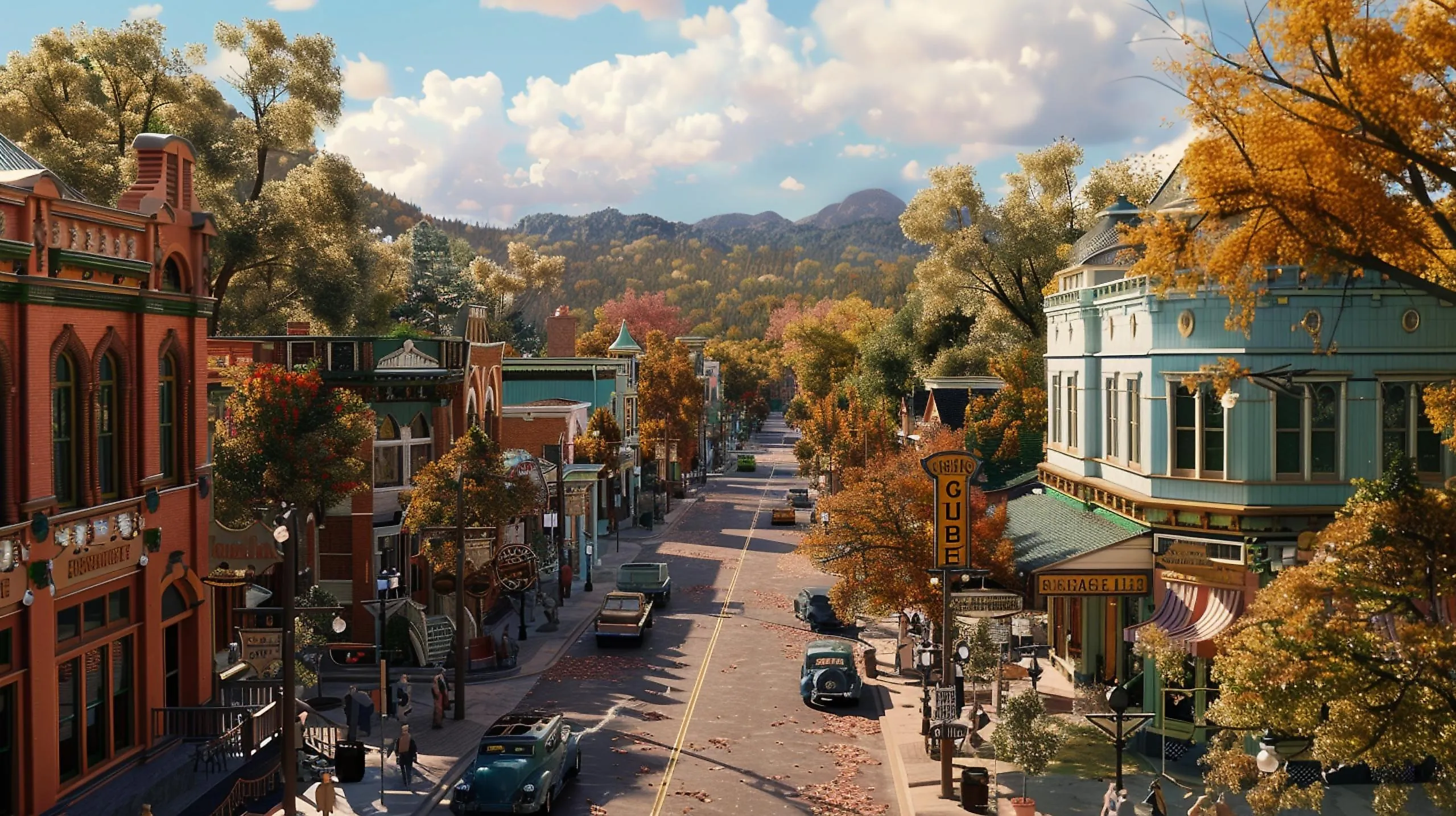
Brick storefronts and vintage signs line Central Avenue in downtown Hot Springs, Arkansas, with wooded slopes rising behind the buildings. It is easy to see why the street brings a movie set to mind. Much of the architecture survives from the city's years as a spa resort, when visitors came to bathe in its naturally heated spring water.
That history still shapes a day downtown. Along the foot of the Ouachita Mountains, you can tour a former bathhouse or book a bath in one that remains in use. Across Central Avenue, shops and restaurants occupy the old commercial blocks. The short distances leave time to look above the storefronts, where ornamental brickwork reveals how much care went into even the smaller buildings.
Central Avenue and the Historic Downtown

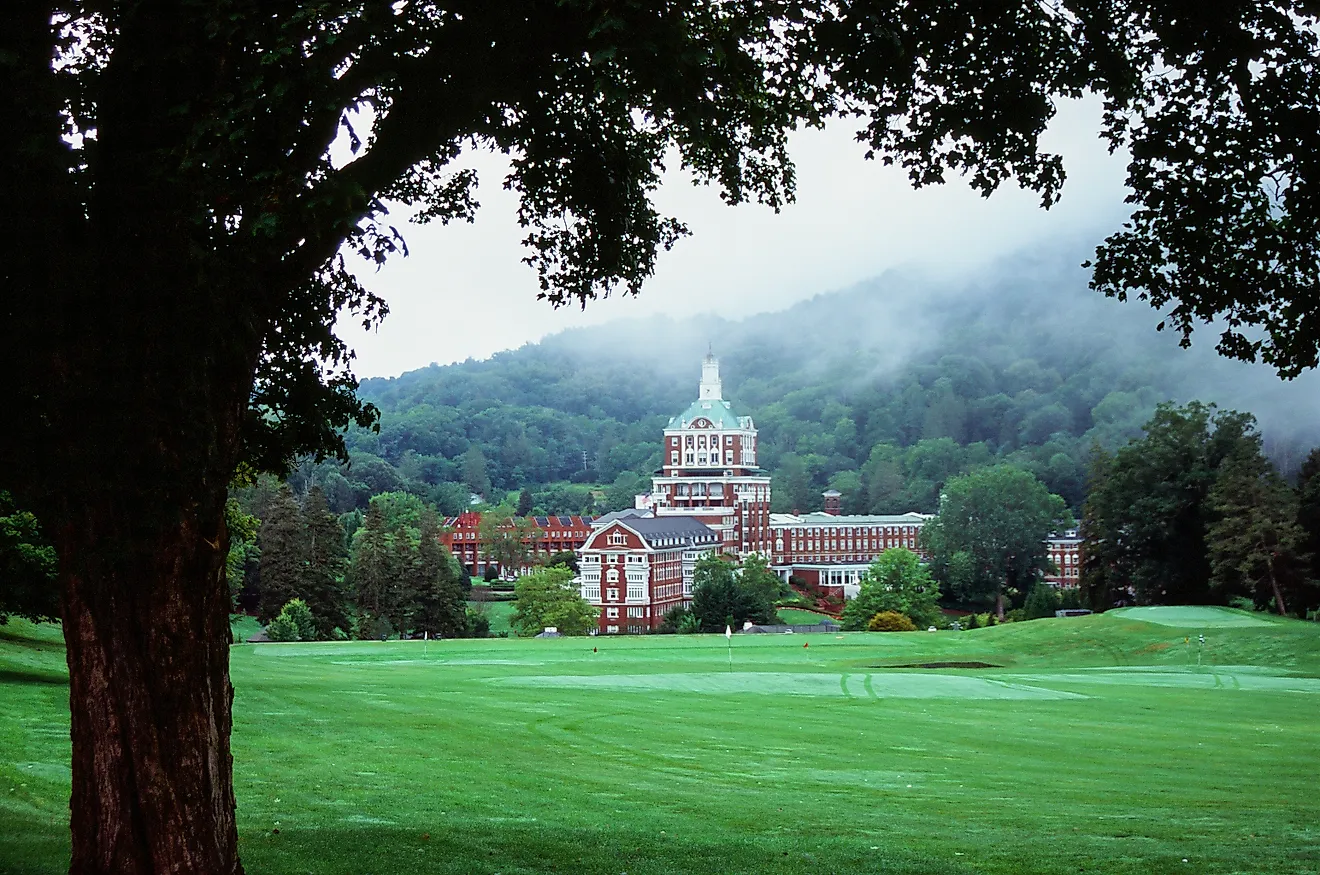
Hot Springs' historic downtown follows Central Avenue, where closely spaced facades give each block a different roofline. Old painted lettering survives above some of the street-level businesses. Near the northern end of Bathhouse Row, the twin towers of the Arlington Resort Hotel & Spa rise over the street. The hotel dates to the 1920s, and its veranda offers a place to sit overlooking downtown.

The resort's history also included illegal gambling and visits by notorious gangsters. At 510 Central Avenue, the Gangster Museum of America explores that side of Hot Springs, including its connections to Al Capone and Lucky Luciano. It gives some context to the years when gambling flourished alongside the bathing industry.
Bathhouse Row

Eight historic bathhouses remain on Bathhouse Row, along the edge of Central Avenue inside Hot Springs National Park. Their elaborate buildings replaced earlier wooden bathhouses, which struggled to withstand the heat and moisture. As the resort grew, bathing became an increasingly luxurious affair, with marble interiors and stained-glass windows in some of the buildings.
The Fordyce Bathhouse, now the park's visitor center and museum, is a useful first stop. Its restored rooms show how a visit worked in the early 1900s, when people came seeking relief from ailments as well as rest.
You can still bathe on the row. The Buckstaff has offered baths since 1912, continuing a business that disappeared from many of its neighbors. Other buildings have found new uses: the Superior Bathhouse now houses a brewery that uses the local thermal spring water to make its beer.
Exploring on Foot

After walking Central Avenue, head behind the bathhouses to the Grand Promenade. This brick walkway runs for about half a mile, parallel to Bathhouse Row. Benches provide places to stop, and the route offers a closer look at the hillside immediately above downtown.
The springs also supply public jug fountains, where visitors can fill bottles with the thermal water. Allow it to cool before drinking. These filling stations make a worthwhile stop before continuing onto the mountain trails.
For a longer outing, follow the connections from the promenade into the trails on Hot Springs Mountain and North Mountain. The climb adds some effort to an otherwise gentle downtown walk. You can spend part of the afternoon in the woods, then return to Central Avenue for a meal without moving the car.