Where People Are Moving To In Ontario In 2026
Ask anyone who has tried to buy a house near Toronto lately and you will hear some version of the same story. The job is here, the friends are here, but the mortgage math simply does not work. So people are voting with their moving trucks. More residents now leave the Toronto region for other parts of Ontario each year than arrive from within the province, and the newcomers arriving from abroad are increasingly skipping the big city for somewhere they can actually afford a yard. That leaves a ring of mid-sized cities doing the quiet work of catching everyone Toronto can no longer house. The places below are where those people are landing, and each one offers a different answer to the same question: if you give up Toronto, what do you get in return?
Ottawa

Of all the cities pulling people out of the Toronto orbit, Ottawa took in the most last year. The reason is not complicated. The federal government is the biggest employer in town, and a paycheque from the public service or one of the technology firms clustered out in Kanata buys a great deal more house here than the same salary would closer to Lake Ontario. Newcomers do not have to abandon the idea of a city, either. They get a real downtown, a light-rail line, and the Rideau Canal freezing over into the world's longest skating rink every February. A lot of the people settling here are federal workers and young families who wanted room to breathe without trading away museums, restaurants, and a hockey team. Quebec sends its share across the river too, and a growing number of immigrants who first touched down in Toronto have decided the capital gives them the same big-city life for a fraction of the rent.
Kitchener, Cambridge, and Waterloo

People here will happily tell you they live in the Silicon Valley of the North, and for once the boast holds up. The University of Waterloo feeds a steady stream of engineers and programmers into a scene anchored by Google's offices, homegrown names like OpenText, and hundreds of startups still working out of coffee shops. That job market is the magnet. The clincher is the real estate. A software developer priced out of a downtown Toronto condo can come here and buy an actual detached house with a driveway for something like the same money, then be at their desk in under an hour by train. Young tech workers and families making exactly that trade have driven this region's growth for years, and it has been one of the fastest-growing corners of the entire country. The tap of international students that once added to the boom is tightening under new federal limits, but the pull of the work and the houses is doing plenty on its own.
London

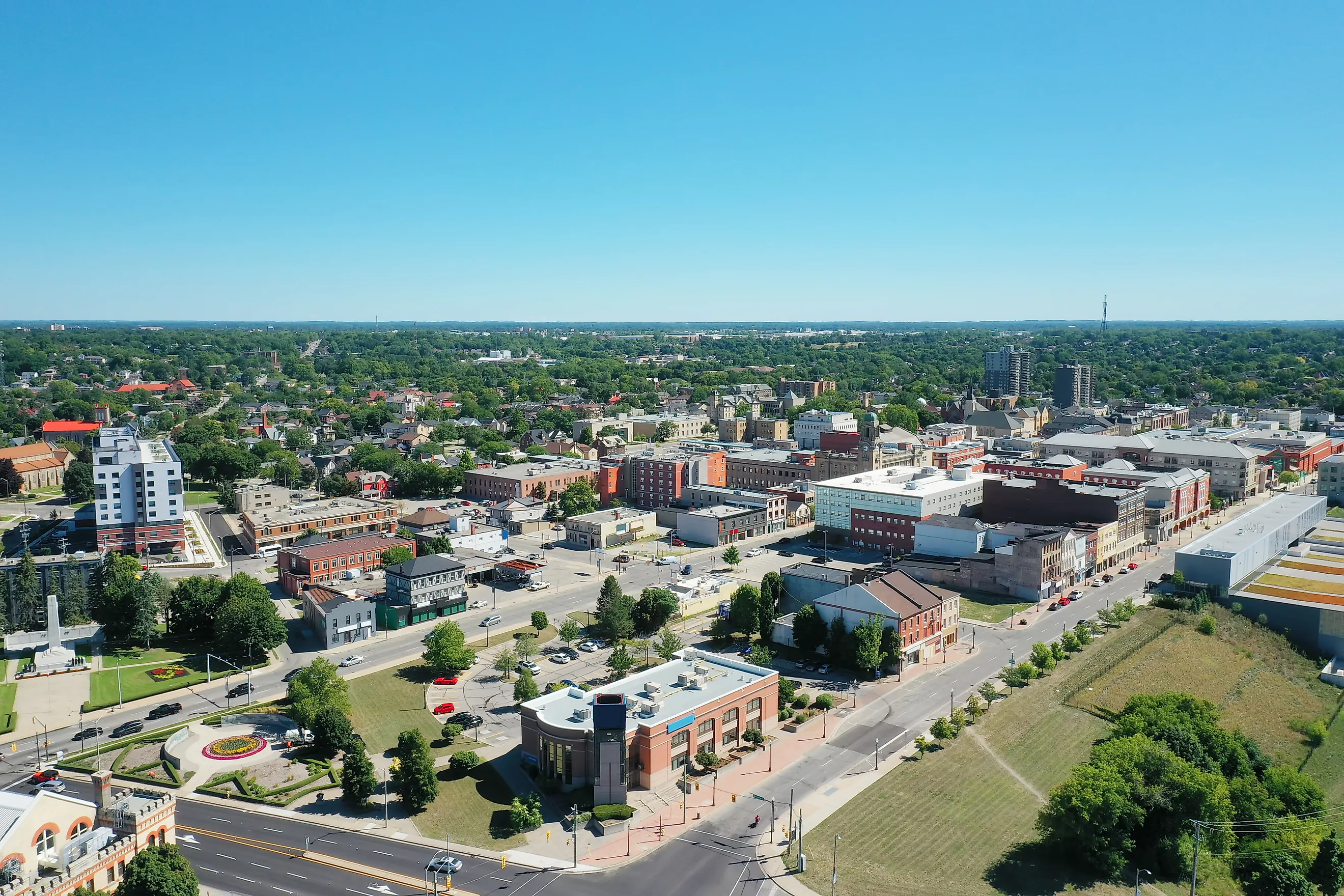
Halfway between Toronto and Detroit sits a city that keeps doing the one thing most of Ontario has stopped doing: building houses. While construction has stalled in a lot of places, London keeps putting up new homes and apartments year after year, which is why a first-time buyer here can still find a detached house in a range that would be a fantasy in the Toronto suburbs. That supply is a big part of the draw for remote workers and young families coming west out of the Greater Toronto Area. It also matters to the roughly 60,000 students who cycle through Western University and Fanshawe College and increasingly decide to stay. Newcomers from abroad have found the same value, and immigrants now make up close to a quarter of the population, with especially strong communities from India, Colombia, South Korea, and Iraq. Add it up and London has been growing at a healthy clip, filling in around a downtown that finally has the housing to hold everyone.
Oshawa

For a century, Oshawa was a General Motors town, and when you build cars you live and die by one company's decisions. The city took that lesson to heart. These days the same workforce is just as likely to be found in an e-commerce warehouse, a logistics hub, or the head office of Ontario Power Generation, which alone brought a couple of thousand corporate jobs into town. An hour east of Toronto, it offers something the western suburbs cannot match on price, and the commute keeps getting easier as billions of dollars pour into extending the Lakeshore East GO train line deeper into the city. Most of the people arriving are young working adults, roughly the 25-to-44 crowd chasing a house they can afford and a train that gets them to a downtown Toronto job without a car. Oshawa has been one of the faster-growing places in the province, and unlike its old auto-town self, it no longer has all its eggs in one basket.
St. Catharines

St. Catharines has always leaned into its nickname, the Garden City, and it draws the kind of person who wants a little more green and a little less rush. The Niagara Escarpment rises behind town, the old harbour at Port Dalhousie sits right on Lake Ontario, and some of the country's best wineries are a short drive in any direction. That combination pulls in retirees looking to make their savings go further, along with young families after more space and first-time buyers who have given up on the Toronto market. What changed the calculus for the working crowd was the GO train finally reaching into Niagara, which means someone can keep a Toronto job, work from the kitchen table most days, and hop the train when they actually need to be at the office. It has added up to steady, unshowy growth for a city that would rather show you a vineyard than a spreadsheet.
Barrie

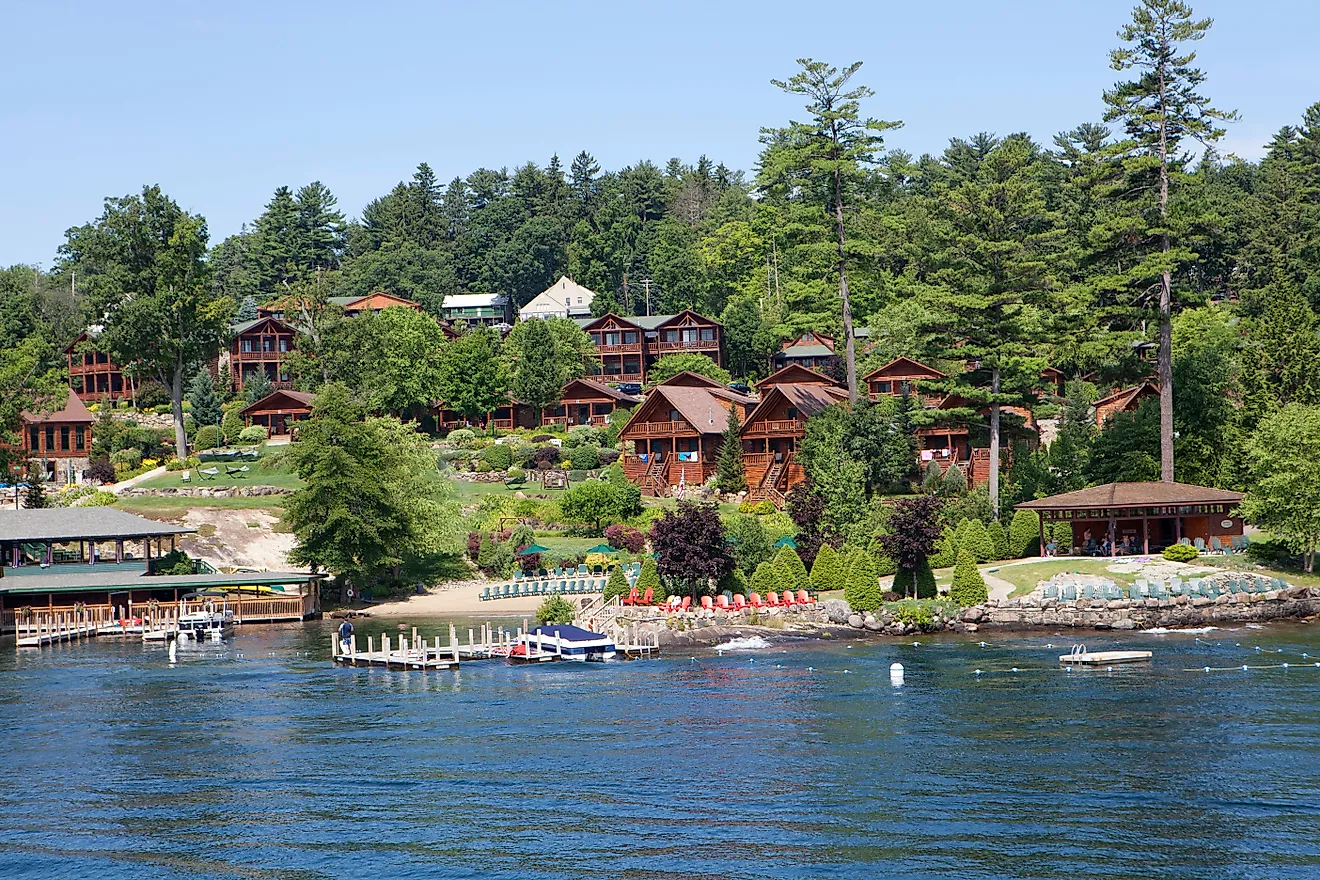
Barrie has been Toronto's commuter town since long before it was fashionable. Back in the 1990s the population rocketed past 100,000, nearly doubling in a single decade, and it has never really stopped climbing. Sitting an hour north of the city on the southern shore of Lake Simcoe, it offers a waterfront, a lake full of boats in summer and ice huts in winter, and a median age around 39 that keeps the place feeling young. The trade people are making is lifestyle for distance: a bit more highway between them and their job in exchange for a house near the water. U-Haul, which tracks where its one-way rentals actually end up, ranked Barrie the second-fastest-growing city in the country for 2025, behind only Calgary. All those arrivals sent housing construction soaring, and the province eventually stepped in to let Barrie annex almost 1,700 hectares of neighbouring township land, enough room for tens of thousands more residents to come.
Brantford

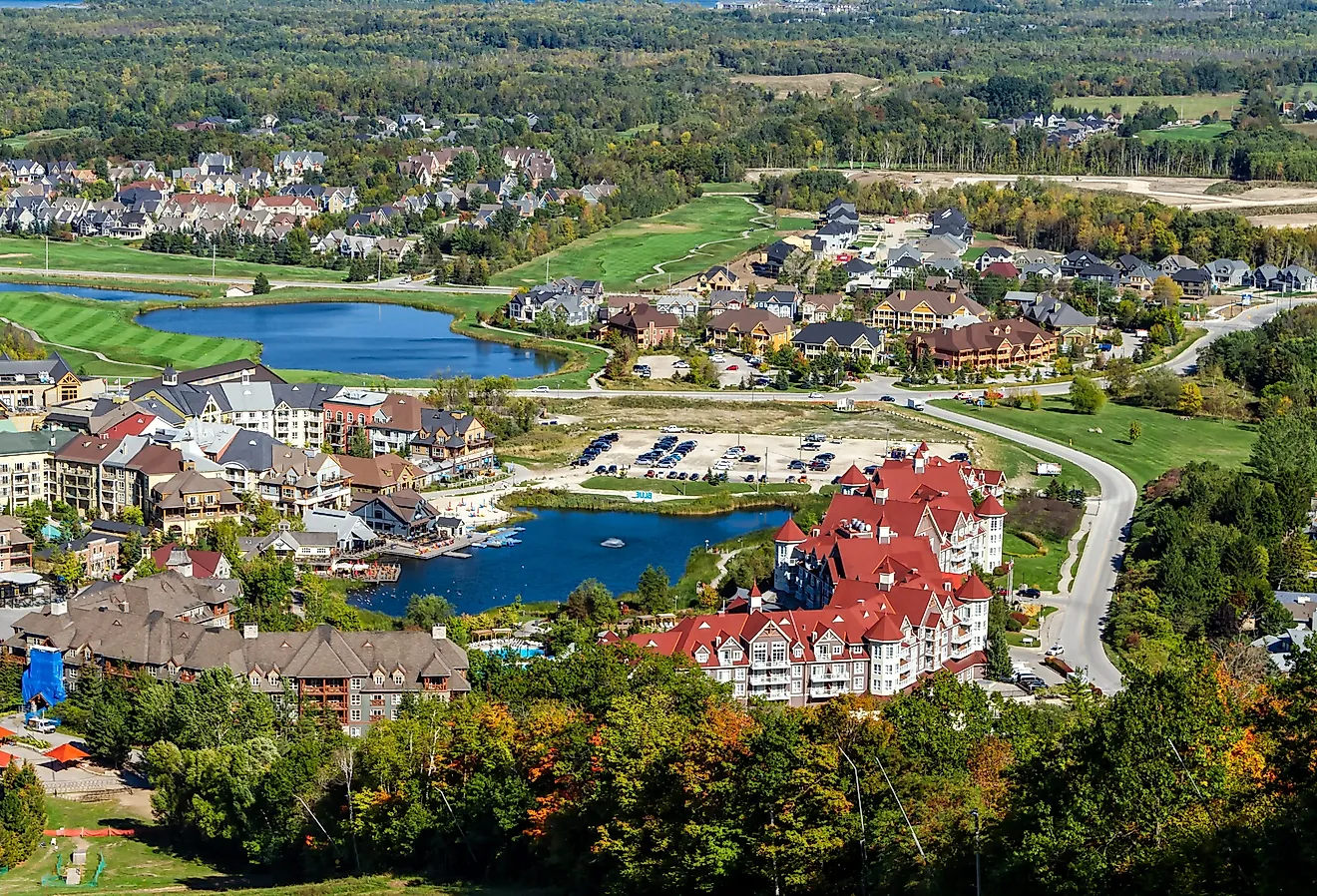
There is an old real estate saying, "drive until you qualify," and Brantford is about as far as that drive goes. This is where buyers land once they have looked at Toronto, looked at the Waterloo region, and kept going in search of a price they can actually meet. At roughly 90 minutes from Toronto on a good day, it is really too far for a daily downtown commute, so its future is tied less to the big city and more to nearby Hamilton, Burlington, and the other towns strung around the western end of Lake Ontario. The growth has been real, and so have the growing pains. Local officials have been candid that new residents arrived faster than new jobs and services could keep up, and the city has annexed thousands of acres from surrounding Brant County to make room for the housing, shops, and industry that a bigger population needs.
The Same Story, Told Seven Ways
What ties these cities together is a single pressure released in seven directions. Toronto keeps swelling on the strength of new arrivals from overseas, but it can no longer hold onto its own residents, and the people leaving have to go somewhere. Each city on this list has said yes in its own accent. Ottawa offers a capital's amenities, the Waterloo region offers tech jobs and real backyards, London keeps building, Oshawa reinvented its economy, St. Catharines sells the slower Niagara life, Barrie has the lake, and Brantford has the last affordable price within reach. None of it comes free. Barrie and Brantford have swallowed farmland to make room, while Oshawa and St. Catharines have leaned hard on new transit to keep everyone moving. The trucks are not going to stop rolling out of Toronto any time soon, which means the real test now belongs to the people running these growing cities, and to how gracefully they can welcome the crowds still on their way.