Where People Are Moving To In Massachusetts In 2026
Massachusetts saw a clear shift in where people were choosing to live between 2020 and 2024. Many residents moved away from the urban Boston area and into more affordable suburban neighborhoods across the state. Much of this growth has been concentrated in mid-sized communities and coastal towns beyond Greater Boston. Worcester County alone gained about a 2.2% increase in population in only a four-year period. Rising housing costs near Boston and the continued expansion of remote and hybrid work have driven much of the internal migration. People are now opting for communities farther from the city in exchange for lower housing prices and expanding local job markets.
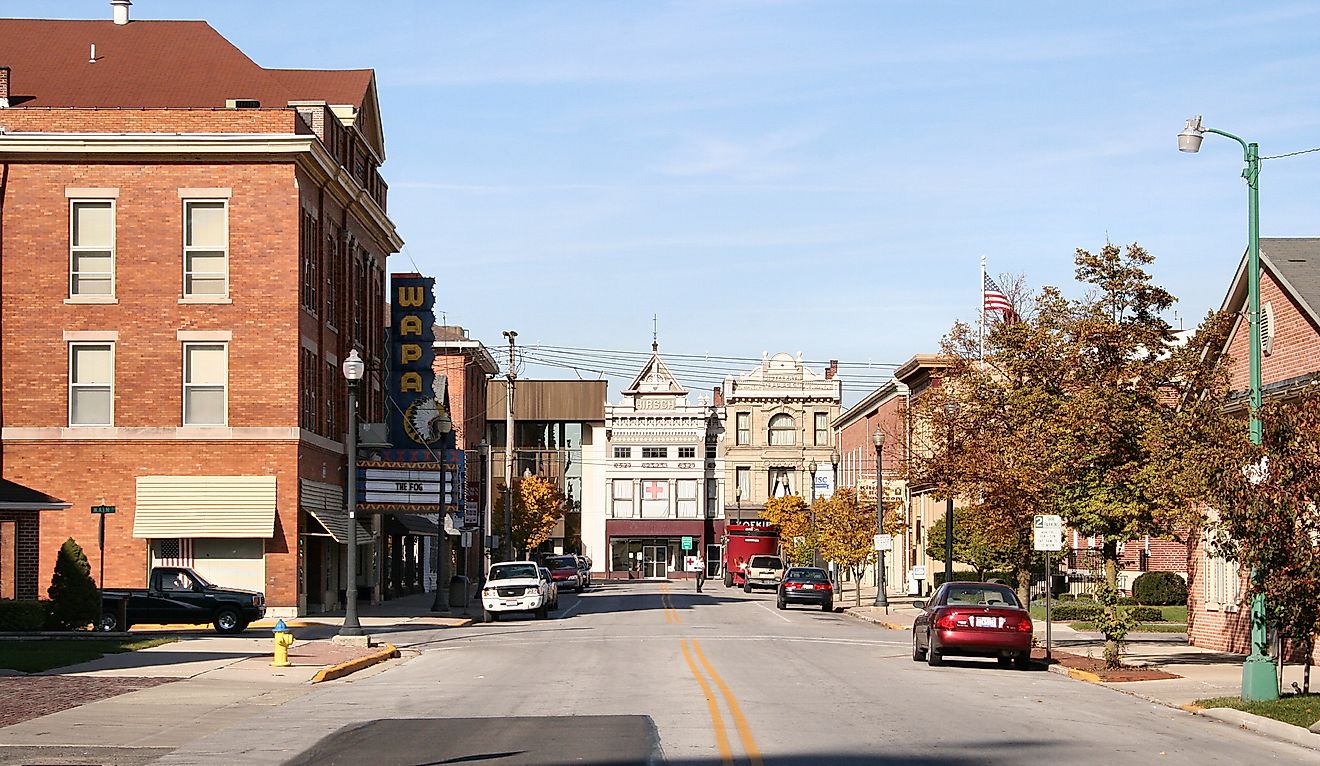
Worcester County

Recent data from the U.S. Census Bureau shows that Massachusetts' population growth has increasingly shifted away from Boston and toward suburban counties, coastal communities, and more affordable mid-sized cities across the state. Worcester, in particular, has become one of the state's strongest affordability alternatives to Boston, attracting residents with the promise of lower home prices, expanding healthcare and education opportunities, convenient public transit access, and recent downtown redevelopment projects. As housing costs continue to rise in Greater Boston, many households have increasingly looked west toward Central Massachusetts in search of more space, a lower cost of living, and comparable job opportunities.
Recent Census population estimates, as well as IRS SOI Migration Data, show continued stabilization and steady growth in Worcester following years of slower growth and population decline. Census estimates show Worcester County's population increased from 862,104 in 2020 to an estimated 881,248 in 2024. IRS migration patterns indicate that many inbound movers have relocated from nearby Boston-area counties, including Middlesex, Suffolk, and Norfolk counties. Together, the data reflect a broader pattern of Boston-area households relocating westward to Central Massachusetts. Several factors could be driving this trend, including healthcare employment growth, the region's strong higher education opportunities, lower median home prices compared to Greater Boston, and redevelopment projects in areas like Worcester's Canal District, which have helped transform parts of the city into increasingly attractive residential and mixed-use neighborhoods.
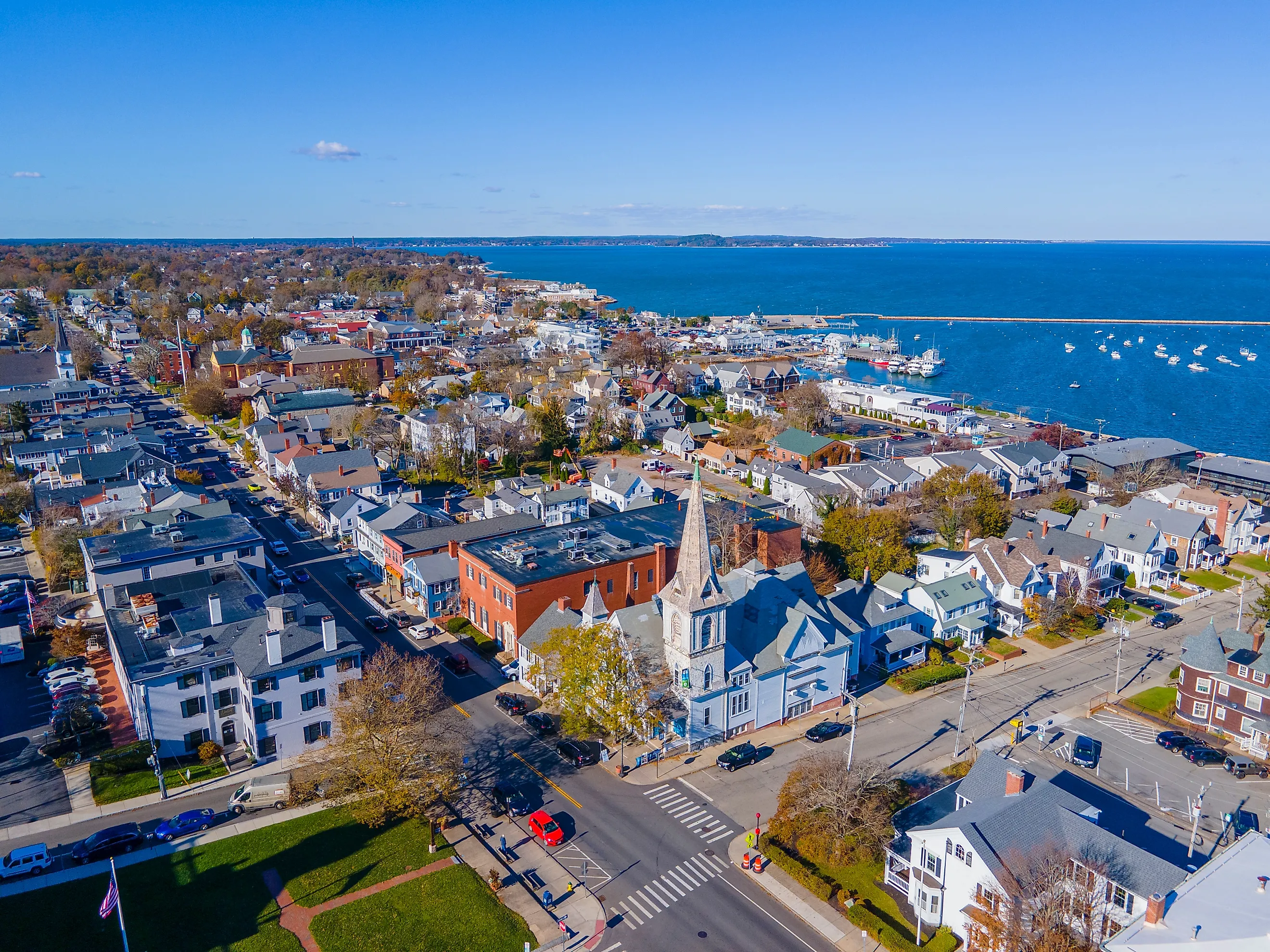
Plymouth County

Recent data from the US Census Bureau and the IRS SOI migration files show that Plymouth County has continued to attract new residents in the years following the pandemic, noting an increase since the COVID-era suburban migration surge. The county's population increased from 530,819 in 2020 to an estimated 542,090 in 2024, reflecting continued residential growth across southeastern Massachusetts. Much of this migration has come from nearby Boston-area counties, with many residents from Suffolk, Norfolk, and Middlesex counties opting for more affordable housing and greater job flexibility outside the urban core. Communities such as Plymouth, Marshfield, and Kingston have become especially appealing for their family-oriented suburban atmosphere, easy coastal access, and relatively lower housing costs compared to Greater Boston.
IRS migration trends further suggest that many residents leaving Boston-area counties have been increasingly relocating to southeastern suburban communities along the South Shore. Several factors may be driving this trend, including the rise of remote and hybrid work, easy commuter and public transit access, and expanding residential development throughout the region. Together, these patterns have helped strengthen Plymouth County's role as one of Massachusetts' fastest-growing suburban alternatives to Boston.
Middlesex County

As the largest county in Massachusetts by population, Middlesex County has remained one of the state's strongest destinations for both new residents and population growth. According to recent Census estimates, the county's population increased from 1,632,002 in 2020 to an estimated 1,668,956 in 2024, representing the largest population gain for the state during that four-year period. Major communities like Cambridge, Somerville, Waltham, and Lowell continue to attract residents due to their proximity to Boston, strong technology and biotech job markets, access to major universities, and extensive public transit options.
Recent IRS SOI migration data also shows Middlesex County consistently ranks among Massachusetts' top destinations for inbound households and adjusted gross income migration flows. At the same time, the county has experienced some domestic outmigration to more affordable areas, such as Worcester and Plymouth Counties, reflecting broader statewide housing affordability pressures. Even so, continued growth in the tech and biotech markets, university-centered economic expansion, and redevelopment projects in communities like Cambridge and Somerville have helped sustain Middlesex County's long-term population growth and economic appeal.
Barnstable County

Recent population estimates and IRS migration data also show continued population growth across Cape Cod, particularly in Barnstable County, where pandemic-era migration trends have increasingly translated into long-term residency. The Census Bureau reported that the county's population grew from 228,996 in 2020 to an estimated 232,570 in 2024, with communities such as Barnstable, Falmouth, and Yarmouth attracting retirees, remote workers, and second-home owners who later became permanent residents. Migration data further indicates that many inbound residents have arrived from Middlesex and Norfolk counties, alongside a growing number of out-of-state retirees relocating to coastal Massachusetts.
Several factors continue to drive Barnstable County's growth, including retirement migration, remote work flexibility, and sustained demand for coastal housing. The county also has the oldest population in Massachusetts, with a median age of 56.3 years, reflecting its longstanding popularity among seniors and retirees. Even as some pandemic migration trends have cooled nationally, Barnstable County has continued to benefit from its combination of coastal amenities, lifestyle appeal, and a growing year-round residential population.
Norfolk County

Recent Census estimates and IRS county migration tables show Norfolk County continues to attract steady residential growth as more households move away from Boston's urban core into surrounding suburban communities. The county's population increased from 725,981 in 2020 to an estimated 737,601 in 2024, supported by continued inbound migration and household income growth, relative to many other Massachusetts counties. Communities such as Quincy, Brookline, Weymouth, and Braintree have remained particularly attractive to families, higher-income professionals, and remote or hybrid workers seeking a more suburban lifestyle without sacrificing convenient access to Boston.
IRS migration data also points to a broader pattern of Boston households relocating southward into Norfolk County, especially from the nearby Suffolk County. The county posted a net migration rate of 9.87 per 1,000 residents, reflecting strong population inflows during the post-pandemic period. Several factors continue driving this growth, including commuter rail access, strong suburban school districts, larger single-family housing options, and evolving hybrid commuter patterns that allow more residents to live farther from downtown Boston while maintaining access to the region's job market.
Where Massachusetts Population Growth is Headed Next
Recent data shows that a lot of Massachusetts' population growth is from residents moving beyond Greater Boston and into more affordable parts of the state, especially Central Massachusetts, southeastern suburban counties, and some coastal communities. Worcester County, Plymouth County, and parts of Barnstable County have continued to gain new residents, while some of the state's most expensive urban areas have seen slower growth or even population decline in recent years.
As remote and hybrid work remains common and housing prices near Boston stay high, many residents are choosing communities where they can still commute to major job centers without the high cost of living in the city. Although Massachusetts continues to lose residents to lower-cost states, many people are also relocating within the state itself, favoring more affordable suburbs, coastal towns, and mid-sized cities over Boston's increasingly expensive urban core.