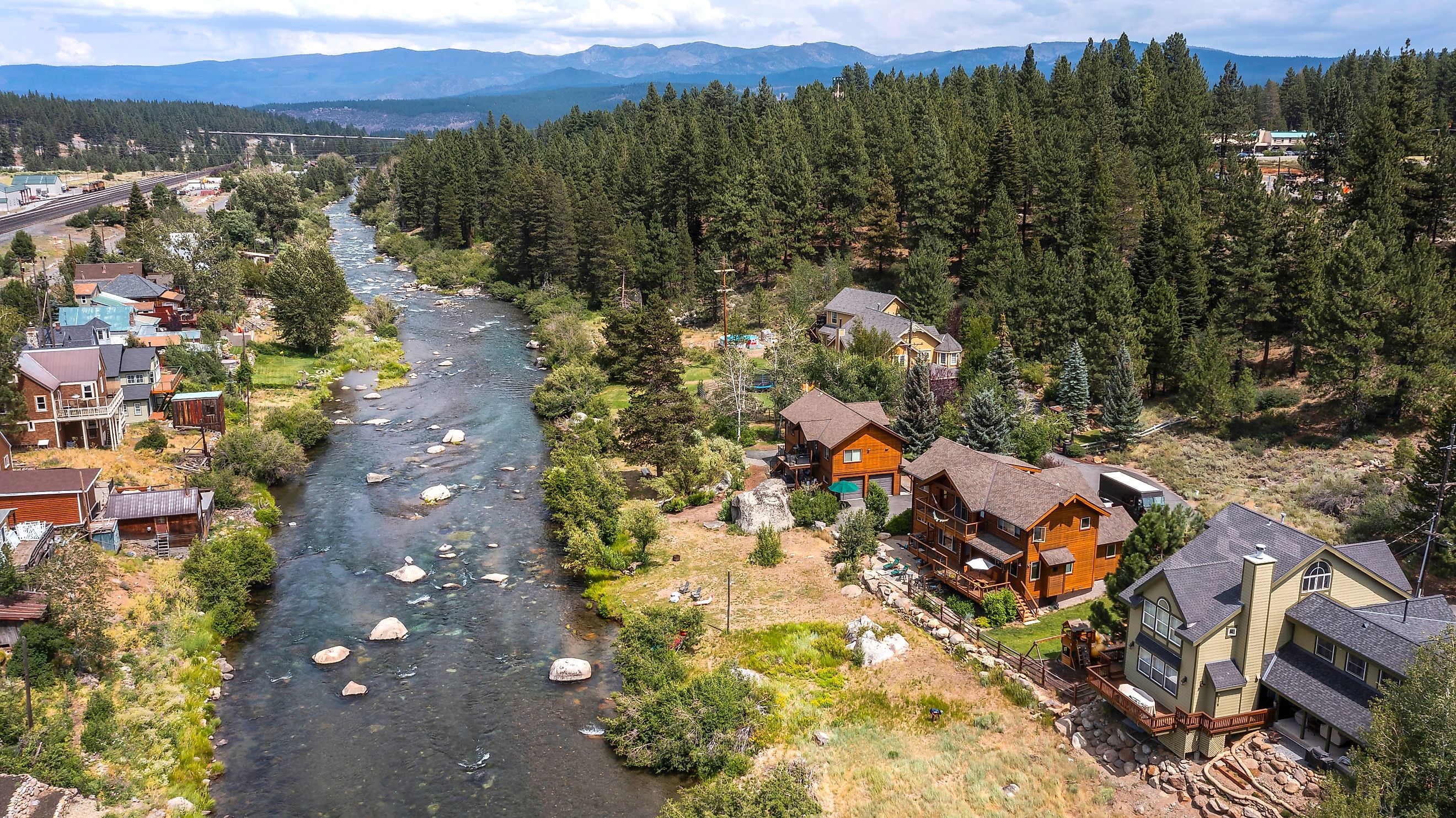
Where People Are Moving To In California's Sierra Nevada In 2026
The pull toward California's Sierra Nevada is easiest to see at the county line. In Placer County, the population rose more than 37,000 between the 2020 census and 2025, from 404,739 to 442,081, a 9.2% increase in five years, according to U.S. Census Bureau estimates. Most of that gain comes from Californians who have traded larger metros like Sacramento and the Bay Area for foothill and mountain towns within commuting range, drawn by more attainable housing, larger lots, shorter drives, and quick access to the outdoors. Remote and hybrid work have loosened many workers' ties to a downtown office, and the towns below are where that change is most visible across the range. The pace is uneven, stronger in some communities than others, but the pattern is consistent: more people now pick the Sierra Nevada as a year-round home.
Truckee

Truckee holds about 17,000 residents, up modestly since the 2020 census counted roughly 16,700, according to U.S. Census Bureau estimates. IRS migration data show that many newcomers arrive from nearby Placer County, followed by Sacramento County and the Bay Area's Contra Costa County, with smaller numbers from outside California.
Behind much of that migration are the rise of remote work and hiring in the Tahoe-area tech sector, which together have allowed higher-income households to relocate while keeping jobs elsewhere. Housing costs in Truckee run well above most origin counties, but many buyers have paid the premium for year-round mountain living and quick access to recreation at spots like the Tahoe Donner resort and nearby Lake Tahoe.
More year-round residents mean more demand for housing and services. Developers have proposed projects such as the 115-unit Brockway Collective and The Residences at Jibboom to add housing, and the Tahoe Forest Health System has expanded primary, urgent, and behavioral care through its Sierra Center and Gateway projects. With those investments in place, Truckee looks less like a seasonal resort community and more like a fully supported year-round town.
Auburn

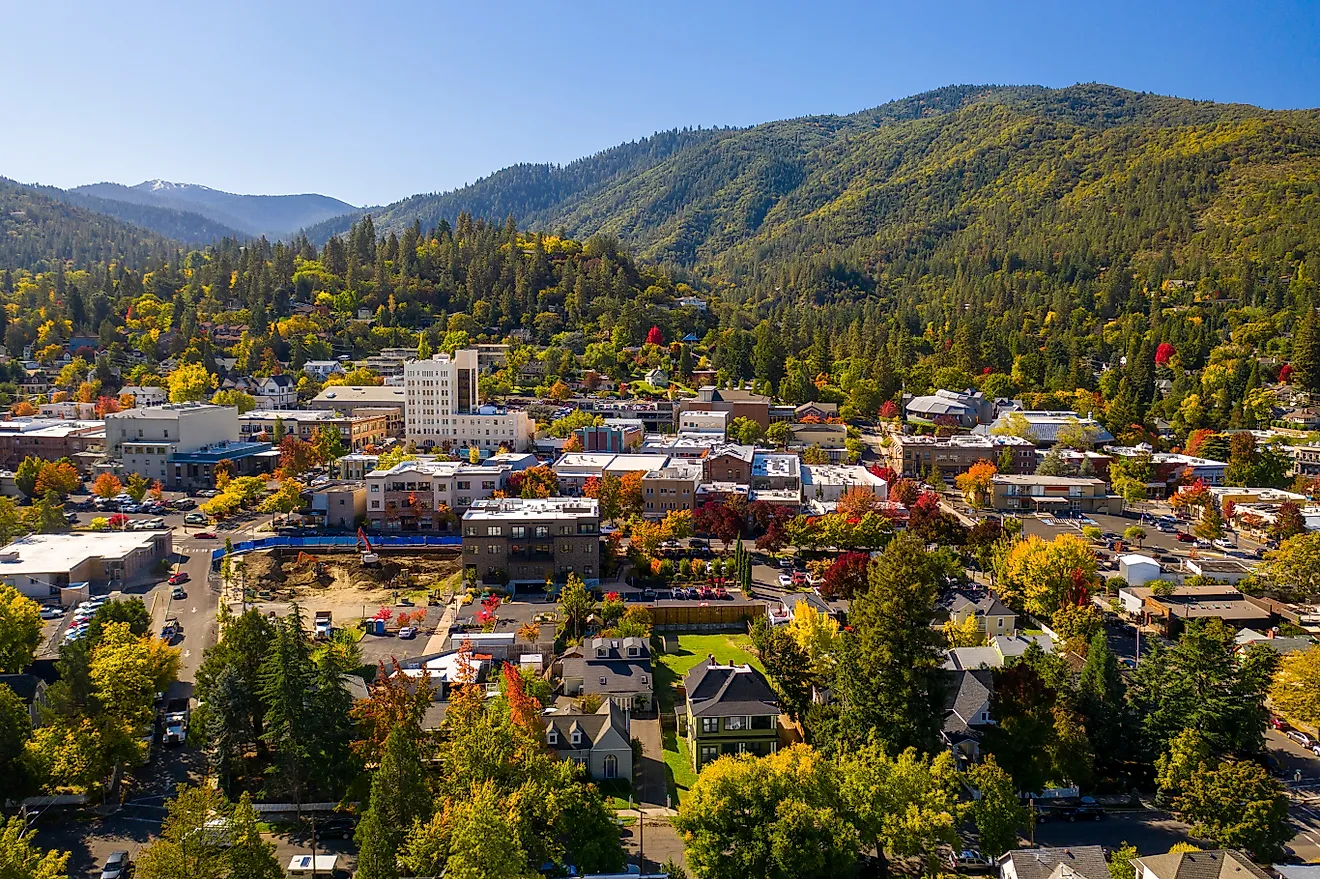
Auburn, the Placer County seat, has stayed near 13,700 residents in recent years, according to U.S. Census Bureau estimates, roughly flat at the city level even as the surrounding county grew quickly. IRS migration data indicate that recent arrivals came largely from Sacramento County, followed by Santa Clara County and Alameda County in the Bay Area.
Interstate 80 runs directly to the Sacramento metro area, an appealing setup for residents who want a historic small-town base without giving up regional jobs. Auburn also sits along the American River and next to the Auburn State Recreation Area, so year-round recreation is close at hand, another reason newcomers cite for the move. The river page is worth a look for context on the American River.
As more people settle in and around Auburn, demand for housing, retail, and public infrastructure has climbed. In Old Town Auburn, owners have opened new boutiques and locally owned shops alongside the district's long-established antique stores and Gold Rush-era buildings. Builders have continued to add homes as well, including the 79-unit Mercy Housing project in North Auburn. Transportation planners, meanwhile, have flagged worsening congestion along the Interstate 80 corridor as commuter traffic climbs, one of the strains that comes with a growing foothill population.
Placerville

Placerville, the El Dorado County seat, has stayed near 10,700 residents in recent years, according to U.S. Census Bureau estimates, close to where it stood at the 2020 census. Recent arrivals came mostly from Sacramento County and other parts of the Sacramento region, along with Bay Area counties, as reported by IRS migration data.
U.S. Highway 50 connects Placerville directly with Sacramento, a practical setup for households after more affordable foothill housing who still want metro-area jobs in reach. Visitors also spend throughout the year on the town's Gold Rush heritage and historic Main Street, which help support the local economy.
As more people look at the area, residential construction, commercial development, and investment have picked up along the Highway 50 corridor. New businesses have opened downtown alongside revitalization efforts, and Marshall Medical Center has expanded services to improve healthcare access for local residents. Heavier commuter traffic along Highway 50 is now one of the more visible effects of the area's draw, a sign of Placerville's dual role as a regional destination and a commuter town.
Nevada City

Nevada City has about 3,200 residents, up roughly 1.5% since the 2020 census, according to U.S. Census Bureau estimates. IRS migration data show the largest inflow came from nearby Placer County, followed by Sacramento County and several Bay Area counties.
A relatively high rate of telecommuting has allowed Bay Area professionals to relocate without giving up metro-area jobs, and the town's established arts scene and small-town setting have drawn artists, entrepreneurs, and other remote workers after a slower pace.
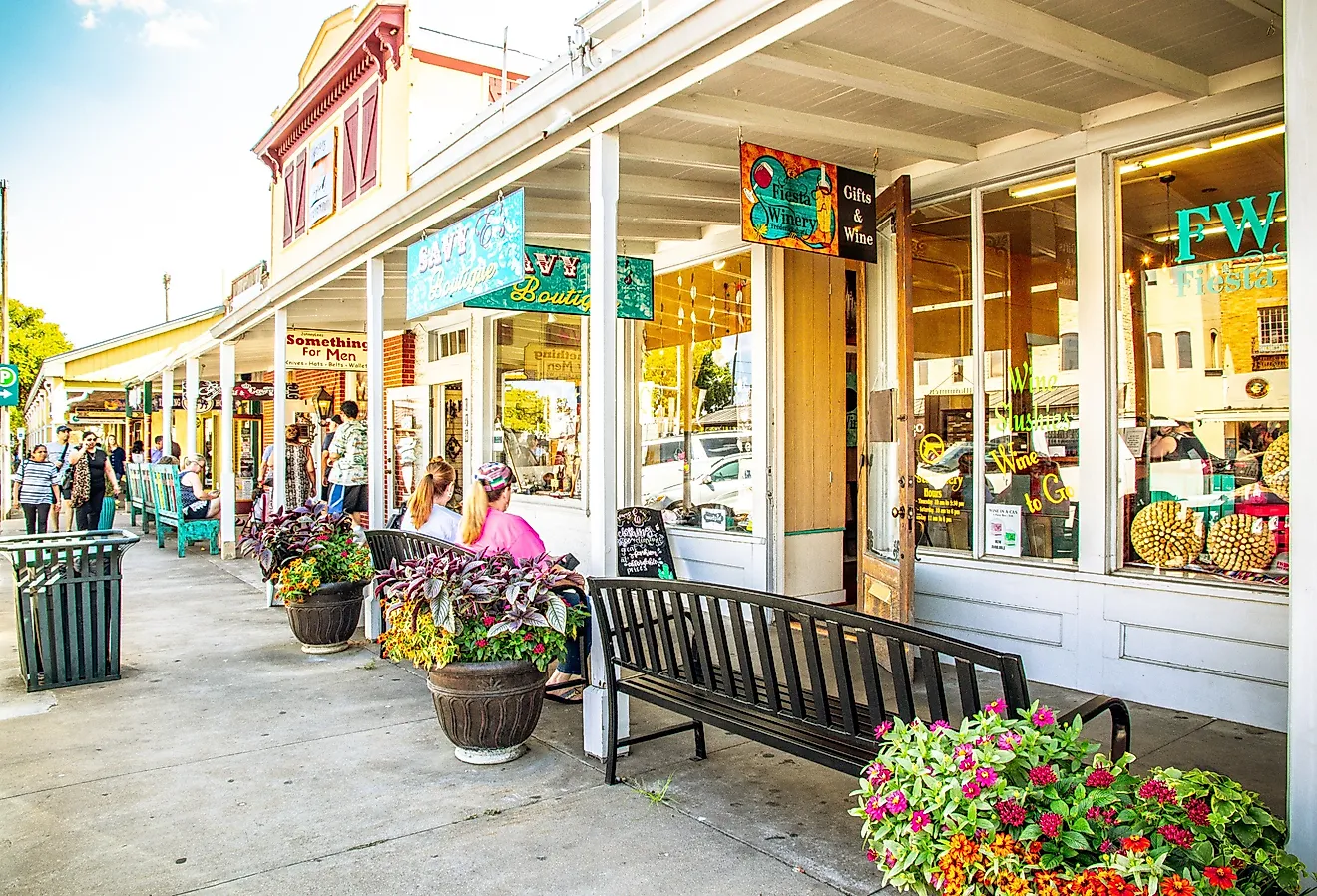
New residents have increased demand for Nevada City's historic housing stock, prompting owners to restore older homes and lifting property values. Boutique retail has grown too, as merchants have opened shops like Wonder Docent and Septembers on Broad Street, adding year-round activity beyond the traditional visitor season.
The Broad Street Historic District stays central to the town's commercial and cultural identity, with its preserved Gold Rush-era architecture and a run of independent businesses that now includes the recently opened Trailhead Tavern. Taken together, they show Nevada City in the middle of a move from a historic foothill town toward a busier year-round destination for residents, visitors, and creative businesses.
Sonora

Sonora, the only incorporated city in Tuolumne County, counted 5,003 residents at the 2020 census and has stayed near 4,900 in recent estimates, according to U.S. Census Bureau data. IRS migration data report that many newcomers came from nearby Stanislaus County, followed by Calaveras and San Joaquin counties, part of a broader movement of Central Valley residents into the Sierra Nevada foothills.
For many newcomers, especially retirees who want a small community with established medical infrastructure, the draw is healthcare jobs and access to regional medical care. The town also lies within reach of Yosemite National Park, and Yosemite-bound visitors bring seasonal spending to the area's tourism economy.
Adventist Health Sonora, the region's major medical provider, has expanded services and hiring to meet demand across Tuolumne County and neighboring communities. Downtown Sonora has seen continued investment as well, including the Linoberg Street pedestrian plaza, and developers have brought new retirement housing online for older residents. Together, they point to Sonora's role as a regional healthcare and retirement hub, and Yosemite-bound visitors keep spending in its historic downtown.
Oakhurst

Oakhurst, an unincorporated community in Madera County, counted 5,945 residents at the 2020 census and has grown slowly since, according to U.S. Census Bureau estimates. IRS data show the largest inflow came from nearby Fresno County, followed by Merced and Santa Clara counties.
The movement from Fresno County fits Oakhurst's dual role as a gateway to Yosemite National Park and a cooler mountain alternative for Central Valley residents. Remote work has made it far easier for professionals to relocate, and older residents continue to settle in the area's established retirement community.
As the population edges up, demand for year-round housing, local services, and businesses has risen with it. Developers have added permanent housing through projects such as the River Grove complex, and merchants have expanded along the Highway 41 commercial corridor. A steady stream of Yosemite-bound visitors keeps local inns busy, supports guided outfits like Discover Yosemite, and fills restaurants such as Bigfoot's Bakery and Grill, adding year-round activity. With each of these additions, Oakhurst has grown from a tourism-oriented community into a more established year-round Sierra Nevada town.
A Range In Transition
The Sierra Nevada's recent gains point to a steady move toward foothill and mountain living, as residents leave higher-cost metros for smaller towns within reach of Sacramento and the Central Valley. The effects are uneven. Auburn and Placerville sit along the busy Interstate 80 and Highway 50 commuter corridors, where added traffic is the clearest strain, while residents of Truckee, Nevada City, Sonora, and Oakhurst press on housing, healthcare, and year-round services. As developers add homes and property values rise with the influx, affordability may erode in communities that once offered a cheaper alternative to California's big metros. Residents in these growth zones can likely expect more investment in local business and infrastructure over the next few years, along with heavier pressure on roads, housing supply, and public services.