Where People Are Moving To In Alaska In 2026
Picking a new home address in Alaska comes down to jobs and lot prices in 2026. The Matanuska-Susitna Valley north of the state's largest city has pulled in the bulk of new residents. Wasilla and Palmer lead that growth, with Knik-Fairview right behind them. The Kenai Peninsula draws a smaller but steady flow, with Soldotna and Kalifornsky carrying most of it. The seven communities ahead are where Alaskans are putting down roots in 2026.
Wasilla

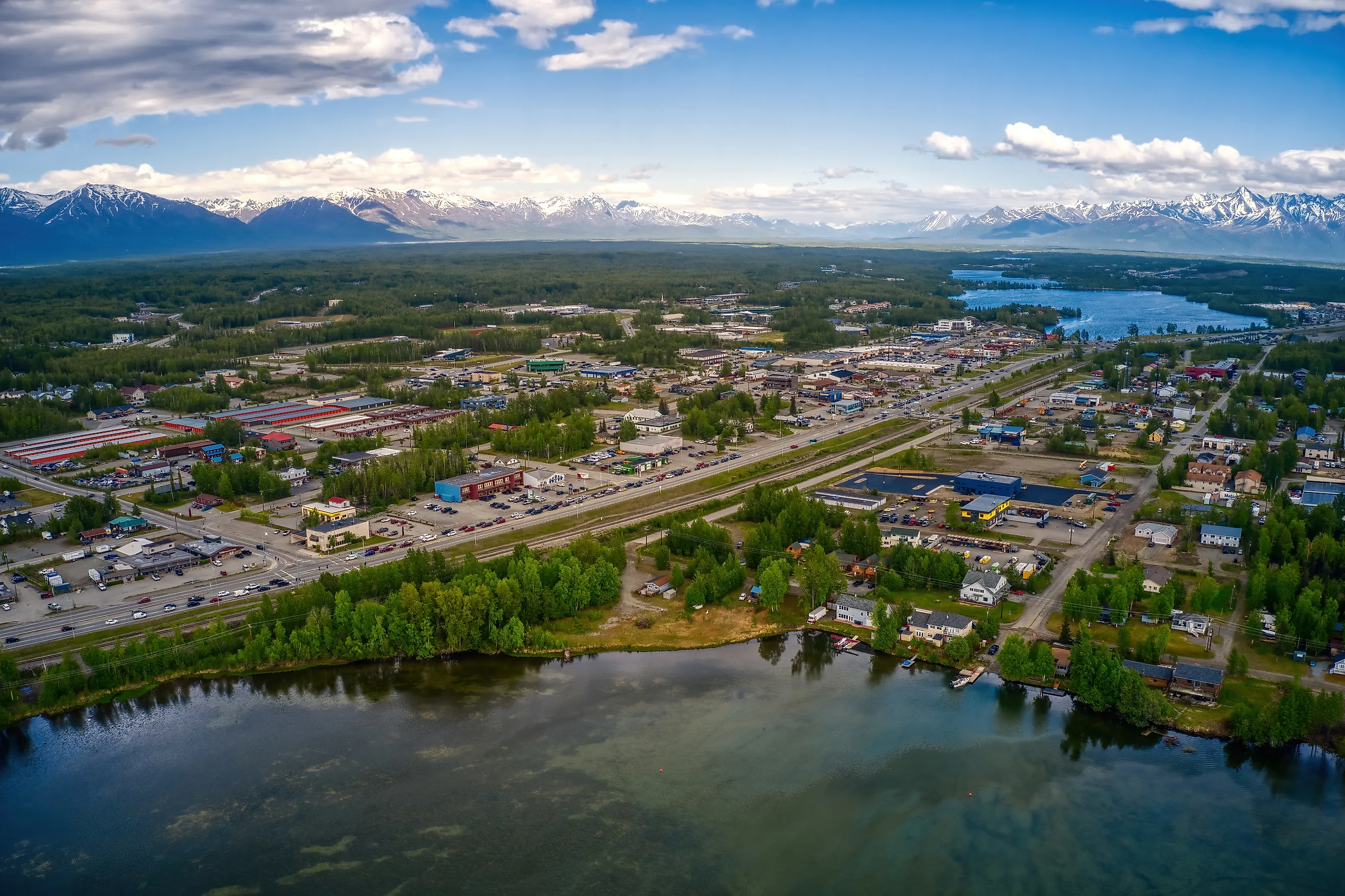
Wasilla sits as the largest city in the Matanuska-Susitna Borough and the most popular landing spot for new residents in the state. The Census counted 9,054 people in 2020, and the Population Estimates Program put the figure near 9,945 by 2023. The borough around it grew from 107,081 to roughly 117,400 by 2025, a gain of nearly 10%. Most of those new residents come from Anchorage, the state's largest city. About a third of Wasilla's workforce still drives the George Parks Highway to jobs in Anchorage, but the pull for moving here is price. A typical Valley home carries a median value near $319,200, well below comparable housing in Anchorage. Mat-Su Regional Medical Center, sited between Wasilla and Palmer, handles hospital care for the corridor.
Knik-Fairview
Knik-Fairview shows the scale of the shift better than any incorporated city. The community never incorporated, yet it is the largest census-designated place in Alaska. The Census counted 19,297 residents in 2020, up from 14,923 in 2010, marking a 29% rise across the decade. That total already passed Wasilla, the borough's largest city, and the 2024 American Community Survey put the figure near 19,970. The area lies about 17 miles northeast of Anchorage on the Knik Arm of Cook Inlet, close enough for a daily commute. Buyers come for room: large lots and new construction priced below what the same money buys in town. The result is a spread of welcoming subdivisions rather than a downtown core, with growth continuing along the highway corridor.
Tanaina
Tanaina fills the gap directly north of Wasilla, and it has grown into one of the Valley's larger communities without ever incorporating. The Census recorded 8,817 residents in 2020, up from 8,197 in 2010, ranking it among the most populous census-designated places in the state. The households moving in skew young, with a median age around 33, and many are families that work in Wasilla or commute into Anchorage. School-age children drive much of the demand, and the Matanuska-Susitna Borough School District has expanded across the Wasilla-Tanaina corridor to keep up. New single-family subdivisions continue to replace open lots between the city and the Parks Highway. Tanaina reads as classic suburban infill with the kind of family-friendly density that draws first-time buyers.
Palmer

Palmer gives the Valley its main alternative to subdivision living, with an actual town and a walkable core. The city is the borough seat, and unlike its neighbors it grew slowly for years before turning up. The Census put Palmer at 5,888 in 2020, barely changed from its 2010 count, and the Population Estimates Program lifted it to about 6,378 by 2023. Palmer traces back to the 1935 Matanuska Colony, when the federal government resettled more than 200 farm families from the Upper Midwest to start dairy and produce farms in the Valley. That farming history still shapes the surrounding land. Newcomers tend to want a downtown grid and a sense of place rather than a lot on the highway. Much of the recent building has clustered around the Farm Loop area north of the center. The Glenn Highway ties Palmer to Anchorage roughly 40 miles southwest.
Big Lake

Big Lake grew differently from the highway suburbs, taking shape as a weekend-cabin area that residents have steadily turned into year-round housing. The community sits west of Wasilla, reached by a spur off the George Parks Highway. The Census counted 3,833 people in 2020, up from 3,350 in 2010, a 14% rise over the decade. Its median age, near 45, runs well above the Valley average, a sign that buyers here skew older than the young families moving into Tanaina. Many arrived first as Anchorage weekenders, then converted lake cabins into year-round homes as remote work and retirement made the commute optional. Lakefront and near-lake lots remain cheaper than comparable water access closer to the city. The shoreline of Big Lake itself, lined with floatplanes and boat launches, keeps new building close to the water.
Kalifornsky
Kalifornsky marks the second front of in-state migration, this one on the Kenai Peninsula south of the largest city. The Kenai Peninsula Borough has grown faster than the state as a whole since 2020, reaching about 61,300 by 2025. Within it, Kalifornsky is the single most populous community, ahead of the incorporated cities of Soldotna and Kenai. The Census counted 8,487 residents in 2020, up from 7,850 in 2010. The community stretches along Kalifornsky Beach Road south of the Kenai River, a band of welcoming unincorporated housing rather than a town center. People settle here for the same reason they pick the Mat-Su CDPs, with lower-cost lots within reach of the Peninsula's jobs. Retirees factor in too, since the borough draws an older population than most of Alaska.
Soldotna

Soldotna does the work of a much larger town for the surrounding Peninsula. The city is the Kenai Peninsula Borough seat, yet it counted only 4,342 people in the 2020 Census. Its weekday population swells well beyond that as residents from Kalifornsky, Sterling, and nearby areas come in for work, school appointments, and medical care. The change here is less about new subdivisions inside the city and more about Soldotna holding the hub role while population spreads into cheaper land nearby. Central Peninsula Hospital, the borough's main acute-care facility, is one of the area's largest employers. The Kenai River runs through town and supports a summer fishing economy that has long drawn seasonal workers, some of whom stay year-round.
The Valley and the Peninsula
The map of where Alaskans live keeps tilting toward two welcoming corridors, the Mat-Su Valley above all and the Kenai Peninsula well behind it. As long as the largest city stays flat and its housing stays costly, the push into the Valley should continue. The Peninsula will keep taking a smaller share, concentrated around Soldotna and the K-Beach corridor. For neighbors looking at affordability and community feel rather than urban density, both regions deliver what they promise. The seven communities above are where families and retirees are choosing to put down roots.