8 Fairy-Tale Small Towns In Oregon
Anyone who has driven Oregon back roads knows a few towns you slow down for on purpose. Cannon Beach opens onto a shoreline that could belong in a novel. Joseph pairs bronze sculpture with an alpine quiet the rest of the state does not have. Silverton keeps a garden city label going with murals and waterfall trails. Jacksonville still carries its gold-rush frame, and Mount Angel lets a Bavarian glockenspiel chime above its main street. The eight below fit inside that feeling without staging it.
Cannon Beach

Cannon Beach is small in population but outsized in image. Shingled cottages sit under Sitka spruce. Art galleries and independent bakeries line a walkable downtown that ends where the sand begins. And the Pacific delivers the town's defining feature at low tide.
Haystack Rock is the sea stack that put Cannon Beach on film reels and postcards, and the tide pools at its base pull families out for hours. Downtown Cannon Beach earns its own morning with galleries, coffee, and shops within a block of the shore. For a quieter side of the coast, Ecola State Park just north of town swaps the crowds for forest trails, headland viewpoints, and a wilder stretch of coastline.
Joseph

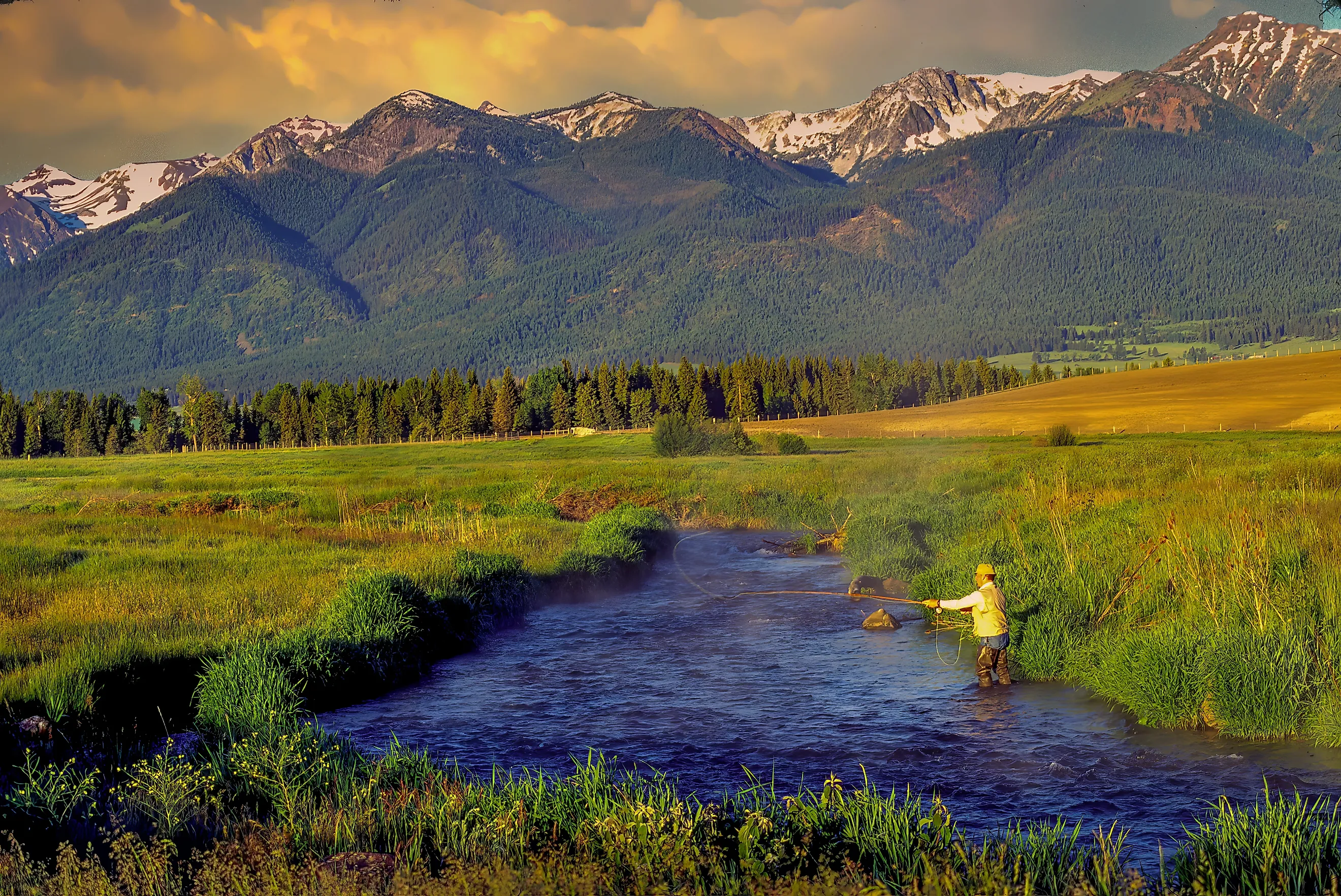
Joseph sits in the far northeast corner of the state, under the Wallowa Mountains. The setting is alpine in a way most of the state is not. Bronze sculpture lines the sidewalks. Galleries and a working foundry tradition give the downtown a working-artist pulse most towns this size do not have.
The Bronze Artwalk runs right through downtown, with life-size sculptures posted along the main drag. A short drive south is Wallowa Lake State Park, where a glacial lake meets the base of the mountains and picnic tables sit close enough to the water for fishing between bites. The Wallowa Lake Tramway climbs to the top of Mount Howard, opening a view that runs across the lake, the peaks, and the valley behind them.
Jacksonville

Jacksonville has one of the best-preserved historic downtowns in the state. Brick storefronts sit under leafy streets. Preserved 19th-century buildings still line the district. And a gold-rush past shapes almost every block visitors walk.
California Street is where the old commercial buildings cluster and the walking is best. The Beekman House Museum, dating from the 1870s, gives a look at one of the town's founding families, while the Jacksonville Cemetery steps up onto the hill for a quieter historic stop. In summer, the Britt Festival pulls in live music at an outdoor venue above town, turning the old-town evening into something with volume.
Sisters

Sisters pushes up against the Cascade Mountains and looks like it belongs there. Western-style storefronts frame the sidewalks. Pine forest circles the town. The Three Sisters peaks handle the skyline.
The 1880s-style facades along the main drag make the downtown wander an easy one, past coffee, galleries, gear shops, and boutiques. Nearby Suttle Lake brings camping, fishing, and forested water for a slower half-day, while Hoodoo Ski Area handles winter. The Sisters Rodeo is the town's headliner event, but the frontier polish holds even on the quiet weekends.
Yachats

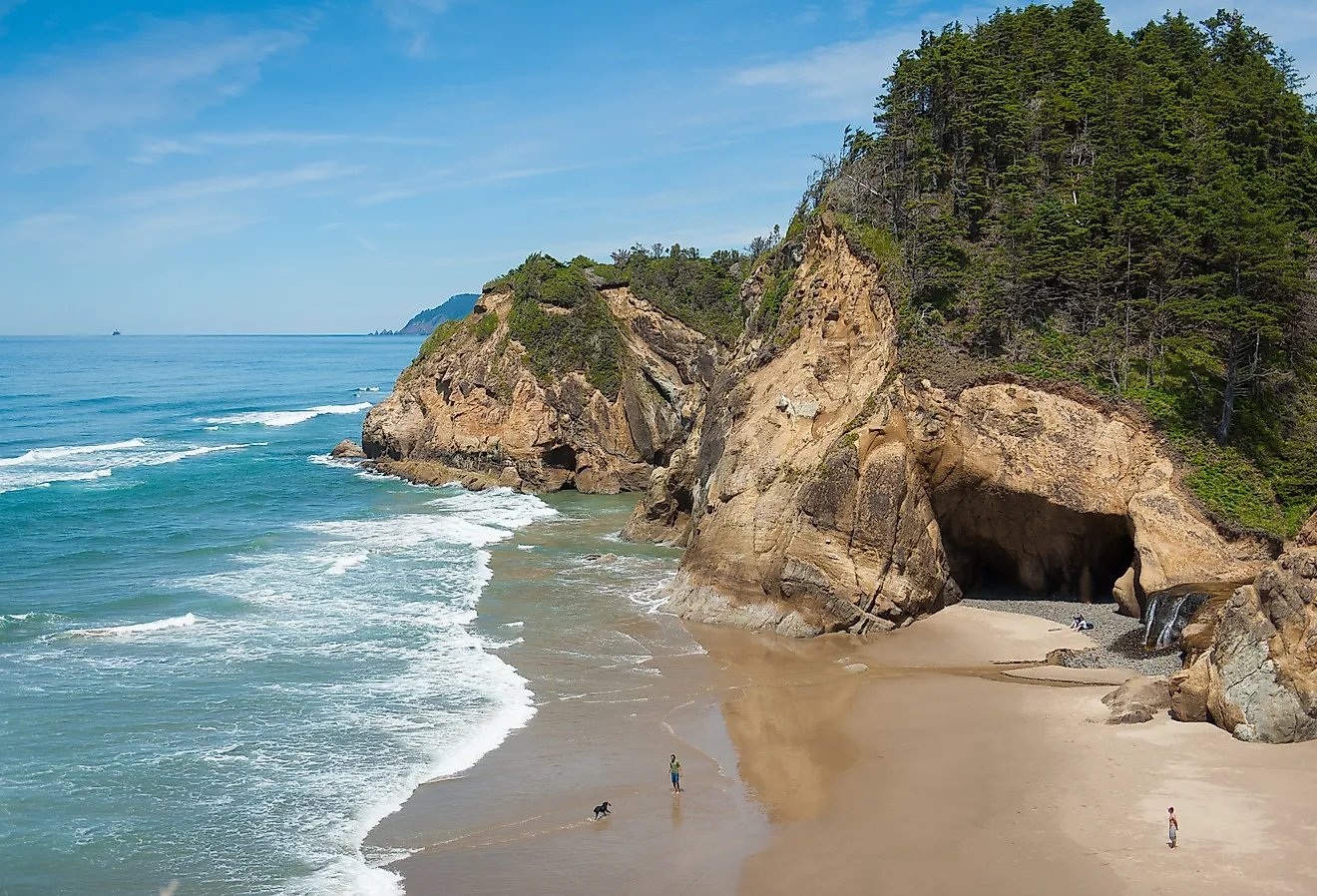
Yachats is small even by coast standards, but the setting does most of the work. Forested hills roll straight to a dark volcanic shore. Tide pools open at low water. Waves and coastal trails meet in a compact stretch of the central coast.
The shoreline is the main event, especially near Yachats State Park and the rocky trails close to town. Just south, Cape Perpetua Scenic Area holds some of the most memorable viewpoints on this stretch of the coast, along with forest trails, tide pools, and wave-carved formations. Thor's Well is the punctuation mark near Cape Perpetua, a round opening in the basalt that appears to swallow the sea at high water, though sneaker waves make caution non-negotiable.
Silverton

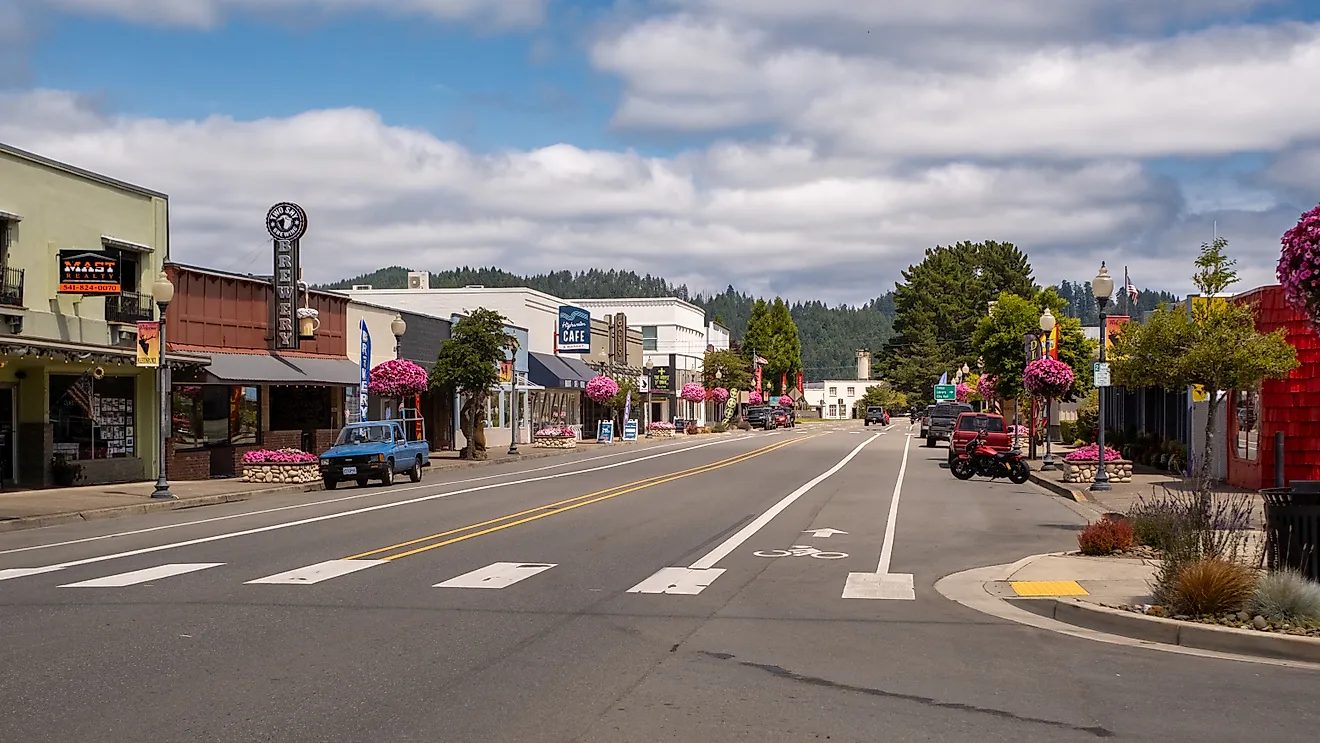
Silverton is the garden town of the Willamette Valley. Murals cover the older storefronts. A covered bridge sits near the edge of downtown. And waterfall country begins just outside city limits.
The best-known stop is The Oregon Garden, a botanical spread that opened in 2001 and took its name from the town's longstanding Garden City identity. Downtown Silverton adds outdoor murals, galleries, restaurants, and local shops on top of that, while Silver Falls State Park holds the trail network that draws hikers year-round, including routes that pass behind the water on several of the falls. The mix of flowers, murals, covered bridges, and forest waterfalls makes for one of the strongest day-trip pairings in the state.
Mount Angel

Mount Angel brings a little of the old world into the Willamette Valley. Swiss and German influences carry through the downtown. Rolling farmland surrounds it. A hilltop abbey holds the horizon.
The Mt. Angel Glockenspiel is the recognizable downtown landmark, playing several times a day and putting the town's Swiss-German heritage on display in real time. Mount Angel Abbey sits above town with views, a working Benedictine community, and a library that draws architecture visitors on its own. Every September, Mt. Angel Oktoberfest takes over the streets with music, food, and dancing for four days, drawing hundreds of thousands to a town of a few thousand.
Brownsville

Brownsville still looks 19th-century in a way that is not staged. Historic homes line the side streets. Vintage storefronts hold the downtown block. And film fans arrive with a specific list to work through.
The Moyer House, an 1881 Italianate mansion, is the polished historic centerpiece. The Linn County Historical Museum handles the deeper context on the Calapooia people, early settlers, and pioneer trades, while the Living Rock Museum adds one of the odder small-museum experiences in the state, built around local agates, crystals, and quartz. And downtown itself pulls in Stand by Me fans working the walking map of filming locations, since the 1986 film used the town as its setting.
Small Towns That Earn The Word
Cannon Beach and Yachats lean on sea stacks and tide pools. Joseph and Sisters lean on peaks. Jacksonville and Brownsville keep their 19th-century streetscapes intact, and Silverton and Mount Angel add gardens, murals, and old-world detail. Together, the eight show that Oregon's smaller towns can look imaginative without leaving history, local business, and outdoor life behind.