5 Tick Infested Areas In Nebraska
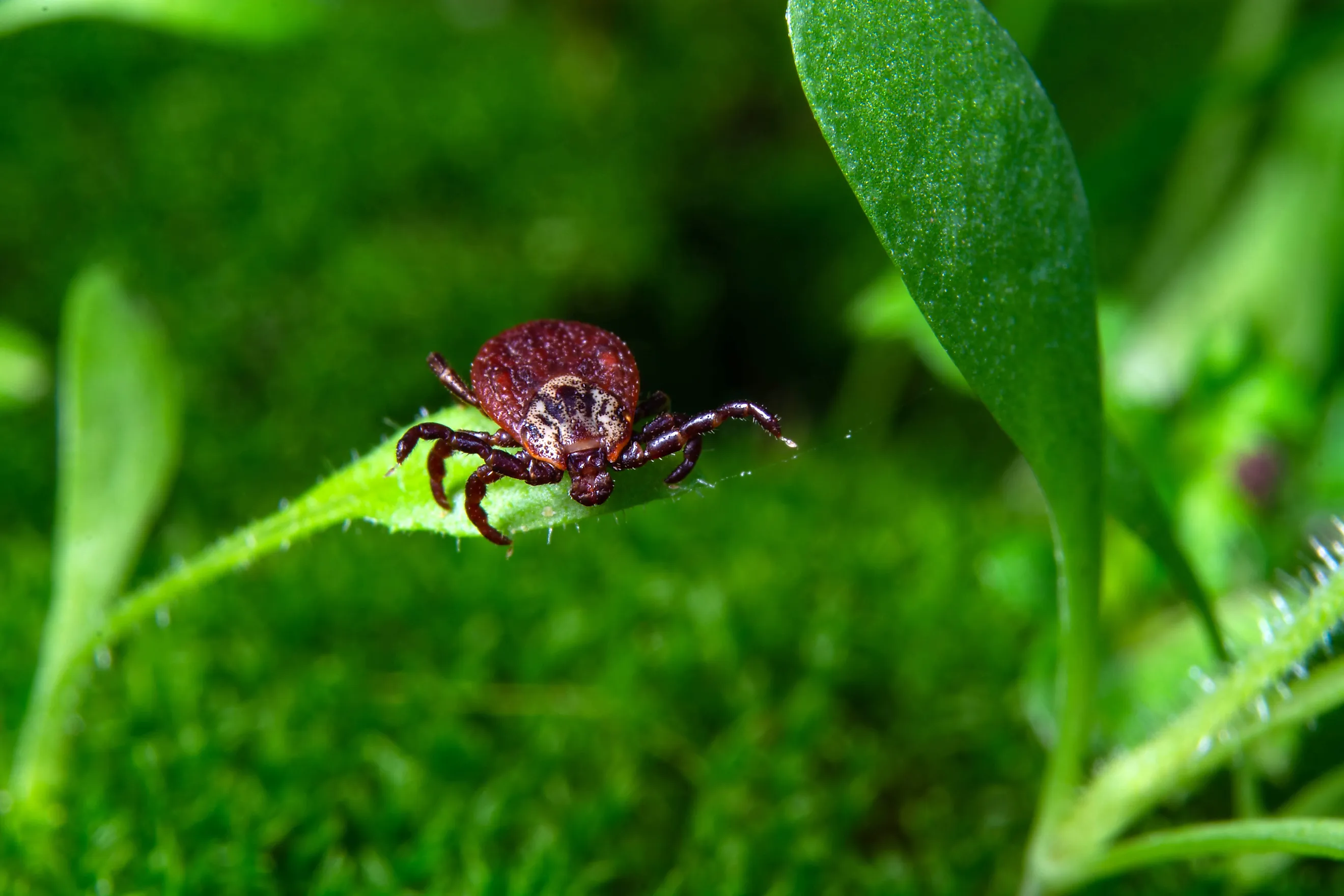
After the second-warmest winter on record and a wet April in parts of eastern Nebraska, the Nebraska State Climate Office warned that tick risk would be significant in the eastern part of the state during spring and summer 2026. Through July 4, the Nebraska Department of Health and Human Services had collected 3,589 ticks at 40 sites in 33 counties. These collections included 2,450 lone star ticks (Amblyomma americanum), not counting larvae that were too numerous to count, and 1,119 American dog ticks (Dermacentor variabilis). The lone star tick and American dog tick were therefore the dominant medically important species in the state’s active 2026 collections.
By the same date, Nebraska had reported 43 tickborne-disease or tick-associated condition cases, including 12 hospitalizations and no deaths. Alpha-gal syndrome, an allergic condition associated primarily with lone star tick bites rather than an infection, accounted for the largest category. Other diseases such as ehrlichiosis, Lyme disease, spotted fever group rickettsioses, and tularemia remained documented Nebraska risks. These five parks and recreation areas are especially high-risk for tick infestation, with suitable habitats and confirmed tick sightings.
Indian Cave State Park

Mature hardwood forests cover most of Indian Cave State Park's roughly 3,000 acres, and the terrain's ravines and ridges hold shade and moisture that ticks depend on between blood meals. The park lies near the Nemaha-Richardson county line in Nebraska’s southeast corner, where steep, heavily wooded bluffs rise above the Missouri River.
Indian Cave’s location in Nebraska’s southeastern corner makes the lone star tick especially important to watch out for. Unlike American dog ticks, which often occupy open grassy areas, lone star ticks are strongly associated with dense understory, shaded leaf litter, and humid woodland floors. The park’s steep ravines and mature hardwood forest provide those conditions, while its abundant deer and wild turkeys supply hosts for adult ticks. Lone star ticks can transmit ehrlichiosis and tularemia, and their bites are also associated with alpha-gal syndrome, an allergy to mammalian meat and related products. Hikers are most likely to encounter them where narrow trails brush against low vegetation or pass through damp, sheltered hollows.
Ponca State Park

Ponca State Park sits four miles north of Ponca in Dixon County, where wooded Missouri River bluffs give way to prairie and wet bottomland. Its 22-mile trail system crosses several distinct environments rather than remaining inside one continuous forest.
The Backwater Trail passes through tallgrass prairie, cottonwood stands, and river chutes. These grass-and-woodland edges suit American dog ticks, while deer and wild turkeys provide abundant hosts. American dog ticks are established in Dixon County and can transmit tularemia and spotted fever group rickettsioses, including Rocky Mountain spotted fever. Heavy trail use during spring and early summer adds another element: a steady flow of people moving through the vegetation where adult ticks wait for hosts.
Schramm Park State Recreation Area

The oak woodlands lining Schramm Park State Recreation Area's trails give ticks a shaded, undisturbed habitat rare this close to the Omaha metro area. Schramm sits on the north bank of the Platte River in Sarpy County, a short drive southwest of Omaha.
American dog ticks and lone star ticks also occur in eastern Nebraska, but Schramm is particularly notable because Sarpy County has supported an established population of blacklegged ticks (Ixodes scapularis) since 2019. Blacklegged ticks use humid woodland leaf litter and feed on deer and smaller wildlife during different life stages. They are the species known to transmit Lyme disease in Nebraska, although the state remains a comparatively low-incidence area. As of July 4, 2026, Nebraska’s provisional Lyme disease count remained between one and five cases.
Niobrara State Park

At Niobrara State Park, tick habitat changes sharply over a short distance. Blufftop prairie dries in the summer sun, but timber near the confluence of the Niobrara and Missouri rivers remains cooler and more humid. The park lies beside the town of Niobrara in Knox County.
Its 14 miles of hiking, biking, and equestrian trails repeatedly descend from open grass into shaded woodland. County surveillance has predominantly documented the presence of American dog ticks, which often wait along grassy paths and forest margins for medium or large hosts. They can transmit tularemia and spotted fever group rickettsioses, including Rocky Mountain spotted fever. Campground connections and river overlooks create the clearest contact points because visitors regularly cross the boundary between tall prairie vegetation and timber.
Lewis and Clark State Recreation Area

The mix of lakeshore campgrounds, wooded trails, and brushy shoreline at Lewis and Clark State Recreation Area brings outdoor visitors into some of northeastern Nebraska's most favorable tick habitat. Located along the southern shore of Lewis and Clark Lake in Knox County near the South Dakota border, the park combines seasonally flooded cottonwood forests with tallgrass meadows and dense shrub cover that retain the moisture ticks need to survive.
White-tailed deer, wild turkeys, and small mammals move between the reservoir shoreline, grassy openings, and surrounding woodland, providing potential hosts for American dog ticks during different life stages. Knox County supports an established population of this widespread Nebraska species, which can transmit tularemia and spotted fever group rickettsioses. The Weigand-Burbach area near Gavins Point Dam is potentially ideal for ticks. Its campsites, shoreline access points, and recreation areas place residents beside grass and brush during Nebraska’s spring and early-summer tick peak.
Tick Tracking and Staying Safe
More than 70% of Nebraska’s reported tickborne-disease cases occur from March through July, although ticks remain active into October. NDHHS maintains an interactive surveillance map showing which tick species have been confirmed in each county. The CDC recommends a number of precautions to stay safe, including treating clothing and gear with products containing 0.5% permethrin, using Environmental Protection Agency (EPA)-registered insect repellents, examining yourself, your children, and your pets carefully, and showering soon after returning inside.
Nebraska residents can submit ticks for identification and pathogen screening through the Nebraska Tick Testing Laboratory at the University of Nebraska Medical Center, or contribute to statewide surveillance by reporting tick encounters through the University of Nebraska-Lincoln's Tick Tag Go program. It's important to note that these tests aren't a medical diagnosis, so if you suspect an infection, it's important to consult a medical professional.