This Is The Most Hospitable Town In Pennsylvania
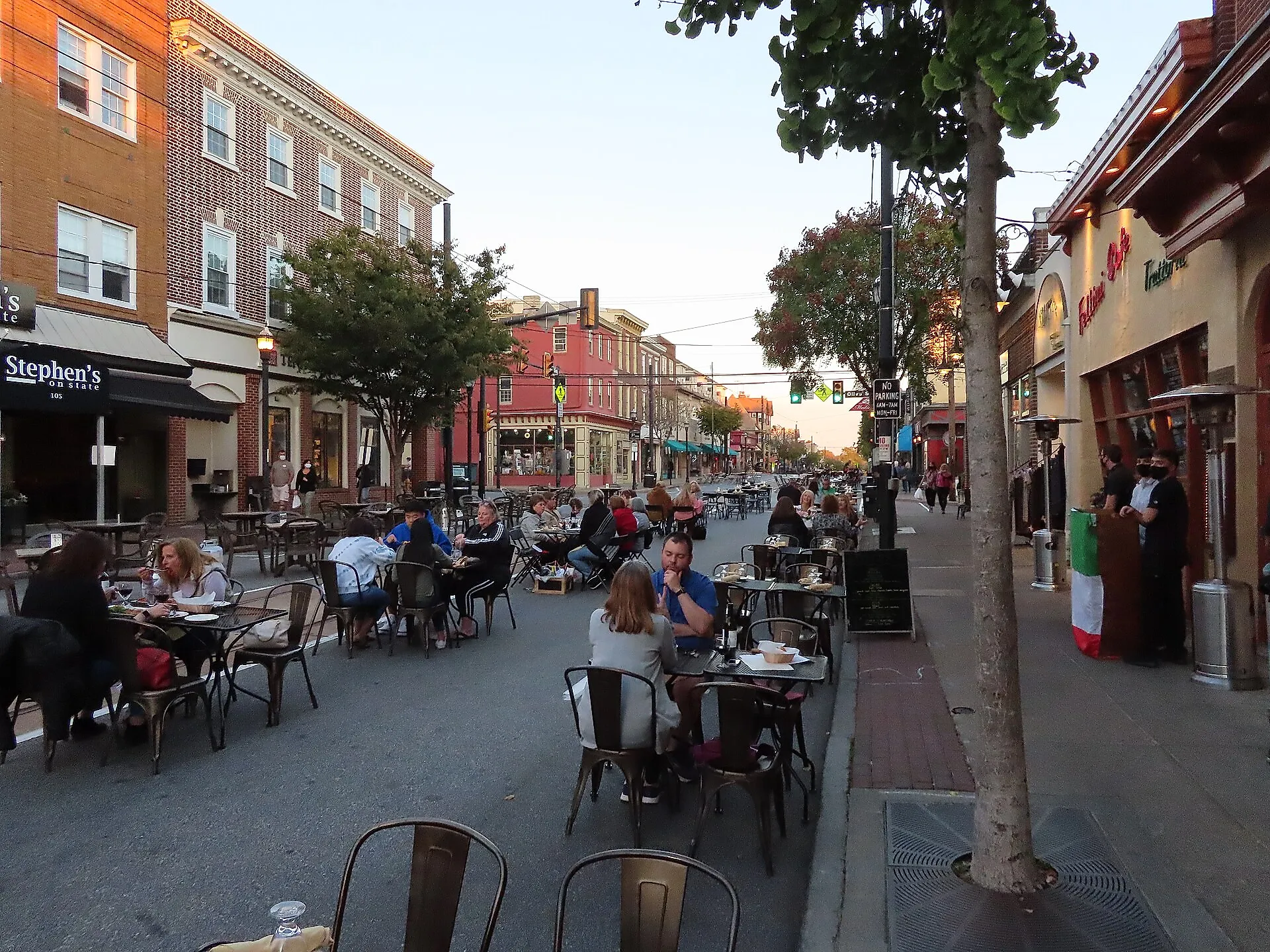
Media's borough seal reads "Everybody's Hometown." The borough closes State Street to cars every Wednesday in summer so neighbors can eat dinner in the road. In 2006 its council made Media the first Fair Trade Town in the United States. Generations earlier, local Quakers sheltered freedom seekers moving north. People arranged every bit of that on purpose, which is what puts Media in the running for the most hospitable town in Pennsylvania.
A Welcome Written Into the Founding

Surveyors drew Media on paper before it was much of a town. In 1850 they squared four farms into a grid around a brand-new county courthouse, and the Commonwealth incorporated the borough and named it the county seat on the same March day. The boundaries have not moved since, which is why Media still holds fewer than 6,000 residents inside eight-tenths of a square mile. Quakers had farmed the surrounding hills since William Penn's time, and they carried a plain conviction that everyone counted. Before the Civil War, some of those families hid freedom seekers on the route north, at real risk to themselves. The same habit turned up again in 2006, when the borough council voted to make Media the country's first Fair Trade Town. The welcome, in other words, keeps getting put in writing.
State Street, Where the Welcome Is a Daily Habit

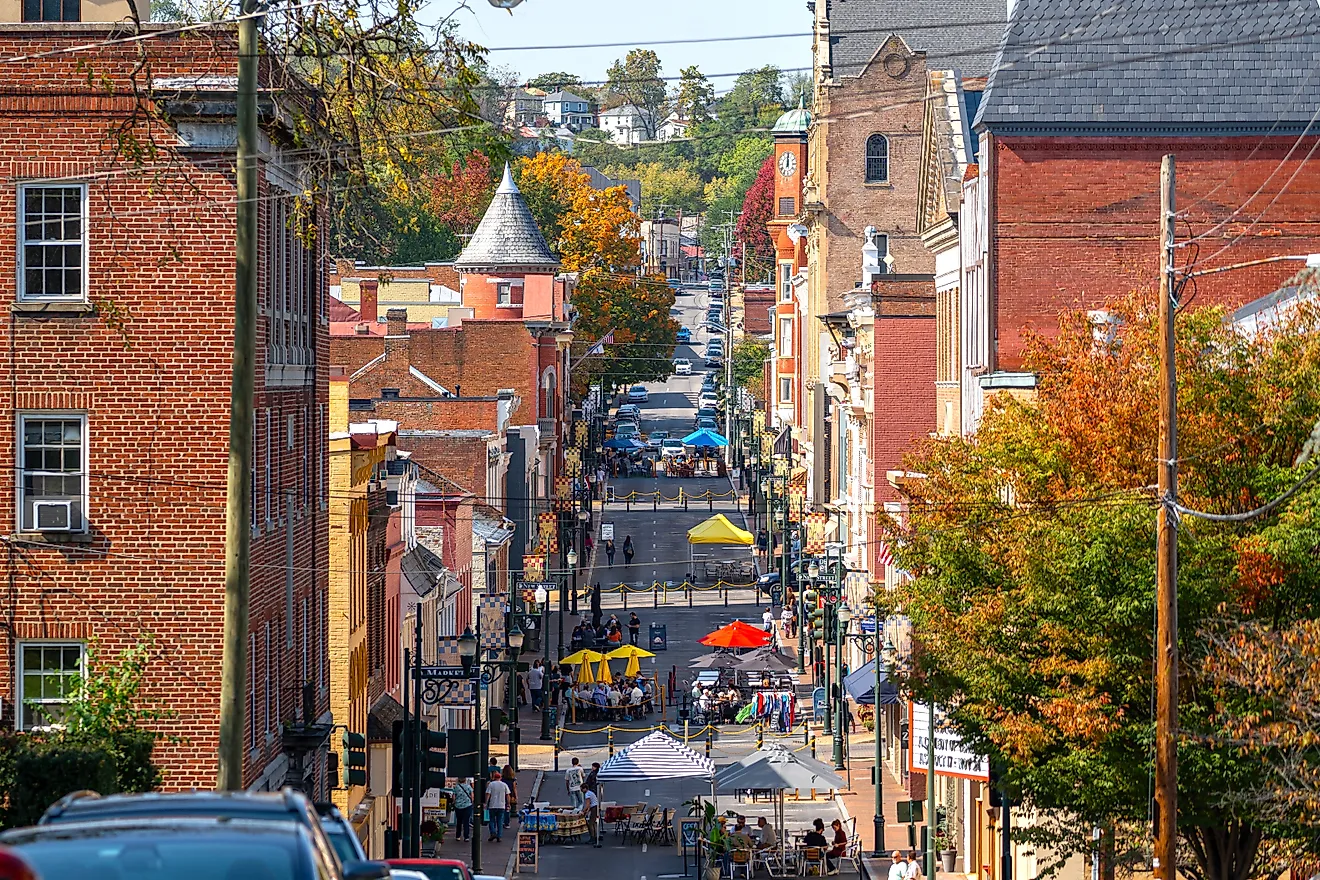
A trolley still runs down the middle of State Street. The SEPTA line has rolled through downtown since 1913, and Media is one of the last towns anywhere with a working trolley on its main street. The shopping district covers only a few walkable blocks, most of them independent shops and restaurants rather than chains. Halfway along sits the Media Theatre, which opened in 1927 as a movie house finished in English Renaissance plaster and now seats 440 for live shows. It is the largest professional theater in Delaware County, with Equity actors on its stage most weeks. A main street this compact means people keep running into each other on foot, which is exactly how the borough laid it out.
A Calendar Built for Gathering

Every Wednesday from May through September, the Media Business Authority closes State Street to traffic and hands it back to walkers. More than two dozen restaurants set tables out in the road for Dining Under the Stars, a routine now in its nineteenth summer. Once a month from spring into fall, the Media Arts Council adds a free concert on the Community Center lawn, chairs and picnics welcome. In September the Delaware County Historical Society runs the Delco Downhill Derby, a homemade-vehicle race down Edgmont Street that leans more on invention than speed. The winning team gets its name carved into a tree stump the society traces to William Penn's arrival in 1682. The events change with the season, but the point does not: give people a standing reason to show up on the same street at the same time.
Green Space, Kept Open on Purpose

Tyler Arboretum began as farmland the Quaker Minshall family bought from William Penn in 1681. Eight generations kept the trees, and in 1944 Laura Tyler left the whole 650 acres to the public. Seventeen miles of trails now run through its woodland, meadow, and wetland, and the older gardens hold deep collections of rhododendron, magnolia, and lilac. Ridley Creek State Park is right next door, 2,606 acres about five miles north of downtown. A paved five-mile trail follows old Sycamore Mills Road along the creek, and the Colonial Pennsylvania Plantation inside the park runs as a working farm from the 1700s. Closer in, the county has put free concerts in the Rose Tree Park amphitheater every summer since the 1970s. Each December, crews string that same hillside with lights for the Festival of Lights, and admission stays free. The pattern holds: at every step, somebody chose to keep this ground open to everybody.
Good Company Next Door
The Quaker welcome that shaped Media did not stop at the borough line. Swarthmore is about ten minutes up the road, built around a college the Friends founded in 1864. Its entire campus doubles as the Scott Arboretum, more than 4,000 kinds of trees and shrubs, open to anyone at no charge, and the Broad Table Tavern in the village is a fair reward at the end of a walk. Chester lies roughly seven miles south, and it is older than Pennsylvania itself. William Penn came ashore there in 1682, at a spot on the Delaware now marked with a low granite stone carrying his coat of arms. Media's welcome was never a local quirk. The whole county grew from the same roots.
Everybody's Hometown, on Purpose
Plenty of towns turn out friendly by luck. In Media, people kept choosing it. Quaker farmers chose it in the 1680s. Surveyors chose it when they squared the streets around the courthouse in 1850. The borough council chose it again in 2006, and the arts council, the historical society, and a few hundred volunteers keep choosing it every season since. The choice still shows up on a schedule: a street closed on Wednesdays, a lawn full of music once a month, a hillside lit every December. That is what the seal has meant all along. In Media, the welcome is somebody's job, and it always has been.