These Towns in California Have the Best Downtown Areas
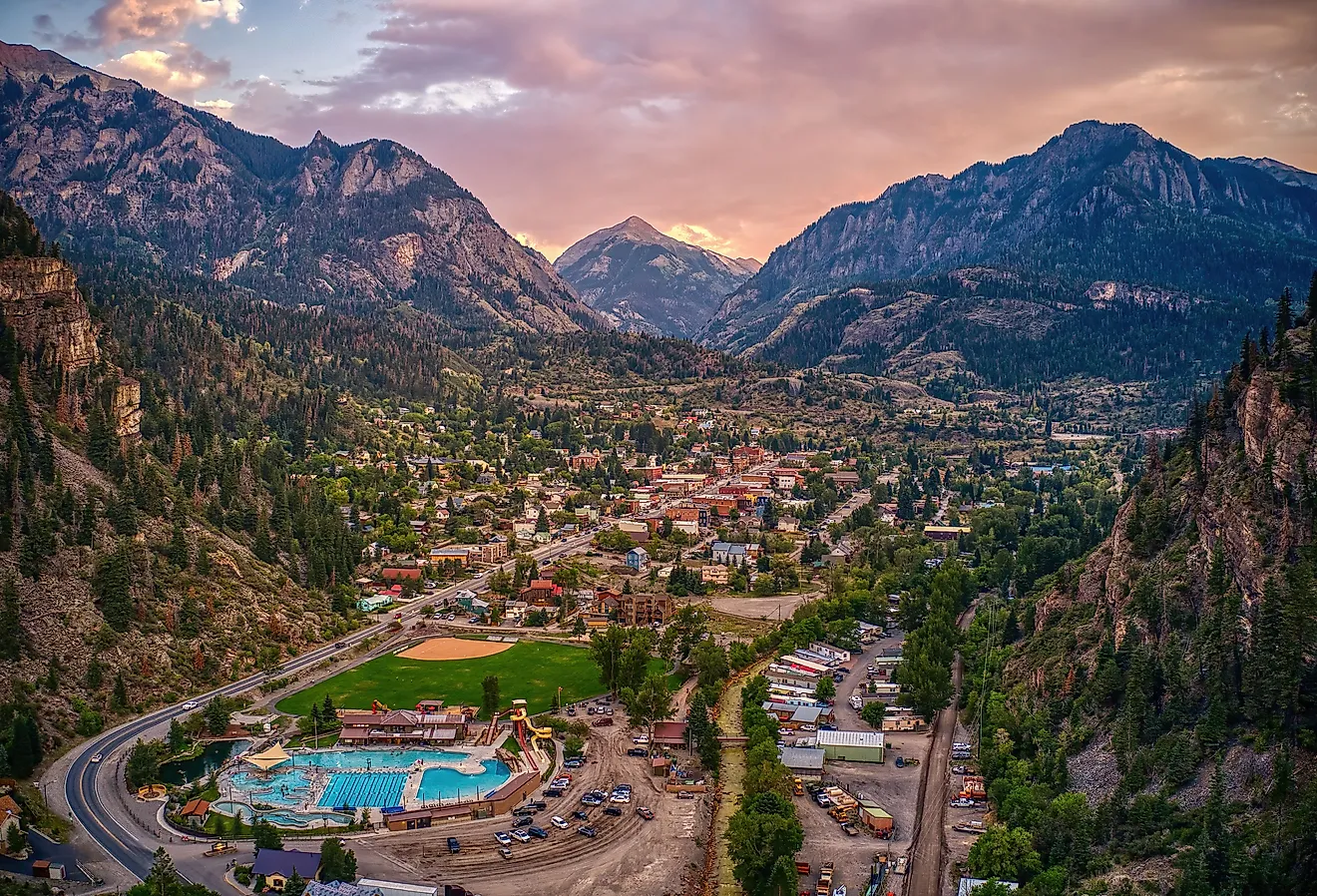
California’s strongest downtowns are shaped as much by geography as by design. Some press directly against the edge of Richardson Bay, where storefronts face open water and hills rise immediately behind them. Others sit inland along creeks that cut through the commercial strip, or cluster along a single highway corridor that funnels both locals and weekend traffic through the same few blocks. On Catalina Island, the downtown curves around Avalon Bay, its entire layout dictated by the harbor. In the desert, the main street runs along the base of the San Jacinto Mountains, with development stretched in a straight, walkable spine.
In each case, the geography is not background scenery. It determines where the storefronts line up, how people move, and why the downtown exists where it does. These are California towns where the landscape and the commercial core are inseparable.
Solvang

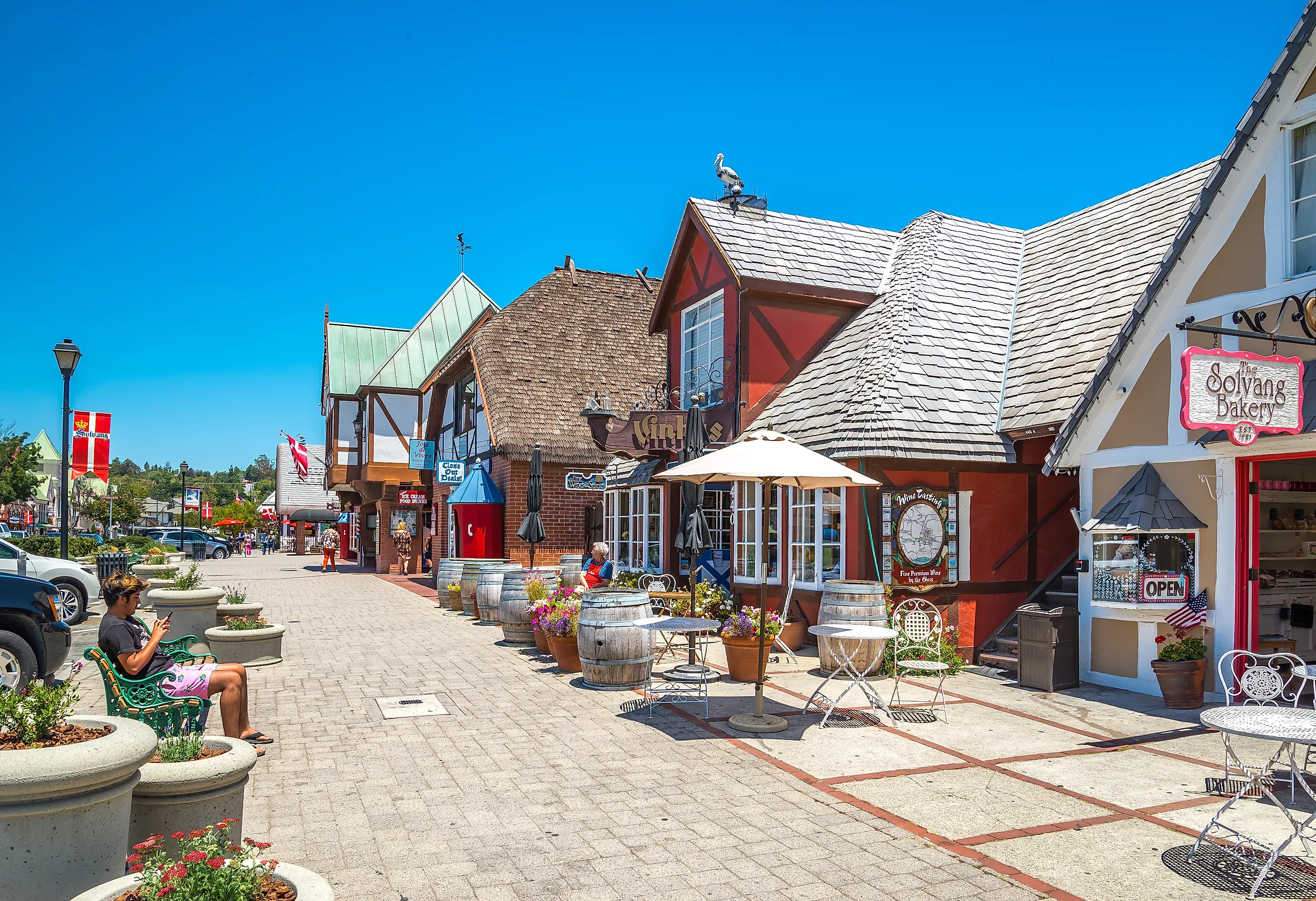
Solvang’s downtown is built around Danish-inspired storefronts, half-timbered facades, and a working windmill along Mission Drive. Founded in 1911 by Danish immigrants, the town leaned into that identity through 20th-century architecture that still defines the commercial core today.
In the downtown blocks, you will find multiple wine tasting rooms pouring Santa Ynez Valley vintages, long-running bakeries selling aebleskiver and kringle, and specialty shops centered on Scandinavian imports. The Solvang Trolley runs through the main streets as a horse-drawn tour loop, offering a short overview of the historic district rather than functioning as historic transit.
If you are from California, this is less about “going back in time” and more about a concentrated, walkable downtown with a clear cultural theme. It is compact, easy to navigate, and built entirely around its Danish branding.
Arroyo Grande

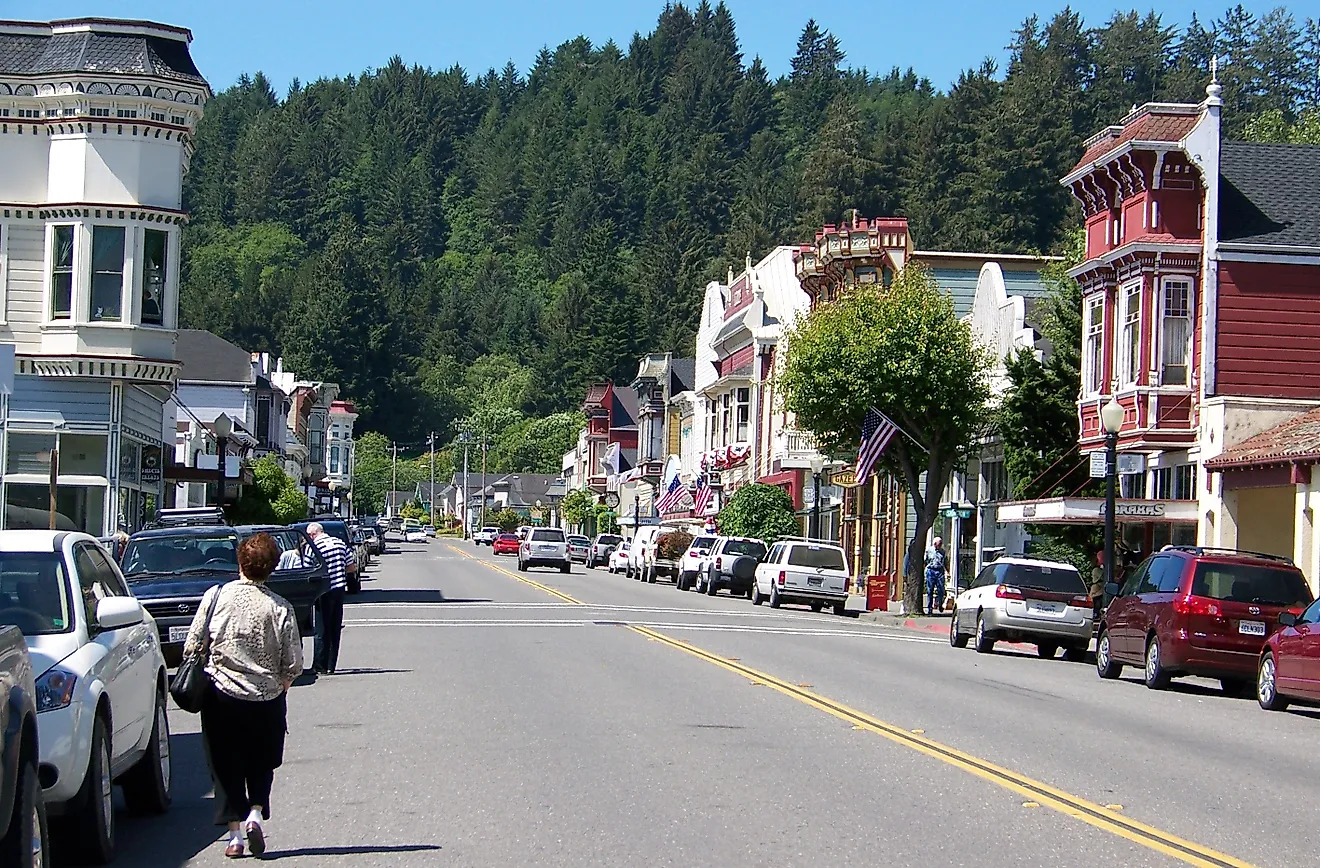
Downtown Arroyo Grande, known locally as the Village, centers on a compact stretch of East Branch Street just off Highway 101. The area is walkable in under an hour, with preserved late 19th- and early 20th-century storefronts that give it a distinct small-town core rarely found along the Central Coast.
Antique stores and resale shops anchor several blocks, alongside long-running restaurants and casual bars that serve the local crowd as much as weekend visitors. The Swinging Bridge spans Arroyo Grande Creek at the edge of downtown, connecting residential streets to the commercial strip. Nearby, the town’s well-known roosters roam freely, a long-standing local feature rather than a staged attraction.
For Californians used to larger coastal hubs, the Village feels contained and functional. It is not a resort district. It is a small, defined downtown with independent businesses, historic buildings, and a layout that rewards walking instead of driving.
Cambria

Cambria sits along Highway 1 between Morro Bay and San Simeon. If you are coming from San Francisco, expect roughly four to five hours depending on traffic and road conditions.
What many people call “downtown” is actually split into two areas along Main Street: East Village and West Village. East Village leans toward galleries, small shops, and local restaurants in preserved wood-front buildings. West Village is closer to Highway 1 and concentrates more retail and dining in a tighter cluster.
The Moonstone Beach Boardwalk runs along the coast north of the village districts. It is a separate stretch, not part of the commercial core, but close enough for a short drive or bike ride.
The business districts are compact, locally owned, and quiet after dark. It is not built around nightlife or resort density. It is a small coastal town with two defined village centers and a steady local rhythm.
Sausalito

Downtown Sausalito runs along Bridgeway, directly across the Golden Gate Bridge from San Francisco. The commercial strip follows the shoreline of Richardson Bay, with hillside homes rising behind it.
The downtown core is compact and walkable. Restaurants, small galleries, and independent shops line Bridgeway and the adjacent waterfront promenade. The views across the bay toward San Francisco are immediate and unobstructed, which is a major part of why the area stays busy on weekends.
The Sausalito Art Festival brings significant foot traffic when it runs, reinforcing the town’s long-standing arts presence, but day to day the downtown functions as a mix of local services and tourism-driven retail.
Sausalito is less about Mediterranean comparisons and more about location. It is a small waterfront downtown with direct bay views, tight blocks, and steady pedestrian traffic tied to its proximity to San Francisco.
San Luis Obispo

Downtown San Luis Obispo centers on Higuera Street, with commercial blocks running between Osos and Nipomo. The area is dense, active, and built for walking.
Retail is a mix of independent shops and national chains rather than outlet-style stores. Cultural stops include the San Luis Obispo Museum of Art and smaller galleries integrated into the commercial strip. Restaurants and bars fill most of the side streets, which keeps the core busy late into the evening, especially during the school year.
The Thursday Night Farmers’ Market shuts down several blocks of Higuera and turns the street into an open-air event with produce vendors, food stands, and live music. Sip ‘n’ Saunter brings a separate wine-focused crowd in the spring, though dates shift slightly year to year. The SLO Children’s Museum sits just off the main corridor and anchors family traffic during the day.
Avalon

Avalon is the main town on Catalina Island, about 22 miles off the Southern California coast. The commercial core wraps around Crescent Avenue along Avalon Bay.
Downtown is compact and pedestrian-oriented. Crescent Avenue holds most of the restaurants, souvenir shops, dive operators, and tour offices. The Catalina Casino building anchors the north end of the waterfront. Despite the name, it has not operated as a gambling casino; it houses a ballroom and the Avalon Theatre.
Catalina Island receives around one million visitors a year, arriving by passenger ferry from ports like Long Beach, San Pedro, and Dana Point, as well as by private boat and occasional cruise tenders. Tourism drives most of Avalon’s economy, and the downtown reflects that. Retail and dining are built around short stays and day-trippers.
Roughly 88 percent of Catalina Island is managed by the Catalina Island Conservancy. The island’s American bison herd, introduced in the 1920s, is controlled through active management rather than operating as a wildlife restoration preserve.
Palm Springs

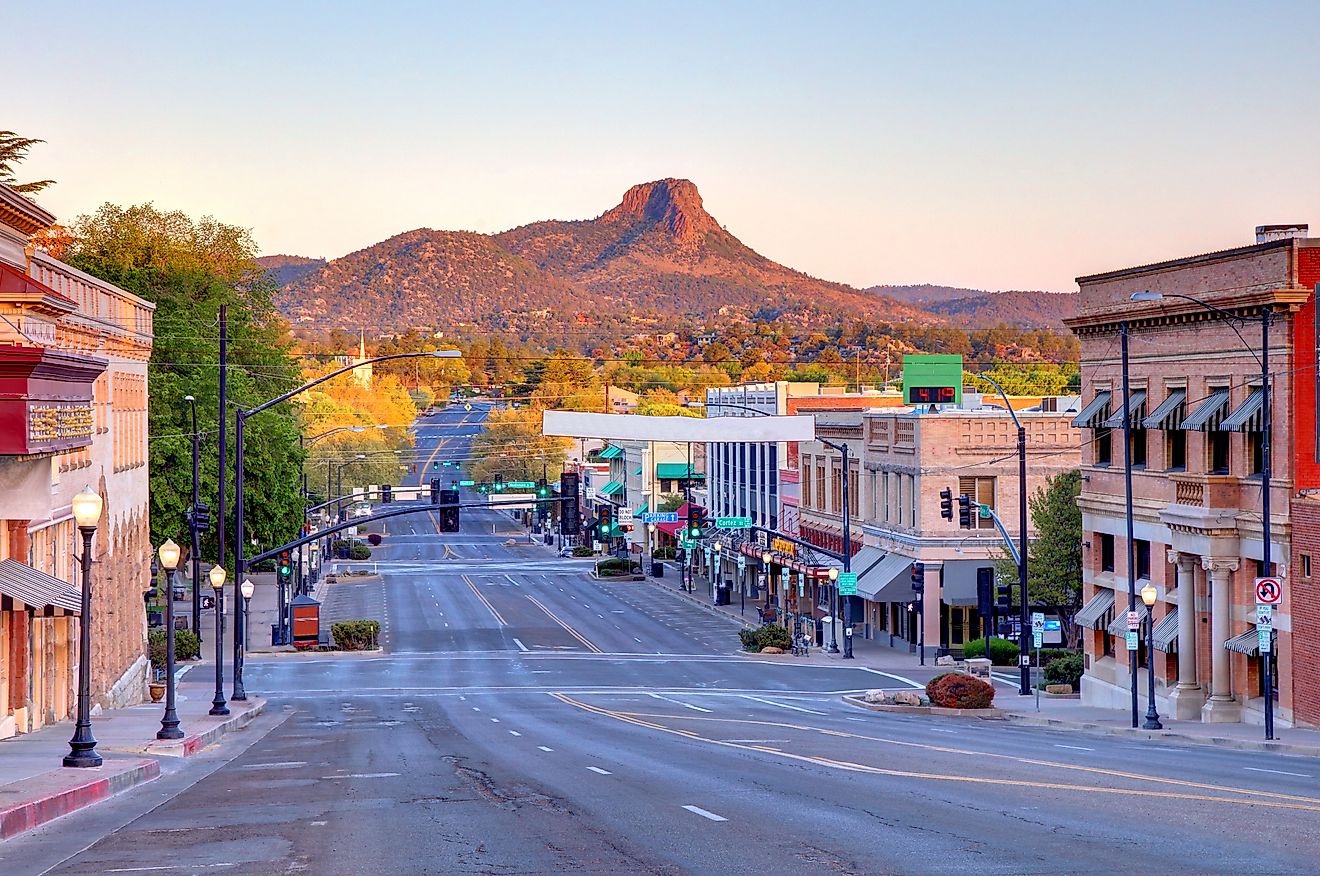
Downtown Palm Springs centers on Palm Canyon Drive, with commercial blocks stretching between Baristo Road and Alejo Road. The district has seen steady infill and renovation over the past two decades, but it remains anchored in mid-century modern architecture rather than a full redesign.
Retail and restaurants line both sides of Palm Canyon, with a mix of independent boutiques, galleries, hotels, and established restaurant groups. It is not a single plaza but a continuous commercial corridor with side courtyards and pedestrian paseos.
The Palm Springs Walk of Stars runs along the sidewalks downtown. VillageFest closes portions of Palm Canyon Drive on Thursday evenings, turning the street into a vendor market and community event. Moorten Botanical Garden sits south of the main strip and is separate from the commercial core.
The Takeaway
In larger cities, neighborhoods compete for attention. In these towns, everything runs through downtown. The restaurants, the weekly markets, the galleries, the waterfront paths, the desert blocks, the harborfront sidewalks. The core is compact, walkable, and easy to understand.
What sets these places apart is not hype. It is function. The geography shapes the street grid. The businesses cluster where foot traffic makes sense. Events shut down the main road because that is where people already are.
If you want to understand a California town, start with its downtown. In these communities, that is where daily life actually happens.