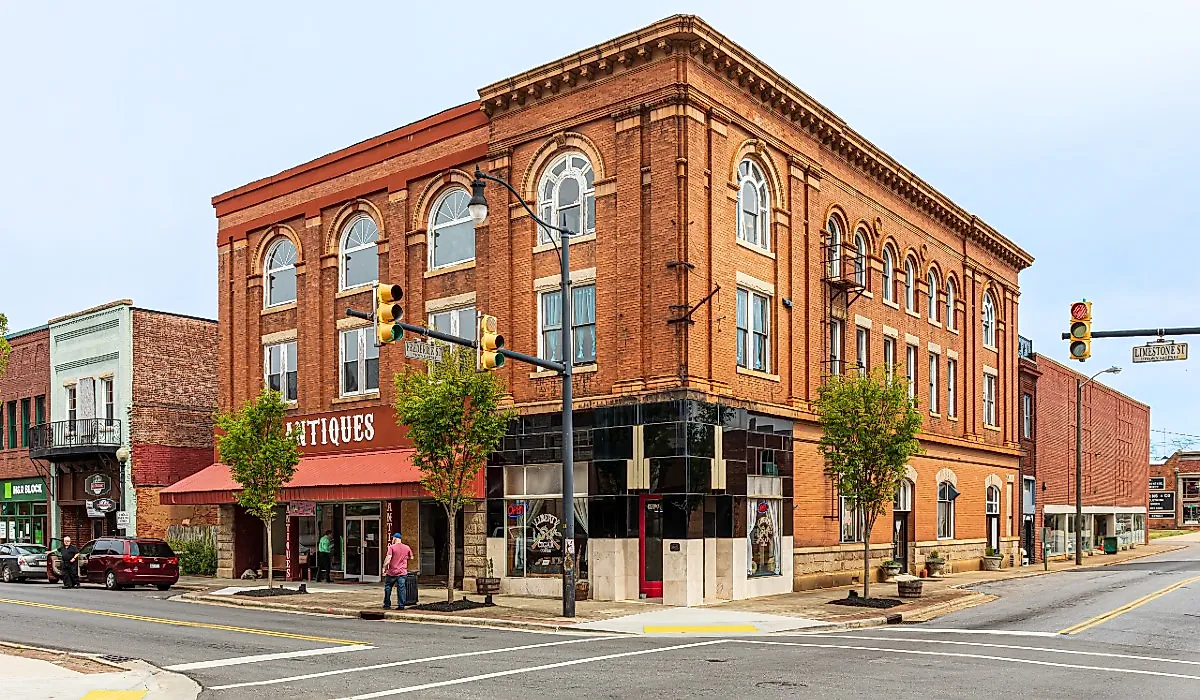
7 Best Towns In South Carolina For Retirees
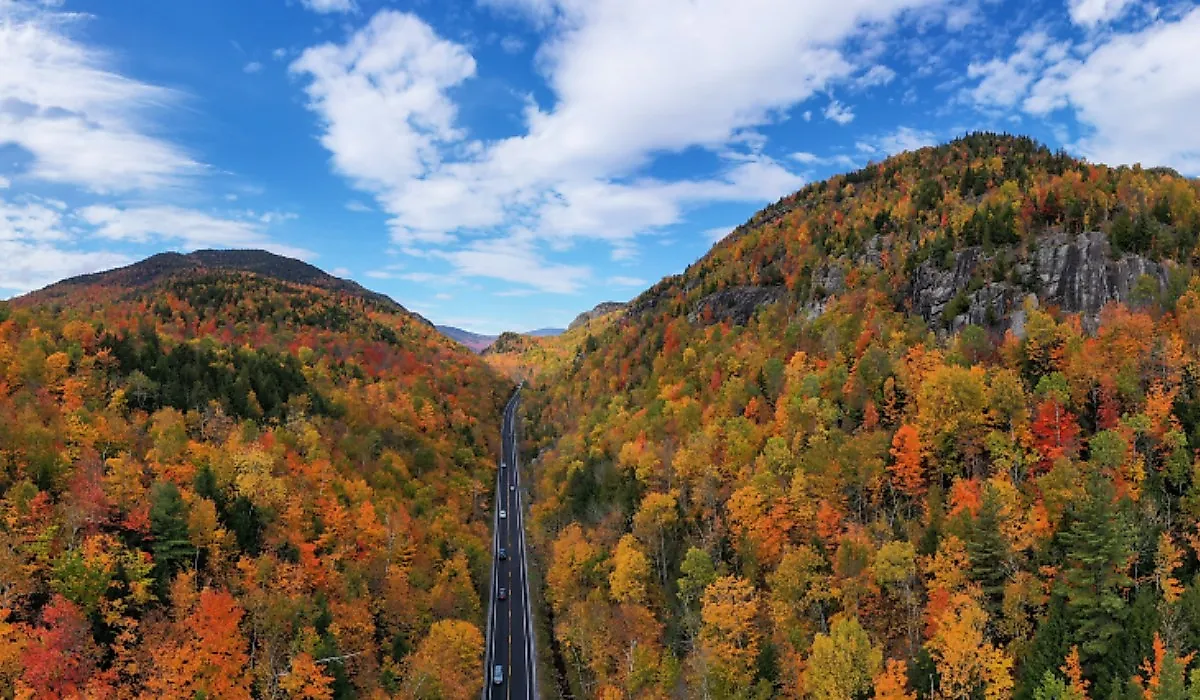
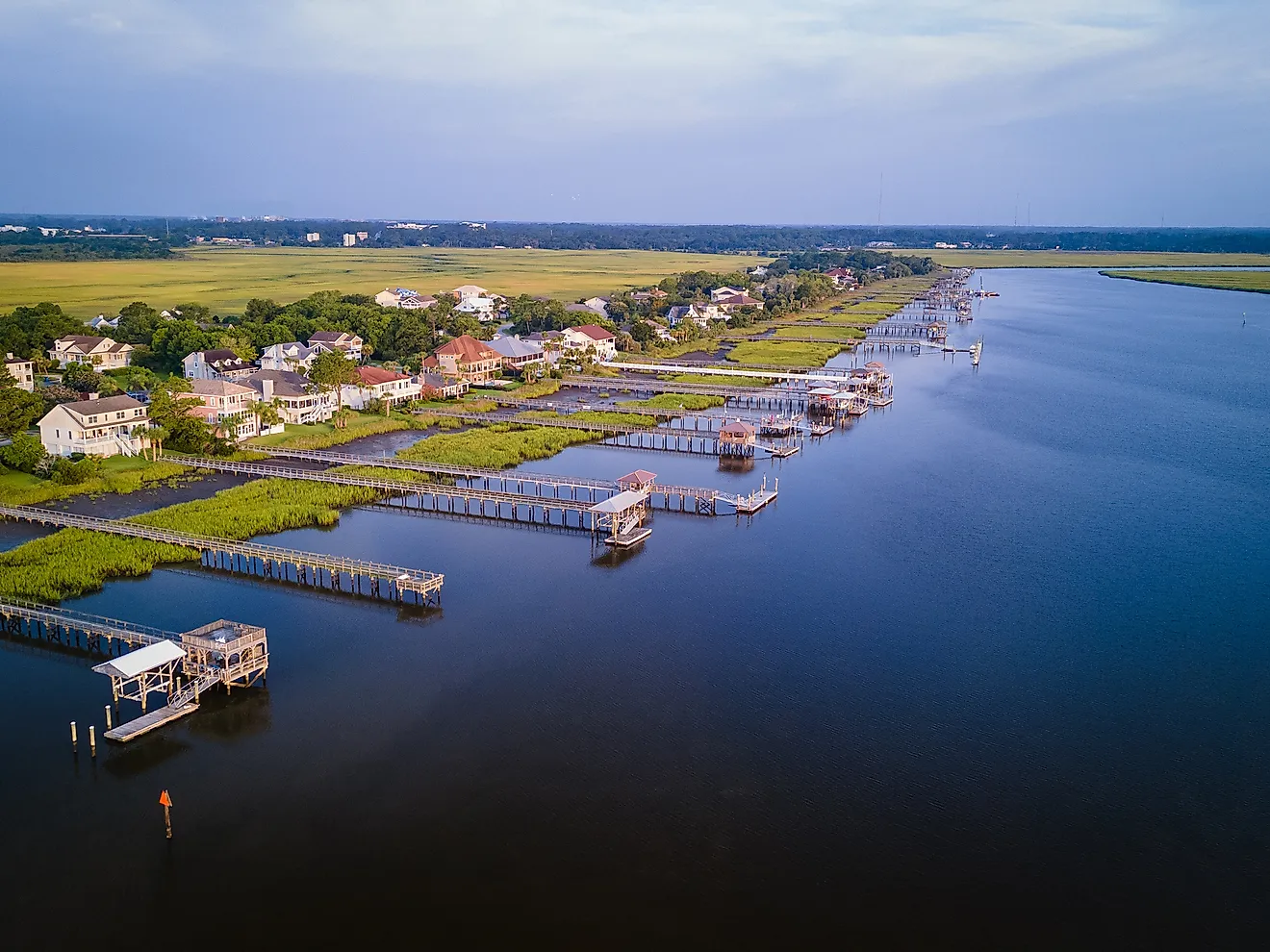
Retirement in South Carolina gets easier away from the coast. The state does not tax Social Security, gives residents 65 and older a retirement-income deduction, and exempts the first $50,000 of a primary home's value from property tax, while the small towns of the Midlands and Upstate keep housing well below coastal prices. Camden runs horse country and a Revolutionary War downtown, Seneca sits minutes from Lake Keowee, and Newberry builds its calendar around an 1881 opera house. The seven towns below pair that affordability with walkable downtowns, lakes and gardens, and a steady run of festivals and theater.
Camden
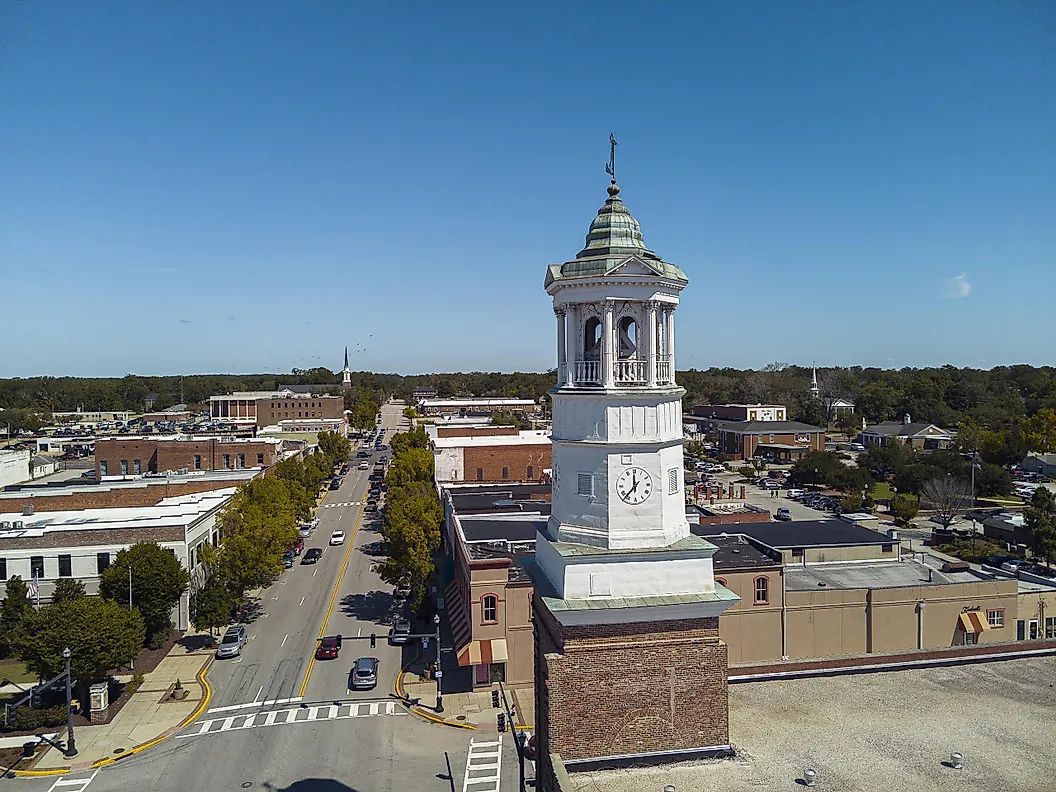
Camden is the oldest inland city in the state, first plotted in 1733, and it wears that history on a walkable grid of wide streets and public squares laid out in the 1750s. The Historic Camden Revolutionary War Site preserves early homes and a reconstruction of the British headquarters from the 1780-81 occupation, while a six-block Cultural District downtown holds galleries and public art. Camden is also the self-styled Steeplechase Capital of the World, with the Carolina Cup run at Springdale Race Course each spring since 1930 and the National Steeplechase Museum, the only one of its kind in the country, free to visit on the grounds.
For everyday outdoors, Goodale State Park covers 763 acres just outside town, with a paddling trail that winds through a flooded cypress mill pond and quiet water for fishing and birding. Regional medical care runs through Camden and nearby Columbia, about 35 minutes southwest.
Gaffney

Gaffney, the seat of Cherokee County, is peach country, a fact you cannot miss thanks to the Peachoid, the 135-foot water tower on the edge of town painted to look like a giant peach. The crop gets its own celebration at the South Carolina Peach Festival each July, and the preserved 19th-century downtown anchors the rest of the year, with the Gaffney Visitors Center & Art Gallery doubling as a community hub. Just outside town, Cowpens National Battlefield marks the January 1781 Revolutionary War fight where Patriot forces routed a British column.
Housing here runs among the more affordable on this list, which is part of what draws retirees to the Upstate's quieter county seats.
Seneca

Seneca sits minutes from Lake Keowee, the Upstate's largest recreational lake, where marinas rent slips for the sailing, fishing, and pontoon boating that draw water-minded retirees. Downtown, the restored Ram Cat Alley runs local shops and restaurants, and the town keeps an unusually full set of small museums for its size: the Lunney Museum in an early 20th-century house, the Bertha Lee Strickland Cultural Museum on local African American history, and the Blue Ridge Arts Center for regional exhibitions.

The lake itself is the draw for many residents, who settle here for consistent water access and the cooler foothills setting near the Blue Ridge.
Hartsville

Hartsville's centerpiece is Kalmia Gardens, a 35-acre botanical preserve named for the mountain laurel (Kalmia latifolia) that grows along a 60-foot bluff above Black Creek, with the 1820s Thomas Hart House on the grounds. Coker University, founded in 1908, anchors the town with a small-college calendar and Memorial Hall as its landmark, and the everyday culture runs through the Hartsville Museum and the Black Creek Arts Council's rotating gallery shows.
Byerly Park and Lawton Park handle the recreation side, giving retirees walking loops and open space a few minutes from downtown.
Walterboro

Walterboro calls itself the "Front Porch of the Lowcountry," and its historic downtown of 19th-century storefronts backs that up, lined with antique shops and the South Carolina Artisans Center, which shows work from more than 200 state artists. The Walterboro Wildlife Sanctuary puts 600 acres of black-water cypress swamp right at the edge of town, with boardwalks and trails for birding and easy walks.

The Colleton Museum & Farmers Market and the Slave Relic Museum round out the local history. Walterboro sits inland from the coast along Interstate 95, which keeps it clear of direct storm surge while leaving Charleston's beaches and hospitals within about an hour's drive.
Abbeville

Abbeville's life centers on its Court Square, where the Abbeville Opera House has run a community theater season since 1908. The town carries a heavy share of Civil War history: it is often called the place where the Confederacy was "born and died," with the secession movement organized at Secession Hill in 1860 and Jefferson Davis convening his last council of war at the Burt-Stark Mansion in May 1865. The Gothic Revival Trinity Episcopal Church, built in 1859-60, adds to the historic district.

Nearby Lake Russell and Lake Secession give retirees fishing and boating within a short drive, and the Abbeville County Historical Society fills in the rest of the town's record.
Newberry

Newberry organizes its calendar around the Newberry Opera House, a restored 1881 venue that books a year-round performance season and draws audiences from across the Midlands. The Wells Japanese Garden, laid out in 1930 with a koi pond and teahouse, gives the town a quiet green corner, and Newberry College, founded in 1856, keeps a small-college rhythm downtown.

The Newberry County Historical Museum covers local history, and nearby Lake Murray, one of the largest lakes in the state, puts fishing and boating within easy reach.
Why South Carolina Retirement Adds Up
What ties these seven towns together is the balance of cost and daily life. The state's tax treatment helps the budget, with no tax on Social Security, a retirement-income deduction for residents 65 and older, and a homestead exemption that trims property tax on a primary home. Beyond the math, each town leads with something to do close by, whether that is Camden's racing season, Seneca's lake, Hartsville's gardens, or Newberry's opera house. For retirees willing to look past the coast, the Midlands and Upstate trade beach prices for walkable downtowns, open water, and a slower pace.