These 12 Towns In North Carolina Were Ranked Among US Favorites In 2026
Getting singled out on a national favorites list in 2026 takes more than a nice main street, and these twelve North Carolina towns each earned it on the strength of one thing they do better than almost anywhere else. Seagrove has roughly 100 working potters in a town of 300. Brevard sits at the center of a county with more than 250 waterfalls. Hot Springs owns the only natural thermal spring in the state, with the Appalachian Trail running straight down its main street. Beaufort has kept its 1700s working waterfront intact for three centuries. None of them is trying to be all things; each is the best in the state, or close to it, at exactly one. That focus is what a ranker rewards, and it is what makes a trip here worth planning around a single town. Whether your one thing is mountains, saltwater, clay, or colonial history, North Carolina has a standout for it.
Banner Elk

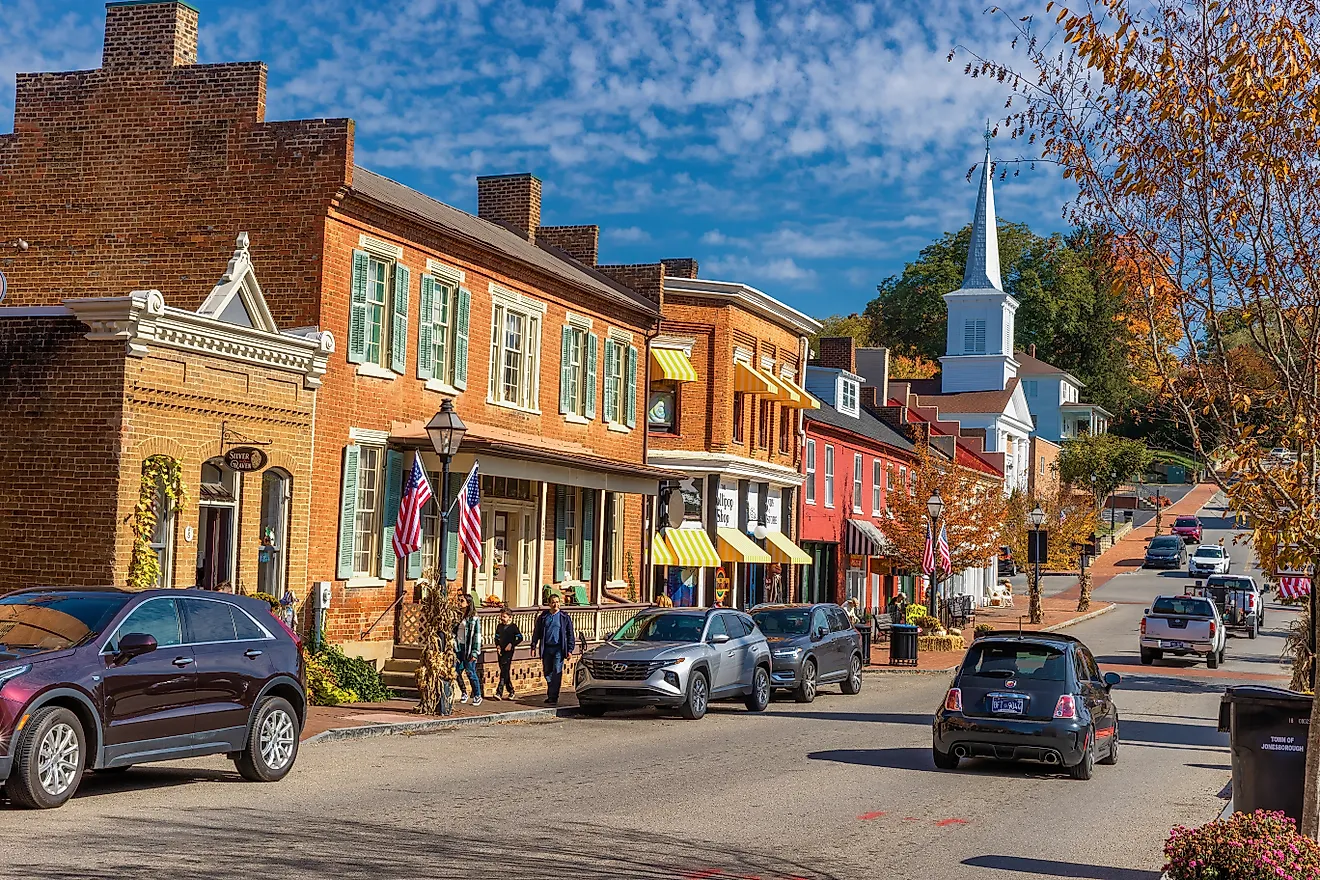
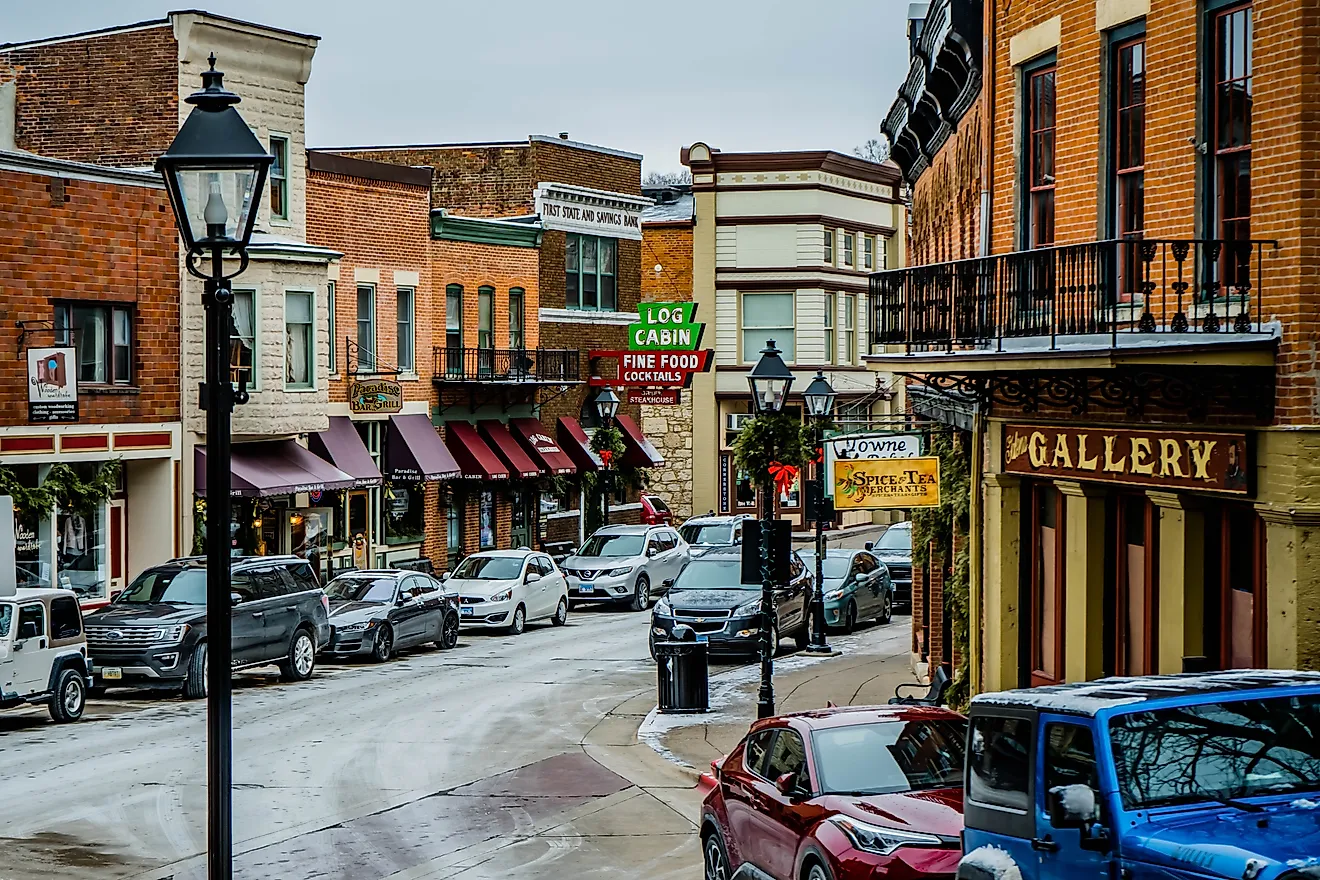
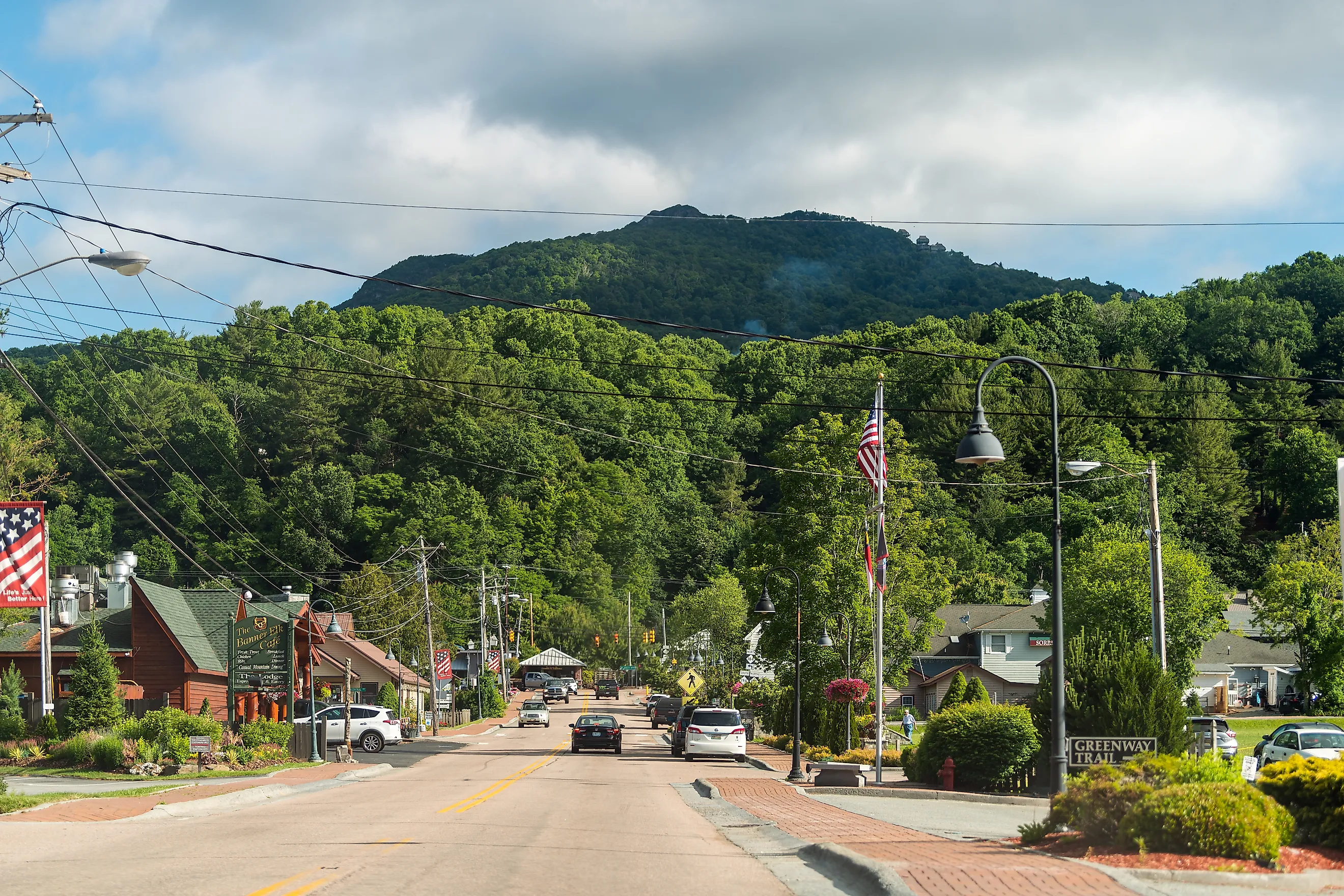
Banner Elk sits in a saddle between Sugar Mountain and Beech Mountain, which means the ski lifts are close enough that you can watch the slopes fill in from town. That location does the heavy lifting here. In winter the two mountains bring skiers and snowboarders; the rest of the year the same terrain opens up for hiking, trout fishing, and afternoons at Wildcat Lake, where there is a white-sand swimming beach.
The center of town is small on purpose. Main Street and Tate-Evans Town Park sit a short stroll apart, and the park doubles as the town green, with open lawn and a run of seasonal events. You can spend a morning on a mountain and an evening at a concert in the park without moving your car between them, which is the whole appeal of building a weekend around this town.
Beaufort

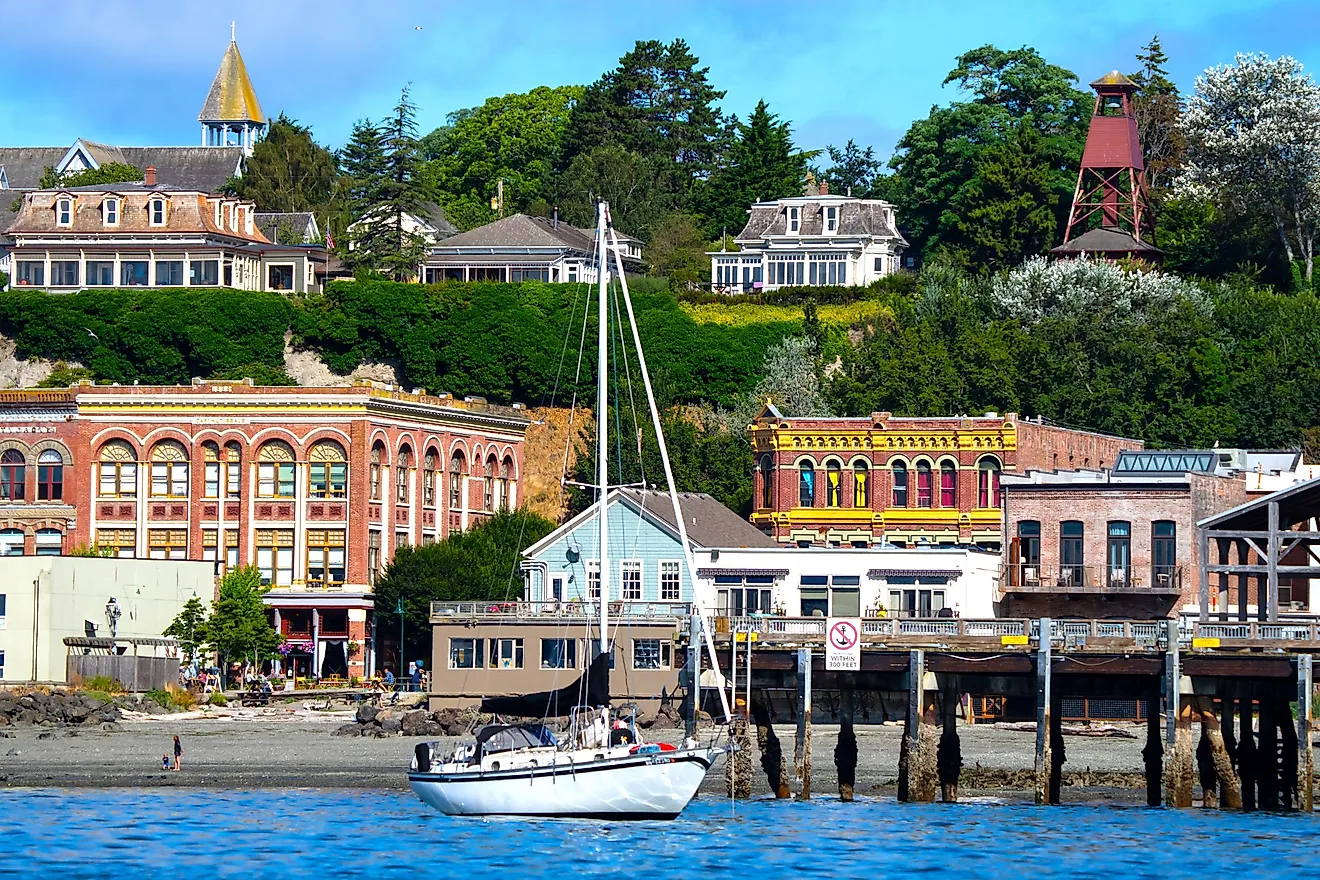
North Carolina's third-oldest town runs along the water, and Beaufort still follows the seaport layout it was given in 1713. Front Street traces Taylor Creek, so on one side you have docks, sailboats, and the marina, and on the other a row of restored houses, several of them built in the Bahamian and West Indies styles that sailors carried up from the islands. Roughly 150 of these homes wear small plaques listing their earliest owners and build dates, and reading them as you walk is half the fun.
The water is not just scenery. Cross the channel and you reach the Rachel Carson Reserve, a stretch of marsh where wild horses graze and shorebirds work the tidal flats. Back on Front Street, the North Carolina Maritime Museum tells the coast's story through Blackbeard's Queen Anne's Revenge and the region's boatbuilding trade, and the nearby Harvey W. Smith Watercraft Center keeps that trade alive with hands-on hull work. History on one side of the street, open water on the other, all of it inside a few blocks.
Blowing Rock

The town borrowed its name from the cliff at its edge. The Blowing Rock hangs over Johns River Gorge, and the updraft coming off the gorge is strong enough that light objects tossed over the rim can drift back to you. That overlook has drawn visitors for generations, and it peaks in October, when fall color floods the slopes below.
Main Street handles everything else. Galleries, shops, and Memorial Park line a walkable stretch that stays busy through the leaf season. When you want more room, Moses H. Cone Memorial Park spreads across thousands of acres just up the Blue Ridge Parkway, with carriage trails you can walk for hours and Flat Top Manor sitting at the center of it. The Blue Ridge Mountains start right where the sidewalk ends, which is why it keeps landing on lists like the one town everyone should see.
Brevard

Transylvania County is nicknamed the Land of Waterfalls, and the count backs it up: more than 250 of them spill through the forests around Brevard, one of the highest concentrations anywhere in the country. Looking Glass Falls drops 60 feet right beside the road, so you barely have to leave the car, while Sliding Rock is a natural stone waterslide that families line up for all summer. Pisgah National Forest wraps the whole area in hiking, cycling, and slow scenic drives.
Downtown gives you a reason to slow down between falls. The storefronts hold galleries and public art, and the compact center stays lively year-round. The Transylvania Heritage Museum covers local history, and the Veterans History Museum of the Carolinas fills its rooms with artifacts from several wars. Brevard's white squirrels get most of the attention, and the town does protect them by ordinance, but it is the waterfalls and the walkable center that keep people coming back.
Davidson

A college shapes this town, and it shows the moment you reach Main Street. Davidson College has sat at the edge of downtown since the 1830s, and its shaded campus flows straight into the brick storefronts and gathering spaces without a clear line between town and gown. The whole center is built for walking, which makes an afternoon here feel unhurried.
Water and woods stay close by. Fisher Farm Park offers trails for walking and mountain biking across open meadow and forest, and Lake Norman laps the town's eastern edge with room for paddling and boating. Davidson also stitches its neighborhoods together with greenways, so you can cover a lot of the town on foot or by bike and never touch a busy road.
Edenton

Broad Street runs downhill through one of the most complete colonial centers in the state and ends at the water. Along the way, Georgian, Federal, and Victorian houses stand under old trees, and the walk finishes at the Albemarle Sound, where the view opens out over the broad, shallow water. Edenton served as one of North Carolina's first colonial capitals, and the buildings have been standing long enough to prove it.
The Albemarle Sound waterfront holds the town's landmarks close together. The 1767 Chowan County Courthouse, the oldest courthouse still in use in the state, anchors the historic district a short walk from the 1886 Roanoke River Lighthouse, the last surviving screw-pile lighthouse on the Carolina sounds, moved to the Edenton shore in 2007. The Penelope Barker House Welcome Center starts you off, and a narrated trolley connects the rest without turning the day into a drive. For a small town, it packs a remarkable amount of history into a few walkable streets.
Hot Springs

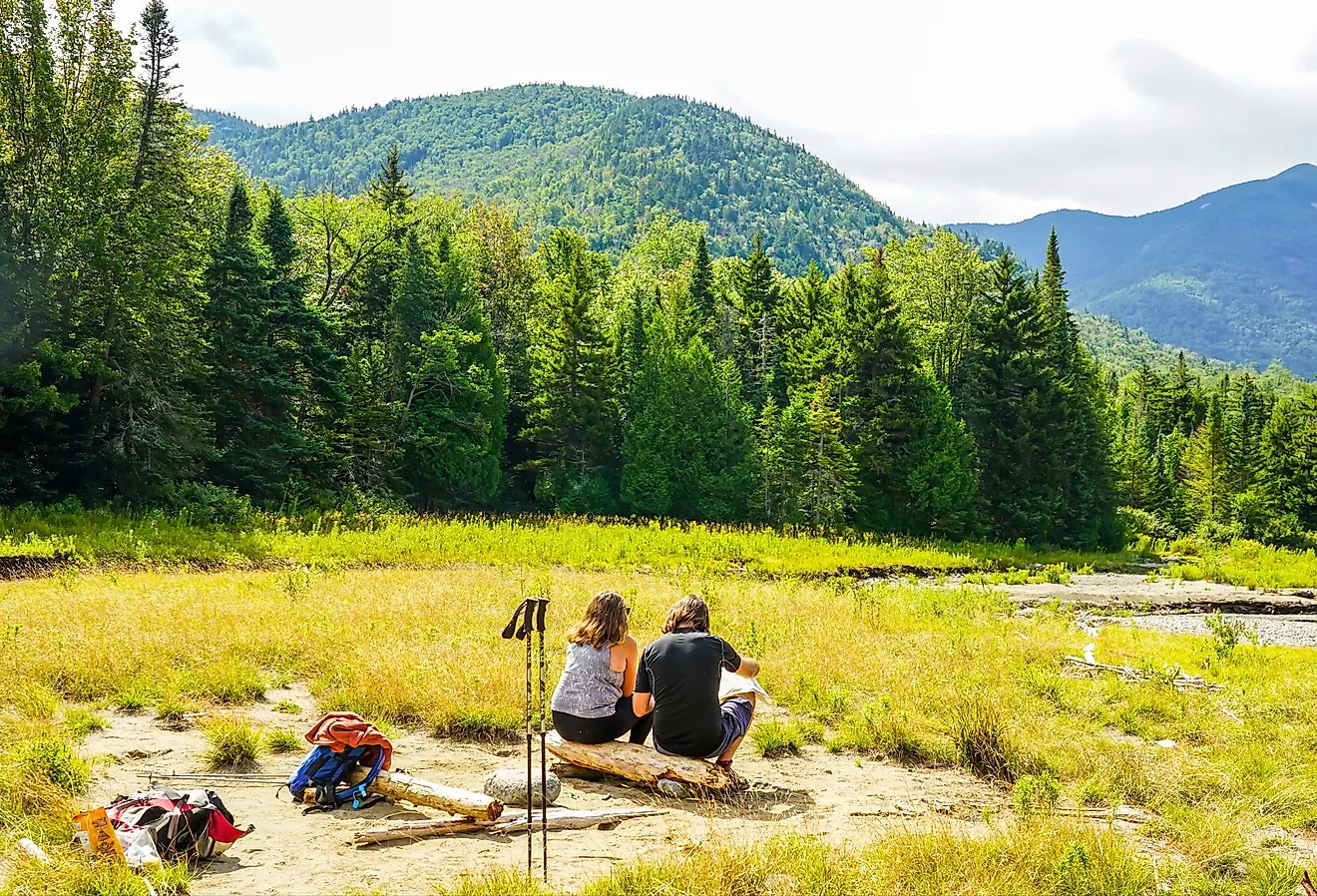
Few towns anywhere put their main street, their river, and a national trail this close together. The Appalachian Trail runs straight down through Hot Springs, so Main Street doubles as part of the route, and on any given day you will pass thru-hikers with packs heading north. The town takes its name from the only natural thermal spring known in North Carolina, and people have come to soak in the French Broad River valley for well over a century.
The river carries the rest of the day. The French Broad draws paddlers, rafters, and anglers, and when you would rather stay dry, the trails climb into Pisgah National Forest from the edge of town. Seasonal gatherings such as Trailfest, usually held in spring, bring music and crowds into the center. It is one of the few places where you can hike a stretch of the AT, soak in a mineral bath, and grab dinner without ever getting in a car.
Seagrove

This is the handmade pottery capital of the United States, and the title is not a stretch: around 100 working potters keep studios in and around a town of barely 300 people. Local clay and a tradition that runs nine generations deep in some families turned ceramics into the thing Seagrove is known for, and many potters will chat with you while their wheels are still spinning.
Start at the North Carolina Pottery Center, which lays out how Indigenous pottery, early European methods, and later art movements shaped what the region makes today. From there you follow NC Highway 705, the Pottery Highway, from one studio to the next, with kiln openings and studio tours drawing crowds in spring and fall. There is no single landmark to check off. The appeal is the drive itself, studio to studio, seeing a living craft actually being made.
Manteo

Shallowbag Bay borders downtown, and a boardwalk runs right along the harbor past the boats and shops. The Roanoke Marshes Lighthouse stands at the water's edge, and it surprises people, since this screw-pile design looks more like a small coastal cottage on stilts than a tall tower. That waterfront is the center of gravity for the whole town.
The bigger story sits just across the water. Roanoke Island Festival Park interprets the island's early maritime past with exhibits and a sailing ship you can board, and the Elizabethan Gardens fill their grounds with seasonal blooms and native plants. Nearby, the Waterside Theatre stages "The Lost Colony," the long-running outdoor drama about the settlers who vanished from Roanoke in the 1580s. Downtown stays small enough to cover on foot, so the harbor, the historic sites, and the gardens all connect in a single afternoon.
Wrightsville Beach

Named by Southern Living as North Carolina's top waterfront town for 2026, Wrightsville Beach owes its appeal to a sliver of geography. The barrier island is barely five miles long and sits between the Atlantic on one side and the Intracoastal Waterway on the other, so surf, calm channel water, and long stretches of sand all fit inside one compact community just across the bridge from Wilmington.
Johnny Mercer's Pier reaches out into the Atlantic on the north end and works as the town's main landmark for fishing and ocean views. The Loop, a walking and jogging route a little under three miles around, ties the central parks, waterways, and streets together. In the warm months the water fills with kayakers, paddleboarders, sailors, and surfers, and because the island is so narrow, you can catch the sunrise over the ocean and the sunset over the waterway from opposite ends of the same short walk.
Hendersonville

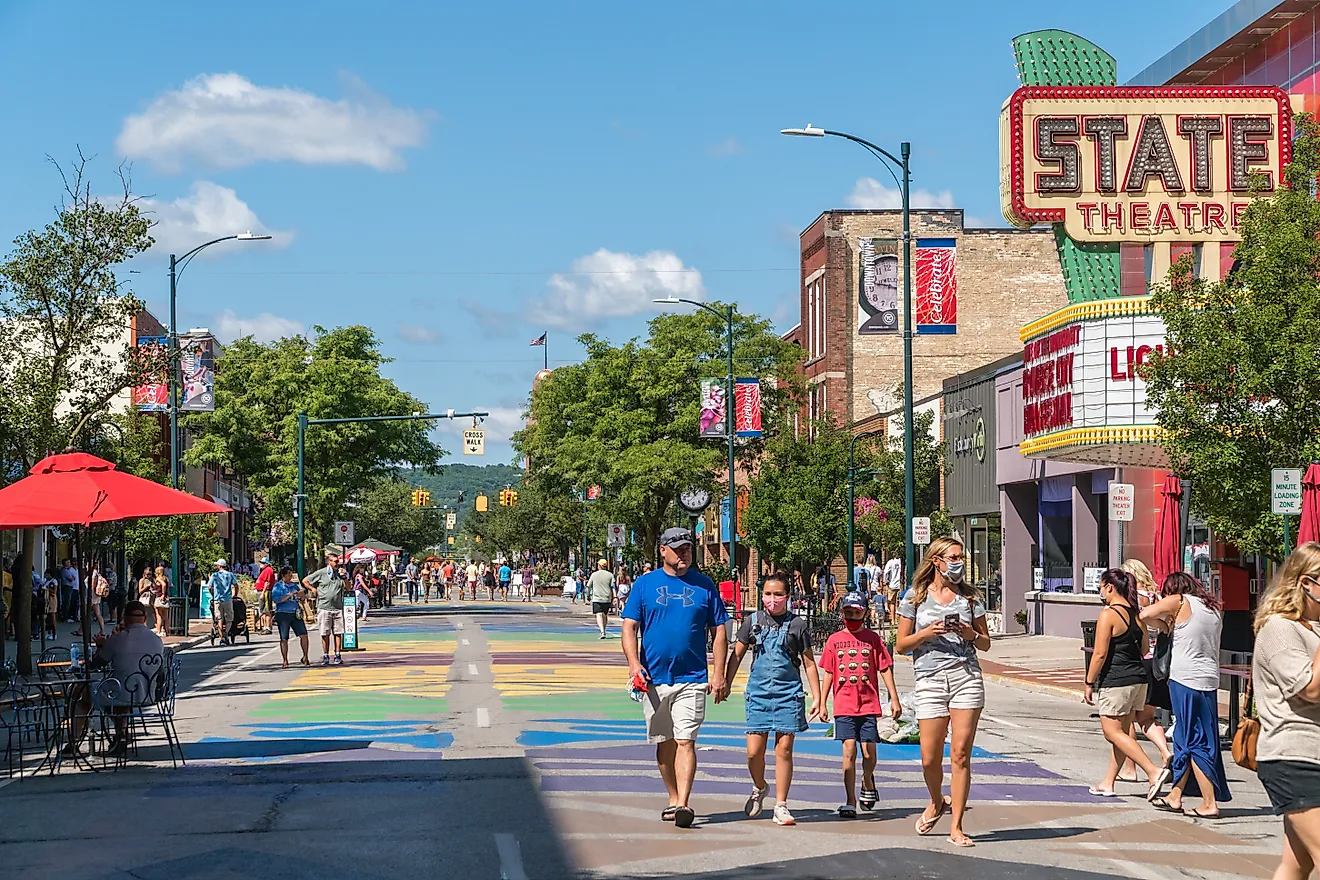
Main Street was laid out to be strolled, not driven, with a gentle curve that slows traffic and widens the sidewalks. Historic brick buildings now hold galleries, restaurants, and shops, and public art turns the walk itself into the attraction. The Henderson County Heritage Museum lives inside the old courthouse right on that street, so you can pick up the local history without leaving the center.
The mountains are never far. Jump Off Rock opens a wide view over the ranges from an overlook just above town, and the surrounding country is thick with the same waterfalls and forest roads that define this corner of the state. When the North Carolina Apple Festival takes over Main Street each late summer, the downtown, the overlooks, and the orchards all pull together into one easy trip.
New Bern

Two rivers meet at the foot of downtown, and New Bern grew up around the spot where the Neuse and the Trent come together. That confluence gives the parks and waterfront paths their long views, and the streets just back from the water hold Federal, Georgian, and Victorian houses packed into a walkable historic district. As the state's second-oldest town, founded in 1710, it has had three centuries to fill in.
Tryon Palace is the landmark everyone comes for, a reconstruction of the colonial governor's residence complete with formal gardens and neighboring historic homes that fill in the early town's story. Down at the water, Union Point Park trades all that formality for open lawn and boat-watching where the rivers join. One more local footnote worth knowing: Pepsi-Cola was first mixed at a downtown pharmacy here in the 1890s, and the spot is still marked. As with the rest of this list, you can move between the palace, the gardens, and the river without spending the day behind the wheel.
Why These Towns Keep Winning People Over
What lands a town on a national list is rarely the whole package. It is one thing done well enough to travel for, and these twelve each have it. Seagrove has its potters, Beaufort its working waterfront, Hot Springs its springs and trail, Edenton its colonial core, Wrightsville its narrow slice of the Atlantic. A weaker list would blur them together; this one earns its ranking because no two of these towns are known for the same thing. Pick the one whose specialty you would actually cross the state for, and let it be the reason for the trip rather than a stop along the way.