The National Forests With The Most Porcupines
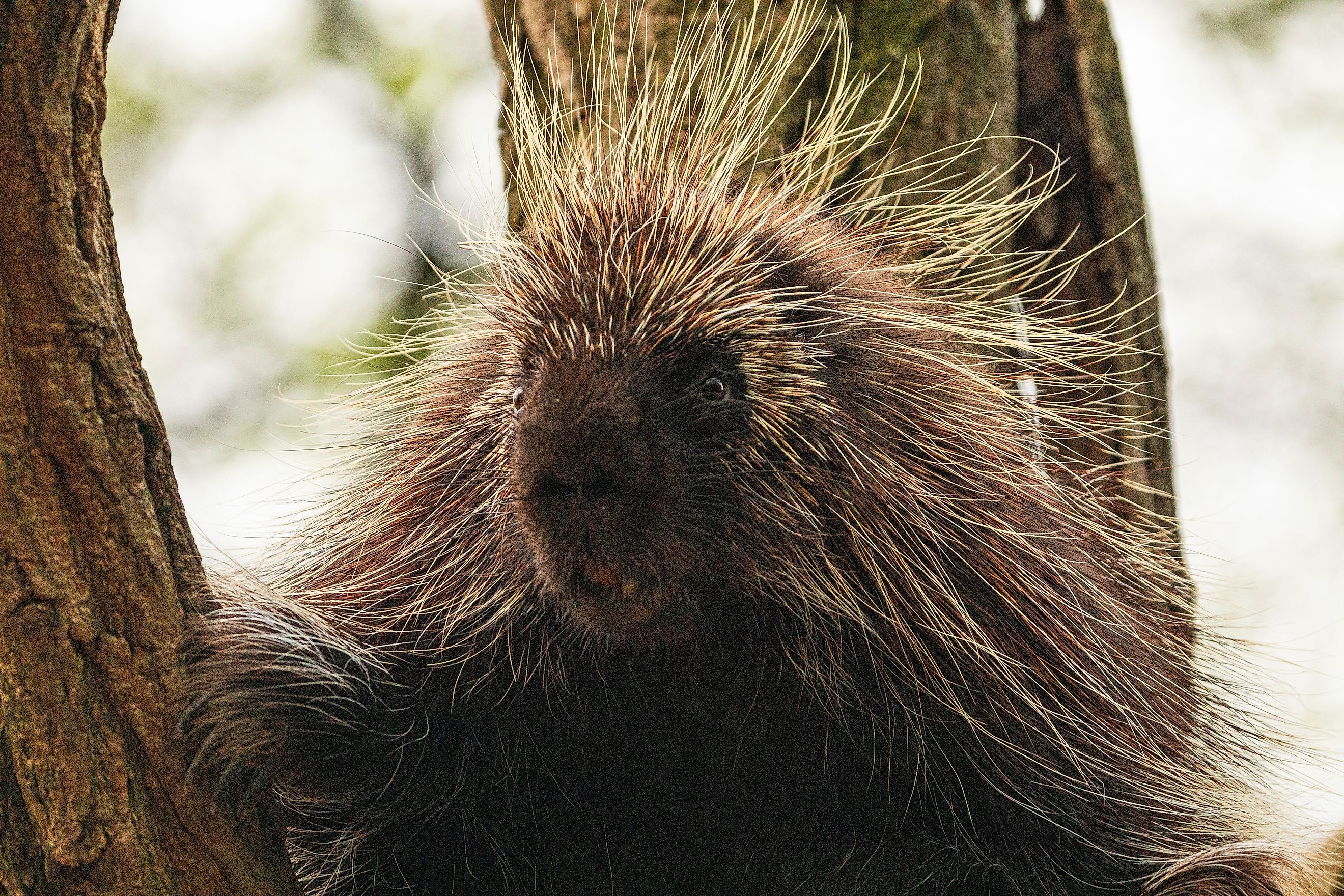
Internationally, there are more than 20 species of porcupine recorded in the world. The North American porcupine is the only species native to the United States and Canada, however. Porcupines belong to the order Rodentia and weigh about 20 pounds on average. They are the second largest rodents in North America, coming second only to the North American beaver.
Porcupines are found throughout the United States, especially in the Pacific Northwest and Alaska, the Great Plains and Great Lakes Regions, and the Northeast and most of the Mid-Atlantic. Porcupines like to live in coniferous and mixed-forest habitats, making U.S. National Forests in the regions they roam a prime residence for the quilled rodent.
Bighorn National Forest - Wyoming

Located in north-central Wyoming, the Bighorn Mountains are a sister range of the Rocky Mountains conveniently located halfway between Mt. Rushmore and Yellowstone National Park. From grasslands to alpine meadows, and clear lakes to glacially carved valleys, Bighorn has a diverse habitat in its 1.1 million acres. Porcupines populate some of that habitat, being spotted frequently enough to earn the honor of having a campground, a creek, and a waterfall named after the creature. Despite popular belief, porcupines cannot shoot their quills. However, if threatened, they will puff up their quills and swing their spiky tails as they release a defensive odor. The microscopic barbs get hooked into the predator it's trying to avoid and pull the quill from the porcupine's pelt. These barbs can make pulling the quills out extra painful, so it's best to maintain your distance and keep your dog from chasing a porcupine if encountered.
Tongass National Forest - Alaska

The Tongass National Forest is America's largest national forest and covers most of Alaska, protecting nearly 17 million acres of the world's largest intact temperate rainforests and encompassing the famous Inside Passage. All kinds of wildlife call Tongass home, including bears, eagles, whales, and several endangered species of flora and fauna. Porcupines can be found throughout the park, common in Alaska everywhere but on Prince of Wales Island. The North American porcupine is a strict vegetarian, living off tree bark and a variety of fruits and berries. To provide the strength to gnaw on tree bark, porcupines are equipped with extra iron in their enamel, giving their teeth an orange color.
Superior National Forest - Minnesota

Porcupines range in Minnesota, especially in the dense coniferous forestlands like Superior National Forest. They are less common in the prairie grassland in the southwest of the state. With an abundance of bark to munch on in Superior, porcupines sometimes strip trees mercilessly, snacking on the bark until the tree dies. Fortunately, the U.S. Forest Service plants and harvests trees as necessary to maintain the ecosystem and habitat within the boundaries of the forest. Superior National Forest is the largest national forest east of the Mississippi River, encompassing 3 million acres and bordered by Canada, Lake Superior, and Voyageurs National Park, leaving visitors with no shortage of outdoor exploration.
White Mountain National Forest - New Hampshire and Maine

White Mountain National Forest encompasses more than 800,000 acres of rugged alpine wilderness and rich hardwood forests in New England. The White Mountains are a subrange of the northern Appalachians, with the famous Mount Washington standing 6,288 feet tall among the peaks in the Forest. 160 miles of the Appalachian Trail winds through White Mountain National Forest, giving ambitious hikers ample opportunities to spot a porcupine on their trek. Sightings are logged most commonly from April to July. When camping or hiking through, refrain from leaving behind any salty foods or liquids, as that will attract porcupines. Porcupines can waddle at an impressive 2 miles per hour if necessary and may surprise you as they scurry out to grab a bite of your salty snack.
Allegheny National Forest - Pennsylvania

With boating, camping, hunting, fishing, ATV riding, snowmobiling, hiking, and birdwatching to offer, the Allegheny National Forest sees an impressive number of recreational visitors each day, resulting in approximately 4 million recreation visitor days annually. The hardwood forest provides about one-third of the world's supply of black cherry furniture veneer, and the changing leaves of the hardwood trees provide spectacular color each fall. Porcupines can be found here, most visible in the late spring and early summer. In fact, don't be surprised if a porcupine falls from the sky in front of you while you're hiking through the forest. Porcupines are shockingly clumsy and often fall right out of trees. In fact, one study revealed that one-third of museum specimens showed evidence of healed broken bones, proving how common clumsy tumbles are in the life of a porcupine.
Although the U.S. Forest Service does not keep official data on their porcupine populations, we know that they are commonly spotted in National Forests with coniferous and hardwood trees in states across the Pacific Northwest, Alaska, the Great Plains, the Great Lakes, New England, and the Mid-Atlantic. Popular forests like White Mountain, the Allegheny, and Tongass offer a lot of chances to spot these oversized rodents, preferably from a safe distance.