The US Cities That Run Entirely On Groundwater
Turn on the tap in most American cities and you are basically drinking a river or a reservoir. But a surprising number of major cities drink almost nothing but water pumped straight out of the ground, hauled up from aquifers buried beneath their own streets. A few run on it 100 percent, with not a single reservoir to fall back on. Here are the big US cities quietly living off the hidden water beneath their feet.
Memphis, Tennessee

Memphis is the undisputed champion here, the largest city in America that relies on groundwater for 100 percent of its supply. And it is not just any water. The city sits atop the Memphis Sand Aquifer, a colossal underground formation holding an estimated 100 trillion gallons, roughly the size of Lake Ontario. The water down there fell as rain 2,000 to 3,000 years ago, then trickled through thick layers of sand that scrubbed it naturally clean, leaving it so pure it needs only minimal treatment. Locals will happily tell you it is some of the best-tasting tap water in the country, and they are not wrong. Ironically, one of America's great river cities ignores the muddy Mississippi at its doorstep and drinks the ancient water below instead.
Miami, Florida

Florida as a whole is about 90 percent groundwater-supplied, and Miami is a prime example. The city drinks from the Biscayne Aquifer, a shallow, extremely porous limestone formation that sits just beneath the surface, so close that rainwater can seep down and refill it quickly. That permeability is a double-edged sword, because the same easy access that makes the aquifer productive also leaves it exposed to pollution and, increasingly, to saltwater creeping in as sea levels rise. For now, though, the water that keeps millions of South Floridians going comes almost entirely from the ground.
San Antonio, Texas

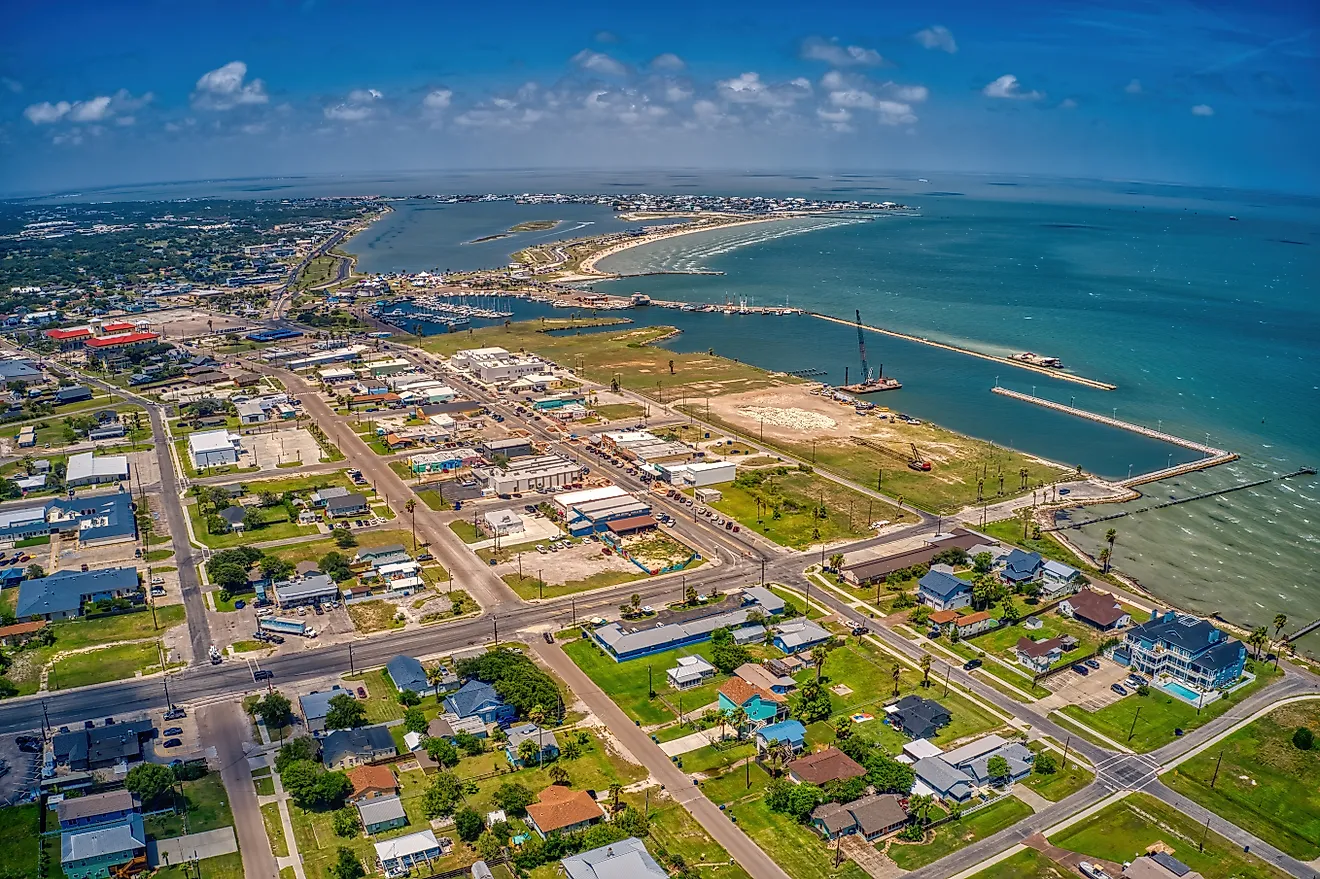
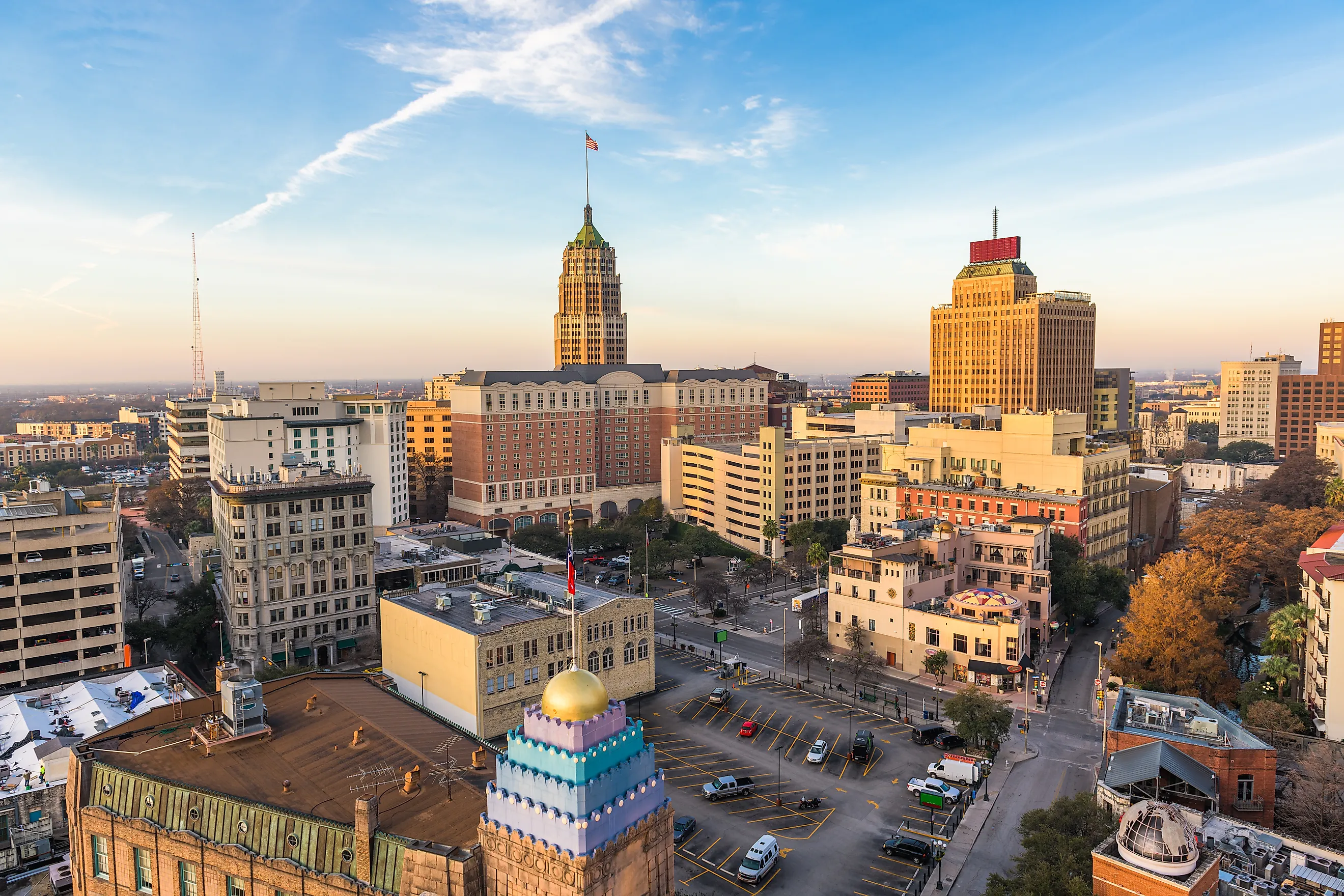
For decades, San Antonio held the remarkable title of one of the largest cities in the entire world to rely on a single groundwater source. That source is the Edwards Aquifer, a limestone marvel famous for its crystal-clear artesian springs that once gushed straight out of the Texas Hill Country. Even today, after finally beginning to diversify its supply with pipelines and surface water, the fast-growing city still pulls roughly 90 percent of its water from the Edwards. It remains one of the great examples of a major metro built almost entirely on what lies beneath it.
Tucson, Arizona

In the parched Southwest, no region depends on groundwater more heavily, and Tucson is the poster child. For much of its modern history, this desert city ran essentially 100 percent on pumped groundwater, and it leaned on those wells so hard that parts of the land actually began to sink, a phenomenon called subsidence. To rescue the overtaxed aquifer, Tucson now does something clever: it pipes in Colorado River water and deliberately soaks it into the ground to recharge the aquifer before pumping it back out. It is still a groundwater city at heart, just one that has learned to refill its own underground bank account.
Honolulu, Hawaii

Honolulu offers one of the most elegant groundwater setups anywhere. Rain that falls on the mountains of Oahu percolates down through layers of porous volcanic rock, where it collects as freshwater floating atop the denser seawater below, forming natural underground reservoirs. The island draws nearly all of its drinking water from these basal aquifers, tapped by wells and tunnels. With no big rivers or reservoirs to rely on, an entire island city of nearly a million people effectively drinks filtered rainwater straight from the volcano it is built on.
Long Island, New York

Just east of one of the most water-engineered cities on Earth sits a completely different reality. While New York City famously pipes its water in from vast upstate reservoirs, the roughly three million residents of Nassau and Suffolk counties on Long Island get essentially all of theirs from the ground. The sand and gravel aquifers beneath the island are so vital, and so exclusive, that the federal government has designated them a "sole source" aquifer. There is no backup plan and no pipeline from elsewhere. Protect the water under Long Island, or there simply is no water.
Baton Rouge, Louisiana

Finally, one last river city that snubs its river. Baton Rouge sits squarely on the banks of the mighty Mississippi, yet it draws virtually all of its drinking water from the Southern Hills Aquifer System deep underground. Made up of clean sands laid down over millions of years, this aquifer delivers water so naturally pure that the city long preferred it over treating the silty river water flowing right past downtown. From ancient sand in Memphis to volcanic rock in Honolulu, these cities are a reminder that a huge amount of America runs on water you can't even see, which is exactly why the ground beneath our feet is worth guarding.