The 7 Can't-Miss Towns In Texas
A weekend in Fredericksburg can mean 150 German-rooted shops on one Main Street and a 425-foot pink granite dome an easy drive north. In Marfa, an empty stretch of desert highway becomes a gallery, and after dark the crowd gathers to argue about mystery lights. Granbury holds an official title from the state legislature. More registered historic structures stand in Jefferson than in any other town in Texas. Seven towns, seven different reasons to point the car somewhere specific, and not one of them demands a rush.
Fredericksburg

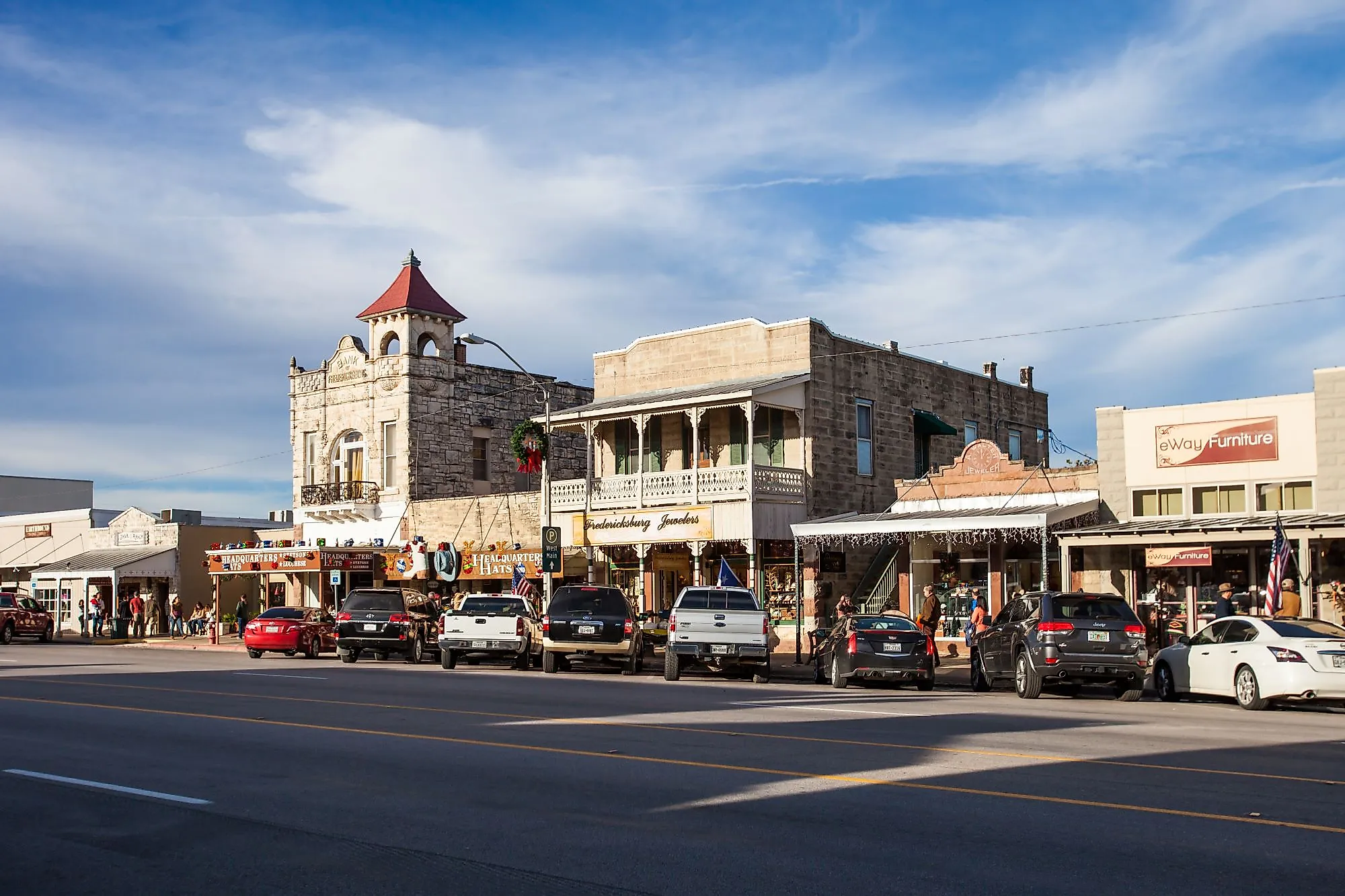
German settlers founded Fredericksburg in 1846, and that heritage still shapes the food, the architecture, and a festival calendar built around it. More than 150 locally owned shops, boutiques, and galleries line Main Street, with no chains permitted inside the National Historic District, so the browsing runs from handmade jewelry to imported German goods. History travelers come for the National Museum of the Pacific War, a full campus rather than a single room. About 18 miles north on Ranch Road 965, Enchanted Rock rises 425 feet as the largest pink granite dome in the United States, with a summit trail that climbs the equivalent of a 30-story building. Tasting rooms and vineyards fill the roads between town and the rock, since this is the heart of Texas Wine Country. Few Texas towns pack this much into a single weekend without feeling frantic about it.
Marfa

Minimalist sculptor Donald Judd put Marfa on the art world's map in the 1970s, and big skies and clean desert lines have defined the town ever since. Judd's Chinati Foundation, built on a former army base at the edge of town, is where you walk through large-scale installations set in old artillery sheds and open field. Downtown, the 1930s Hotel Paisano pairs West Texas grandeur with a slice of old Hollywood, since the cast of the 1956 film Giant stayed here during filming. Thirty-odd miles northwest along U.S. 90 stands Prada Marfa, a permanent sculpture disguised as a luxury boutique in the middle of nowhere. After sunset, the crowd shifts nine miles east on Highway 90 to the official Marfa Lights Viewing Area, where people have watched unexplained glows flicker over Mitchell Flat since the 1880s. The rest of a Marfa evening is walking the adobe streets, eating well, and watching the desert sky.
Granbury

In 2023 the Texas Legislature named Granbury the official Celebration Capital of Texas, a title the city earned by hosting more than 40 events a year. The Historic Granbury Square is the center of all of it, a restored courthouse ringed by boutiques, restaurants, live music, and theaters close enough that one parking spot covers the day. History travelers can string together downtown walking tours, the Hood County Jail Museum, and the stories tied to the square's old hotels. The outdoor half of the day happens on Lake Granbury, with kayaking, sunset paddles, and a swimming stretch at Granbury City Beach. A mile from the square, the Brazos Drive-In has run double features since 1952, making it the longest continually operating drive-in in Texas, and on a warm night the movie almost becomes the side show. Festivals, patio music, and lake time keep the calendar full without ever making the place feel hurried.
Jefferson

Before railroads redrew the map, Jefferson was the busiest inland port in Texas, with steamboats reaching it through Big Cypress Bayou from the 1840s. That boom froze the town in place, and it now holds more registered historic structures than any other community in the state, from antebellum homes to the Excelsior Hotel. On a historic walking tour, the streets, porches, and markers read as one running story instead of scattered stops. The Jefferson Historical Museum is the place to fill in the riverboat and railroad years that made and unmade the town. Down on Big Cypress Bayou, visitors take boat tours or a quiet look from the banks near the Port Jefferson History and Nature Center. Bed-and-breakfasts, antique shops, and the lighted Howe Truss bridge fill out a weekend built for a slow pace.
Wimberley

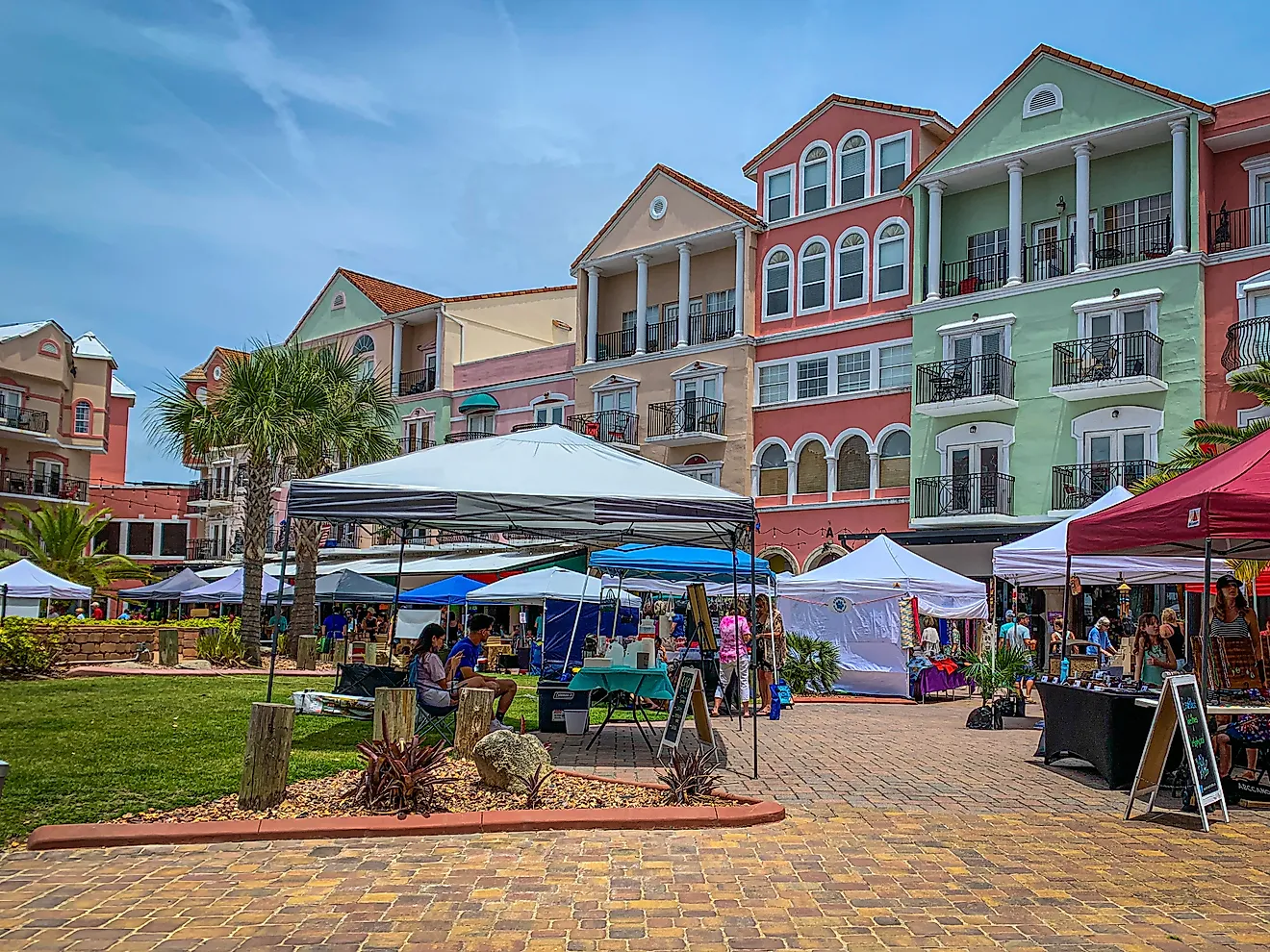
Spring-fed water is the whole argument for Wimberley, a Hill Country town where Cypress Creek runs cold through the middle of things. Swimmers head to Blue Hole Regional Park for a shaded stretch of that creek, with cypress trees leaning over water that stays cool through a Texas summer. A few minutes away, Jacob's Well Natural Area is the artesian spring that feeds the creek, ringed by trails and known as one of the state's best dive sites. Shops, galleries, and restaurants cluster around The Square in a walkable loop worth an unhurried afternoon. Once a month, hundreds of vendors fill the grounds for Wimberley Market Days, one of the largest outdoor markets in Texas. Evenings tend to fold together a gallery stop, a casual dinner, and live music somewhere close.
Canton

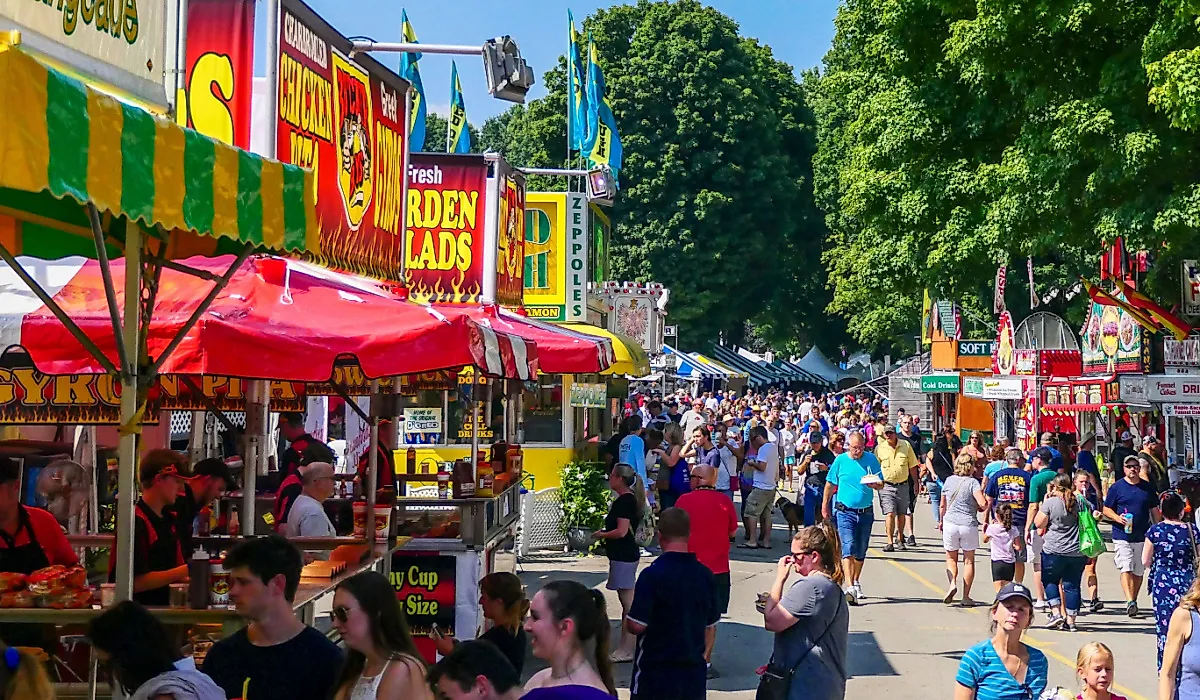
First Monday Trade Days is the reason most people first drive to Canton, and it is a monster: acres of vendors selling antiques, home goods, collectibles, and food to shoppers who arrive early and wear comfortable shoes. The market dates to the mid-19th century, when it started as the day the circuit court met and everyone came to town. Downtown Canton is the next stop once the market crowds thin, with more shops and local restaurants. The Blackwell House Museum is a quieter read on the area's past, and families can break up the day at the Splash Kingdom water park. For a calmer stretch, Mill Creek Reservoir sits close enough for an afternoon away from the crowds. An hour east of Dallas-Fort Worth, Canton works as an easy weekend with one big anchor and plenty of low-key add-ons, so leave some trunk space for the ride home.
Port Aransas

Set on Mustang Island along the Gulf Coast, Port Aransas is a beach town that never bothered to dress itself up. Wide sand and warm water make the beach the obvious first stop, whether the plan is swimming, a chair-and-cooler afternoon, or a long walk near the surf. Birders have their own reason to come, since the island's boardwalks and wetlands sit on a major migratory flyway where coastal species turn up through much of the year. Charter captains run dolphin-watching trips, sunset cruises, and deep-sea fishing, all of it a reminder that this is still a working waterfront. The Port Aransas Museum holds the island's fishing history in a small, well-told collection. The rhythm here is simple enough to explain in a sentence: beach in the morning, seafood at dinner, another sunset whenever the day winds down.
Seven Towns, One Long Weekend Each
What connects these seven is less a shared look than a shared pace. The draw in Fredericksburg and Wimberley is Hill Country water and wine, in Marfa desert art, in Jefferson a river-port past, in Granbury a festival calendar, in Canton the biggest flea market in the state, and in Port Aransas the Gulf. Each one is worth a full weekend on its own terms, and the drive between them is half the point in a state this size. Pick the reason that fits the season, and the rest of the trip tends to sort itself out.