The 10 Can't-Miss Towns In Sweden
Every town on this Swedish list is built around one thing it does better than anywhere else. In Kiruna that thing is the sky itself with the midnight sun in summer and the northern lights in winter. Gränna made its name on peppermint candy and still runs a dozen working factories. Sigtuna holds more Viking runestones than any other place in the country. These ten towns each give a traveler a single clear reason to show up. That focus is what makes the trip north worth planning.
Kiruna

Kiruna is an Arctic town in Swedish Lapland where it is not uncommon to see the northern lights dancing across the night sky. The town also experiences the midnight sun during the summer, making it a proper bucket-list destination. People flock here year-round to see the Icehotel, which is very close to the town limits and must be rebuilt each year. Local artists use ice from the Torne River to ensure visitors can sleep in an ice room and visit an ice church. Speaking of ice, Kiruna gets up to 225 snow days on average every year. This snowy weather allows for dog sledding and reindeer sleigh rides. People can snowmobile, ski, and snowshoe in some of Sweden's most dramatic winter terrain. Those who have the northern lights on their travel list can head to the Aurora Sky Station in Abisko National Park for a fantastic dinner and the best chance to see the green and purple ribbons decorating the sky. The station is accessible via a 30-minute chairlift ride, and the restaurant at the top offers a 4-course dinner.
Jokkmokk

Jokkmokk lies around 200 kilometers south of Kiruna. Just 7 kilometers south of Jokkmokk, travelers driving along Route 45 will cross the Arctic Circle. This is a momentous occasion for most, and a kiosk at this spot is handing out souvenir certificates. Jokkmokk itself offers another memorable activity: visiting the Great Winter Market. The market is a 400-year-old tradition that draws Samis and tourists from all over the north. It is a grand display of traditional Sami handicrafts, with several vendors selling smoked reindeer meat. At the Ajtte Museum, visitors can learn more about the Sami people, with Jokkmokk serving as the capital of Sami culture. The museum features exhibits and displays that highlight daily Sami life. These include shaman drums, creatures straight out of Sami folklore, and traditional costumes. Behind the museum, there is the Jokkmokk Botanical Garden, which houses incredible Arctic plants and flowers. Those who want to see more of the surrounding area will be happy to know that Jokkmokk is the gateway to no less than four national parks. The parks form part of the Lapponia World Heritage Area where the Sami people still herd reindeer.
Rättvik

Rättvik touts itself as the place to have an authentic Swedish experience, and it is no exaggeration. Located in the Dalarna region, Rättvik is home to Lake Siljan, a wide lake where people can take in the views while paddling or kayaking. There is also a jetty across the lake where anglers can cast a line or soak up the sun at the end platform. In town, there is the Rattvik Church, a historic building constructed in the 13th century. The church features medieval artwork, including wood carvings created by patron saints Olav and Stephen. And for an immersive Swedish atmosphere, visitors can explore the Dalarnas Museum, around 45 minutes away, which holds the largest collection of Dala horses. The museum tells the story of these horses and provides visitors with their own wooden horse to paint. The museum tours are around an hour and a half long and also include folk costumes, electric guitars, and the library of Selma Lagerlof.
Sigtuna

Historic Sigtuna is Sweden's oldest town and also the place with the most runestones in the world. The town was founded by Erik the Victorious in AD 980 and sits on the shores of Lake Mälaren. The Stora Gatan (main street) is well-preserved and still follows its original route. Around town, there are lots of historic landmarks, including the 13th-century St Mary's church built by the Dominican order. The Stora Torget features the Town Hall, where mayors once met, and a jail where men and women who committed crimes were held. In the center of town, the Sigtuna Museum features displays and exhibitions, as well as a map showing the locations of some of the famous runestones. Some of the stones date back to the 11th century. And there is something for outdoor enthusiasts, too, with Lake Mälaren offering piers for exploring, canoeing, and birdwatching. For many visitors, this is the very definition of lagom, just enough adventure to satisfy a traveler's soul.
Fjällbacka

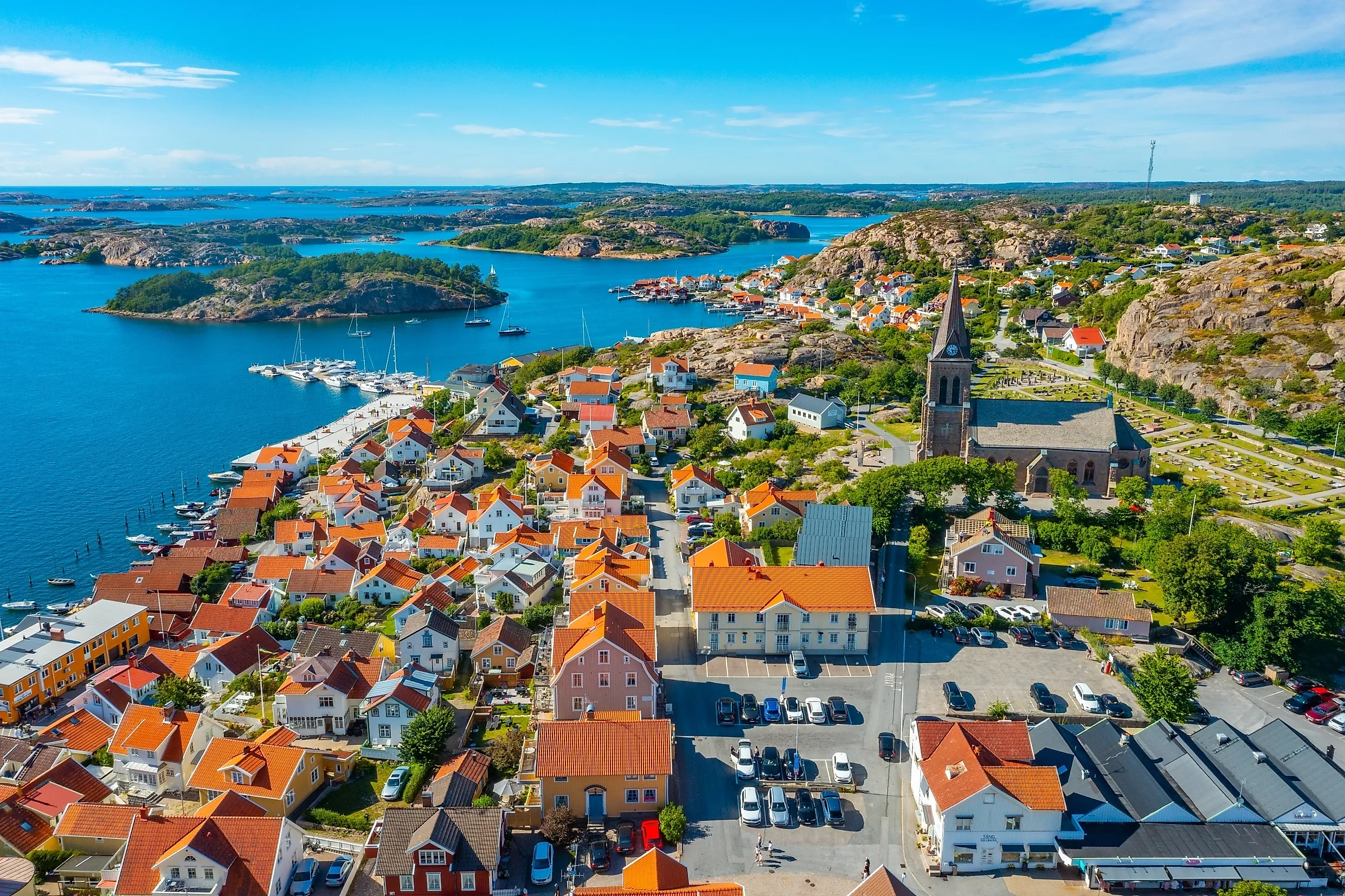
Nordic noir has made a major comeback in recent years, particularly the novels by Camilla Lackberg. Her most popular books feature Fjällbacka as the main setting, and it is easy to see why for visitors (and bookworms). This atmospheric town may be tiny, but its granite cliffs and pretty harbor provide just the right inspiration for an unexpectedly memorable crime novel. It is also the ideal weekend destination for those who want to see the Kungsklyftan rock ravine that slices through the Vetteberget cliff. This creates the passageway that the granite cliffs overlook. It is a spectacular natural wonder that is also featured in the film Ronja the Robber's Daughter. It is possible to hike to the top of Vetteberget. The path to the summit includes staircases and handrails, and at the end the view of the village below is magnificent. Back in town, visitors can stop by Ingrid Bergman Square by the harbor. The square was created in honor of the actress who spent her summers in town and on the nearby island of Dannholmen. At the main harbor of Storo, there are rocks to climb and waters to kayak, before heading to the Vaderoamas Vardshus inn via boat for a dinner of oysters and lobster.
Marstrand

Visitors seeking lagom in a coastal setting will find just that in Marstrand. This island town lies an hour and a half south of Fjallbacka and is the chosen spot in northern Europe for elite competitive sailing. The Marstrand Harbor welcomes dozens of archipelago boats and racing yachts every year. Visitors flock to the al fresco restaurants to dine on seafood while watching the action out on the water. It is one of the best ways to spend a couple of hours in this popular town before heading out on the Marstrand Island Walk. The walk circles the western side of Marstrand Island for five kilometers, passing pink cliffs and rock pools along the way. The trip also includes squeezing through the Needle's Eye, a narrow gap in the rocks that leads to the cliffs overlooking the Kattegat. The highest peak on the island is home to the Carlsten Fortress, built in 1658. Visitors can explore the moats and drawbridges while imagining a time when Sweden needed to protect its shipping ports against the enemy. And, since half of the island is a nature reserve, there is plenty of opportunity to relax, have a picnic, and swim in the calm waters of Badplats Sandstrand.
Gränna

Gränna is another can't-miss town that sits on the shores of Lake Vattern. The town is famous for its red wooden houses and for producing polkagrisar (peppermint candy canes) and crispbread. Amalia Erikson started the tradition of candy canes in the mid-19th century, and today there are at least 12 candy cane factories in the town. These include Cabbe Polkagrisfabrik and Brahehus polkagriskokeri. Aside from candy tastings, visitors have lots of other activities to enjoy in Gränna. The lake offers paddling and kayaking, as well as guided tours. The Grenna Museum details the Andree polar expedition and provides information about modern polar research. Those who want to do some hiking can take the trail to the Brahehus castle ruins just a few minutes from town. And there is a ferry that takes visitors to Visingso, the largest island on Vattern. Here, people can take carriage rides, go cycling, or accumulate some more hiking miles.
Visby

Those interested in a fairy-tale setting for their trip to Sweden need look no further than Visby. This medieval town sits on the island of Gotland and is a UNESCO World Heritage Site. There are more than 200 medieval buildings to see along Visby's streets, which hark back to a time when the town was a Hanseatic trading center. Visitors who remember watching Pippi Longstocking will be delighted to recognize some of the locations in Old Town used in the series. This includes the Fiskargrand, an alley lined with cottages and roses. Fans can also go on a self-guided Pippi walk with the help of a map available at the local tourist office. To see some more of the roses that Visby is known for, visitors can stop by the Botanical Garden, which also includes a gazebo garden. Or, they can head to the city wall built in the 13th century to see the Snackgardstornet tower and the Gunpowder tower. Adventurers can also use Visby as an enchanting base for biking to the Lummelunda Cave thirteen kilometers away from town. There are guided tours that take people through the limestone caves, some of the largest in the country.
Falkenberg

Falkenberg is the place where the river Atran flows into the sea, and a must-experience town for those in search of Swedish magic. The water is everywhere, with Skrea Strand on one side and the river flowing through the center of town. The strand features a wide beach and calm waters for swimming. Those who want to take in the sights in town can sit at one of the cafes along the river or explore the walking paths while looking out at the water. In Falkenberg's Old Town, Gamla Stan takes visitors back to the medieval era with hidden courtyards, cobbled streets, and timber-framed buildings. Another historic can't-miss landmark is the Tullbron Bridge, which was built in the 18th century. It spans the Atran River and connects the town to its green space, Vallarna Park. The Atran River Trail runs along the riverbank and is an ideal picnic spot and a way to see public art. The aforementioned park features a compact zoo where families can meet deer, wild boar, and goats.
Ystad

Ystad is famous for two reasons. It is considered one of the most beautiful towns in Sweden, and is also the home of Kurt Wallander, the protagonist of the Wallander crime series. Ystad boasts the largest film studio in Scandinavia and offers visitors the chance to take a Wallander-guided tour that passes all the filming locations. People can also opt for self-guided tours to see St Knut's Square, the Grey Friar's monastery built in the 12th century, and the Saint Petri church and museum. Another big draw is the Ales Stenar or the 'Stones of Ale.' This megalithic monument is constructed in the shape of a stone ship consisting of 59 boulders. It is believed that the monument was created at the end of the Nordic Iron Age, but its purpose is still disputed. Visitors who want to enjoy a beach day after exploring all the historic sites can head to Sandhammaren Beach, where the sand is soft and the sun warm. Hagestads Beach is great for families with its shallow waters, while Ystad Saltsjobad offers a beach resort with spa treatments.
Finding the Spirit of Lagom
It is all about balance in Sweden's can't-miss towns. You can catch the northern lights and then have a delicious dinner, feeling like you are on top of the world. In some of these towns you can follow in the footsteps of medieval merchants or savor a homemade pastry at the harbor. Both experiences will fulfill your sense of adventure. Sweden offers lagom wherever you look with just enough tranquility in the mix to restore the soul. When you visit these towns and experience what Sweden has to offer, you may find yourself loath to leave.