9 Wallet-Friendly Small Towns To Retire In Georgia
Georgia's median owner-occupied home is valued at $303,300, but in Waycross that figure drops to just $84,100. For retirees living on Social Security, pensions, or carefully managed savings, a difference of that size can substantially influence how comfortably the years ahead unfold. Of course, affordable housing means considerably less if there is nowhere interesting to spend an afternoon or if every errand requires a lengthy drive. These nine smaller towns offer an opportunity to make retirement savings go further while still enjoying the place one calls home.
Fitzgerald

Established in 1895 as a planned settlement for Union veterans and their families, Fitzgerald has a history that is especially evident at the Blue & Gray Museum. Located inside a historic railroad depot, the museum showcases more than 1,200 photographs, artifacts, and pieces of memorabilia connected to the town's origins.
Fitzgerald has also acquired another claim to fame that has little to do with its founding. Burmese red junglefowl roam its streets, becoming such recognizable residents that they are celebrated each spring at the Wild Chicken Festival. A towering 62-foot steel chicken sculpture pays tribute to the birds, while the restored Grand Theatre offers movies, concerts, and live performances throughout the year. For retirees, Fitzgerald's affordability is equally noteworthy. The town, with an estimated population of 8,882, has a median owner-occupied home value of $99,000 and median gross rent of $670, both substantially below Georgia's statewide figures.
Waycross

Access to everyday necessities can make all the difference in retirement, especially when trying to keep household expenses manageable. Waycross serves as a regional center for shopping, health care, and essential services, reducing the need for many residents to travel to larger municipalities for routine appointments and errands. With approximately 13,936 residents and a median owner-occupied home value of just $84,100, it also offers one of the lowest housing figures among the towns on this list.
Outside of errands and appointments, Waycross has several interesting places to explore. Laura S. Walker State Park offers fishing, kayaking, and wooded walking trails, while nearby Okefenokee Swamp Park provides guided boat tours through one of the Southeast's most distinctive wetland ecosystems. Anyone interested in local history can visit Southern Forest World, which documents the timber and turpentine industries that helped define the region's economy, alongside unusual displays such as a walk-through hollow cypress tree and a mummified dog named Stuckie. Affordability extends to some of these recreational opportunities as well. Southern Forest World lists a $4 admission fee for seniors, while Georgia's state parks offer relatively inexpensive opportunities for regular outdoor recreation.
Douglas

Housing costs in Douglas leave considerable financial breathing room for retirees, with a median owner-occupied home value of $133,300 and median gross rent of $680, less than half the Georgia median. This community of approximately 11,864 residents also has enough local attractions to make spending time outside the house an appealing part of everyday life.
A particularly interesting example is the World War II Flight Training Museum, housed at a former military aviation training facility where thousands of cadets learned to fly between 1941 and 1944. Admission is free, making it an inexpensive way to explore an important chapter of American military history. For a change of pace, General Coffee State Park offers a boardwalk through cypress swamp, nature trails, and the Heritage Farm, which preserves agricultural buildings and equipment from earlier generations. Douglas also has a historic downtown with antique shops, local eateries, and community events, while the Coffee County Farmer's Curb Market provides opportunities to shop for locally grown products.
Calhoun

A retirement budget has to cover more than a place to live, and Calhoun has programs specifically intended to help older residents address recurring household expenses. Qualified residents aged 65 and older can receive discounted utility rates for electricity, water, and sewer services, provided they meet the city's eligibility and usage requirements. These practical benefits complement a median owner-occupied home value of $251,000, still below Georgia's statewide figure, in a city with approximately 20,196 residents.
The community also offers several inexpensive ways to spend time outside the house. The Harris Arts Center hosts exhibitions and cultural programming, while the Rock Garden presents a volunteer-built miniature landscape of castles, churches, and other stone structures. Residents who enjoy live entertainment can attend performances at the historic GEM Theatre, while nearby New Echota State Historic Site preserves the former capital of the Cherokee Nation and documents the history surrounding the Trail of Tears.
Dublin

Dublin has built a local tradition around its Irish namesake, transforming a geographical coincidence into one of the region's most anticipated annual events. The city's St. Patrick's Festival began in 1966 and has grown into several weeks of parades, concerts, sporting events, arts and crafts, and community gatherings. For retirees hoping to remain involved in local life, this longstanding celebration provides opportunities to volunteer, socialize, and participate in traditions that bring residents together each year.
Outside the festival season, Theatre Dublin stages concerts and theatrical performances in a restored 1934 movie house. The historic downtown district offers independent shops and restaurants, while Market on Madison provides walking paths, picnic areas, and a seasonal farmers market where residents can purchase locally grown products.
These accessible activities complement Dublin's relatively modest housing expenses. With an estimated population of 16,565, the city has a median gross rent of $847 and a median owner-occupied home value of approximately $181,300.
Milledgeville

Retirement in Milledgeville comes with the opportunity to live among reminders of Georgia's past while keeping housing expenses well below state averages. The former state capital retains an impressive collection of historic architecture, particularly Georgia's Old Governor's Mansion. Completed in 1839, the Greek Revival residence offers guided tours examining the lives of the governors, their families, and the enslaved people who lived and worked there.
The city's literary history provides another point of interest at Andalusia Farm, where Flannery O'Connor lived from 1951 until her death in 1964 and completed much of her best-known writing. Beyond these historic sites, the Oconee River Greenway provides walking trails, river views, and picnic areas, while nearby Lake Sinclair offers fishing, boating, and other outdoor activities. These attractions are available to residents of a community numbering approximately 16,835 people, with a median owner-occupied home value of $193,100 and median gross rent of $913.
Toccoa

Mountain scenery does not necessarily have to come with the housing premiums associated with Georgia's better-known resort destinations. In Toccoa, at the foothills of the Blue Ridge Mountains, retirees can enjoy the surrounding landscape while living in a community with a median owner-occupied home value of $178,100. With approximately 9,539 residents, the city offers a quieter alternative to larger mountain communities while retaining a recognizable historic downtown.
Outdoor opportunities begin at Currahee Mountain, whose summit reaches 1,735 feet above sea level and whose trails and access road offer rewarding views of the surrounding countryside. Closer to the town center, the Currahee Military Museum preserves the story of the World War II paratroopers who trained at nearby Camp Toccoa. Residents can also explore the shops and historic buildings along downtown's self-guided walking routes.
Perhaps the area's most recognizable attraction is Toccoa Falls, a 186-foot waterfall on the campus of the University of Toccoa Falls. Reached by a short pathway, it offers an impressive natural attraction without requiring a demanding mountain hike. With median gross rent of approximately $711, Toccoa makes a compelling case for retirees.
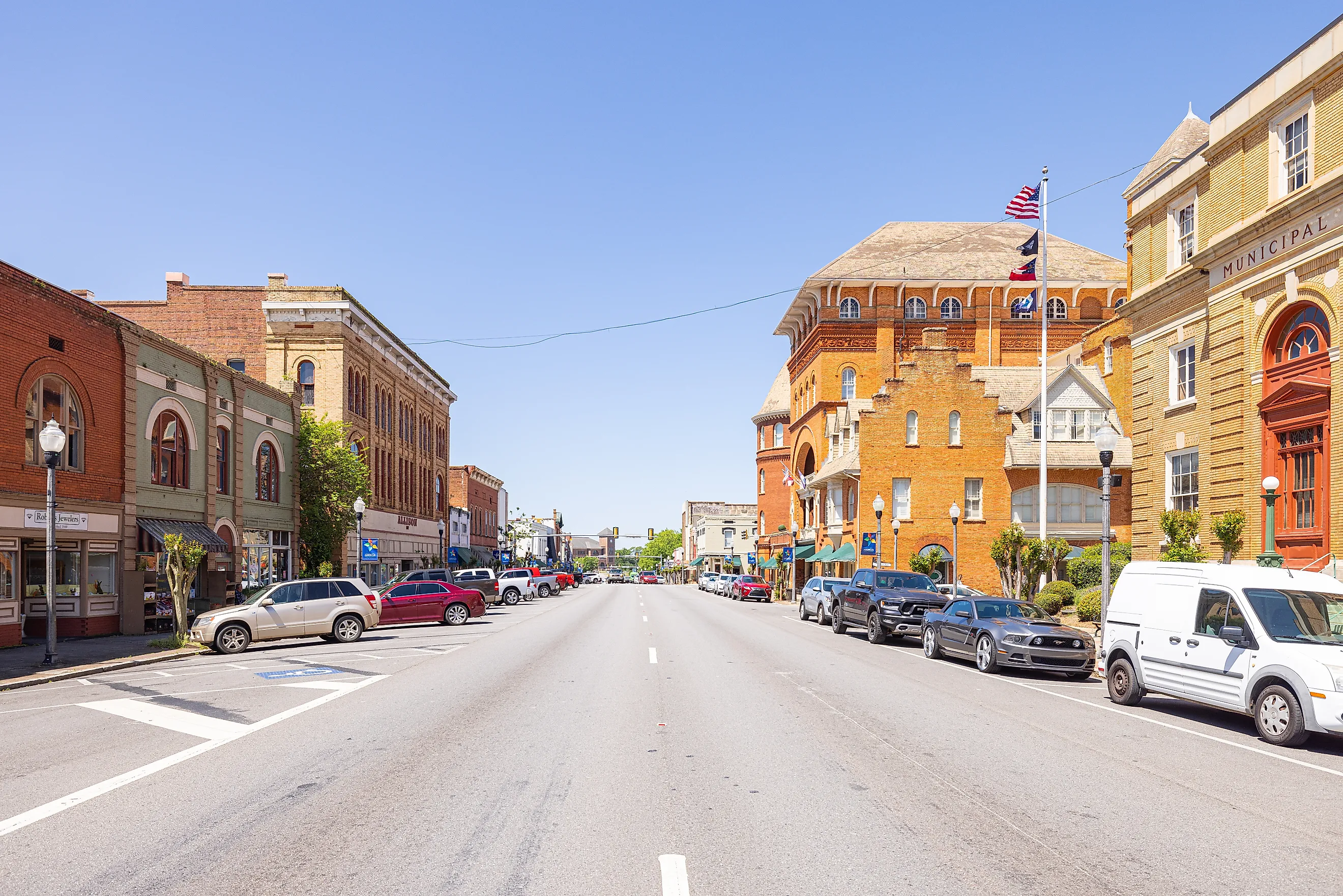
Americus

Americus carries an important chapter of Georgia's civil rights history that continues to shape its identity. Just outside the city, Koinonia Farm was founded in 1942 as an interracial Christian community committed to racial equality, a position that eventually brought violent opposition during the segregation era. The farm later became the birthplace of the housing movement that developed into Habitat for Humanity, giving Americus a lasting connection to efforts to improve access to affordable homes.
This heritage of social commitment sits alongside a rich architectural history. Downtown, the restored Windsor Hotel, dating to 1892, showcases the city's Victorian commercial prosperity, while the 1921 Rylander Theatre continues to host performances and community events. Rees Park provides a place for picnics and casual recreation without the expense of a paid attraction. Housing costs offer another practical advantage. Americus, with approximately 15,617 residents, has a median owner-occupied home value of $107,500 and median gross rent of $834 per month.
Statesboro

One way to lower everyday expenses in retirement is to reduce the number of trips that require a car. Statesboro makes this more realistic through Statesboro Area Transit, a public bus system with two fixed routes and more than 30 stops connecting residents with shopping, health care, and community destinations. One-way fares start at $1, with discounted rates available to seniors, making the service a useful alternative for residents living near its routes.
Statesboro also benefits from being home to Georgia Southern University. The university's Botanic Garden offers walking paths, native plants, and educational programs, while the Averitt Center for the Arts brings theatrical productions, exhibitions, and musical performances to downtown. The seasonal Statesboro Main Street Farmers Market gives residents a place to shop for local produce and handmade goods, and the surrounding Blue Mile district contains additional restaurants and shops. With approximately 35,366 residents, Statesboro is the largest community on this list, but its median owner-occupied home value of $197,900 remains substantially below Georgia's statewide figure.
Final Thoughts
Lower housing costs can make retirement more manageable, but the surrounding community matters just as much. Georgia's smaller towns offer different advantages, from the mountain trails of Toccoa and the historic streets of Milledgeville to the accessible transportation and cultural activities of Statesboro. For retirees planning around a fixed income, finding a place with affordable housing, practical amenities, and inexpensive opportunities to remain active can help ensure that savings last while leaving room to enjoy the years ahead.