What Happens To A Snake That Doesn’t Reach A Den In Time
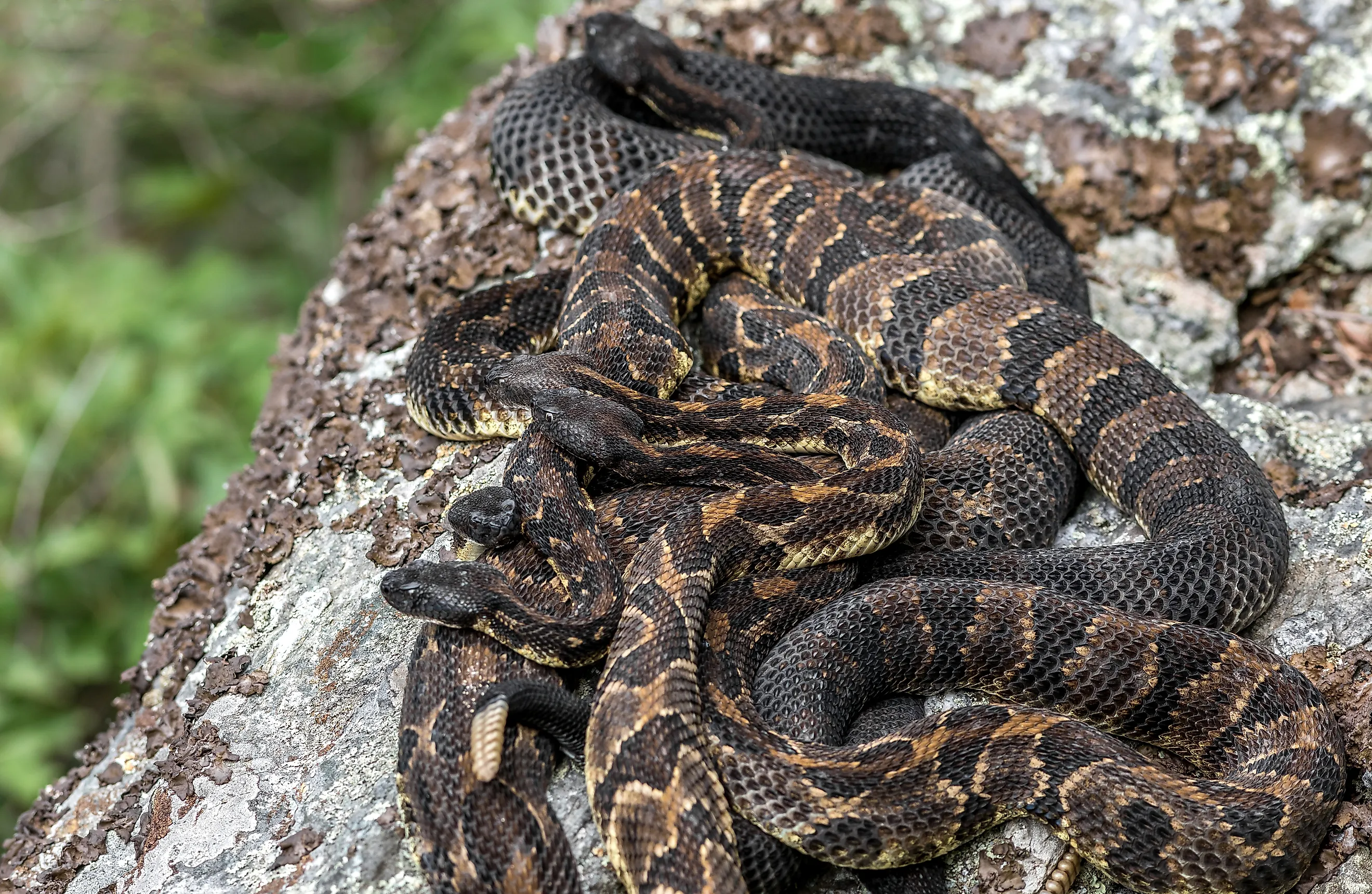
A snake that misses its den does not simply get cold. It runs into a hard physical limit. Ice forming inside tissue destroys it, and almost no temperate snake can survive that for more than a few hours. Research on red-sided garter snakes found that at minus 2.5 degrees Celsius only half survived ten hours of freezing, and none at all survived 24 hours. The deadline is real, it is measured in hours rather than weeks, and reaching a den is not even a guarantee of getting through the winter.
The Requirement Is One Number

A hibernaculum has to do one thing above all others, and the requirement is unusually specific. The space must stay consistently above zero degrees Celsius. Everything else a den provides, the crevices, the humidity, the stable microclimate, is secondary to not letting the animal freeze.
That is why dens sit below the frost line, why aspect matters, and why the same few sites get used for generations. Somewhere that meets the specification is rare, and a snake that cannot reach one has no fallback.
Supercooling Buys A Few Degrees

Snakes are not entirely defenseless against sub-zero temperatures, but the defense is thinner than it sounds.
Body fluids can remain liquid below their normal freezing point, a state called supercooling. Red-sided garter snakes collected near communal dens in autumn supercooled to minus 5.5 degrees Celsius before ice formed.
The catch is that it does not last. By midwinter the same population's supercooling capacity had collapsed, with snakes freezing at just minus 0.8 to minus 1.2 degrees. The protection is strongest in autumn and nearly gone by the time the hardest cold arrives.
Twenty-Four Hours Is The Limit

Once ice actually forms the window closes fast, and the experimental numbers are blunt. Garter snakes held at minus 2.5 degrees showed 50 percent survival after ten hours frozen. None survived 24 or 48 hours, with maximum ice content reaching 70 percent of body water.
Work on the European adder found the same pattern. Ten of eleven newborn adders survived two to three hours at around minus 3.1 degrees, but none survived exposures of 22 to 30 hours. The species was categorized as virtually non freeze tolerant.
Frogs Can Do This. Snakes Cannot

The comparison that puts snake cold tolerance in perspective is with the animals sharing the same patch of woods.
Some amphibians and turtles are genuinely freeze tolerant, surviving long periods with up to 65 percent of their body water frozen as extracellular ice. Wood frogs famously spend winters as something close to a frozen object and thaw out in spring.
Snakes have only a very limited version of this. They are freeze-avoiding rather than freeze-tolerant, which means the entire strategy is not freezing in the first place. There is no backup.
Reaching The Den Is Not Enough

The grimmest number in this subject comes from snakes that did everything right. In one winter in central Manitoba, an estimated 60,000 red-sided garter snakes died in a single midwinter freeze event. They were in their dens. The mortality was attributed to unusually light snow cover at the time of the freeze.
Snow is insulation. A den that works in a normal winter can fail in a cold snap that arrives before the snow does, which is a failure mode no individual snake can do anything about.
Flooding Kills Too
The other way a den fails is the opposite problem, and it is becoming more common as water tables shift.
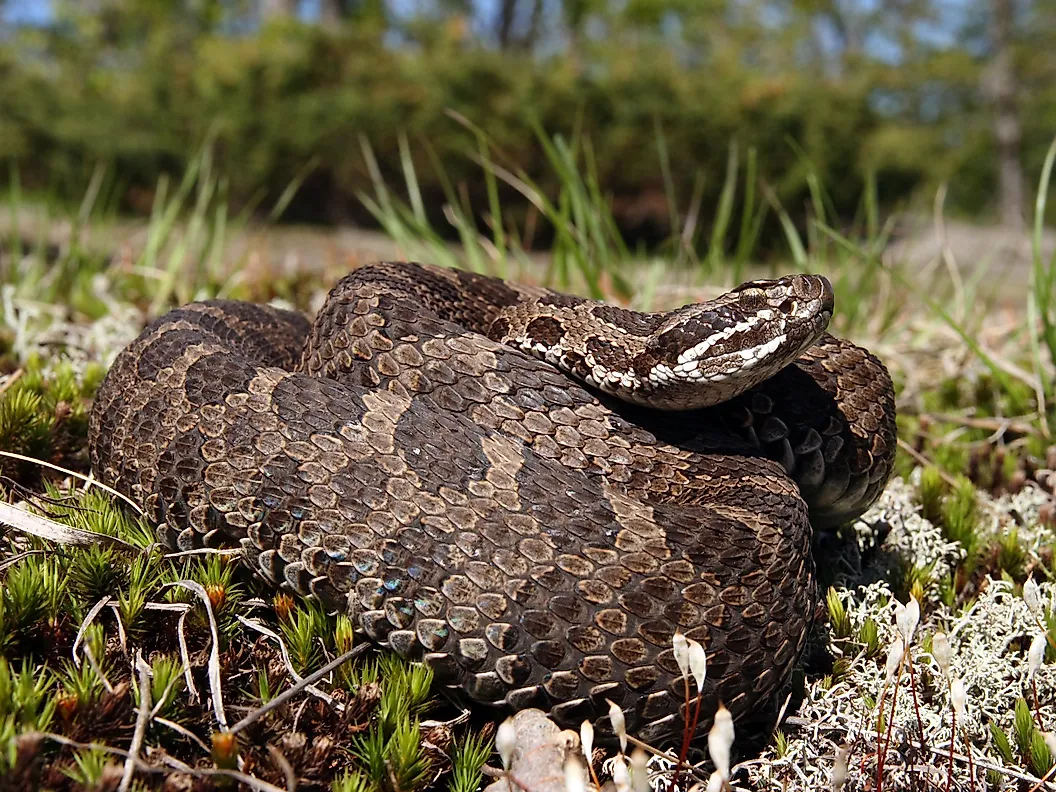
A snake trapped in a flooded hibernaculum can drown without access to air. Research on massasauga hibernation found the thermal buffering and dissolved oxygen that make a den survivable both depend on the water table sitting in a narrow range.
Too dry and the den freezes. Too wet and it floods. The window is narrower than the word den suggests.
Roads Are The Main Reason They Fail

Most snakes that fail to reach a den are not defeated by distance or weather. Autumn migration takes snakes across whatever lies between summer range and winter rock, and in developed country that includes roads. One study area recorded road mortality of 78.6 percent among migrating snakes, with researchers describing it as a likely driver of population decline.
A snake killed crossing a road in October was on its way somewhere specific. The den it was heading for may have been in use for generations.
The Young Are Worst Off

Within any population the failure rate is not evenly distributed, and first-year animals carry most of it.
Neonates are born in late summer, have never visited the den, and find it by following scent trails left by adults. They are smaller, carry less fat, and have had only a few weeks of feeding before the cold arrives.
Studies of snake translocation show the same principle from another angle. Moved snakes suffer high overwinter mortality specifically because they do not know where the hibernacula are, which is why practitioners now insist release sites be located near suitable dens.
What The Loss Actually Costs

Snake populations absorb this badly, and the reason is reproductive arithmetic rather than the number of deaths.
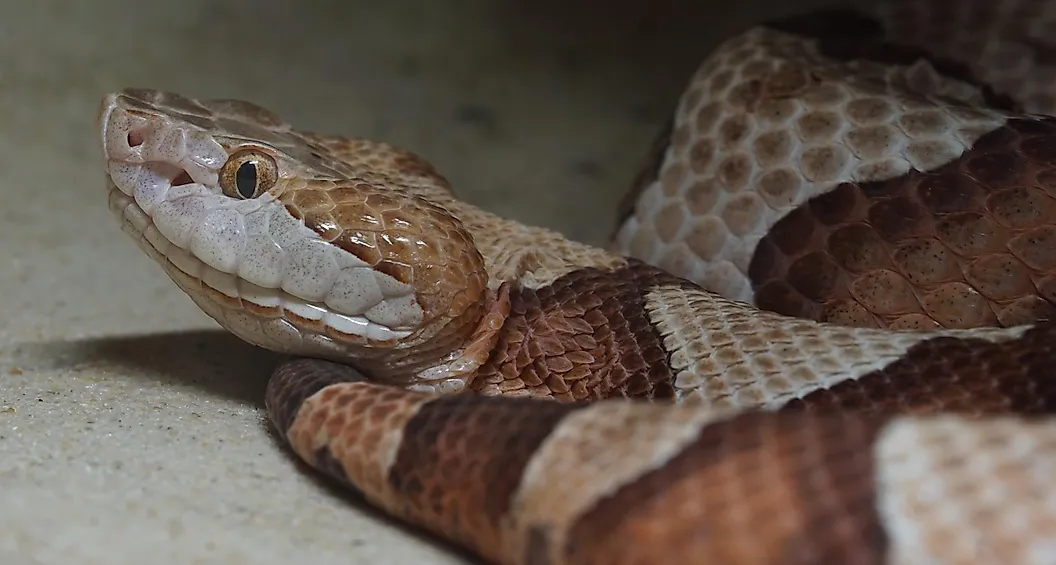
Species like the copperhead and the massasauga breed only every second or third year and produce small litters. A population that loses a cohort to a bad freeze or a new road cannot replace it quickly.
A lack of suitable hibernacula is recognized as a factor that can limit a snake population outright, which is why conservation groups now build artificial dens from rock, gravel, sand and wood in areas short of natural ones.
The Short Answer
A snake that does not reach a den freezes. It can supercool a few degrees below zero in autumn, loses most of that capacity by midwinter, survives perhaps ten hours frozen at minus 2.5 degrees with even odds, and does not survive a full day.
The deadline is not the first frost but the first sustained freeze, and the snakes that miss it are mostly first-year animals that have never made the journey and adults killed on roads along the way. Even arriving is no guarantee, as 60,000 garter snakes in Manitoba demonstrated in a single winter when the snow came late.