9 Prettiest Small Towns In California's Sierra Nevada
Broad Street in Nevada City still features Gold Rush brick, while the Sierra Nevada rises behind it. That mix repeats across California's mountain towns, well away from the crowds at Yosemite and Lake Tahoe. Murphys pours wine along a foothill Main Street, and Truckee guards a railroad depot near the Tahoe treeline. Mariposa opens the road to Yosemite's granite, while Bishop leans against the Eastern Sierra's dramatic wall. These are some of California's prettiest small communities worth exploring, each shaped by mining history or mountain scenery.
Nevada City

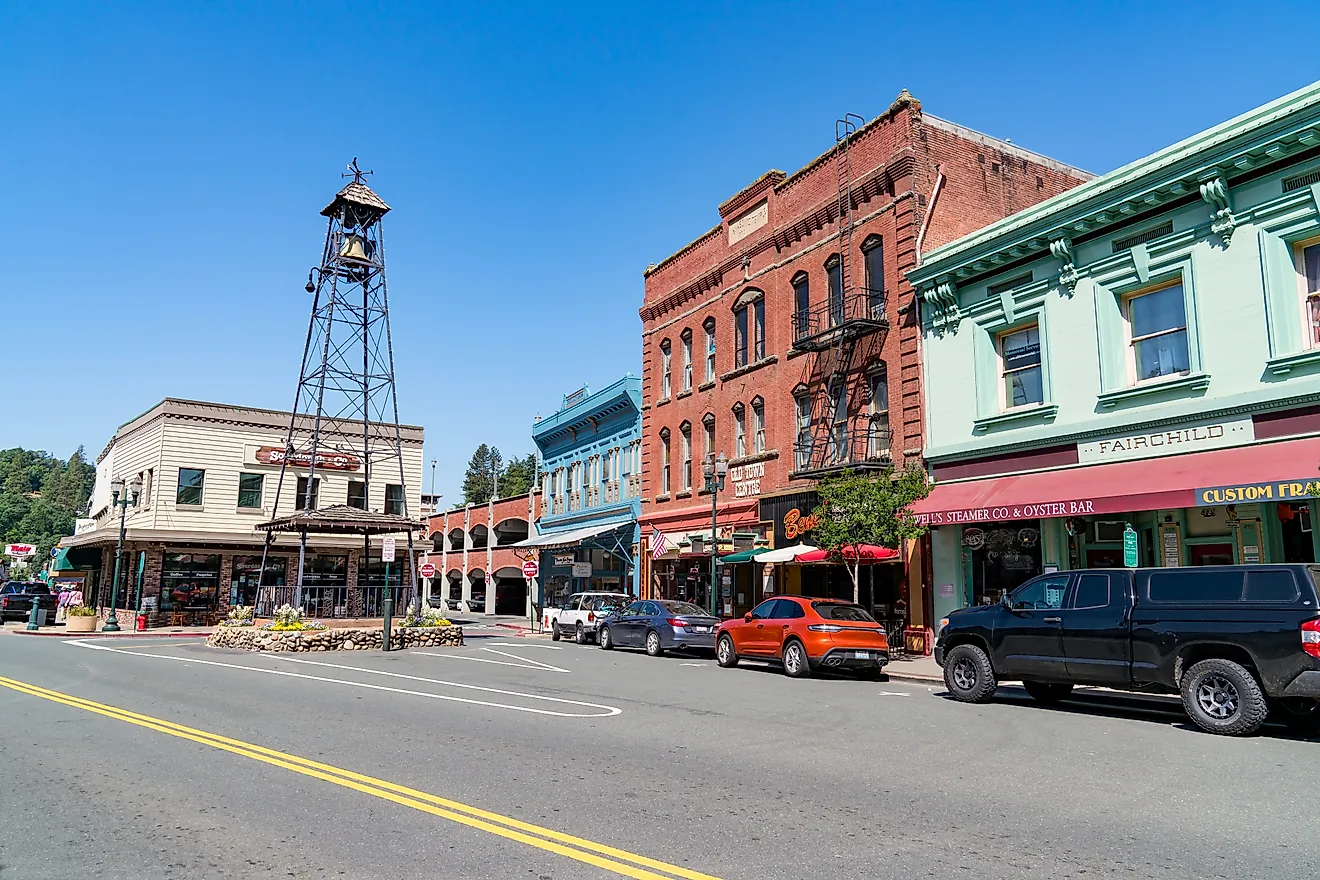
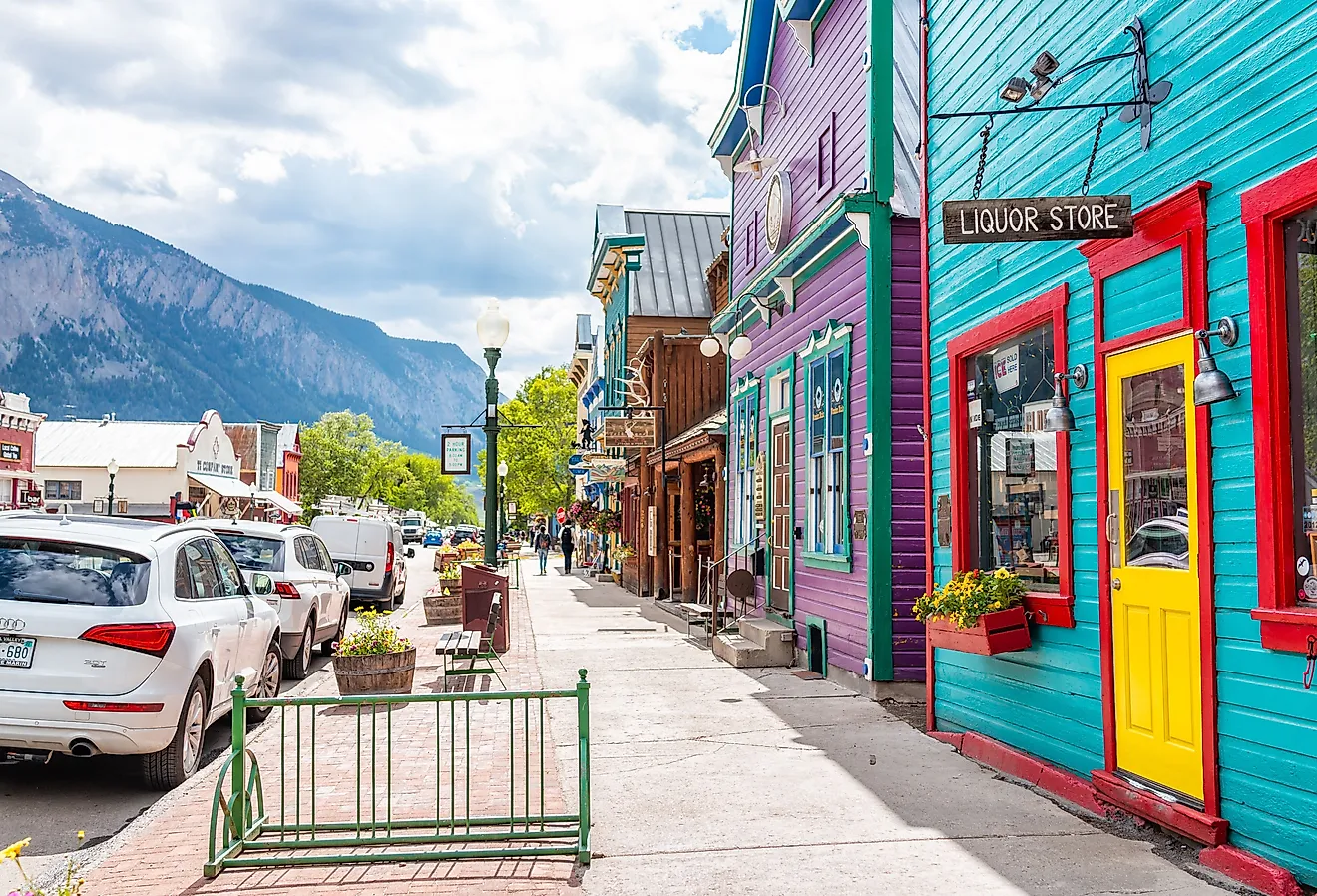
Brick storefronts, independent galleries, and preserved Victorian buildings line Broad Street, the heart of one of the Sierra Nevada's best-preserved Gold Rush downtowns. That historic corridor is filled with shops and cafés that reflect the town's creative community, including The Artists' Collective, a cooperative gallery featuring works from local painters, photographers, and craftspeople.
Just outside town, South Yuba River State Park has forest trails, swimming areas, and the Bridgeport Covered Bridge, one of California's most recognizable wooden bridges. Seasonal events such as the Victorian Christmas celebration bring the historic streets to life, while local restaurants and small businesses maintain the town's relaxed atmosphere.
Truckee

Set high in the mountains near Lake Tahoe and surrounded by forest, Truckee pairs alpine scenery with a historic downtown that reflects its past as a railroad community. Outdoor recreation is closely connected to local life here. Commercial Row, the historic main street, features restored brick buildings filled with restaurants, shops, and cafés, including Squeeze Inn, a longtime local café known for breakfast dishes and a casual atmosphere that reflects Truckee's mountain-town character.
The landscape changes dramatically through the seasons, from snowy winters near nearby ski areas to summer days spent hiking, biking, and exploring the Truckee River. Truckee River Regional Park provides walking paths, sports fields, and open space close to town, while the Truckee Railroad Museum highlights the area's transportation history.
Murphys

Gold Rush history, foothill scenery, and a relaxed wine-country atmosphere come together on the historic Main Street of Murphys. The restored buildings now house tasting rooms, cafés, restaurants, and small shops such as Doke Schmidt's Candy, a longtime local confectionery known for handmade sweets, while Twisted Oak Restaurant is a popular dining option in the heart of town. Unlike larger wine destinations, Murphys keeps a village feel where exploring the downtown often means walking between family-owned businesses and historic storefronts.
Beyond its streets, the surrounding landscape offers another reason to visit. Calaveras Big Trees State Park protects towering giant sequoias nearby, while Mercer Caverns provides a look beneath the Sierra foothills into a cave system discovered during the Gold Rush era. Local festivals, outdoor concerts, and seasonal events such as the Murphys Grape Stomp, a fall celebration featuring wine, food, and live entertainment, add energy throughout the year without changing the town's slower pace.
Mariposa

Wooden storefronts and brick buildings dating to the 1800s line Main Street in Mariposa, a Gold Rush town that also serves as one of the main gateways to Yosemite National Park. Restaurants, galleries, and antique shops occupy those historic buildings. The Mariposa Museum & History Center, housed in a former county courthouse, explores the region's mining history through Gold Rush artifacts, historic photographs, and exhibits about the communities that shaped the area. Nearby, the Mariposa County Courthouse, completed in 1854, is the oldest courthouse still in use in California and a reminder of the town's importance during the state's early development.
The surrounding landscape is what makes Mariposa especially memorable. Rolling foothills, oak woodlands, and winding mountain roads create scenic routes toward Yosemite's granite cliffs and waterfalls. The Mariposa Grove of Giant Sequoias, located within Yosemite National Park, showcases some of the largest trees in the world among quiet forest trails. Back in town, cafés, restaurants, and local shops such as Castillo's Antiques, a longtime store featuring vintage collectibles and historic items, offer a slower-paced experience away from the crowds of the national park.
Mammoth Lakes

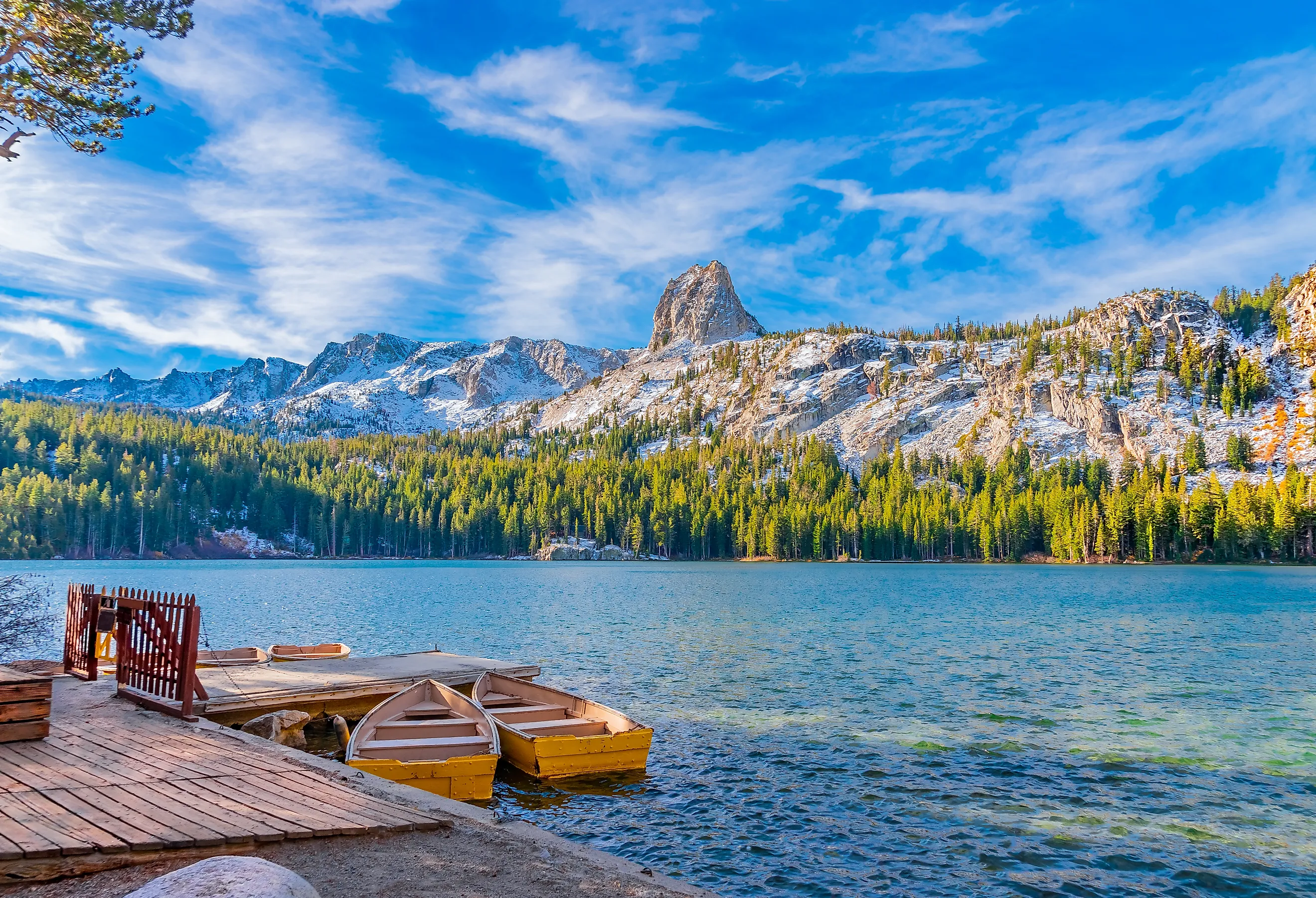
Volcanic peaks, high mountain lakes, and snowy forests make Mammoth Lakes one of the Sierra Nevada's most recognizable landscapes. Unlike the historic Gold Rush towns, Mammoth developed around outdoor recreation. Mammoth Mountain, a year-round ski and recreation area, brings visitors for winter sports while offering hiking and mountain biking during warmer months. Nearby, Devils Postpile National Monument is known for its basalt rock formations created by ancient volcanic activity.
The town's natural surroundings are woven into everyday experiences, with places like the Mammoth Lakes Basin, a collection of high-elevation lakes surrounded by trails and mountain views, providing easy access to the outdoors. Summer brings wildflowers, fishing, and scenic drives, while winter transforms the area into a snowy mountain destination. Restaurants, coffee shops, and local businesses around town create a relaxed base between adventures, with spots such as The Warming Hut, a local café and gift shop, and Footloose Sports, a longtime outdoor store on Main Street, helping give Mammoth Lakes the feel of a true mountain community rather than just a seasonal resort.
Downieville

Deep within the Sierra Nevada, Downieville is located where the North Yuba River and Downie River meet. The Downieville Historic District reflects the region's mining heritage through preserved wooden storefronts, 19th-century homes, and small buildings that once supported the area's economy. During the Gold Rush, the town became a busy center for miners and merchants, and it still serves as the seat of Sierra County today, though its narrow streets, historic structures, and surrounding forest roads now make for a much quieter mountain setting.
Tahoe National Forest is a vast wilderness area filled with forest trails and scenic mountain roads, providing access to hiking, mountain biking, and outdoor exploration. The nearby North Yuba River offers opportunities for fishing, swimming, and relaxing along the water during warmer months. Historic buildings such as the Downieville bridge over the Yuba River, and local businesses like The St. Charles Place, a historic inn and restaurant, add to Downieville's quiet community feel between adventures.
Bishop

Ranching, outdoor recreation, and wide-open views shape Bishop, which sits along the eastern edge of the Sierra Nevada where dramatic mountain walls rise straight from the valley floor. Its setting beneath the towering peaks of the Eastern Sierra gives it a distinct feel compared with communities west of the range. Main Street serves as the heart of town, where local businesses such as Great Basin Bakery, known for its fresh bread and pastries, sit alongside outdoor outfitters and restaurants that cater to both longtime residents and travelers heading into the mountains.
The Ancient Bristlecone Pine Forest, located in the nearby White Mountains, protects some of the oldest trees in the world, while Buttermilk Country attracts climbers with its massive granite boulders set against snow-capped peaks. The nearby Owens River offers fishing, birdwatching, and quiet riverside scenery, while scenic drives lead into the high country.
Groveland

The Iron Door Saloon, one of California's oldest continuously operating saloons, still anchors Main Street in Groveland, another frontier settlement founded during the Gold Rush near Yosemite. The historic downtown reflects its mining past through preserved wooden storefronts and brick buildings, and spots such as Two Guy's Pizza Pies, a longtime local restaurant, add to the town's casual mountain atmosphere while keeping its historic character alive.
The landscape around Groveland is shaped by pine forests, mountain roads, and nearby lakes that connect the town to the outdoors. Pine Mountain Lake, a nearby recreation area, offers boating, fishing, and swimming, while Stanislaus National Forest provides hiking trails and scenic overlooks through the surrounding wilderness.
Sonora

Known as the Queen of the Southern Mines, Sonora carries its Gold Rush history through one of the best-preserved downtowns in the southern Mother Lode. Founded in 1848 by Mexican miners from the state of Sonora, the town grew into a busy center of trade, and much of that early character survives along Washington Street, where brick buildings from the 1850s now house boutiques, galleries, cafés, and restaurants. The red-painted St. James Episcopal Church, completed in 1859 in wooden Carpenter Gothic style, remains one of the most photographed buildings in the region. Nearby, the Tuolumne County Museum, housed in the former county jail built in 1857, preserves the area's mining past through artifacts, photographs, and original cell interiors.
Dragoon Gulch Trail, an urban route just minutes from downtown, winds through oak and manzanita hillsides to overlooks above the town, while the surrounding Stanislaus National Forest opens onto miles of hiking trails and scenic drives. A short distance north, Columbia State Historic Park preserves an entire Gold Rush town where visitors can ride a stagecoach, pan for gold, and explore buildings from the 1850s.
Why These Sierra Nevada Towns Are Worth Discovering
California's Sierra Nevada small towns show a different side of the state, where mountain landscapes, historic streets, and close-knit communities come together at a slower pace. Nevada City and Sonora preserve Gold Rush-era downtowns, Mariposa and Groveland open onto Yosemite, and Mammoth Lakes and Bishop trade mining history for alpine and eastern-Sierra scenery. What makes these places special is that the scenery is only part of the experience. A walk down a historic main street, a stop at a local café, a swim in a mountain lake, or a drive through forest-covered roads can become some of the most memorable parts of the trip.