9 Offbeat Arizona Towns To Visit In 2026
Arizona is the only place on earth where the McDonald's arches are turquoise, and the town that ordered it, Sedona, is not even the strangest stop on this list. A 42-year-old western movie set outside Benson has doubled for the Old West in more than 120 films. A 200-year-old mesquite tree in Wickenburg once served as the town jail. A copper camp turned artist colony in Jerome now sells burgers in a building locals swear is haunted. These nine offbeat Arizona towns trade the Grand Canyon crowds for turquoise arches, ghost mines, and roadside oddities worth the drive.
Window Rock

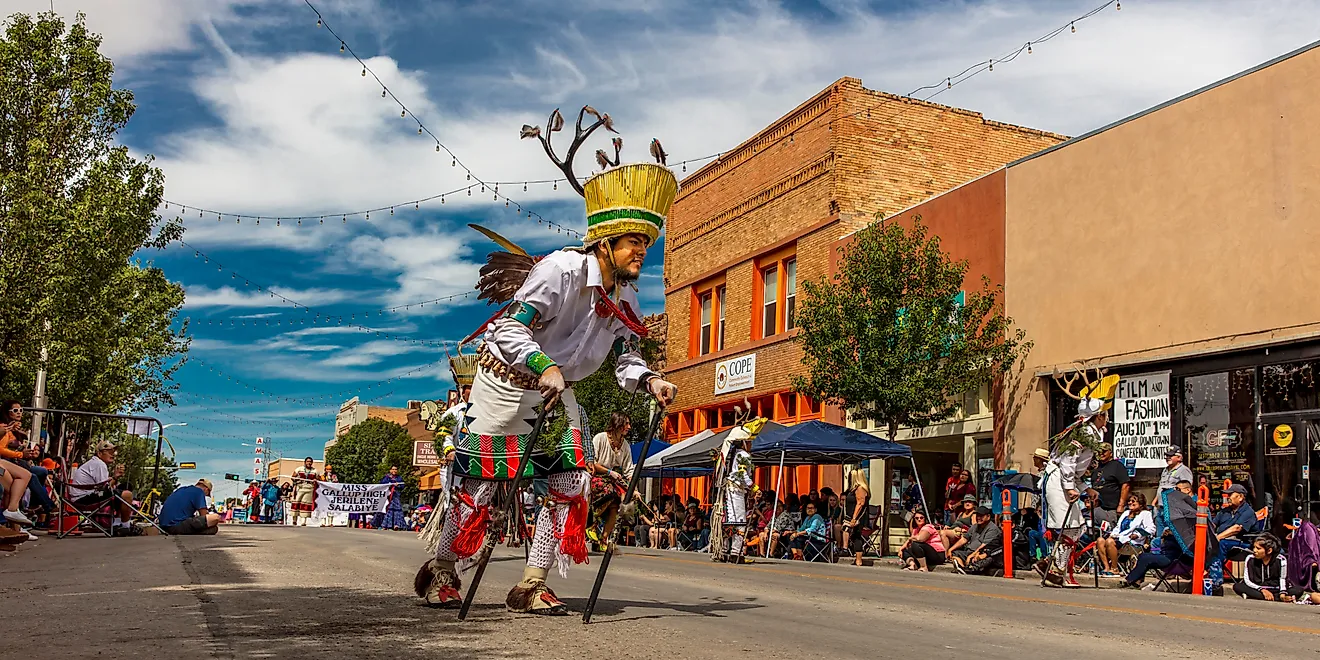
The capital of the Navajo Nation is named for a hole in the sky. Window Rock takes its name from the red sandstone arch the Navajo call Tse Ghahoodzani, with a sacred pond beneath it that medicine men once used in Waterway Ceremonies, one of four sacred ponds inside the Window Rock Navajo Tribal Park and Veterans Memorial. The memorial, added in 1995, honors the Navajos who served in the U.S. military, and its centerpiece is a statue of a Code Talker carrying his 32-pound field radio. A circular path traces the four cardinal directions, and 16 steel pillars carry the names of veterans.
Down the road, the Navajo Nation Museum holds more than 40,000 photographs alongside recordings and rotating exhibits built around Navajo weavers and artists. The Navajo Nation also runs the Navajo Nation Zoo and Botanical Park, home to more than 50 species native to Navajo lands, with signs in both Navajo and English that explain each animal's place in Navajo tradition rather than just its biology. It is the only Native American-owned and operated zoo in the United States.
Sedona

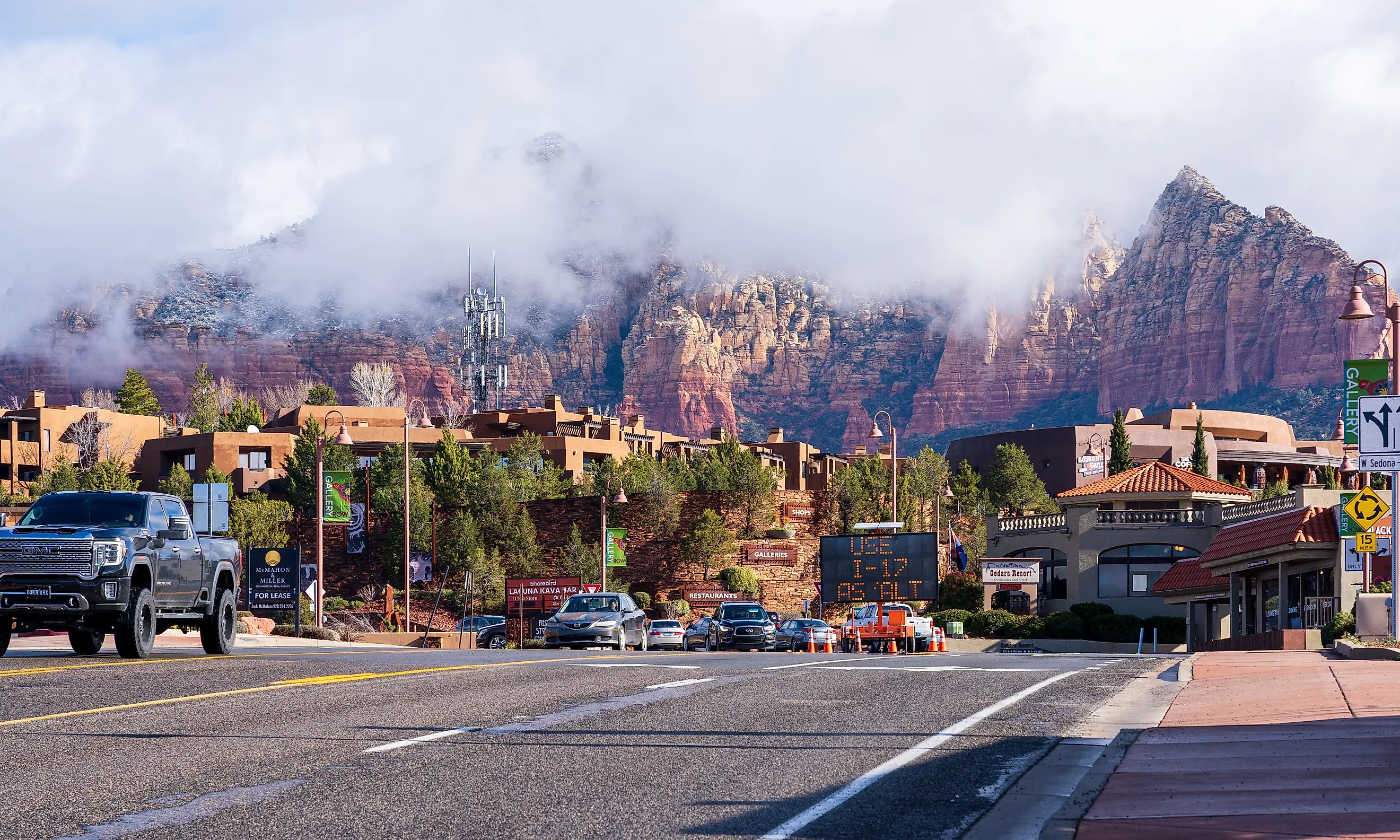
Sedona is the town that made McDonald's blink. When it incorporated in 1988, it wrote a building code strict enough to force the golden arches into retirement, and the local McDonald's opened in 1993 with turquoise arches instead of yellow, the only ones like it in the world, chosen so the sign would settle into the red rock rather than fight it. The menu is identical to the other 36,000-plus locations. The color is the whole attraction, and people line up to photograph it.
The red rocks are why most people come. A 3.6-mile loop circles Bell Rock, the formation many believe radiates healing energy, with gentler options like Courthouse Butte Loop nearby and a steep scramble up the rock itself for anyone wanting to climb. For a slower afternoon, Tlaquepaque Arts and Crafts Village recreates a small Mexican town in hand-forged ironwork, carved doors, tile, and clay, modeled on San Pedro Tlaquepaque near Guadalajara, its shops and galleries filling a shaded warren of courtyards near downtown.
Jerome

Jerome nearly died when the copper ran out, and it has spent the decades since leaning into the afterlife. Where bordellos and opium dens once operated, restaurants and galleries now fill the same buildings, and the town bills itself the Wickedest Town in the West. The Haunted Hamburger anchors the local ghost-story economy, with staff accounts of hammers vanishing mid-renovation, cans sliding off shelves, and doors slamming on their own. Diners order the Ghostly Burger and settle in, occasionally in company they cannot see.
The mining history is the real draw underneath the ghost stories. The Gold King Mine and Ghost Town preserves an original 1,270-foot shaft along with a stamp mill, blacksmith shop, and heaps of equipment left behind when the town emptied out, and you can still pan for gold on site. Up the hill, Jerome State Historic Park occupies a mansion above the Little Daisy Mine, once a hotel for traveling mining officials and now a museum of operations records, geology, and period rooms from the copper boom that made Jerome one of Arizona's largest mining towns.
Bisbee

While the copper towns around it emptied out, Bisbee hung on. Founded in 1880 on copper, gold, and silver, it kept its footing, and the Queen Mine Tour now runs visitors on a rail car straight into the mountain where the ore was worked, a route reopened specifically to keep the history accessible. A few blocks over, the Bisbee Mining and Historical Museum lays out the town's role in the industrialization of the country, with exhibits on the residents and the labor struggles of its first 125 years.
You can sleep inside that history at the Copper Queen Hotel. Built in the heart of town during the mining era, its Victorian rooms come with the usual amenities and a couple of long-term guests: the hotel is said to be haunted by Julia Lowell and a child named Billy, both reported wandering the halls. Ghost stories aside, the building is a preserved piece of boomtown architecture.
Cave Creek

Cave Creek keeps a piece of the Old West standing on Main Street. Settled around 1870 as a mining and ranching community, the town is home to Frontier Town, one of the last surviving Old West storefront destinations in the state, where shops like Desert Maven and Ortega's Turquoise Trails sell frontier souvenirs and the calendar runs to gunfighter shows and art fairs. The look is deliberately unchanged, a working piece of set dressing you can walk through. The desert around town rewards a longer visit: Cave Creek Regional Park covers nearly 3,000 acres of Sonoran Desert, with 5.8 miles of trail circling Go John Mountain past jasper-studded hills where prospectors once hunted gold. Closer to the water, the 26-acre Jewel of the Creek Preserve traces one of the county's last perennial streams beneath cottonwoods and willows.
Tombstone

Tombstone runs on 30 seconds of gunfire. "The town too tough to die" earned the nickname by outlasting a fire, a flood, and the end of its silver mines, and it now stages the shootout that made it famous. The O.K. Corral runs daily reenactments of the 1881 gunfight between the Earps, Doc Holliday, and the Clanton-McLaury faction, with the stables, vintage buggies, and C.S. Fly's photography gallery arranged as they stood in the 1880s. The Bird Cage Theater down the street still holds its original chandeliers, wallpaper, and balcony boxes, plus the bullet holes that scar its walls.
The Tombstone Courthouse fills in the parts the gunfights leave out. Built in 1882 of red brick in Victorian style, it now serves as a state historic park with a restored sheriff's office, law office, and courtroom, and exhibits on the mining, saloons, and ranching behind the legend, along with detailed material on Wyatt Earp and the 30 seconds that fixed the town in the popular imagination.
Benson

If you have watched a classic western, there is a good chance the town on screen was Benson's. Columbia Pictures built the Mescal Movie Set east of town in 1939 for the film "Arizona," and more than 120 westerns followed, "Tombstone," "The Quick and the Dead," and "The Outlaw Josey Wales" among them. Guided tours run between productions, walking visitors through 28 weathered buildings full of props against a backdrop of open desert and mountains. The Benson Museum of Local History, open since 1987, fills in the non-Hollywood side of the story with exhibits on agriculture, the founders, and the town's country doctors.
The town's other headliner is underground. Two Tucson cavers, Gary Tenen and Randy Tufts, found Kartchner Caverns in November 1974 while hunting the limestone hills of the Whetstone Mountains for a cave no one had entered. They kept it secret for years, then worked with the state to protect it, and Kartchner Caverns State Park finally opened to the public in 1999. Above ground, park trails climb to views over the San Pedro River Valley through ocotillo, prickly pear, and cholla.
Wickenburg

The oddest attraction in this cactus country is a tree behind a gas station. The Wickenburg Jail Tree, a mesquite estimated at 200 years old, is said to have served as the town's jail for nearly three decades ending in 1890, back when Wickenburg had no lockup of its own. As the legend goes, drunks and outlaws were chained to the trunk until a Phoenix lawman could ride down and collect them, a wait that could run several days. A plaque at the site notes, with a straight face, that no prisoner ever escaped, though longtime residents have always doubted the whole story.
Water, not mesquite, is the real surprise a few miles out. The Hassayampa River runs mostly underground, then surfaces inside the Hassayampa River Preserve, where it feeds a cottonwood-willow forest and some of the state's rarest wildlife along a run of clear water, with trails following the floodplain through dense shade. Back in town, the Saguaro Theater has run since 1948 as the only movie house around, its neon marquee lighting up for first-run films and older titles alike.
Cottonwood

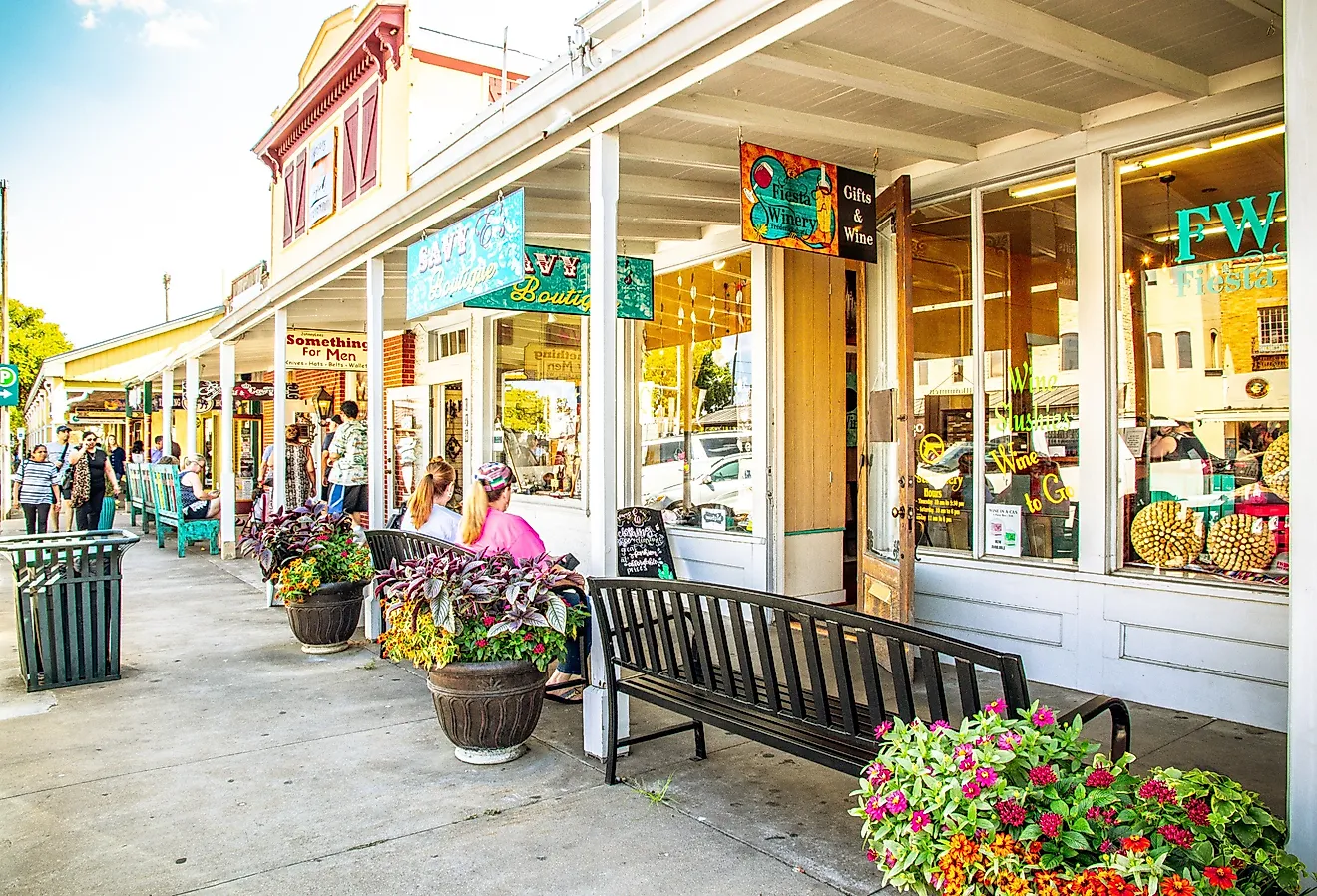
Old Town Cottonwood pours wine in buildings that once served miners and soldiers. The heart of Verde Valley wine country, its Main Street now packs more than 60 businesses into a 1920s streetscape that has seen a lot: founded in 1879 as a farming and supply hub for the miners in Jerome and the soldiers at Camp Verde, it ran through a rowdy stretch of gambling halls before the wineries and galleries moved in. The Clemenceau Heritage Museum, in the old Clemenceau School, tells the Verde Valley's story through Sinagua and Yavapai tools and a preserved mid-century classroom.
Just outside town, Dead Horse Ranch State Park holds a 20-mile trail system along the Verde River, some routes climbing into the high desert edge of Coconino National Forest. Arizona State Parks bought the land in 1973 and kept the name the original owners gave it, after a dead horse they had spotted while scouting the property. Its spot between Flagstaff, Phoenix, and Prescott makes it an easy base for the valley.
An Arizona Beyond the Canyon
Turquoise arches, a jail tree, a memorialized dead horse, and a movie set that has stood in for the Old West since before World War II: these nine towns hold the version of Arizona the Grand Canyon tour buses skip. You can pan for gold in a Jerome mine shaft, watch a staged shootout in Tombstone, and photograph the only turquoise McDonald's on the planet, all in one trip. The state's odder corners reward whoever is willing to leave the main highway.