Arizona's 8 Unsung Small Towns
Arizona's small towns are often overlooked and overshadowed by the draw of Phoenix, Scottsdale, and the Grand Canyon. Yet beyond the highways and well-trodden tourist paths lie communities that offer rich history, local festivals, exceptional food, and opportunities to encounter wildlife up close. From high desert vineyards to mountain-rimmed valleys, towns like Patagonia and Bisbee have distinct identities that reward those willing to explore. Visitors might stumble upon thriving art scenes, historic main streets, or migratory bird spectacles, as one finds in Willcox. While these places may go unsung and unnoticed by most, skipping these places means missing the depth and character that make Arizona more than its headline destinations.
Tubac

While other southern Arizona destinations chase scale and spectacle, Tubac has settled into something slower, about 45 minutes south of Tucson. This is Arizona's oldest European settlement, founded in 1752, and its art scene is what's really worth singing about. It's not a branding issue, either; it grew naturally once painters and sculptors began occupying old adobe buildings in the mid-century, and it's never really left. Over 100 shops and galleries, including K.

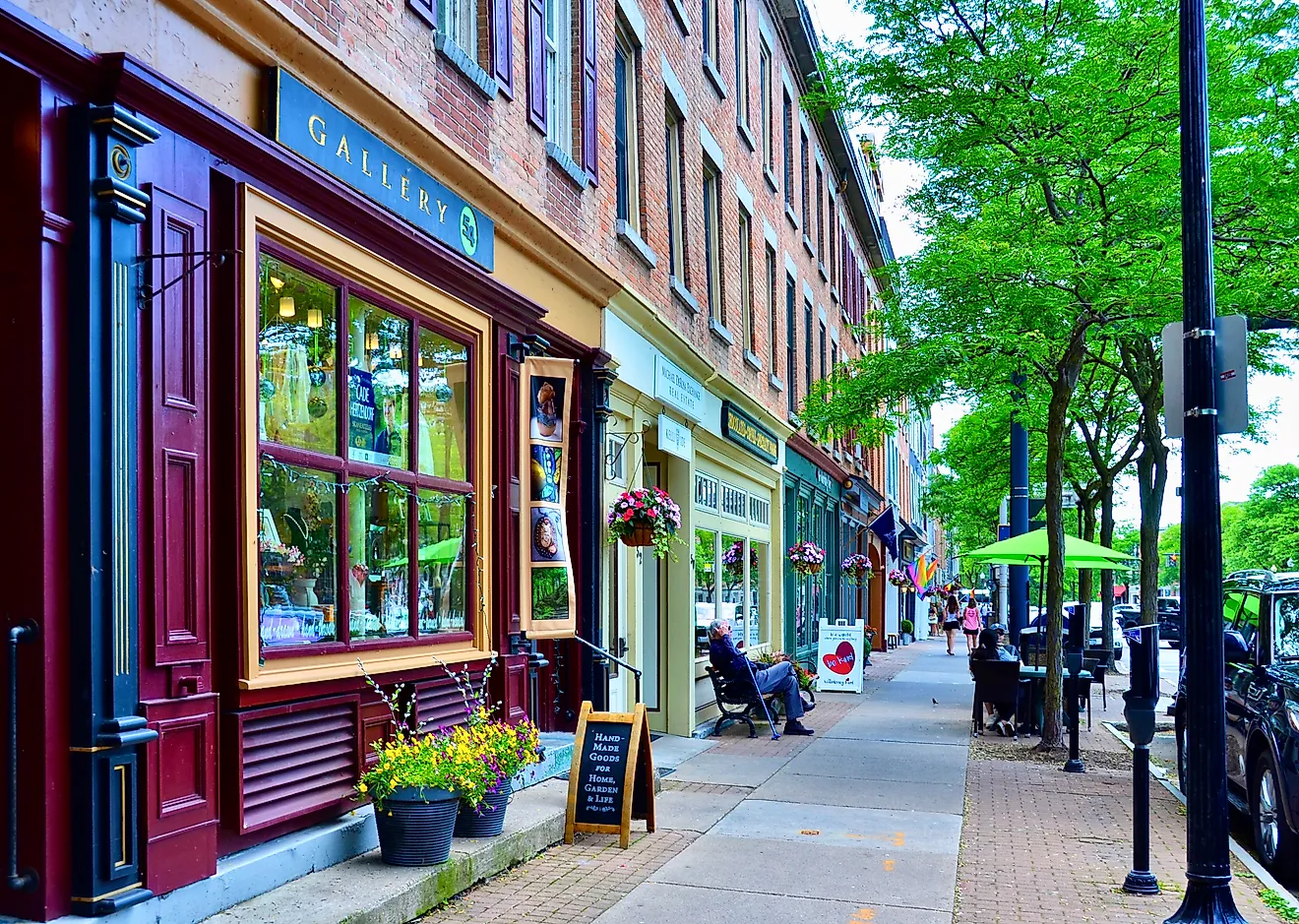
The Newby Gallery and Sculpture Garden are located in the courtyard complexes and historic buildings of the downtown area. The creative energy spills outward in February, when the long-running Tubac Festival of the Arts turns patios, lanes, and courtyards into exhibition space. The town, often overshadowed by its larger neighbors, stretches along the Santa Cruz River corridor, where the Juan Bautista de Anza National Historic Trail winds through cottonwoods and desert brush. On the edge of town, the Tubac Golf Resort sits on expansive grounds with stunning mountain views.
Camp Verde

There sure is a lot to do and see in Camp Verde, even if it doesn't make the top of most Arizona destination lists. The Verde River threads 18 miles through town, drawing wildlife watchers to blue herons and bald eagles, while Out of Africa Wildlife Park stages an African Bush Safari Tour where visitors can see rhinos, hyenas, and leopards up close. Montezuma Castle National Monument preserves the cliffside dwellings of the Sinagua people, featuring 20 rooms constructed to protect against seasonal floods.

Camp Verde's status as a Dark Sky Community means that nightfall brings spectacular views of the stars, unobstructed by city lights. Yet, Camp Verde still has a functioning town center. Main Street is quaint, featuring Astoria International Bistro, Wingfield Bread Company, and a host of other independent shops and eateries.
Jerome

Jerome climbs Cleopatra Hill at an angle that forces the town to stack itself vertically, stair by stair, balcony over balcony, above the Verde Valley. The grade is real, around 30 degrees in places, and it explains why buildings lean on stilts, why streets switch back on themselves, and why the old jail slid downhill during a landslide and never bothered turning. Copper built the place fast, loud, and crowded, then abandoned it just as completely when the mines shut down in the 1950s. What remained was a near-empty shell that artists quietly moved into decades later, keeping the town alive when almost no one else seemed to care.

That creative afterlife still defines Jerome today. Painters and jewelers work out of former miners' homes and storefronts, not galleries dropping in from elsewhere. The Spirit Room has been serving drinks since 1898, and at the top of the hill stands the Jerome Grand Hotel, which is impossible to miss due to its Spanish mission-style design and a legacy of hauntings. For something even spookier, visit the Gold King Mine Ghost Town, a deserted mining settlement from the early 20th century.
Bisbee

Once the copper capital that drove Arizona's economy, Bisbee has largely been bypassed since mining collapsed. The town rises from a narrow canyon in the Mule Mountains, close enough to the Mexican border that its streets feel shaped as much by Europe as by the Southwest. Color spills up the hillsides where houses stack along staircases overlooking a very walkable downtown area. Old brick buildings, which were once home to saloons and general stores, now feature diners like Cafe Roka and Le Cornucopia Cafe.

There are numerous heritage hotels in the neighborhood, too, including the Bisbee Grand Hotel and the Letson Loft Hotel. The town's 1,034 stairs (known as the "Bisbee 1000") are part of nine different staircases around downtown, which were initially built to help miners get to their homes. Now, they are a perfect 4.5-mile loop for those wanting to stretch their legs or participate in the annual Stair Climb event.
Ajo

Mining money built Ajo to look bigger, bolder, and far stranger than a desert town of its size had any right to be. The result is a perfectly planned Spanish Colonial plaza rising out of the Sonoran emptiness, arcades and symmetry intact, with almost nothing around it for miles. When the copper industry collapsed, the town neither sprawled nor reinvented itself. Instead, it stayed small, quiet, and a little defiant and thus did not attract large swaths of tourists or attention. The central plaza still dictates daily life, but now it's artists and small businesses, rather than miners or executives, using the space.

Art Under the Arches gallery operates from former company offices. At the same time, nearby alleys and walls feature large-scale murals left behind by the Ajo Street Art Project, which was painted directly onto buildings that were never slated for redevelopment. Ajo is also the closest community to the Organ Pipe Cactus National Monument, a 517-square-mile area of rugged terrain featuring 28 miles of paths to explore, showcasing the unique plants that gave the park its name.
Cottonwood

Cottonwood doesn't behave like a typical wine town, considering its proximity to Sedona. Instead of being swallowed by red-rock hype, it keeps its attention locked on Old Town, where Main Street runs tight and walkable through early brick buildings, tasting rooms, and performance spaces. The Verde River curves nearby, and the Mingus Mountains rise to the south and west.

Nine tasting rooms operate right in Old Town as part of the Verde Valley Wine Trail, including Arizona Stronghold Vineyards and Merkin Vineyards' Osteria, turning former storefronts into serious wine stops. Dead Horse Ranch State Park begins just north of downtown, with lagoons, river access, and trail loops. Annual events like Walkin' on Main shut down the street and part of the Old Town area entirely for art and food, offering a lower-key atmosphere than anything you'd find in the nearby and far more popular Sedona.
Patagonia

Barely 20 miles from the Mexican border, where the desert meets the mountains, is the town of Patagonia. It's okay if you've never heard of it; unless you're a birdwatcher, it's not really on many people's radars. However, those seeking birds descend on the town year-round, drawn to the Paton Center for Hummingbirds on Pennsylvania Avenue, where feeders attract hundreds of species and rare visitors, such as the violet-crowned hummingbird.

Birdwatchers also flock to The Nature Conservancy's Patagonia-Sonoita Creek Preserve and Patagonia Lake State Park; the latter also offers opportunities for fishing, canoeing, and camping lakeside along its 265-acre reservoir. Patagonia's main street keeps mining-era bones visible, with the 1900s railroad depot now serving as a visitors center. Nearby green spaces along the main drag, such as Richardson Park and the Butterfly Garden, provide everyone with a chance to stretch their legs after a pizza at Velvet Elvis at La Mision.
Willcox

Willcox is barely an hour east of Tucson, tucked in the Sulphur Springs Valley at 4,200 feet. The desert air here is ideal for producing 74% of Arizona's wine grapes, and over a dozen wineries surround the town, from Keeling Schafer Vineyards to Zarpara Vineyards. However, due to the town's unassuming nature and its status as a pit stop along the highway to Tucson, it often goes somewhat unnoticed. This is with a couple of exceptions, especially during the winter when the surrounding desert and dry lake beds turn into one of North America's most dramatic birding spectacles.

The annual Wings Over Willcox event brings together these enthusiasts for seminars, bird-watching events, and celebrations. Chiricahua National Monument sits just east of town (about 36 minutes away) with hoodoos and forested trails ready for exploration. In the city itself, Cochise Lake offers year-round ways of relaxing in nature with the Twin Lakes Golf Course right beside it.
The most unsung Arizona towns offer layers of culture, flavor, and history that are often overlooked in favor of famous stops. Small spots like Camp Verde and Cottonwood preserve traditions, showcase local cuisine, and host annual events that feel both authentic and a little rare. Exploring these towns reminds travelers that Arizona's appeal extends well beyond its most visited corners. By venturing into overlooked communities like Ajo and Jerome, one encounters a very different side of the state that is worth experiencing.