9 Of The Most Adorable Small Towns In Florida
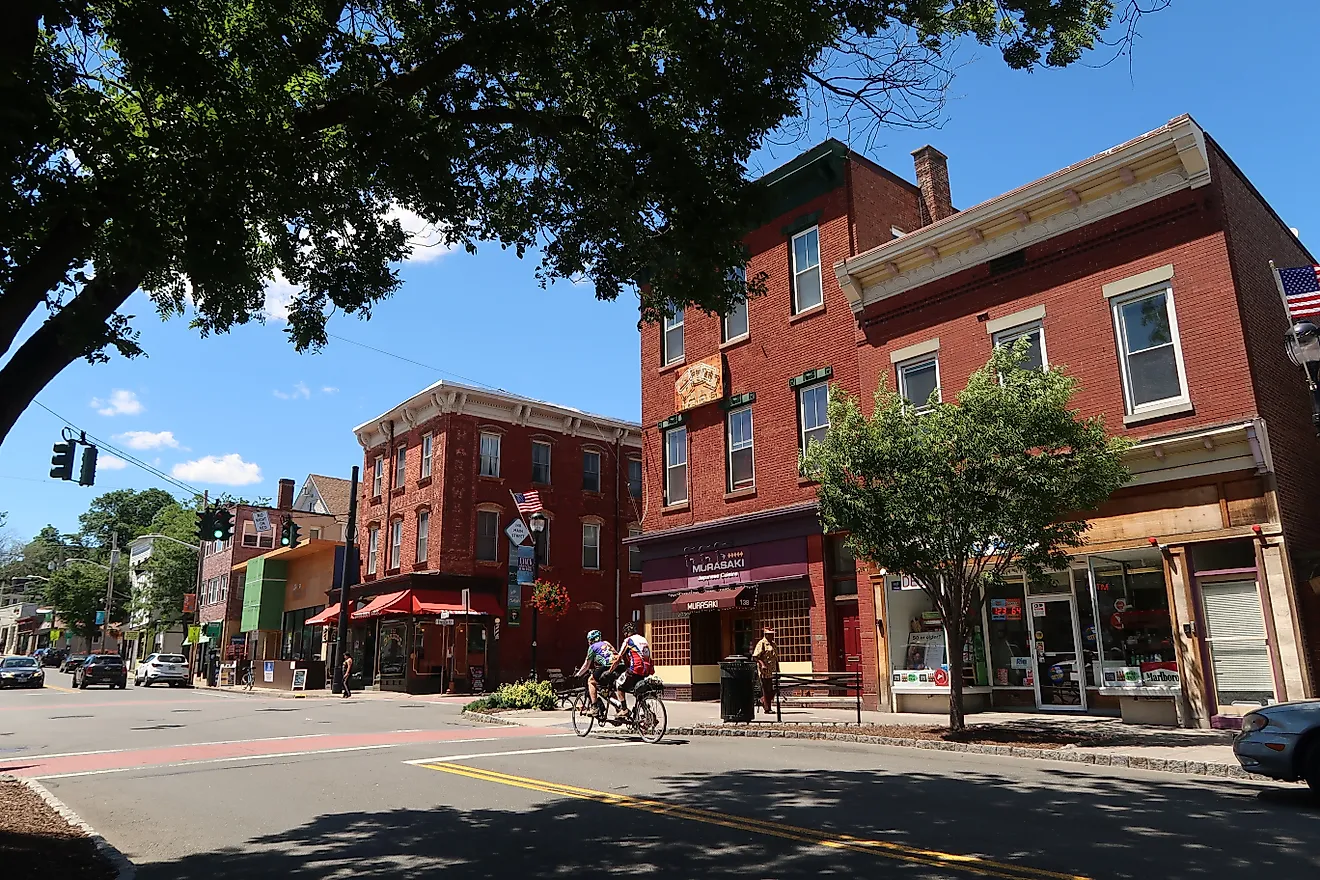
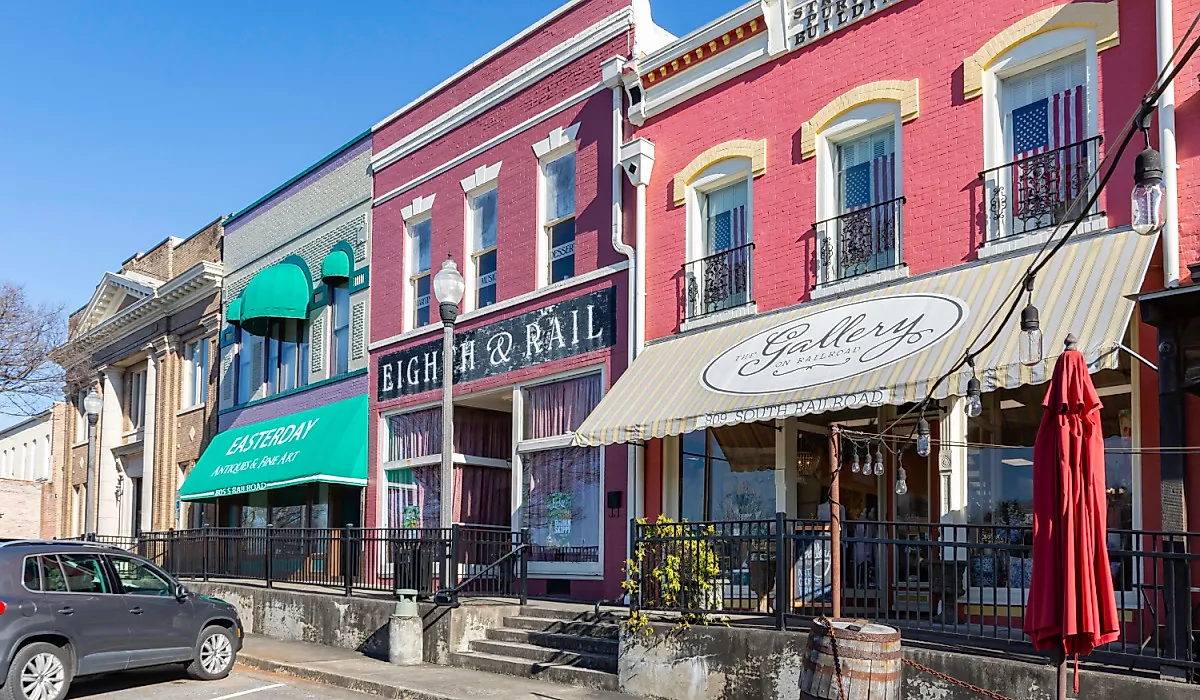
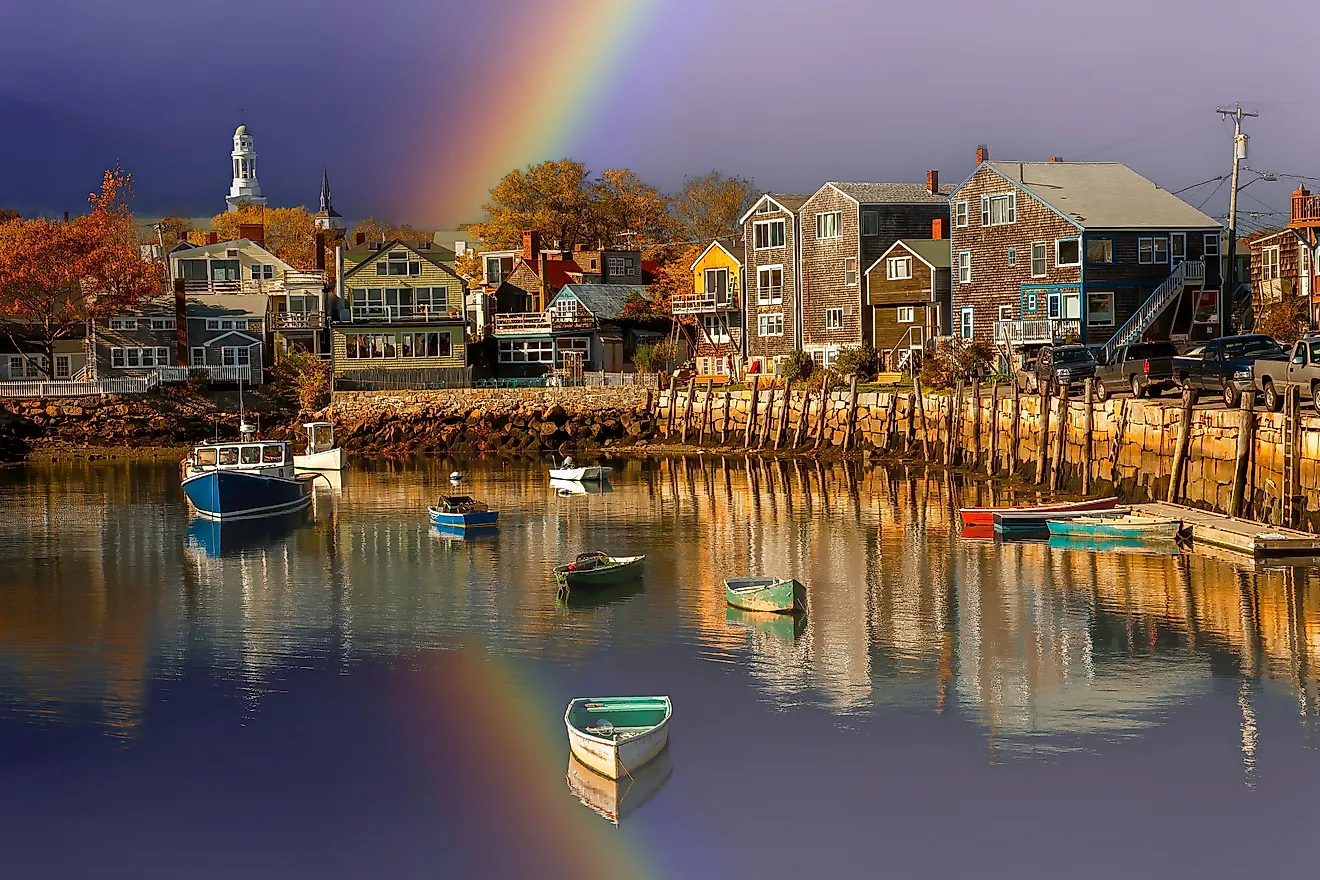
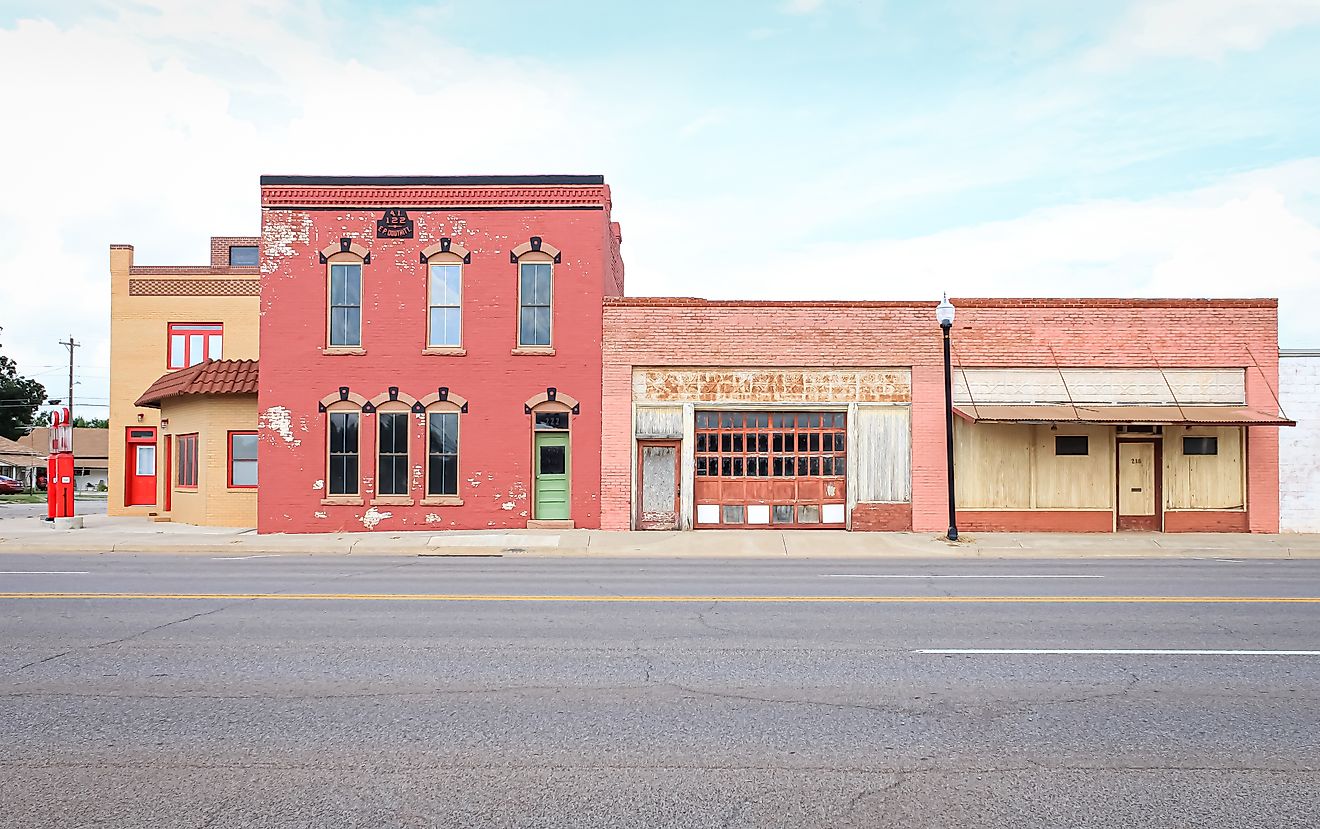
Florida’s most adorable towns come with surprises, including underwater mermaid shows at Weeki Wachee that date to 1947. Brooksville sits a short drive east, close enough for an easy morning trip before lunch at Florida Cracker Kitchen. Micanopy preserves Florida’s oldest inland downtown, while nearby Paynes Prairie adds bison and wild horses. Apalachicola still sends shrimp boats into the bay beside streets lined with 19th-century architecture. Cedar Key brings local clams to the Gulf waterfront. Across these small towns, an afternoon on foot reveals a quieter and more playful side of Florida.
Apalachicola

Apalachicola, the seat of Franklin County, is set on Apalachicola Bay, where the river of the same name reaches the Gulf. This waterside spot is known for its 19th-century architecture, and one especially notable example stands at the Orman House Historic State Park. The Orman House carries a hard history, since men and women were enslaved on the property. Today, it operates as an educational site, with tours of the house and walking trails across the surrounding grounds.
To take in Apalachicola's historic grandeur overnight, check in to the Majestic Jewel Inn of Apalachicola. Built in 1908 as a private home for the Flatauer family, it sat dark for years before reopening in 2017 as an inn with seven suites. Then stop by the Up the Creek Raw Bar for dinner, where guests can eat on the deck above the water and order Florida seafood specials like fried grouper and shrimp tacos.
Brooksville

Who wouldn't want to see a real-life mermaid? Visitors to Brooksville can do just that with a short drive west to Weeki Wachee Springs State Park, one of the state's legendary roadside landmarks. Performers have staged underwater shows in the spring since 1947, and the show is still the main event. The park also runs kayaking, paddleboarding, and swimming at Buccaneer Bay Water Park.
Back in Brooksville itself, make some four-legged friends at Boyett's Grove and Citrus Attraction, a 1960s fruit stand on a hilltop along Spring Lake Highway that has grown well past fruit. Guests now feed a camel and a pen of goats, pan for gold in a dinosaur cave, and play eighteen holes of indoor mini-golf before finishing at the ice cream counter. Afterward, stop for something to eat at the Florida Cracker Kitchen, which serves breakfast and lunch built on southern staples like shrimp and grits.
Cedar Key

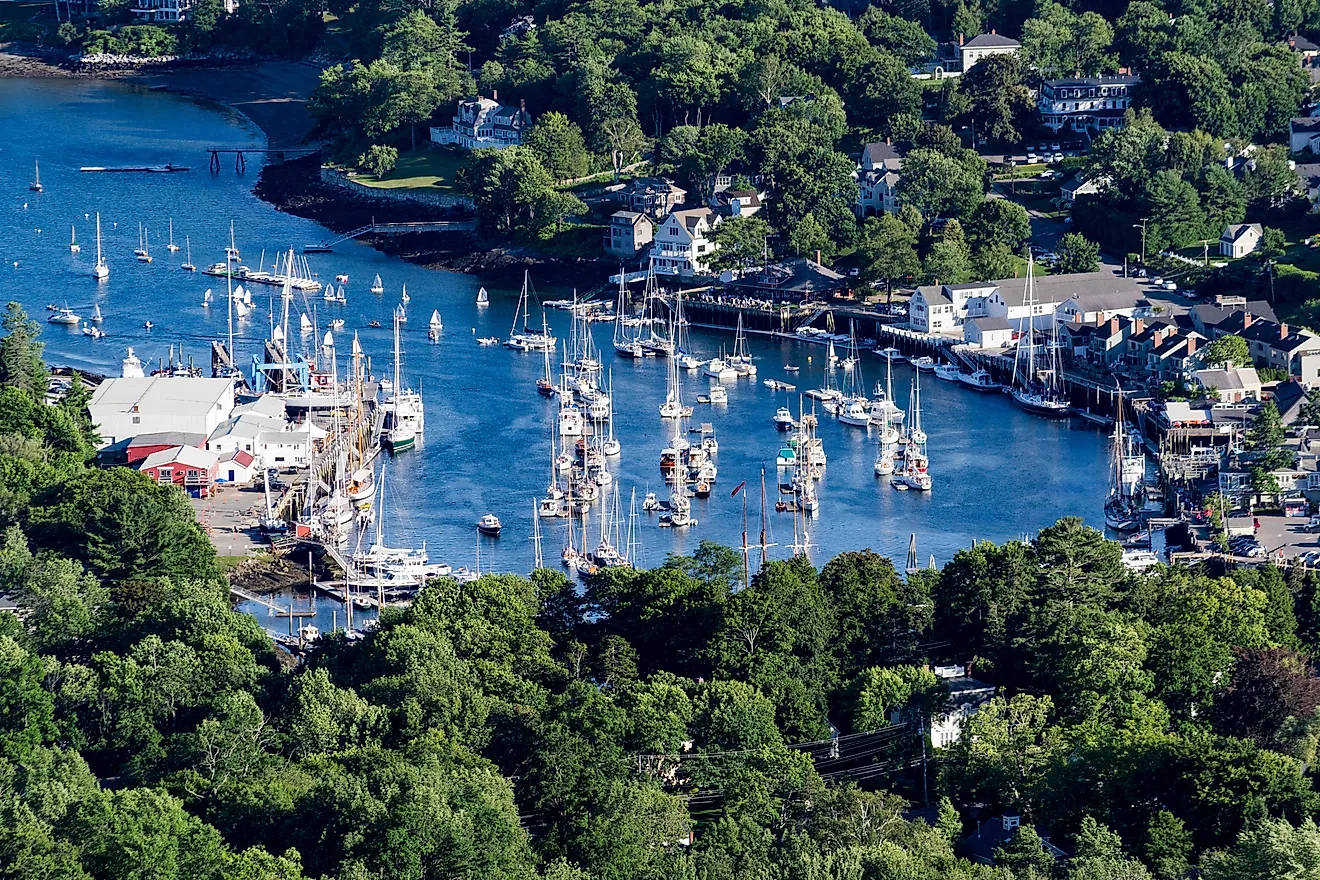
Set off Florida's northern Gulf Coast, Cedar Key is an island and a city both at once. Visitors notice the water that surrounds the town first, then the historic, sun-weathered wooden buildings downtown. The Cedar Key Historical Society Museum keeps the record of the years when local cedar went north to the pencil mills and the town shipped oysters, sponges, and salt.
Hurricane Helene tore up Dock Street in September 2024, weeks after a fire took part of the same block, and the waterfront is still being rebuilt. Steamers Clam Bar and Grill now shares a building with the 2nd Street Cafe, a few blocks inland, where it still serves pots of local farmed clams and a starter of fried alligator. The beach and the fishing charters are running as usual, whether the plan is sunbathing, swimming, or a morning out on the water.
Everglades City

Can an alligator ever be adorable? While that's debatable, Everglades City certainly is, sitting at the northwest gateway to Everglades National Park with a few hundred residents to its name. The town is home to the Museum of the Everglades, housed in a commercial laundry that opened in 1927. Its artifacts and exhibits chronicle 2,000 years of human and natural history in the Everglades.
After the museum, visitors can get out into the water with Captain Jack's Airboat Tours, which run through the mangrove creeks and sawgrass along this stretch of coastline. Finish the day at the Gator Hole Bar on Copeland Avenue, where the seating sits under an open-sided chickee hut beside the Diving Pelican. Karaoke takes place on Friday nights, live bands take place on Saturdays, and there are pool tables and darts for everyone else.
Fernandina Beach

The seat of Nassau County, Fernandina Beach, sits on Amelia Island on Florida's Atlantic coast. Its historic district covers about 50 blocks of Victorian architecture. The town also calls itself the birthplace of the modern American shrimping industry, and the shrimp caught off its shores still turn up on menus all over the island. Visitors should make sure to see the Amelia Island Lighthouse, built in 1838 from bricks salvaged from an older tower on Cumberland Island, making it the oldest standing lighthouse in Florida. The grounds are open to the public on Saturdays, and interior tours are offered on the first and third Wednesdays of each month by advance registration.
Afterward, splurge on an extravagant meal at Salt at The Ritz-Carlton, Amelia Island. The seafood restaurant holds an AAA Five Diamond award and was the first to make the statewide Michelin Guide Florida selection in 2026, and its chef's tasting menu is the reason to book ahead. Then relax for the evening at Sea Cottages of Amelia, a group of colorful cabins for rent along a wooden boardwalk, with nautical decor throughout and disability-accessible options.
Micanopy

South of Gainesville, tiny Micanopy is the oldest inland town in Florida. It was settled in 1821, holds fewer than 700 residents, and still goes by the nickname the Town That Time Forgot. Learn about that history at the Micanopy Historical Society Museum, which houses the local archives and a collection of artifacts, including a cashier's cage from a historic general store. The rest of the afternoon belongs to Cholokka Boulevard, where a couple of dozen antique shops and galleries fill the 19th-century storefronts.
Visitors to Micanopy can also spot some fluffy Floridian wildlife at Paynes Prairie Preserve State Park, immediately north of town, and the first state preserve Florida ever established. Full-time residents of the park include deer, bison, and even wild horses, as well as a diverse range of bird species and the famous Florida alligators. After working up an appetite exploring the park, head to Pearl Country Store and Barbecue. The counter runs out of a working country store, and the order to make is smoked pork or beef brisket with banana pudding for dessert.
Mount Dora

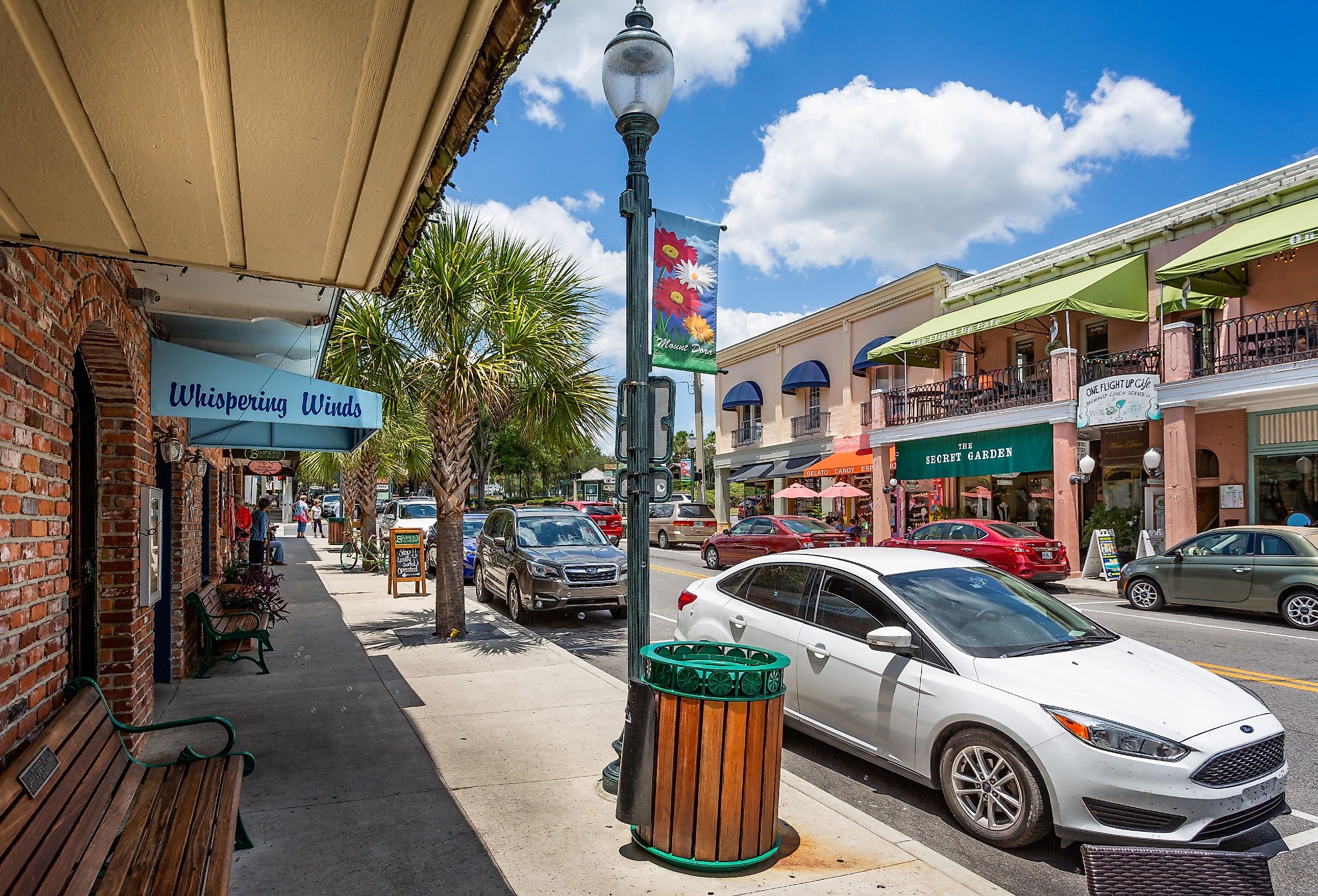
Mount Dora sits on high ground above Lake Dora, and the whole downtown fits on the hill. The Modernism Museum opened here in 2013 and shows modernist art, craft, and functional design across a set of galleries on Fourth Avenue, Thursday through Sunday. A few blocks in any direction turn up the independent shops that keep the district busy on weekends.
Visitors looking for something unique to take home should head to Renninger's twin markets, the Antique Center and the Flea and Farmer's Market. The two spread across 117 acres of oak-shaded land east of downtown, with more than 180 dealer booths under one air-conditioned roof on the antiques side and several hundred more on the flea market side each weekend. Speaking of taste, get something to eat at the Goblin Market. This isn't an actual market; it's a restaurant serving creative international cuisine in three book-lined dining rooms, and it has been a Mount Dora favorite since 1996.
Sebring

The seat of Highlands County, Sebring, is the home of Highlands Hammock State Park, one of the first four parks in the Florida system and still one of its most ecologically diverse. Gopher tortoises turn up along the trails, wading birds work the swamp edges, and the old-growth hammock holds live oaks that predate the town by centuries. The park also houses a museum on the Civilian Conservation Corps, whose crews cut most of its original trails and boardwalks in the 1930s. Sebring's other claim is considerably louder: the 12 Hours of Sebring endurance race has run on the old airfield circuit east of town since 1952.
After a long walk in the park, mosey on down to the Cowpoke's Watering Hole, a local favorite with steak specialties and casual decor that includes a taxidermied alligator. Then check in for the night at the historic Roanoke Hotel, which has stood on Circle Park since 1917 and reopened in late 2025 after a restoration. It offers ten rooms and a second-floor balcony over the circle, the same downtown ring that HGTV's Hometown Takeover rebuilt.
St. Augustine

The location of St. Augustine may say Florida, but the architecture says historic Spain. Founded in 1565, it is the oldest continuously occupied European-established settlement in the continental United States. Visitors can walk into one of the country's oldest fortifications at the Castillo de San Marcos, built of coquina between 1672 and 1695 and now the oldest masonry fort in the continental US. The National Park Service manages the site and runs living history events on the grounds.
For a mix of history and culture, visit the Lightner Museum, housed in the former Hotel Alcazar that Henry Flagler built in 1888. Its collection walks visitors through the art and design of the Gilded Age and the decades on either side. After a visit, get a taste of St. Augustine at the Columbia Restaurant, whose St. Augustine location opened in 1983 and serves Spanish and Cuban cuisine in tiled dining rooms.
Picking One For The Weekend
Florida’s quieter towns move at different speeds. Apalachicola, Cedar Key, Everglades City, and Fernandina Beach invite an overnight by the water, especially when boats and fishing charters leave early. Micanopy, Brooksville, and Mount Dora fit neatly into a day trip with compact centers and nearby stops. Sebring can turn a race weekend into a full itinerary. St. Augustine does the same with a fort whose construction began more than 350 years ago. However long the stay, each town offers a version of Florida worth slowing down for.