9 Eclectic Small Towns In New Jersey
New Jersey's most eclectic small towns show off their quirks. Take Deal, where Sephardic synagogues and kosher bakeries line a single shore mile. Princeton grew up around a 1746 university and still has the house where Einstein spent his last years. Collingswood crowded one avenue with Lebanese, Mexican, and Italian kitchens. Frenchtown answers to a name a French-speaking Swiss settler left on the Delaware in the 1700s. Each one of these towns is more distinctive and memorable than the last.
Spring Lake

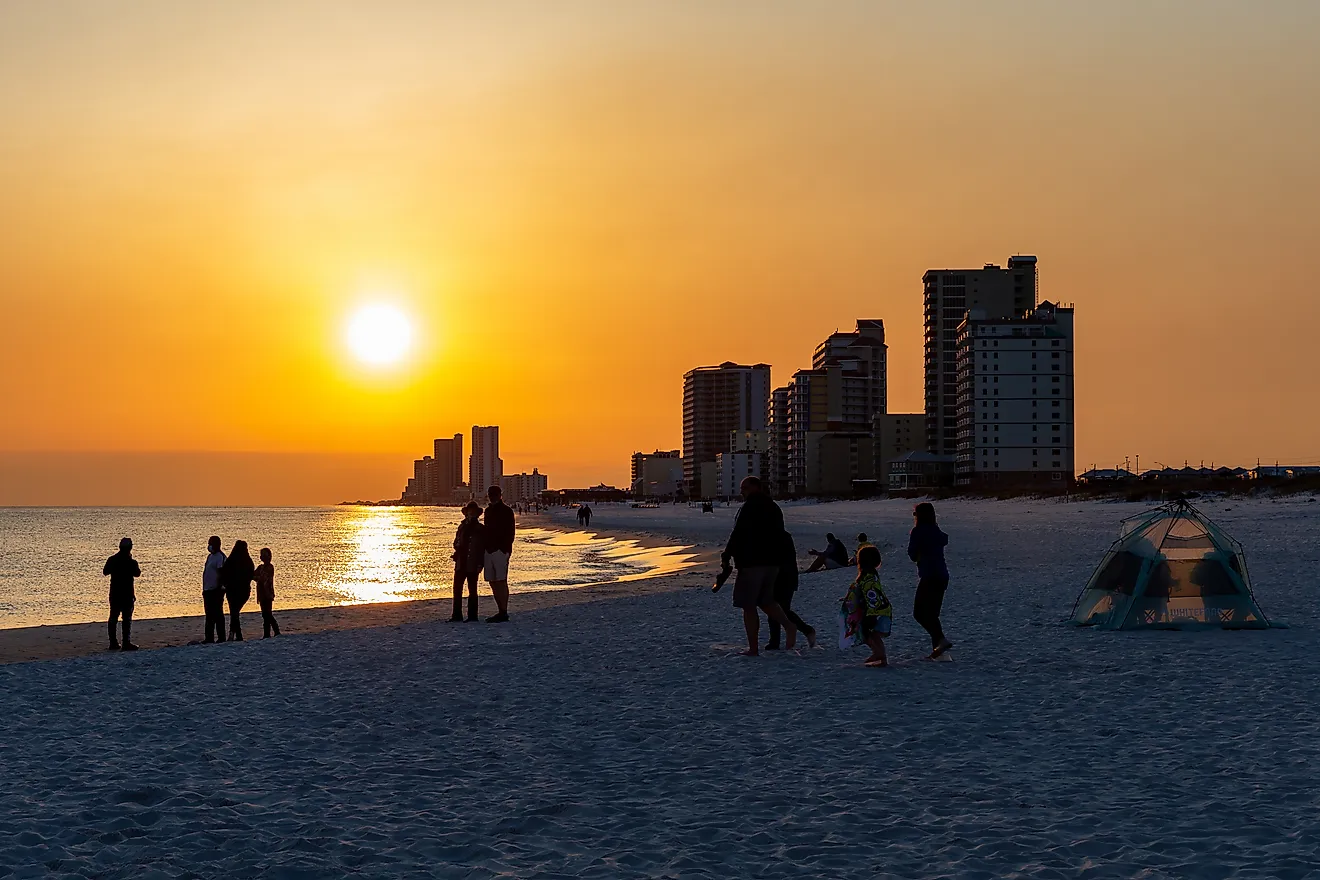
Spring Lake banned commerce from its boardwalk. Two miles of boards stretch past Victorian cottages, not arcades. The rule has held since the 1880s. About 2,700 people live here in Monmouth County. Gilded-age summer cottages still line Ocean Avenue.
The 1896 Sea Girt Lighthouse stands just south in neighboring Sea Girt. The 1898 Martin Maloney Cottage made the National Register. Amelia's By the Sea and The Sea Crest Grille serve seafood with ocean views. Neither leans on tourist-trap markup.
Collingswood

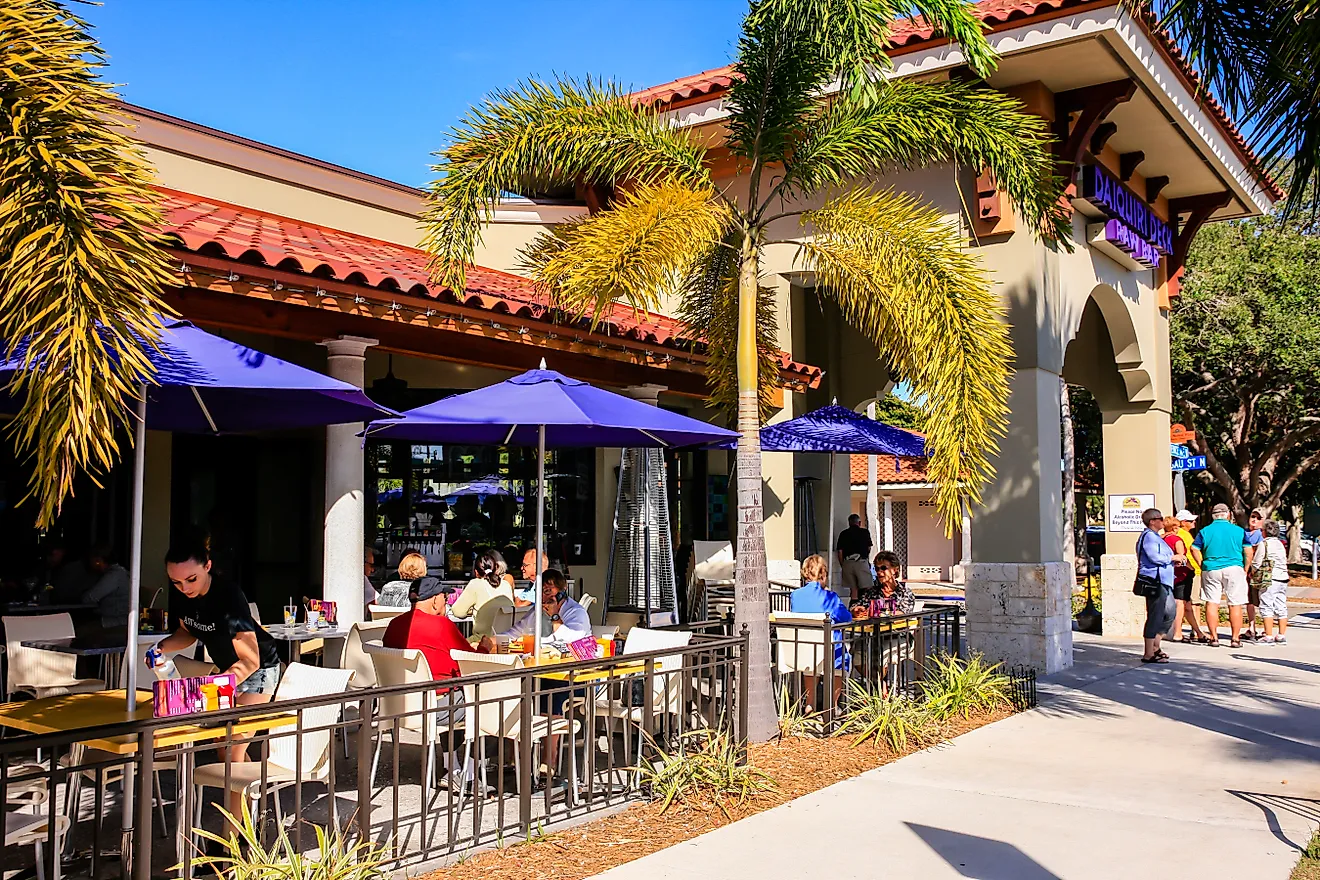
Collingswood put a row of global kitchens on Haddon Avenue. Lebanese, Indian, and Mexican spots share a few blocks. You can cover all three on foot. European colonists settled the borough in the 1680s. It incorporated in the 1880s and now counts around 14,000 people.
The Downtown Historic District ties the old town together. The 1754 Thackara House, the 1820s Collings Knight Homestead, and the 1760s Stokes Lees House all made the National Register. The three stand within an easy walk. Wander Boutique and Odd Folk Clothing slot in between the restaurants. The retail mix beats suburban sameness.
Princeton

Princeton grew up around Princeton University, founded in 1746. The school ranks among the country's nine colonial colleges. Nassau Street and Witherspoon Street fold the campus crowd into the local one. About 30,000 people call this Mercer County town home.
Historic markers pile up downtown. The 1773 Tusculum estate, the 1856 Westland Mansion, and the 1870 Trinity Church all made the National Register. The Albert Einstein House stands two blocks off Mercer Street. The physicist lived there from 1936 until his death in 1955. The Princeton University Art Museum reopened in 2025 after a five-year rebuild. Its collection spans European, Latin American, and African work.
Deal

Deal centers on a Sephardic Jewish community. About 80 percent of year-round residents are Sephardic. The town counts under 900 people in winter. Summer doubles or triples that. Synagogues, kosher bakeries, and delis cluster within a few blocks.
Deal started as a beachside community in the late 1890s. Victorian-era homes line its inland streets. The beach pulls families through Labor Day. Congregations like Shaare Zion and Magen David ground daily life.
Allentown

Allentown borders working farmland on every side. Wineries, fields, and weathered barns spread out near the center. About 1,700 people live in this western Monmouth County borough.
The historic core rewards walkers. The 1855 Allentown Mill, the 1837 Presbyterian Church, and the 1790s John Imlay House all made the National Register. Woody's Towne Café and Ivy on Main cover lunch and coffee.
Lambertville

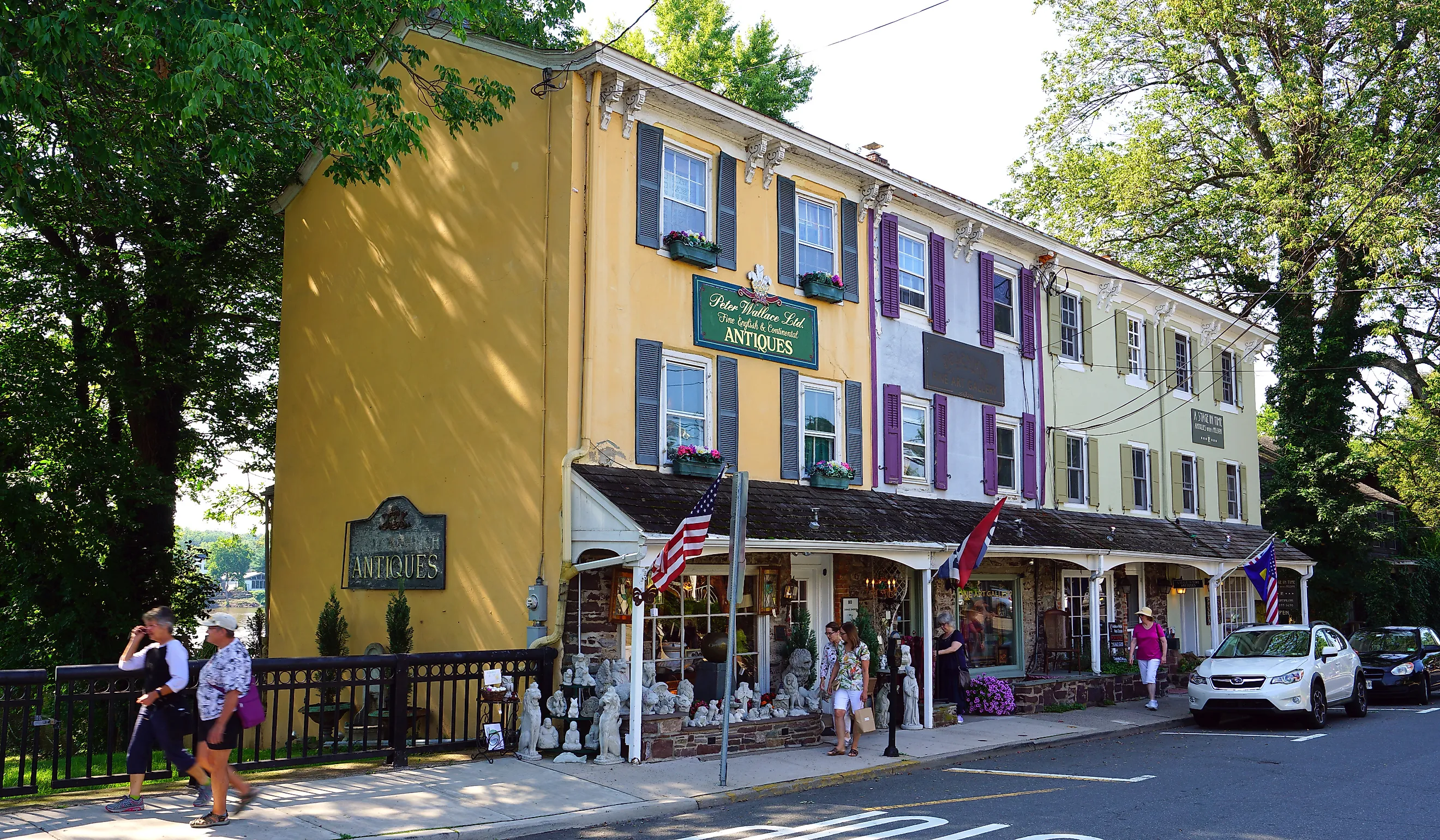
Lambertville calls itself New Jersey's antiquing capital. The Golden Nugget Antique Flea Market backs the claim. It has drawn pickers to River Road since 1967. A couple hundred dealers trade collectibles by the century. The town of just over 4,000 faces New Hope, Pennsylvania, across the Delaware River. A pedestrian-and-bike bridge links the two.
Its roots reach back to the mid-1700s. The 1812 Lambertville House and the 1816 Marshall House both made the National Register. Greek Revival and Victorian touches line the blocks. Cyclists and joggers work the Delaware and Raritan Canal towpath through fall foliage season.
Frenchtown

A French-speaking Swiss landowner gave Frenchtown its name. He bought the riverfront in the late 1700s. The borough incorporated in 1867. About 1,500 people live here in Hunterdon County. The Frenchtown Historic District covers about 100 acres. It carries more than 400 contributing buildings on the National Register.
Greek Revival, Italianate, and Federal storefronts survive in good shape. The Uhlerstown-Frenchtown Bridge crosses the Delaware into Pennsylvania. Two towpaths flank the river. The Delaware and Raritan Canal towpath follows the New Jersey bank. The Delaware Canal State Park towpath follows the Pennsylvania side. Both start right in town.
Chester

A working 1826 mill stands at the center of Chester. The Nathan Cooper Gristmill is the only restored water-powered mill in New Jersey. Retired General Nathan Cooper built it on the Black River. Costumed staff still grind grain for visitors. The Morris County borough counts just over 7,700 residents across Chester Borough and Chester Township.
Hacklebarney State Park spreads over more than 1,000 acres just west of town. Trails follow a Black River gorge past good hiking and fishing. Chubb Park covers the daily-walk crowd closer in. The Old Mill Tavern handles dinner. The Midnight Owl gift shops add an off-chain streak to the retail strip.
Allenhurst

Allenhurst fits about 400 historic homes into a few walkable blocks. The Allenhurst Residential Historic District carries the whole stretch on the National Register. Victorian and early-20th-century designs survive block by block. The town began as a beach colony in the 1890s.
Under 500 people live here year-round in Monmouth County. Deal Lake borders one side. The Atlantic borders the other. Tight zoning makes for a slow pace. Deal Lake Bar and Co and The Butcher's Steakhouse serve dinner without the summer-resort markup.
Each Town Plays Its Own Hand
Spring Lake guards two miles of boardwalk without a single arcade in sight. Lambertville trades in two centuries of other people's cast-off treasures. Chester turns on a working mill that has ground grain since 1826. Allenhurst fits an entire historic district into a few walkable blocks. Allentown leans on farm country just minutes from its old downtown mill. None of these towns copies the one down the road. New Jersey gets flattened to turnpike exits and shore traffic too often. The real character lives in the small towns scattered between them.