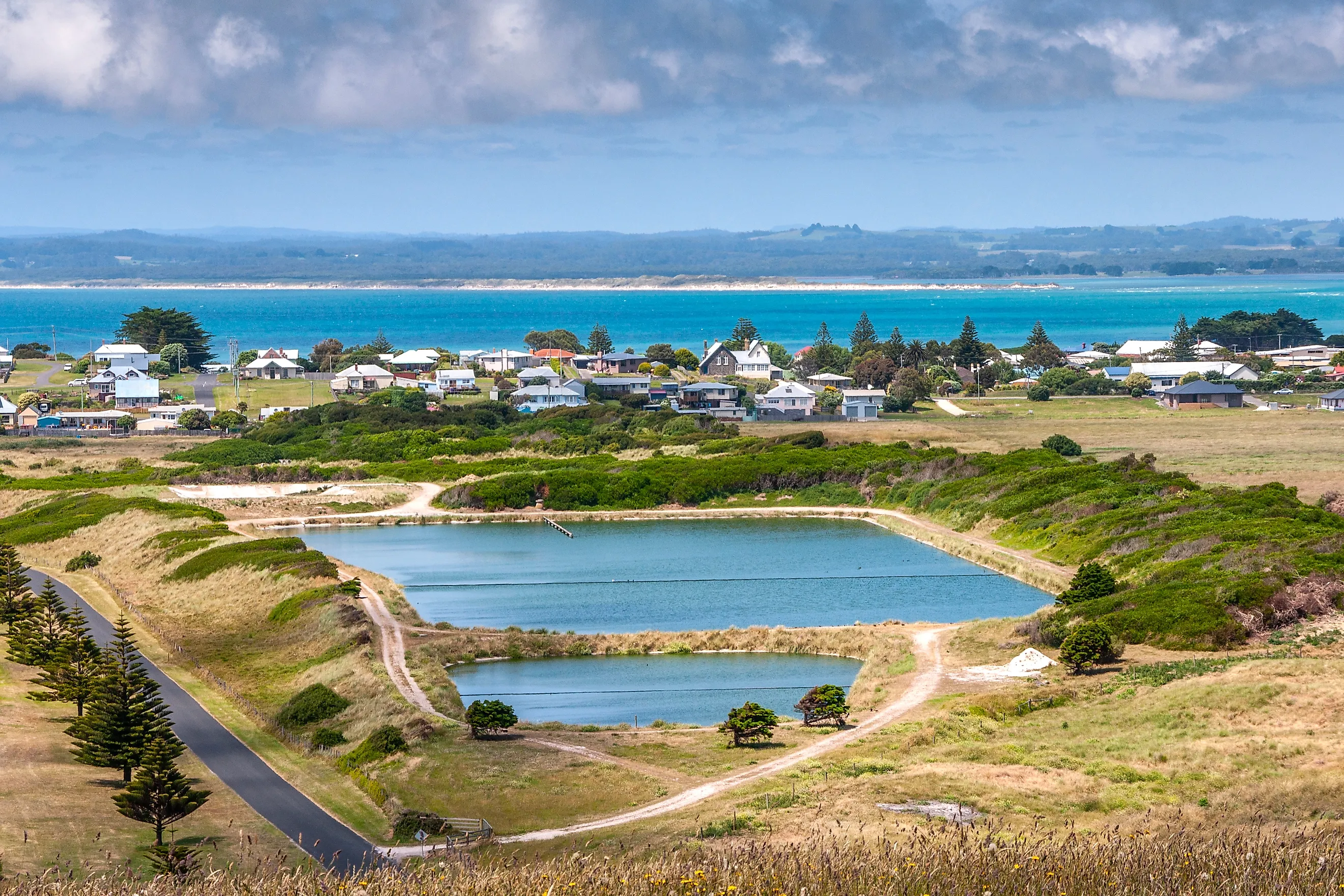
9 Best Small Towns To Retire In Tasmania
Tasmania’s relative isolation creates natural advantages for retirees willing to navigate island life. Across the island, housing costs sit below national averages, due to lower demand and a more balanced housing supply. Add on abundant scenery, history, and accessible infrastructure, and Tasmania's small towns become attractive retirement options, each with their own charms.In Cygnet, the pull is food, music, and the Huon Valley’s orchards. In Stanley and Strahan, it is the coast. Meanwhile, in Richmond and Deloraine, history remains a living aspect of the community. The following nine towns keep retirement close to walking trails, markets, and the kind of everyday beauty that makes for fulfilling daily life.
Cygnet

Cygnet sits about 50 minutes southwest of Hobart, near the head of Port Cygnet in the Huon Valley. It is a good fit for retirees who want a creative town without moving into a large city. The main street has cafés, small galleries, produce shops, and places where local makers sell ceramics, textiles, woodwork, and other handmade goods. The Cygnet Folk Festival brings musicians and visitors into town each January, giving the community one of the livelier arts calendars in southern Tasmania.
Daily recreation is gentle and close by. Retirees can walk near the waterfront at Port Cygnet, drive through the surrounding orchards, or visit nearby cideries and farm shops that keep the valley tied to its agricultural past. Hobart remains close enough for specialist appointments or airport runs, but Cygnet itself has the slower pace many people look for after work. Median home prices around $760,000 make it less affordable than some rural Tasmanian towns, but still appealing for those who want scenery, food, and community in the same place.
Richmond

Richmond is one of Tasmania’s strongest choices for retirees who want history built into daily life. The town sits about 30 minutes from Hobart and the airport, close enough for medical appointments, flights, and city errands, but far enough away to keep a village rhythm. Its best-known landmark is Richmond Bridge, a convict-built stone bridge from the 1820s that remains one of Australia’s most important early bridges. A morning walk across it is still one of the simplest pleasures in town.
The historic core gives Richmond much of its retirement appeal. Old Hobart Town recreates the early colonial capital in miniature, Richmond Gaol tells the harder story of convict-era Tasmania, and Richmond Bakery keeps the main street active through the day. Around town, Coal River Valley wineries and distilleries add another easy outing for residents and visiting family. Richmond is expensive by Tasmanian small-town standards, with median home prices near $1 million, but it offers rare access to history, countryside, and Hobart in one compact setting.
Stanley

Stanley sits on Tasmania’s northwest coast beneath The Nut, the flat-topped volcanic plug that rises above the town and Bass Strait. It is one of the island’s most photogenic retirement towns, but it is not only a pretty harbor. Stanley has a working fishing history, a small historic center, beaches, and enough visitor traffic to support cafés, shops, and local services without losing its village feel.
The Nut is the town’s natural anchor. Active retirees can climb the steep track to the top, while others can take the chairlift and still enjoy the coastal views. Highfield Historic Site, just outside town, preserves the early European settlement story of the region. Closer to the water, the fishing wharf, Godfreys Beach, and the old streets around Church Street give the town several easy ways to spend a day without driving far. With median home prices around $830,000, Stanley is not the cheapest place on the island, but it offers a strong mix of sea air, history, and low-key recreation.
Derby

Derby is best suited to retirees who want to stay active. The former mining town sits in northeastern Tasmania, surrounded by forested hills that have become one of Australia’s best-known mountain biking destinations. Blue Derby’s trail network is the main draw, but the town’s appeal goes beyond serious riders. The same landscape gives retirees access to forest walks, river scenery, short drives through the northeast, and a small village center with cafés and bike-friendly businesses.
Derby’s mining past still gives the town texture. Old buildings, tin-mining remnants, and the nearby Cascade Dam help explain why the settlement formed here in the first place. For a gentler day, residents can walk near the Ringarooma River, spend time at Lake Derby, or take visiting family toward the coast, which is less than an hour away. Median home prices around $640,000 make Derby relatively affordable compared with Hobart-area towns. It is not the right retirement spot for someone who wants a large medical hub next door, but for outdoor-minded retirees, it offers space, trails, and a strong sense of place.
Port Arthur

Would you like to live out your days in a UNESCO world heritage site? Port Arthur works best for retirees who want dramatic coastal scenery with one of Australia’s most important historic sites nearby. The Port Arthur Historic Site was a penal settlement from 1830 to 1877, and many of its surviving buildings still stand across the peninsula. The penitentiary, commandant’s house, asylum, hospital ruins, and Isle of the Dead all make the area feel different from a standard seaside town. History is not a side attraction here; it shapes the whole setting.
The natural surroundings add the other half of the appeal. Remarkable Cave, Tasman Arch, Devils Kitchen, and the sea cliffs of the Tasman Peninsula give residents several scenic outings within a short drive. The coastline also makes the area attractive for walking, photography, boating, and quiet days near the water. With median home prices around $485,000, the Port Arthur area is much more affordable than many better-known Tasmanian retirement towns. It suits retirees who want space, history, and coastal access more than a busy shopping strip.
Queenstown

Queenstown has one of the most unusual settings in Tasmania. The town sits in the island’s west, surrounded by rugged hills shaped by more than a century of mining. That industrial past left a landscape of bare slopes, orange rock, and sharp ridgelines around Mount Owen, giving Queenstown a look unlike the greener towns elsewhere on the island. For retirees who enjoy history, mountain scenery, and affordability, that difference is the attraction.
The West Coast Wilderness Railway is the town’s best-known experience, carrying passengers through rainforest, river valleys, and old mining country. The Galley Museum adds the local story, with exhibits on Queenstown’s mining families, sporting life, and west coast isolation. Outdoors, Spion Kop Lookout, Iron Blow Lookout, Horsetail Falls, and drives toward Franklin-Gordon Wild Rivers National Park give residents plenty to do without needing a beach town setting. Median home prices around $220,000 make Queenstown one of the most affordable retirement choices in Tasmania. It is remote, but for the right retiree, that remoteness is part of the reward.
Deloraine

Deloraine sits beside the Meander River, about 50 kilometres west of Launceston, with the Great Western Tiers rising beyond town. It is one of Tasmania’s best retirement choices for people who want a creative community in a rural setting. The main street has cafés, antique shops, galleries, and small stores that give the town more life than its size suggests. Each November, the Tasmanian Craft Fair brings artisans and visitors into Deloraine and reinforces its reputation as one of the island’s craft centers.
The town also works well for gentle recreation. The river walk is easy to reach from the center, while nearby trails lead toward the Great Western Tiers, Liffey Falls, and Mole Creek Karst National Park. The Deloraine and Districts Folk Museum gives the town a strong historic anchor, including local stories tied to farming, settlement, and textile work. Christmas Hills Raspberry Farm, just outside town, adds a simple food-focused outing for visiting family. With median home prices around $580,000, Deloraine offers a practical balance of affordability, community, and access to nature.
Strahan

Strahan sits on Macquarie Harbour on Tasmania’s west coast, where the town’s history, scenery, and daily life all point toward the water. It is a strong fit for retirees who want a coastal setting without the polish or prices of better-known east coast towns. The harbor, fishing boats, and old timber-and-mining stories give Strahan a working character, while the surrounding wilderness keeps it from feeling ordinary.
There is plenty to do without leaving the area. Gordon River cruises depart from town and take visitors into rainforest and mirror-still waterways. The West Coast Wilderness Railway links Strahan with Queenstown, making the journey itself part of the local appeal. Ocean Beach stretches along the coast nearby, while Henty Dunes offers a more dramatic landscape of sand and wind. Hogarth Falls, reached by an easy forest walk from People’s Park, gives retirees a low-impact outing close to town. Median home prices around $325,000 make Strahan one of the more affordable seaside options in Tasmania, especially for those who do not mind living far from the state’s larger cities.
Evandale

Evandale sits in northern Tasmania, a short drive from Launceston, and gives retirees a compact historic town with strong community life. Its Georgian streetscape is the main attraction, especially along High Street, where old buildings, small shops, and cafés give the town a settled, walkable feel. The Sunday Evandale Market brings in locals and visitors for produce, bric-a-brac, and conversation, making it one of the easiest ways for new residents to become part of town life.
The area also has a long connection to art and rural Tasmania. Nearby Clarendon Estate, one of the country’s grandest Georgian houses, adds a major historic outing close to town. The National Penny Farthing Championships, held in Evandale, give the village one of Tasmania’s more distinctive annual events. Retirees can also use Launceston for larger services while keeping home in a quieter setting. Median home prices around $766,000 put Evandale on the higher side, but the tradeoff is clear: heritage streets, countryside, and city access without living in the city itself.
Which Is Right For You?
Tasmania, with its varied landscapes, rich history and relaxed culture offers a wide selection of options for retirees seeking a quieter life. Cygnet and Deloraine lean toward arts, food, and community. Richmond and Port Arthur suit retirees who want history close enough to touch. Stanley and Strahan put the coast at the center of the week, while Derby is for those who want trails and an active outdoor culture. The right choice depends less on scenery alone than on the shape of everyday life. For some, that means a river walk and a market morning, and for others it may be a railway trip, or a beach close enough to visit when the weather turns kind.