9 Best Places To Call Home In California In 2026
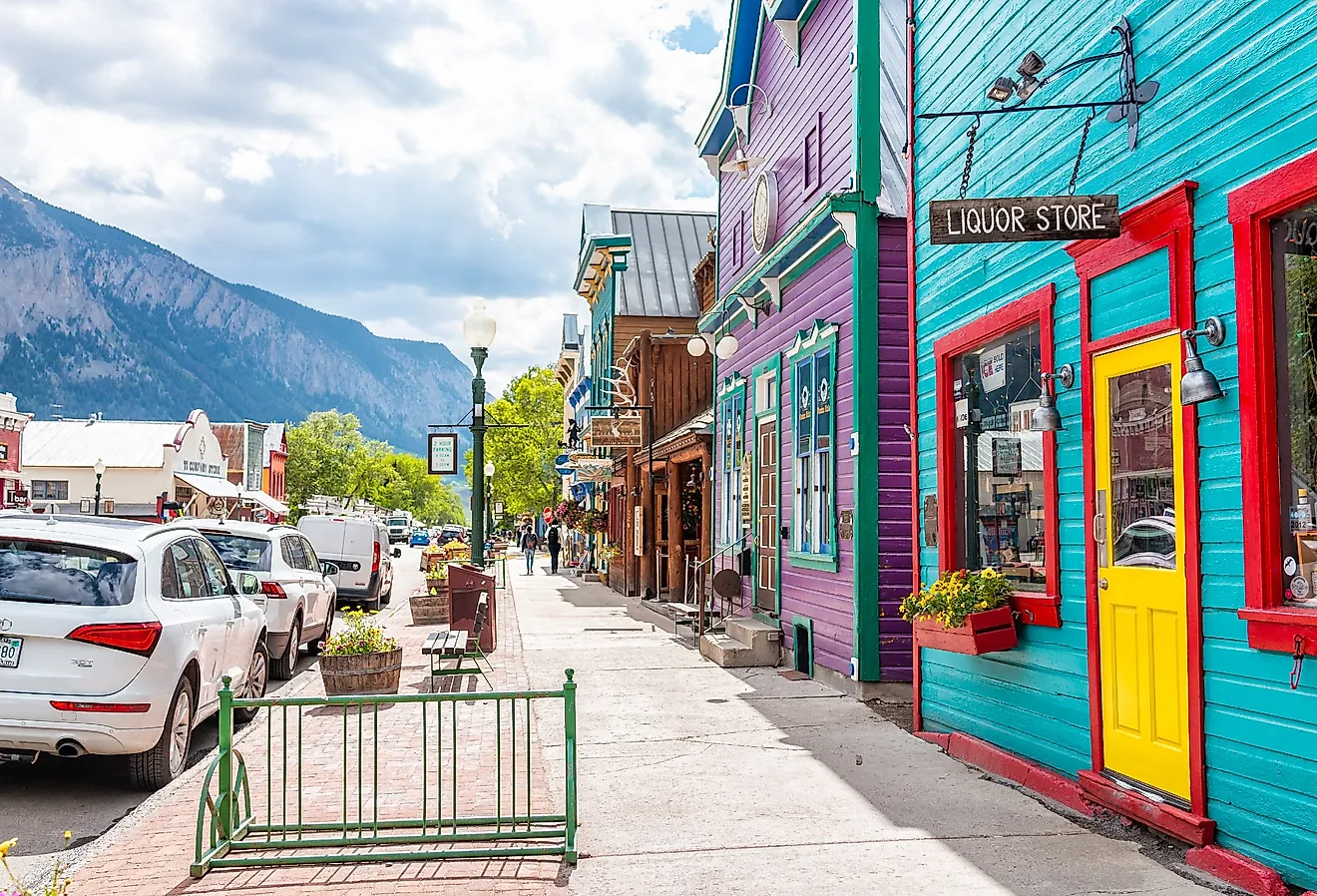
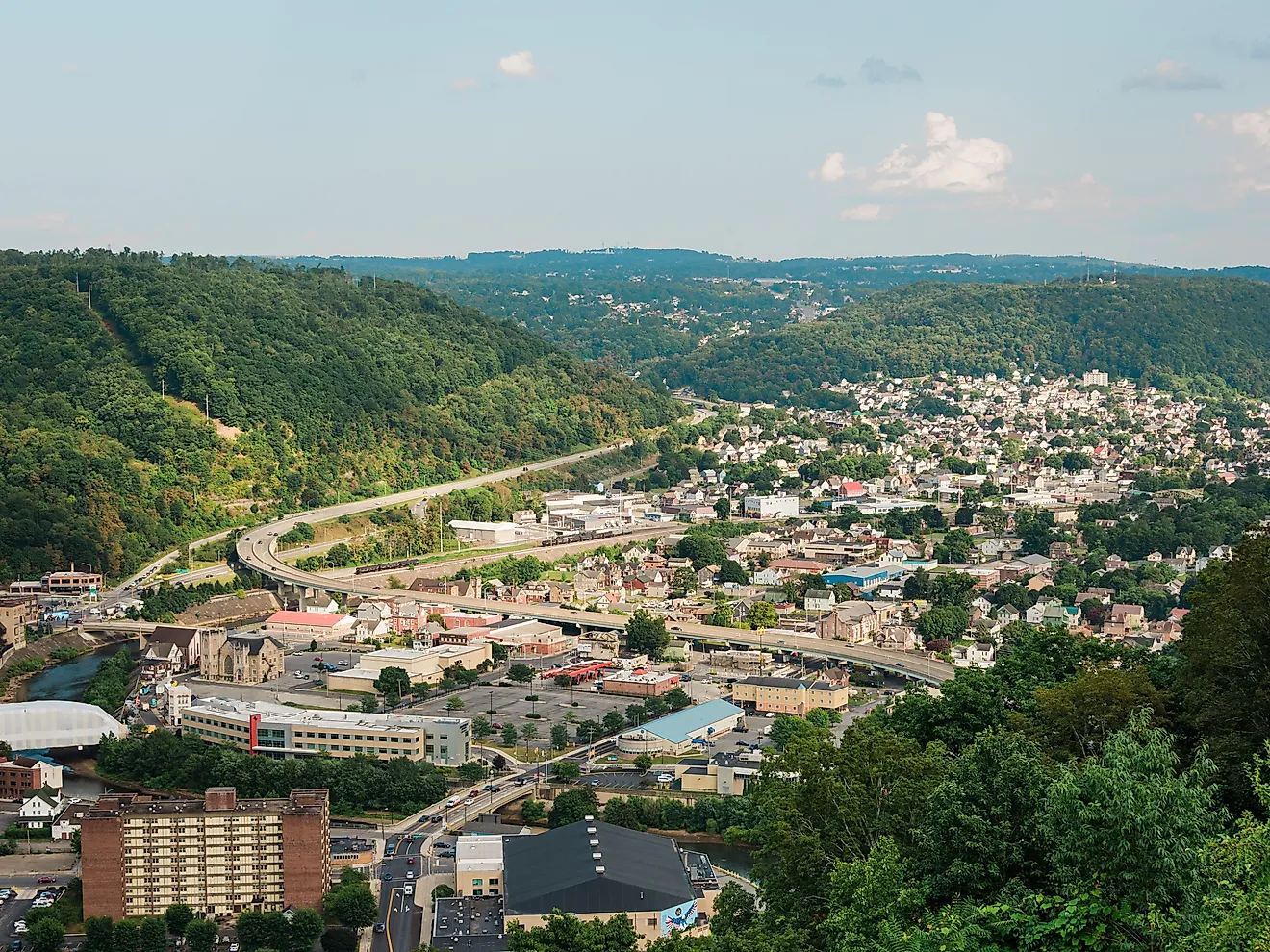
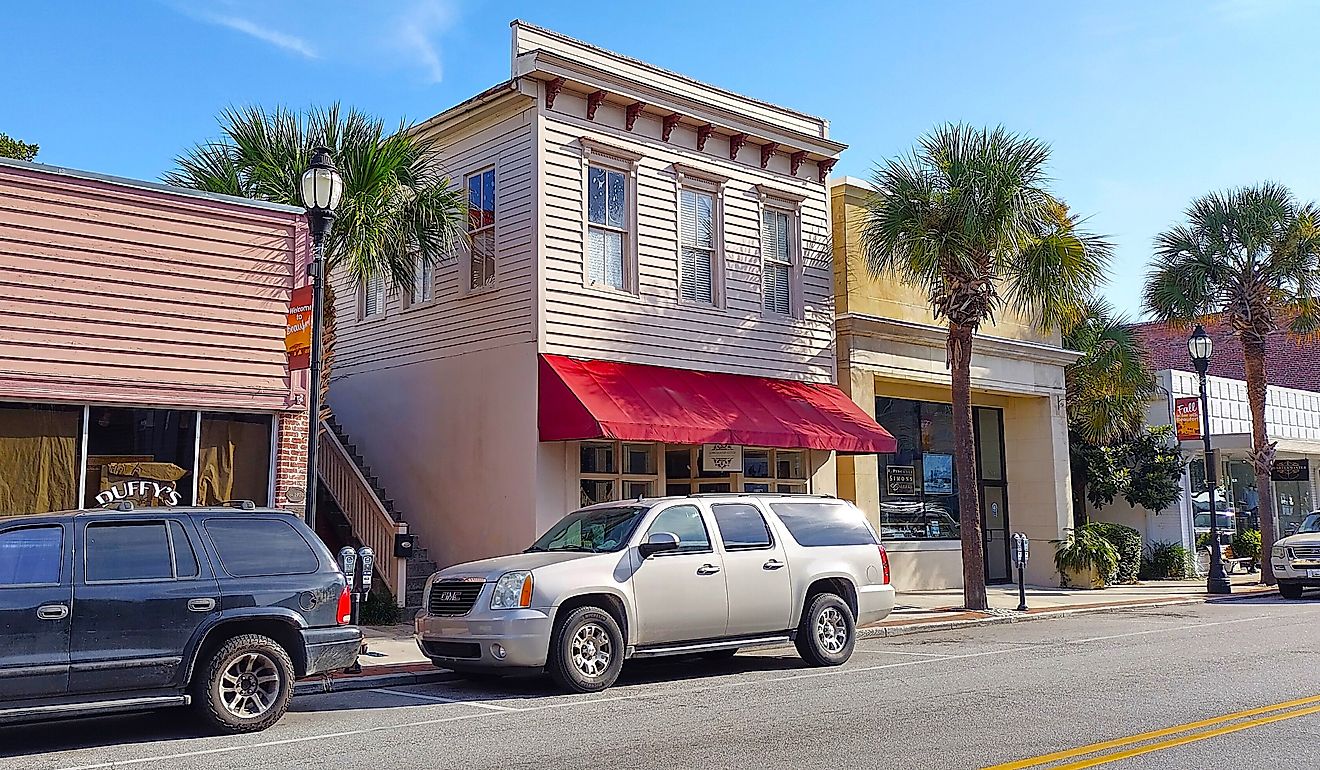
Inland and up north, California still has foothill courthouse towns built on Gold Rush money, high-desert railroad stops, and small main streets along the water. These nine towns range from the redwood North Coast to the Sierra goldfields to the shore of Clear Lake, one of the oldest lakes in North America. Prices run from $350,000 in Lakeport to $650,000 in Auburn. Some sit in river canyons, others in forest or up near a mountain pass. Each town has a downtown people actually use, a farmers market you can do your weekly shopping at, and a trail close enough to hike before breakfast. Here's a look at all nine of the best places to settle down in California in 2026.
Lakeport

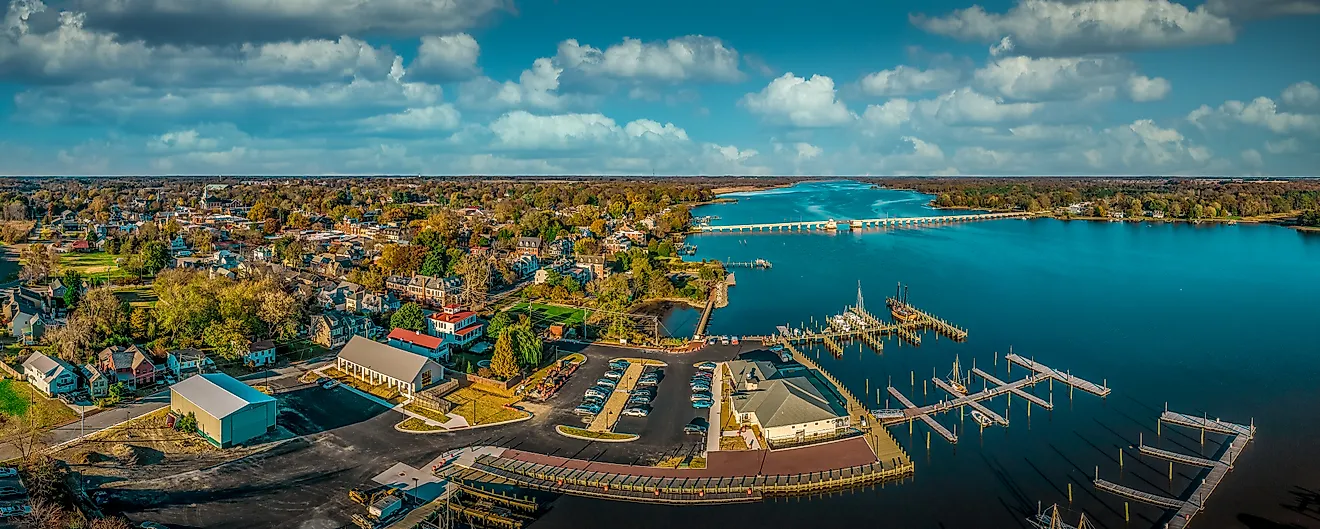
Lakeport sits on the west shore of Clear Lake, commonly described as California's largest natural freshwater body and among North America's oldest lakes. The median home price is around $350,000, giving this community one of the lower entry points on this list.
Library Park is the practical center of the waterfront, with direct water access, picnic lawns, and the main summer concert space. During the season, residents meet at the Lakeport Farmers Market there before errands downtown. The Historic Courthouse Museum covers Lake County's Pomo history, mining era, and early civic fights. Park Place Restaurant is a reliable dinner stop near Main Street. A short drive south, Clear Lake State Park has shoreline paths, tule marshes, and bass fishing that draw regulars before the workday starts. The case for Lakeport is plain enough: public offices, water access, and local culture without the scale or traffic of a larger inland city.
These nine towns share little beyond the state line. The price floors run from $350,000 in Lakeport to $650,000 in Auburn, with the outdoor access, public institutions, and morning routines distributed accordingly. What they offer, collectively, is a reframe: California living at a human scale, where the Saturday market is a real errand, the courthouse is walkable, and the trailhead does not require a reservation. For anyone weighing where to put down roots, the question is not which town is best in the abstract, but which particular combination of cost, terrain, and civic texture fits the life being built.
Tehachapi

Tehachapi sits in Kern County's high country, with more civic identity than many pass-through or commuter communities. The median house price is about $420,000, below many coastal and suburban parts of the state.
The Tehachapi Loop remains the landmark people know first, where long freight trains circle over themselves through the pass. The Tehachapi Depot Museum gives that railroad history substance through restored rooms, artifacts, and volunteers who know the details. For breakfast or coffee, Mountain Coffee House and Kelcy’s Restaurant draw regular morning traffic, and the seasonal Tehachapi Farmers Market keeps Thursdays useful. Tomo-Kahni State Historic Park offers guided visits focused on Kawaiisu cultural history and high-desert terrain. Brite Lake is the close outdoor option for fishing, camping, and open views west of town.
Ukiah

Ukiah is Mendocino County's inland service center, with vineyards nearby and enough civic weight to keep errands simple. The median home price is roughly $480,000, well below many coastal communities in California.
Before the heat builds, the Ukiah Farmers Market at Alex Thomas Plaza brings people out on Saturday mornings for produce, flowers, and a café run. Montgomery Woods State Natural Reserve has old-growth redwoods and quiet paths within an easy drive. The City of Ten Thousand Buddhas offers something harder to categorize: a major Buddhist monastery, visitor areas, and peacocks crossing the grounds with no concern for traffic flow. Grace Hudson Museum preserves the painter's work and former residence, with a strong focus on Pomo culture. Black Oak Coffee Roasters remains reliable without ceremony.
Auburn

Auburn is a Sierra foothill seat of government, close to Sacramento but shaped more by courthouse business, mining-era streets, and the American River canyon. Current housing estimates put a typical house at about $650,000.
A normal errand loop might include the Tuesday Old Town Farmers’ Market, Ramone’s Bakery & Café in Old Town. Pour Choice on High Street covers the morning café run before errands, and the Saturday produce market at the courthouse lot adds fruit, flowers, and the usual talk about heat, smoke, and road work. For the strongest outdoor asset, Auburn State Recreation Area carries the argument through the Confluence Trail, river entry points, and views over the North and Middle Forks of the American River. Inside the 1898 courthouse, the Placer County Museum gives the Gold Rush and railroad years proper context. Auburn Alehouse and Restaurant Josephine handle dinner reliably for locals and visiting family.
Bishop

Bishop sits in the Owens Valley between the Sierra Nevada and the White Mountains. It is small, remote by California standards, and more useful than decorative. The current midpoint for houses is near $535,000.
Laws Railroad Museum is the history stop that justifies time on its own, with narrow-gauge rail exhibits, Paiute and Shoshone material, and preserved Owens Valley buildings. Most mornings start earlier than that, though, at Black Sheep Coffee Roasters or at the Bishop Farmers Market in City Park during the season. Erick Schat's Bakkery remains Bishop's best-known food institution, especially for sheepherder bread and road supplies. West of town, Buttermilk Country brings climbers and walkers to granite boulders below Mount Tom. Through Big Pine, the road to the Ancient Bristlecone Pine Forest puts some of the oldest living trees on earth within reach.
Arcata

Arcata has the bones of a North Coast college community: a plaza, redwoods, bay paths, and Cal Poly Humboldt. The median home price is near $500,000, still lower than many places in the state with comparable access to woods and water.
On Saturdays, the Arcata Farmers' Market on the Plaza functions as a real errand, not decorative filler. From there, the Arcata Community Forest rises from Redwood Park into second-growth redwoods, with steep routes close by for a morning walk. For flatter ground, Arcata Marsh and Wildlife Sanctuary adds bay air, egrets, and a wastewater treatment success story that needs little embellishment. The Minor Theatre, in use in one form since 1914, keeps a main-street cinema operating. Northtown Coffee and Wildberries Marketplace cover ordinary needs without much fuss.
Eureka

Eureka remains among the more attainable coastal seats of local government in the state. Housing data places the median home price near $430,000. Public offices, Victorian blocks, waterfront streets, and working neighborhoods sit close together, so Eureka has a density many smaller coastal communities lack.
A normal errand loop might include the Tuesday Old Town Farmers' Market, Old Town Coffee & Chocolates, and North Coast Co-op before the bay wind gets sharper. The clearest in-town redwood view is at Sequoia Park Zoo's Redwood Sky Walk, which lifts visitors into the canopy without requiring a drive. From the street, the Carson Mansion still defines the best-known historic block, even though it now houses the Ingomar Club. The Humboldt Bay Trail gives cyclists and walkers a direct route along the water toward Arcata. Los Bagels at 403 2nd Street rounds out the practical end of downtown with salt bagels and a quick meal.
Grass Valley

Grass Valley offers a Sierra foothill base with Gold Rush architecture, an active downtown, and quick routes into forest. The median home price is around $555,000, below much of the coast while still far from cheap.
Empire Mine State Historic Park is the essential site, showing the scale of the former hard-rock operation through the mine yard, Bourne Cottage, and shaded walking routes. For the technical side, the North Star Mining Museum explains the machinery and engineering with sharper detail. Downtown, the Holbrooke Hotel and Golden Gate Saloon keep the 1850s core in active use rather than behind glass. Saturday mornings often start at Caroline's Coffee Roasters before the seasonal Grass Valley Farmers Market. The town's appeal is not subtle, but it is supported by real institutions rather than staged nostalgia.
Sonora

Sonora gives Tuolumne County a practical foothill base less than an hour from Yosemite's Big Oak Flat entrance. Schools, errands, public offices, and trailheads are close enough to make the town function as more than a gateway. Current estimates place the median home price near $425,000.
Along Theall and Stewart streets, the Sonora Certified Farmers Market brings residents out on Saturdays from May through October, with Revive Coffee handling many weekday starts nearby. Columbia State Historic Park preserves a Gold Rush district with blacksmith demonstrations, stagecoach rides, and brick storefronts, while Dragoon Gulch Trail offers an oak-woodland loop above the community before work or after dinner. Emberz Wood-Fired Foodz is a dependable downtown stop for burgers, pizza, and an unfussy meal. Just outside Sonora, Indigeny Reserve adds cider, apple orchards, and walking routes.