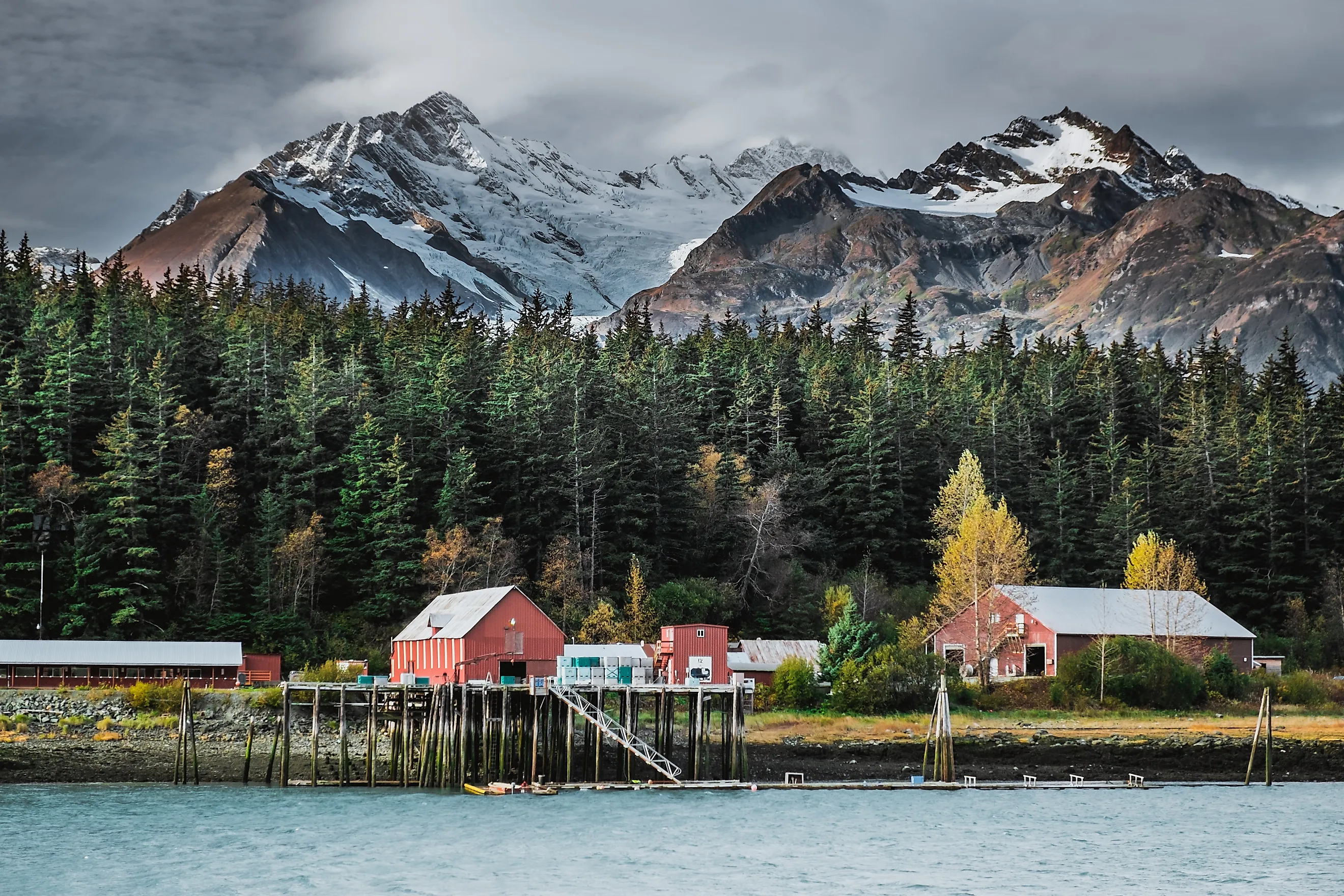
8 Undisturbed Towns To Visit In Alaska
Alaska's smaller towns hold onto a kind of quiet that bigger destinations have long since traded away. Sitka still shows the architectural fingerprints of Russian America. Talkeetna sits at the foot of the continent's tallest peak. Skagway holds onto its Klondike Gold Rush bones almost intact. The eight communities below cover Tlingit heritage, Russian Orthodox history, mountaineering tradition, and glacier-front scenery without the cruise-ship density of larger ports.
Sitka

Sitka sits on Baranof Island and is wrapped in the Tongass National Forest, where temperate rainforest and steep coastal mountains meet the Pacific. Once the capital of Russian America, the town still shows its strong Russian Orthodox heritage through landmarks like the Russian Bishop's House, built in 1843 and the oldest intact Russian colonial building in town, and St. Michael's Cathedral, which holds icons brought from Russia in the 19th century.
Sitka National Historical Park, Alaska's oldest federally designated park, preserves the site of the 1804 Battle of Sitka, when Tlingit warriors defended their wooden fort at the mouth of the Indian River against Russian and Aleut forces. Today the park's coastal trail winds through old-growth spruce past a collection of Tlingit and Haida totem poles. Ranger-led Battle Walks run daily through the summer.
The Sitka Summer Music Festival, running every June since 1972, fills small venues around town with classical chamber music. On the water, day tours head out for sea otters, humpback whales, and bald eagles, while the seafood restaurants along Lincoln Street keep the harbor catch on the menu.
Homer

Homer calls itself the "Halibut Fishing Capital of the World," and the local charter fleet does most of the talking on that claim. The Homer Spit is a 4.5-mile gravel landform reaching into Kachemak Bay, lined with restaurants, galleries, and a working harbor.
Across the bay, Kachemak Bay State Park is Alaska's first state park and remains accessible only by boat or floatplane. Visitors come for sea cliffs, glacier-fed waterfalls, and water-taxi drops at trailheads on the south side. Bird watchers gather in spring and fall for puffins, sandhill cranes, and shorebird migrations.
Back in town, the Pratt Museum runs exhibits on Sugpiaq and Dena'ina history, Kachemak Bay ecology, and the lasting impact of the 1989 Exxon Valdez oil spill on the surrounding marine ecosystem. The Alaska Islands & Ocean Visitor Center serves as the headquarters and public face of the Alaska Maritime National Wildlife Refuge, the largest seabird refuge in the world.
Talkeetna

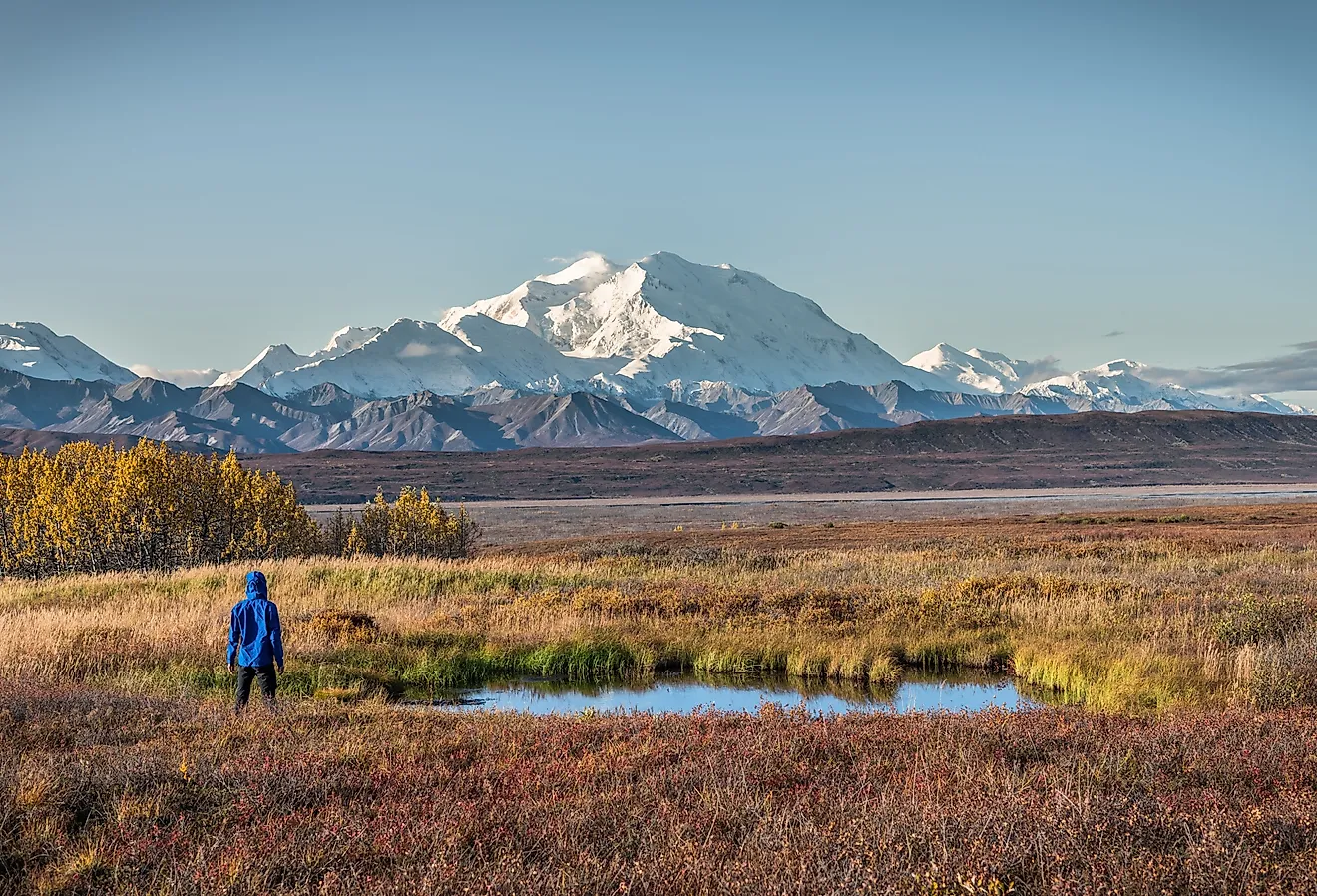
Talkeetna sits at the confluence of the Talkeetna, Chulitna, and Susitna Rivers and serves as the climbing-base town for Denali mountaineers. The Main Street historic district covers a few blocks of wood-frame and log buildings, most dating to the Alaska Railroad construction era of the late 1910s and 1920s. Local cafes, art galleries, and gift shops fill the storefronts. Denali Brewing Company runs its main tasting room here, with around 20 beers on tap and a menu of Alaskan fare to go with them.
Flightseeing tours leave from the Talkeetna Air Taxi strip for runs over Denali National Park, including the option to land on a glacier near the South Buttress for visitors who want a closer look at North America's tallest peak. The Talkeetna Historical Society Museum occupies the 1936 Territory of Alaska Talkeetna schoolhouse and traces the town's mining, railroad, and mountaineering history. The Talkeetna Roadhouse, built in 1917 as a log freight depot and converted to a roadhouse in 1944, still serves family-style breakfast and bakery goods.
Skagway

Skagway holds its Gold Rush identity in a way few other Alaska towns do. The Klondike Gold Rush National Historical Park preserves a seven-block historic district of restored 1898-era buildings, including the Mascot Saloon and the Red Onion Saloon, with interactive exhibits and ranger-led walking tours.
The White Pass & Yukon Route Railroad runs the original narrow-gauge line out of Skagway. Construction began in May 1898 and reached the 2,885-foot White Pass summit by February 1899, with the full line to Whitehorse completed July 29, 1900. Today's tourist trains climb roughly 3,000 feet in 20 miles past waterfalls, glaciers, and abandoned trestles. The route earned International Historic Civil Engineering Landmark status in 1994.
For more demanding visitors, the 33-mile Chilkoot Trail traces the actual Gold Rush route over the Coast Mountains into British Columbia. Closer to town, glacier tours run out to Davidson Glacier and the LeConte Glacier, the southernmost tidewater glacier in North America. Skagway's historic saloons and small shops fill the gaps between excursions.
Haines

Haines sits between snow-capped peaks and the Chilkat River and serves as a haven for nature enthusiasts and history lovers alike. The Alaska Chilkat Bald Eagle Preserve, which covers 48,000 acres of the river corridor, hosts the world's largest gathering of bald eagles each fall, when warm groundwater keeps a stretch of the river ice-free and draws thousands of birds to a late salmon run. The annual Alaska Bald Eagle Festival each November pairs guided viewing trips with raptor presentations.
History travelers will enjoy Fort William H. Seward, Alaska's first permanent Army post (established 1904), now repurposed as artist studios, galleries, and inns that occupy the original officers' housing around the parade ground. Kayak operators run trips into the surrounding fjords, and guided wildlife tours head out for bears, moose, and mountain goats on the surrounding hills.
The American Bald Eagle Foundation runs an interpretive center in town, with educational exhibits and live raptor demonstrations featuring resident birds that cannot be released back into the wild. The combination of natural setting and small-town texture makes Haines a memorable Alaska stop.
Wrangell

Wrangell is a quiet community with deep Tlingit roots and an unusually layered colonial history. The Chief Shakes Tribal House sits on Shakes Island in the inner harbor and showcases Tlingit clan customs through carved house posts and totems. Petroglyph Beach State Historic Park holds dozens of rock carvings, some estimated at more than 8,000 years old, etched into beach boulders along the shoreline.
The Anan Wildlife Observatory, accessible by floatplane or boat during summer, sits along a salmon stream where both black and brown bears feed in close range of a built observation deck and viewing platform. The Stikine River, one of the few major free-flowing rivers in North America, runs into the sea near town. Local outfitters guide jet-boat trips up the river to a backcountry hot springs.
The Wrangell Museum traces the town's layers, from the Tlingit through the Russian, British, and American occupations (Wrangell is the only Alaska community to have been governed under four flags). The Kik-setti Totem Park concentrates a small collection of carved poles in a downtown setting. Wrangell quietly delivers across both culture and landscape.
Valdez

Valdez sits at the head of a deep fjord on Prince William Sound, framed by some of the most dramatic peaks and glaciers in the state. The Valdez Museum & Historical Archive covers the town's Gold Rush origins, its near-total destruction in the magnitude-9.2 1964 Good Friday earthquake (the largest in U.S. history), and its 1989 reentry into national headlines after the Exxon Valdez oil spill in the sound.
Keystone Canyon, just east of town along the Richardson Highway, features Bridal Veil and Horsetail Falls in a single short drive. Shoup Bay State Marine Park offers kayaking access to Shoup Glacier and the marine wildlife that congregates around it.
Valdez gets some of the deepest snowfalls in North America, which makes the local backcountry a destination for skiing and snowmobiling in winter. Summer brings salmon and halibut charters and a network of hiking trails with views over the Chugach Mountains. The town fits an unusual amount of dramatic terrain into a small footprint.
Seward
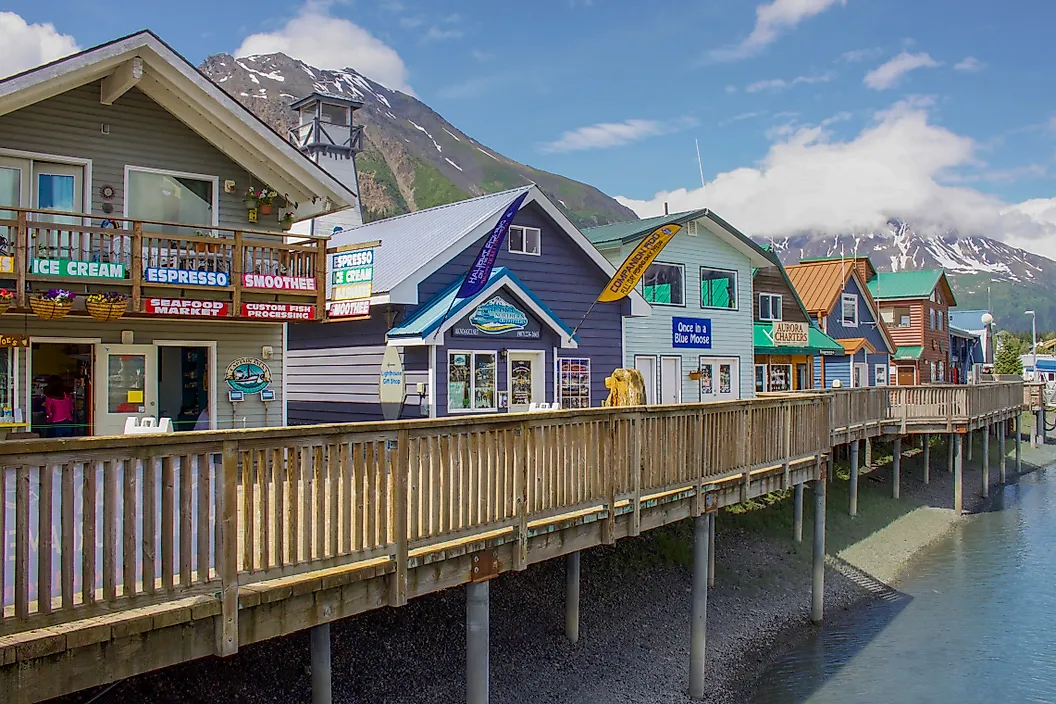
Seward sits at the head of Resurrection Bay on southern Alaska's coast and serves as the gateway to Kenai Fjords National Park. Day-boat operators run trips through the fjords past tidewater glaciers and marine wildlife including Steller sea lions, orcas, and tufted puffins. The Exit Glacier Trail follows the only road-accessible glacier in the park, while the more strenuous Harding Icefield Trail climbs to a viewpoint over the 700-square-mile icefield that feeds it.
The Alaska SeaLife Center is the state's only public aquarium and combines marine ecosystem exhibits with a working rehabilitation facility for stranded sea otters, seabirds, and seals. The Iditarod National Historic Trail starts in Seward and celebrates Alaska's sled-dog freight history. The nearby Caines Head State Recreation Area pairs hiking trails with the concrete remains of WWII coastal defense fortifications.
Every July 4, Seward hosts the Mount Marathon Race, a brutal 5K straight up and down the 3,022-foot peak that rises behind town. Runners from across the country compete in one of the oldest mountain races in the country (the first official race ran in 1915).
Alaska's Small Towns Deliver Something Different
The eight towns above split Alaska's appeal in different directions. Sitka and Wrangell carry the layered Russian and Tlingit history of the Inside Passage. Skagway and Talkeetna hold onto the mining-camp character of the Gold Rush and Denali climbing eras. Homer and Valdez offer working-port culture against backdrops of icefield and fjord. Haines runs on bald eagles and a parade-ground arts district. Seward fills the day with marine wildlife, glacier hikes, and a Fourth-of-July mountain race that locals run as hard as anyone. Each delivers an Alaska that the big ports cannot, in a state that still leaves room to find quiet on a long summer day.