8 Top-Rated Small Towns In Georgia
Top-rated small towns in Georgia each have a claim to fame, like Dahlonega's gold rush, Thomasville's roses, and the Madison mansions Sherman refused to burn. Dahlonega struck gold first, in 1828, two decades ahead of California. Thomasville has held its rose show every spring since 1922. Those mansions still stand in Madison, where a senator talked the general out of the torch. Brunswick adds a working shrimp fleet, out in the marsh every morning. Below are eight towns with features that earn their ranking.
Blue Ridge

Blue Ridge earns its ranking on the Toccoa River. The Cohutta Wilderness and the river's tailwater hold some of the best trout fishing in the state. The Blue Ridge Scenic Railway runs vintage cars along the same water through the southern Blue Ridge Mountains to McCaysville at the Tennessee line. Those rails date to the Marietta and North Georgia Railroad in 1886. The depot still sends out daily round trips downtown. Mercier Orchards has worked the same family land north of town since 1943. It offers U-pick apples in fall, peaches in summer, and a bakery and tasting room in the main barn.
Downtown dining leans Appalachian. Toccoa Riverside Restaurant serves from a covered deck over the water. Harvest on Main keeps a tighter, chef-driven menu built on Georgia farm sources. The 1890 Blue Ridge Inn B&B is a short walk from the depot and the shops. Spring brings the Blue Ridge Trout and Outdoor Adventures Festival. June brings the Blues and BBQ Music Festival.
Brunswick

Brunswick is the only working shrimp port on this list. The commercial fleet ties up downtown most days. The town is the mainland gateway to the Golden Isles, which are St. Simons Island, Jekyll Island, and Sea Island. Mary Ross Waterfront Park stands at the foot of Newcastle Street. It looks out over the harbor and the boats. South of downtown, the Marshes of Glynn spread across thousands of acres of salt marsh. Sidney Lanier put them into verse in his 1878 poem.
Old Town Brunswick keeps its historic district along Newcastle and Bay Streets. The blocks hold palm trees, Victorian storefronts, seafood joints, country-cooking spots, and pizza places. Brunswick Manor on Egmont Street is a Victorian bed and breakfast with an orchid conservatory and a koi pond. It has appeared on the Discovery Channel and Good Morning America. The F.J. Torras Causeway crosses the marsh to St. Simons in about ten minutes.
Cave Spring

Cave Spring earns its ranking on the limestone cave at its center. The cave pushes out about two million gallons of water a day at a steady 56 degrees. It has supplied the town's drinking water without a break since the 1830s. The overflow feeds Rolater Lake, a spring-fed swimming hole. The lake opens weekends from Memorial Day through Labor Day, with a grassy lawn for picnics. The cave stays open for self-guided tours during park hours.
The Vann Cherokee Cabin is the town's second landmark. Avery Vann Jr., a Cherokee landowner, built the hand-hewn log cabin around 1810. His family gave Vann's Valley its name. The cabin spent more than a century hidden inside the walls of the old Webster-Green Hotel. The Cave Spring Historical Society pulled it out, restored it, and reopened it to the public in 2016. The Cave Spring General Store holds down the main street. The Hearn Inn, set in a restored Hearn Academy dormitory, is a short walk from the central square.
Dahlonega

Dahlonega started America's first major gold rush in 1828. That was two decades before California. A branch of the U.S. Mint operated here from 1838 to 1861. It stamped coins out of Georgia ore until the Civil War shut it down. The Dahlonega Gold Museum now fills the old Lumpkin County courthouse on the square. Its exhibits cover the rush and the Cherokee removal that followed. Two working mines on the edge of town, Consolidated Gold Mine and Crisson Gold Mine, still offer underground tours and gold-panning lessons.
The town also reaches into the Blue Ridge foothills. Springer Mountain lies about 20 miles north, at the southern end of the Appalachian Trail. The surrounding Chattahoochee National Forest holds waterfall trails. One leads to Amicalola Falls, the tallest cascading waterfall east of the Mississippi River at 729 feet. Wineries cover the hills outside town. Wolf Mountain, Frogtown, and Three Sisters all pour for visitors. The Dahlonega Square Hotel keeps a Kaya Vineyard and Winery tasting room in its lobby.
Madison

Madison was the first new town named to honor President James Madison. It was incorporated on December 12, 1809, the same year he took office. Its historic-district streets carry presidential names to match. The town is best known for its antebellum homes. They came through Sherman's March to the Sea in 1864 intact. State senator Joshua Hill negotiated with the general to spare them. The Madison Historic District holds more than 100 surviving 19th-century buildings.
The Madison-Morgan Cultural Center fills an 1895 schoolhouse. It holds an art gallery, a theater, and a history museum. The Morgan County African American Museum on Academy Street covers local Black history through the civil rights era. On the main street, the Madison Drug Co. Grill still works an old-fashioned soda fountain. The James Madison Inn, a boutique property on the central square, handles lodging.
Milledgeville

Milledgeville was Georgia's state capital for 64 years, from 1804 to 1868. It held the seat through the entire Civil War. The Old Capitol Building still stands downtown. It is one of the country's earliest public buildings in the Gothic Revival style. The 1839 Old Governor's Mansion a few blocks away is a National Historic Landmark and a museum. Both belong to the route locals call Georgia's Antebellum Trail. Georgia College and State University is also based here, which tips the daytime crowd young in term time.
Andalusia is the dairy farm where Flannery O'Connor did most of her writing. It lies four miles northwest of town. O'Connor lived there from 1951 until her death in 1964. She produced two novels and most of her short stories on the property. Georgia College now operates it as a public museum. Lake Sinclair, a 15,330-acre Georgia Power reservoir, stretches along the eastern edge of town. It holds marinas, fishing piers, and lake-house rentals.
Thomasville

Thomasville is Georgia's Rose City, and it earns the title every spring. The downtown rose garden holds more than 1,500 bushes across dozens of cultivars. The Rose Show and Festival has filled the streets since 1922. It is one of the longest-running flower festivals in the country. The festival includes a parade, an antique car show, and a formal judging. Growers across south Georgia and north Florida bring single blooms to be ranked. The Big Oak at Crawford and Monroe streets is more than 300 years old, with its own webcam and trolley stop.
Thomasville also keeps a working bread bakery. The Flowers Baking Company plant has turned out Sunbeam and Nature's Own loaves for decades. The smell of fresh bread drifts downtown most mornings. Sweetgrass Dairy, a farmstead cheese maker, keeps a shop and restaurant on Broad Street. The Courtyard by Marriott on Jackson Street is a short walk from the rose garden and the boutiques. Historic Pebble Hill Plantation is nearby.
Woodstock

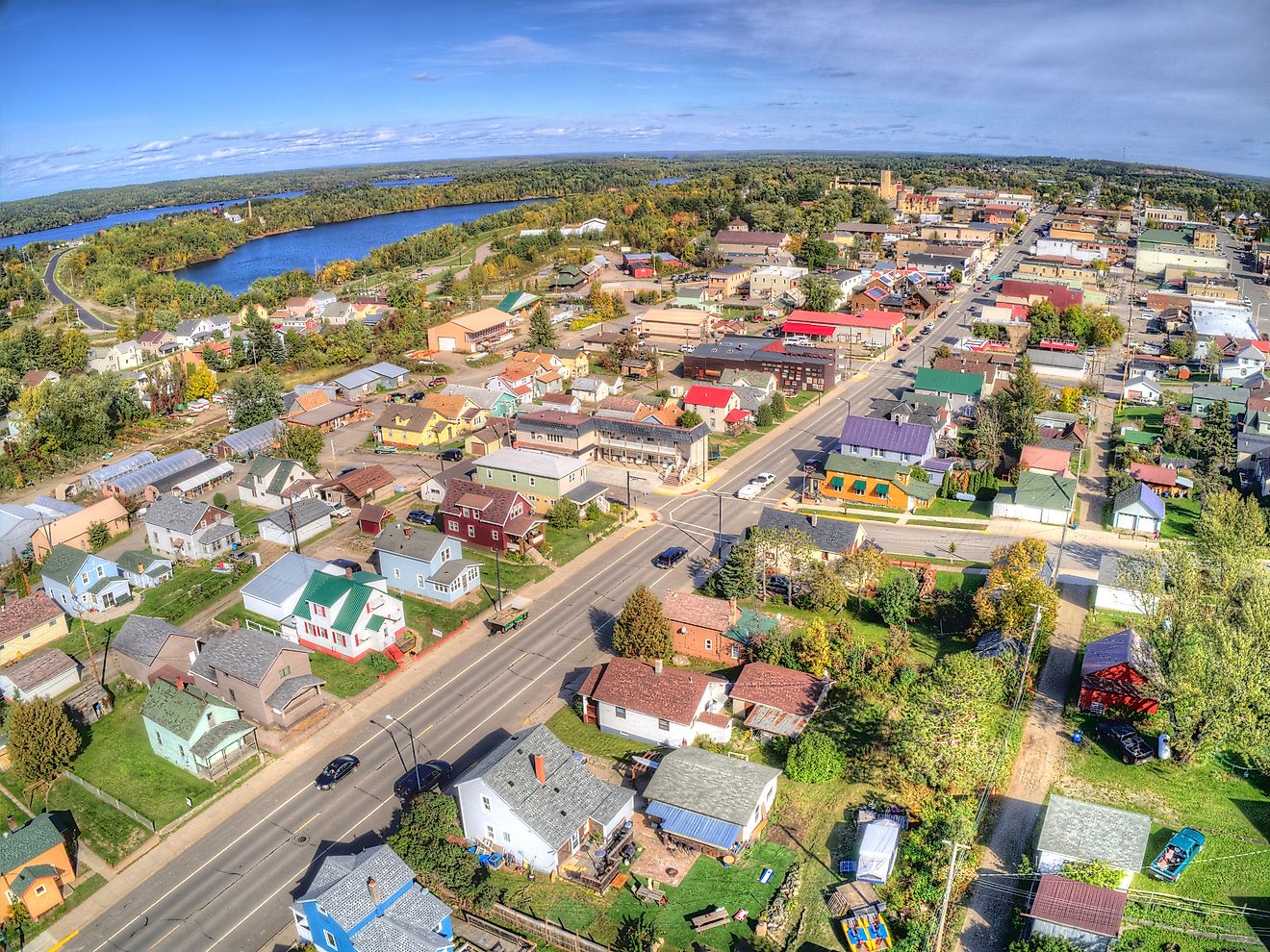
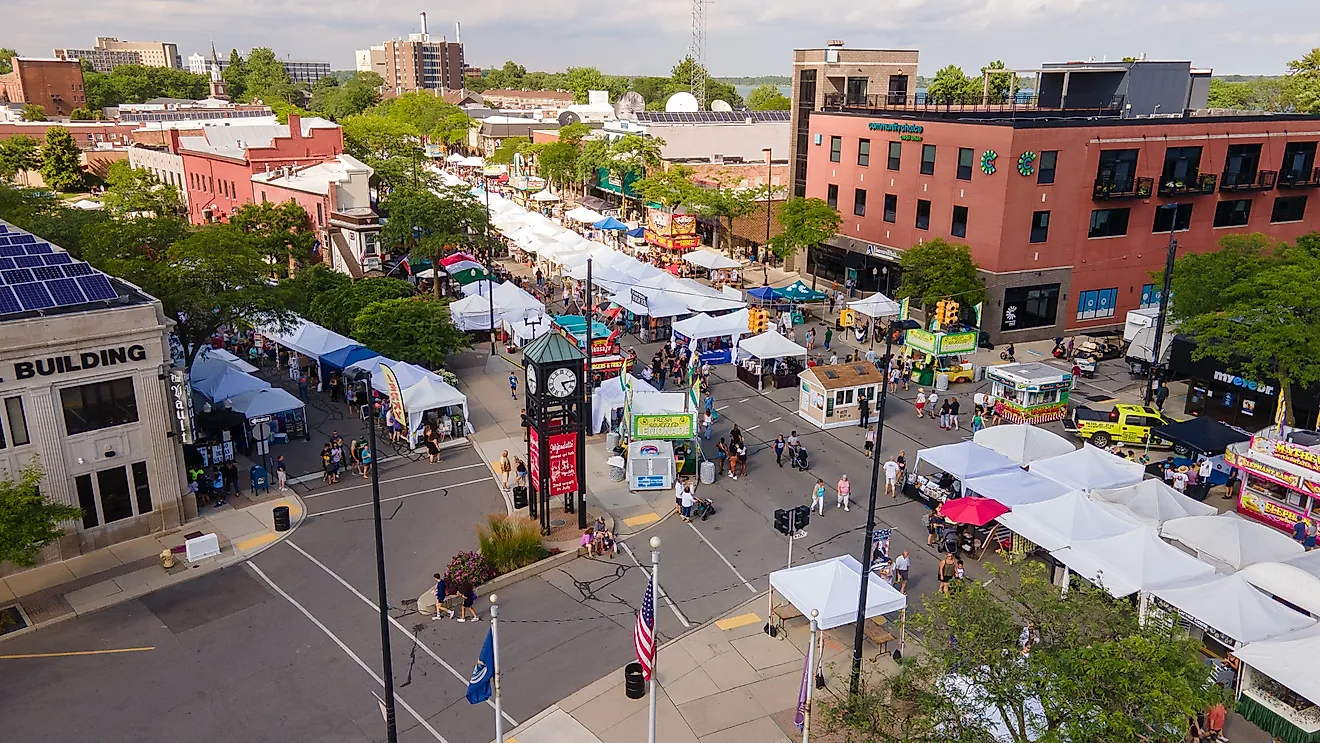
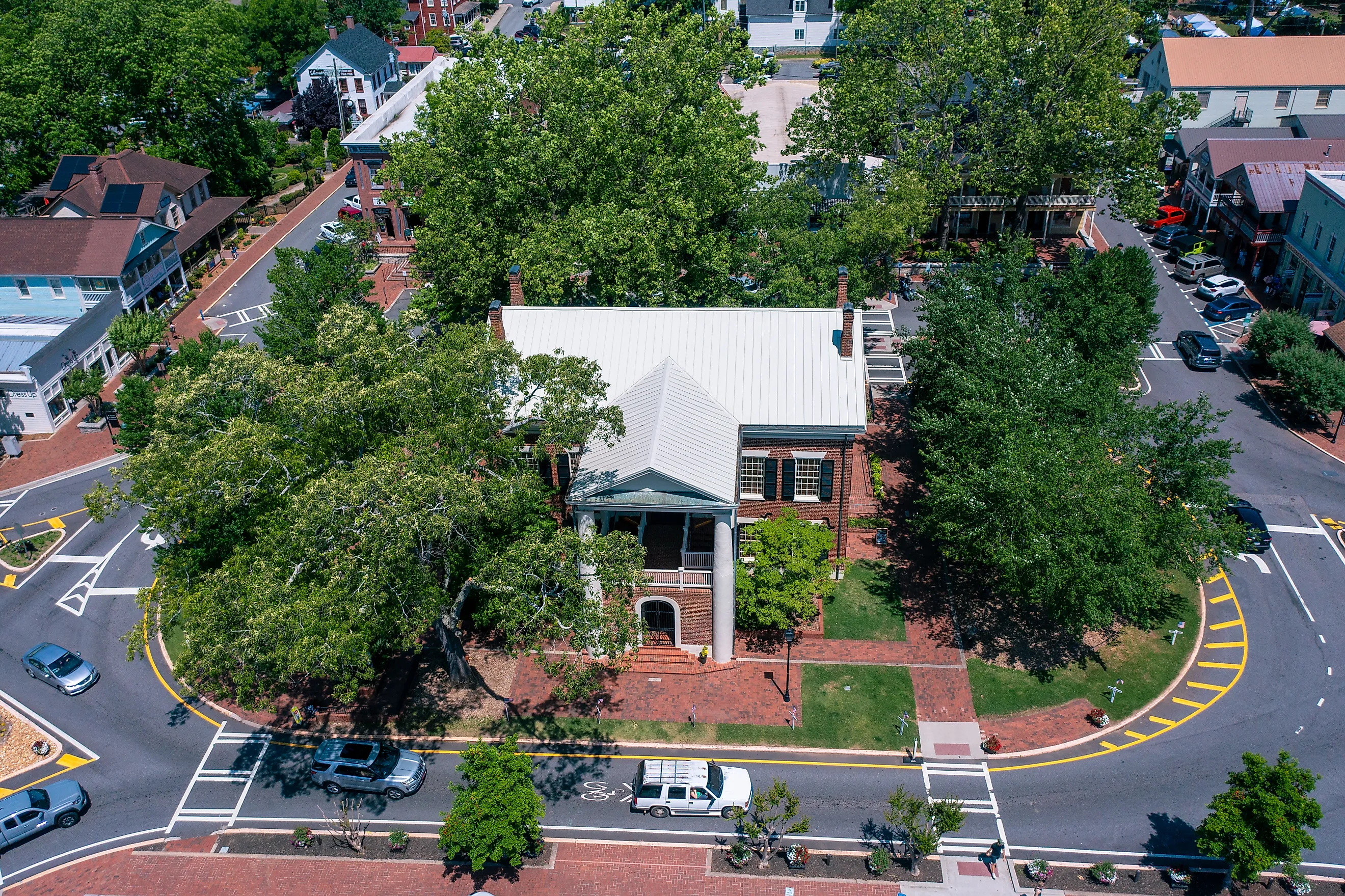
Aerial view of Main Street in downtown Woodstock, Georgia.
Woodstock earns its ranking on its downtown. It held its character through a decade of fast growth. Reformation Brewery and Jekyll Brewing both pour along Main Street. They share the blocks with independent restaurants, gift shops, and a Northside Hospital outpatient campus. Olde Rope Mill Park, east of downtown, threads 23 miles of mountain-bike and hiking trails along the Little River.
Lake Allatoona lies to the northwest. The 12,000-acre Army Corps reservoir draws boaters, swimmers, and anglers. I-575 and the Big Creek Greenway tie the town to Atlanta. That makes it an easy weekend run from the metro, with the Cherokee County countryside still close by.
What Puts a Georgia Town on Top
Georgia's rankings reward specifics, and these eight deliver. Blue Ridge runs an 1886 excursion train through trout country. Cave Spring still pours cold water from the cave that named it. Milledgeville holds the Old Capitol where the state voted to secede. Woodstock keeps a walkable downtown as Atlanta creeps north. None of them ranks on scenery alone. Each one ranks on something a local can point to and a visitor won't find twice.