What Happens When A State Park Runs Out Of Funding
When a state park runs out of funding, it rarely closes overnight. First, it faces layoffs, maintenance issues, safety hazards, and partial closures. The United States has nearly 2,500 state parks that need funding to function efficiently and effectively. Unlike national parks, which are funded by the national government, state parks depend on individual state budgets. These budgets vary and can change depending on state priorities. Funding sources like taxpayer dollars, entrance fees, and donations help parks operate. Without these resources, state parks struggle.
Though full closures do not happen all at once, the process is harmful to visitors, employees, infrastructure, and the overall safety of parks and surrounding areas. Thus, losing funding reduces the protection of natural resources and the educational opportunities it provides. According to American State Parks, over 800 million people visit state parks each year for their safe recreational spaces, nature and wildlife conservation, and economic suppport.
Here's what happens when a state park runs out of funding.
Staff Reductions and Layoffs

State parks support thousands of jobs across the United States. When funding falls short, staff risk losing pay, work hours, or their positions. Parks may also leave vacant jobs unfilled or hire fewer seasonal workers.
For visitors, this can mean fewer educators, guides, rangers, cleaning crews, and maintenance workers. Nature programs may be canceled, visitor centers may reduce their hours, and restrooms or campsites may receive less frequent service. Without enough maintenance and cleaning staff, trash collects, trails go uncleared, and damaged facilities take longer to repair. Over time, the park’s physical condition and environmental quality begin to suffer.
Maintenance Issues

Maintenance support strongly affects park management. With inadequate funding and fewer employees, many state parks struggle to maintain roads, pathways, bridges, and buildings. Cracks can spread across paved paths, wooden boards can weaken, and bridge railings or supports may go without needed repairs. Trails may also become overgrown, washed out, or harder to cross.
These conditions make busy areas more difficult to navigate and can force parks to restrict access to damaged sections. They not only lead to the park falling into disrepair, but also create safety concerns for the public. Unfortunately, maintenance needs continue to grow, leaving parks with billions of dollars in deferred repairs.
Safety Hazards

When a park lacks money for inspections and repairs, damaged areas may remain unsafe for longer periods. Broken bridges, washed-out trails, unstable trees, and failed utilities can force managers to close specific sections until repairs are completed.
Fewer rangers and maintenance workers may also slow routine safety checks and emergency response. These problems do not always lead to a full closure. More often, access is limited to trails, campgrounds, or facilities that can no longer be maintained safely. As repair needs grow, fewer areas may remain open to the public.
Loss of Accessibility

To address funding shortages, parks may raise fees, cut educational programs, and close certain facilities. These changes can make visits harder for students, seniors, low-income families, and people with disabilities.
Reduced access may mean fewer open swimming areas, campgrounds, boat rentals, trails, and nature centers. When these spaces or services close, people lose affordable places to learn, spend time outdoors, and connect with others.
Partial Shutdowns and Closures

To offset the loss of faculty and maintenance support, many parks first turn to partial shutdowns. In April, the Washington Department of Natural Resources experienced $8 million in budget cuts and announced partial closures that affected restrooms, information centers, and four campgrounds. These changes allowed the agency to concentrate limited staff and funding on areas that remained open.
Partial closures can place more pressure on the facilities that are still available. Open campgrounds, trails, and restrooms may become more crowded, while fewer employees are available to answer questions, clean facilities, or respond to problems.
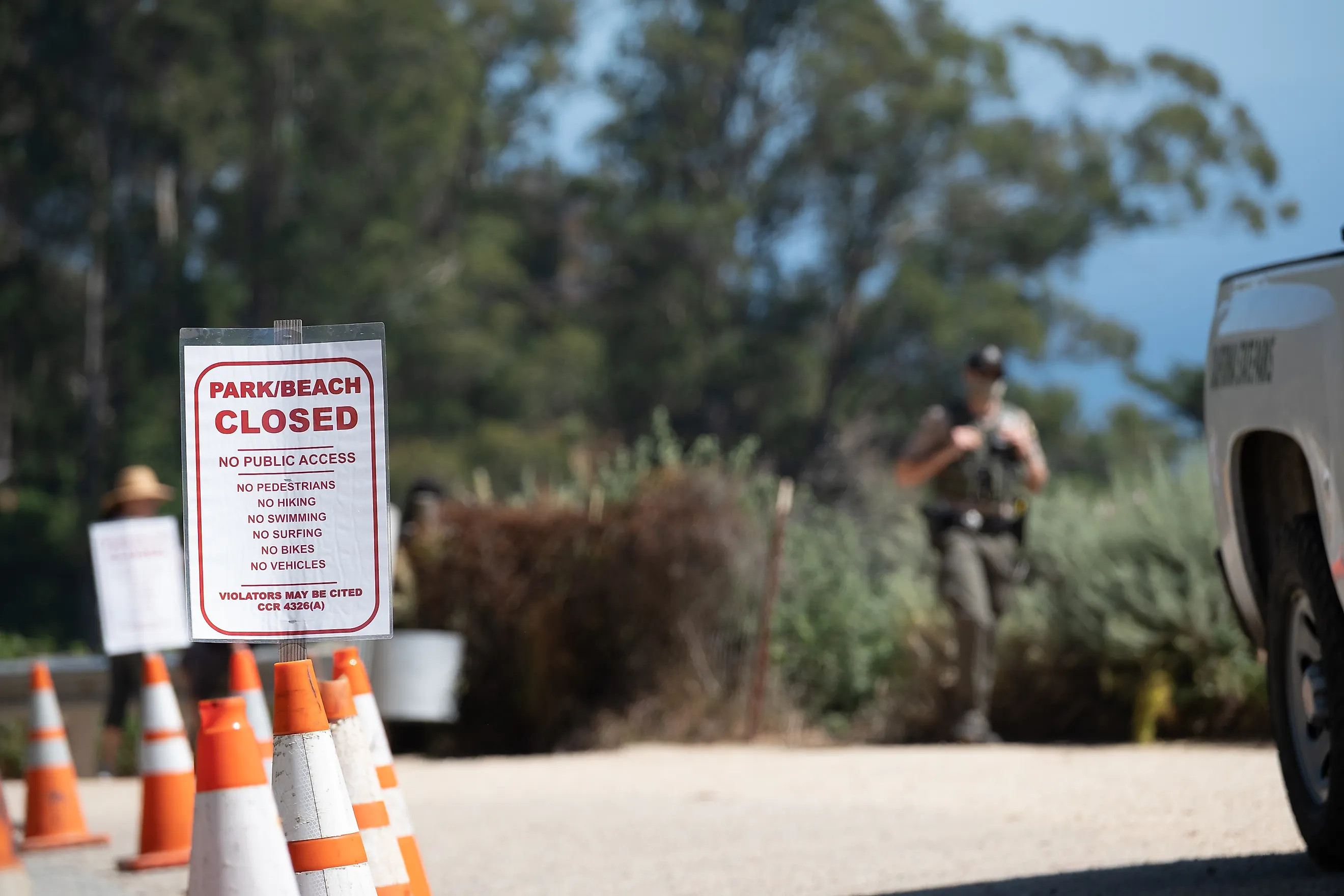
If funding shortages continue, more areas may close temporarily or for an entire season. Gates may be locked, facilities may shut down, and programs may end. Full closures are not always inevitable, but they become more likely when agencies cannot safely maintain a site or cover its basic operating costs.
Wrapping Up
A park does not need to close completely for a budget shortfall to affect the public. Fewer workers can mean limited access and fewer programs. Delayed maintenance can close a trail, campground, restroom, or accessible facility. If those reductions continue, agencies may concentrate services at a smaller number of sites or suspend use of facilities that can no longer be maintained safely. The outcome depends on the size of the shortfall, the condition of the park, and the mix of public funding and visitor revenue available to keep it operating.